Quick answer
Calming aids for dogs and cats can reduce mild, situational anxiety, but they work best as one part of a plan that includes routine, exercise, and training. Expect gradual improvement over days to weeks, not instant sedation. For severe anxiety, sudden behavior changes, or aggression, talk to your veterinarian before relying on over-the-counter products.
If your dog paces during thunderstorms or your cat sprays when guests arrive, you have probably wondered whether a calming chew or spray is worth trying. The honest answer is that calming products for pets can help, but they are not magic. They lower the volume on stress rather than switching it off.
This guide answers the questions pet owners ask most often about pet anxiety relief, including what different product types do, how long they take to work, and when to call your vet instead of adding another supplement to the cart.
What counts as a calming aid?
Calming aids is a broad label that covers several different approaches. Chews and soft treats usually contain ingredients such as chamomile, L-theanine, or thiamine. Pheromone products mimic natural calming signals and come as sprays, diffusers, or collars. Sound-based tools like a correction spray use an attention-getting noise plus behavior pheromones to interrupt a specific unwanted behavior. None of these are the same as prescription anti-anxiety medication.
Because the categories work differently, the right pick depends on the problem. A dog who panics during fireworks needs a different plan than a cat who scratches the sofa when left alone. Matching the tool to the trigger is more useful than buying the strongest-sounding product.
- Chews and treats: ingested, best for predictable, mild stress
- Pheromone sprays and diffusers: environmental, good for ongoing background tension
- Correction sprays: interrupt a specific behavior in the moment, not a general sedative
How long do calming chews for dogs take to work?
Most calming chews for dogs are formulated for daily use, and the effects build gradually. You may notice a slightly more relaxed dog within a few days, but the fuller benefit often shows after one to two weeks of consistent use. Single-dose products marketed for events like vet visits usually need to be given 30 to 60 minutes ahead of time.
If you are trying a chew for the first time, start on a low-stress day at home so you can observe your dog's reaction. Do not stack multiple calming supplements without checking with your vet, and do not expect a chew to replace training for a dog who is genuinely afraid.
- Daily chews: give at the same time each day for steady levels
- Event chews: time them 30–60 minutes before the stressor
- Stop and call your vet if you see vomiting, lethargy, or unusual behavior
Do pheromone sprays and diffusers actually help?
Pheromone products aim to mimic the natural chemical signals animals use to feel safe. Many owners report that a diffuser takes the edge off in a multi-pet household or during a move. Results are individual, and a pheromone product is unlikely to resolve a deep fear on its own. It is most useful as background support while you work on the underlying issue.
Sprays can be applied to bedding, crates, or carriers about 15 minutes before your pet goes in, which makes them practical for travel and vet visits. Always follow the label for surfaces and ventilation, and keep the product out of your pet's direct reach.
- Use diffusers in the room where your pet spends most of the day
- Spray carriers and bedding before travel, not on your pet
- Give any pheromone product at least a week of consistent use before judging it
Can a correction spray replace training for cats?
A correction spray is a behavior tool, not a sedative. Products like NO! NO! Correction Spray For Cats combine AlphaQ behavior modification pheromones with an attention-getting sound to discourage scratching, excessive meowing, jumping, and urine marking. The sound interrupts the behavior at the moment it happens; the pheromone component supports a calmer state afterward.
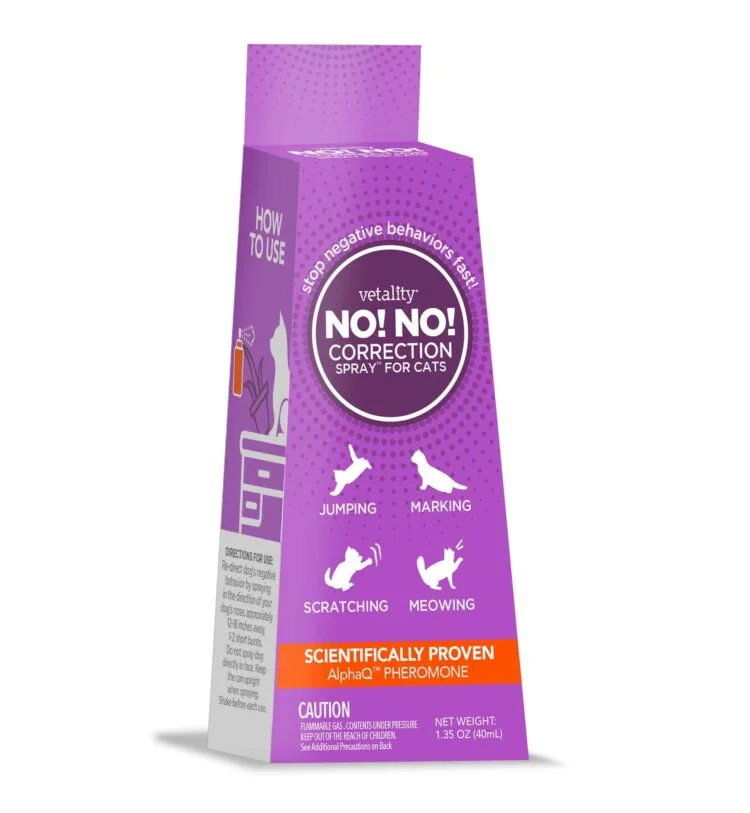
NO! NO! Correction Spray For Cats
For best results, use it only when you catch the behavior in progress and pair it with a better alternative, such as a scratching post placed near the spot your cat is targeting. If urine marking continues despite consistent use, that is a medical conversation, not a product problem.
- Use at the moment of the behavior, not after the fact
- Always provide an acceptable alternative behavior
- Persistent marking or sudden behavior changes warrant a vet visit
What should you expect from pet stress relief products overall?
Realistic expectations matter more than brand loyalty. Calming products for pets are best at taking a mildly anxious animal down a notch, which can make training and daily life easier. They are not designed to eliminate fear of loud noises, separation distress, or aggression. If your pet's quality of life is affected, the most effective plan usually combines management, training, and veterinary guidance.
Track what you see: how often the behavior happens, how intense it is, and whether it improves over two to four weeks. That record is far more useful than a vague sense that your pet seems calmer, and it helps your vet decide whether a prescription is warranted.
- Set a two-to-four-week trial window before deciding
- Note triggers, frequency, and intensity in a simple log
- Combine products with routine, exercise, and enrichment
Calming aid FAQ at a glance
How fast do calming chews work?
Daily chews build up over one to two weeks; event chews are given 30 to 60 minutes before the stressor. Give any new chew a two-week fair trial before judging it.
Are pheromone sprays safe for everyday use?
Follow label directions for surfaces and ventilation, and spray bedding or carriers rather than your pet. Pheromones are background support, not a standalone fix for deep fears.
When should I call my vet instead?
Call if anxiety is severe, sudden, or paired with aggression, appetite loss, or house soiling that does not respond to behavior tools. Prescription options exist and are often more effective for serious cases.
Products that support a calmer pet
- NO! NO! Correction Spray For Cats: Combines AlphaQ behavior modification pheromones with an attention-getting sound to help reduce scratching, excessive meowing, jumping, and urine marking. Useful as an in-the-moment interruption tool for specific feline behaviors, especially when paired with a scratching post or other acceptable outlet.
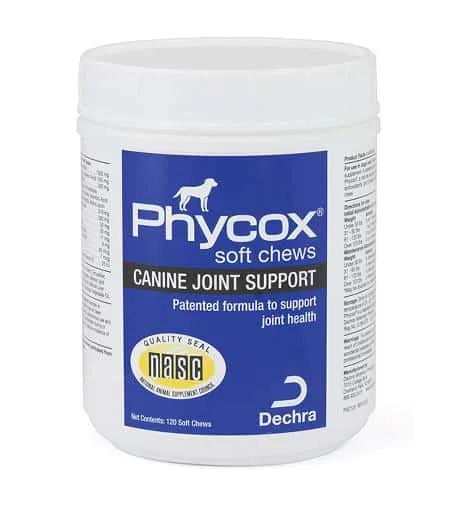
- Phycox Soft Chews Joint Support for Dogs 120 Ct: Contains a patented formula with Phycocyanin, a natural anti-inflammatory and antioxidant derived from blue-green algae, given as a single daily dosage. Joint discomfort can make a dog restless and irritable. Supporting joint comfort may indirectly reduce stress-related behavior, though it is not a calming product itself.
Calming aids for dogs and cats are a reasonable first step for mild, predictable stress, and they are most effective when combined with routine, training, and realistic expectations. If your pet's anxiety is severe or getting worse, involve your veterinarian before spending more on over-the-counter products.