Quick answer
For a weekend photo trip, pack four camera accessories that solve specific on-the-road problems: a lens hood for flare and impact protection, a compact cleaning kit for dust and smudges, a packing cube to keep gear separated, and a carabiner for attaching small essentials. Buy the hood that fits your exact lens, choose a cleaning kit that is safe for nano-coated glass, and size the packing cube to your bag rather than to your ambition.
Start with the lens hood, not the extras
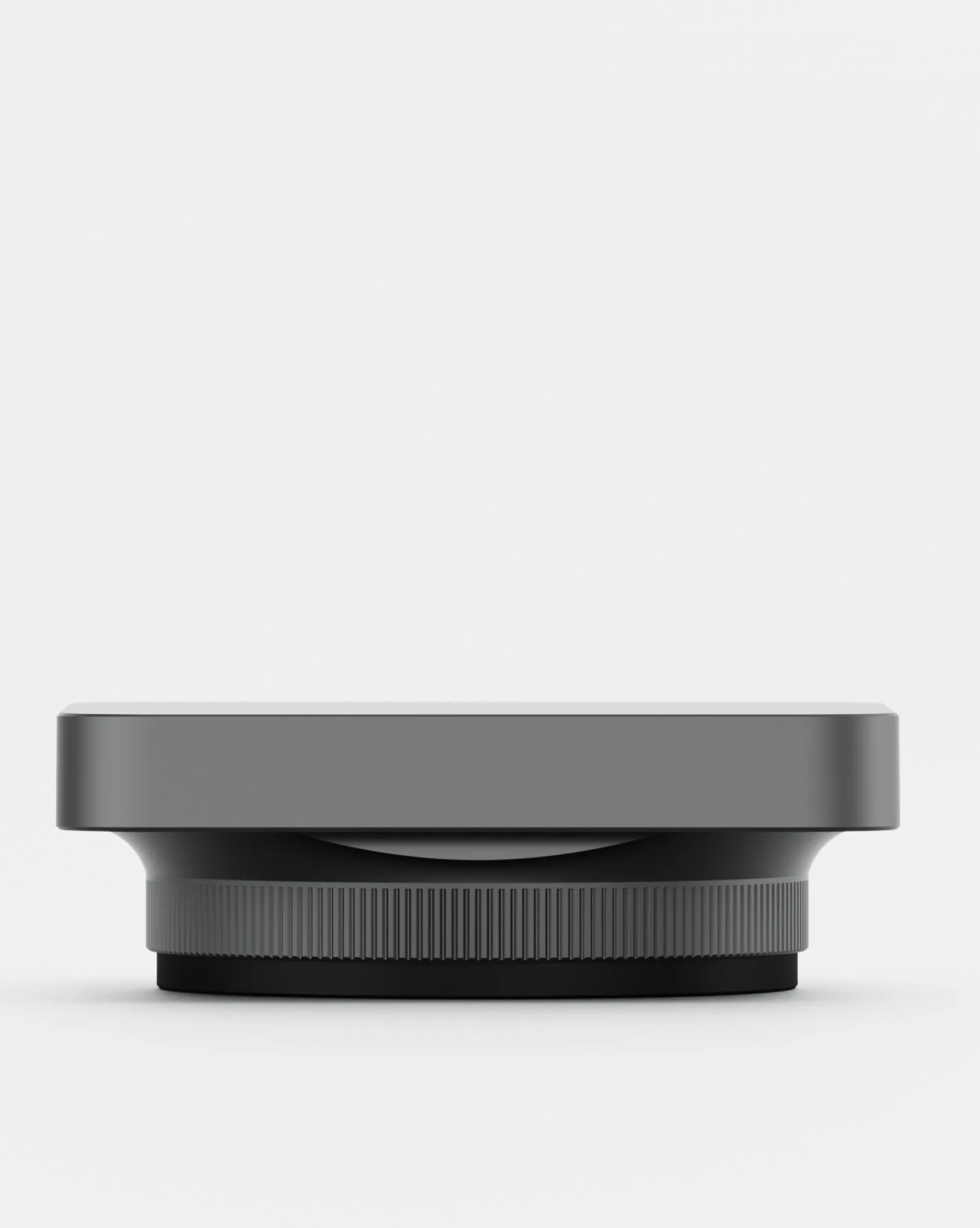
A lens hood is the one accessory that works every time you take the camera out of the bag: it shades the front element from stray light, adds a physical buffer against knocks, and keeps rain or fingerprints off the glass. For a weekend trip, match the hood to the lens you will actually use most, not to the widest lens you own. If you shoot a compact full-frame Sony G or Zeiss lens, a dedicated kit such as the Sony FE 24/40/50mm G Lens Hood Kit is built for that mount and focal range, with a snap-on bayonet mount and ultra-light alloy construction that protects without compromising portability or filter use.
The trade-off is bulk. A hood makes a small lens noticeably longer in the bag, and a metal hood adds a little weight. If you are packing a single small prime and shooting in soft light, a collapsible rubber hood or no hood may be the better call. If you shoot in bright sun, near water, or in crowds, the hood earns its space.
Cleaning kit: four tools, one small pouch
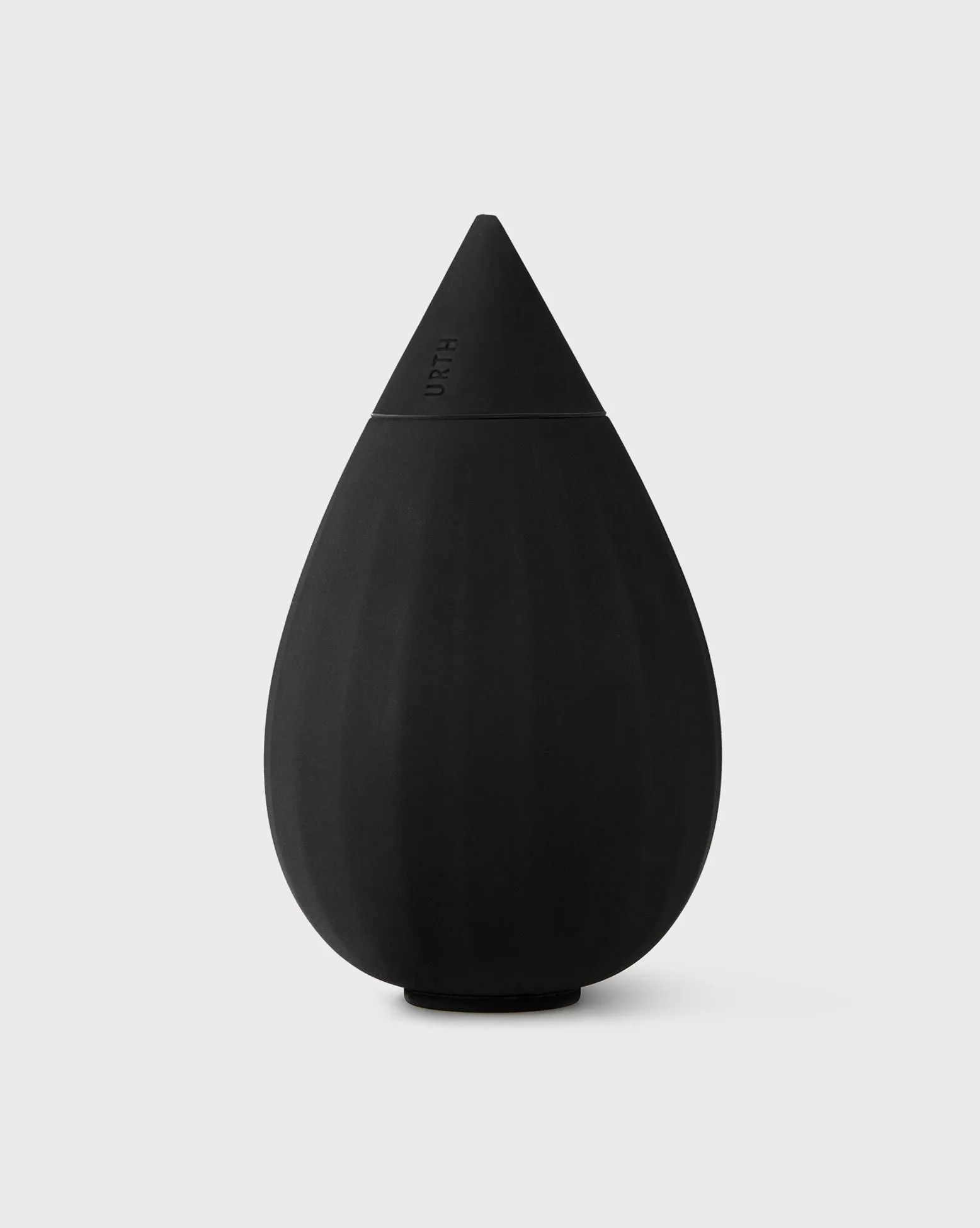
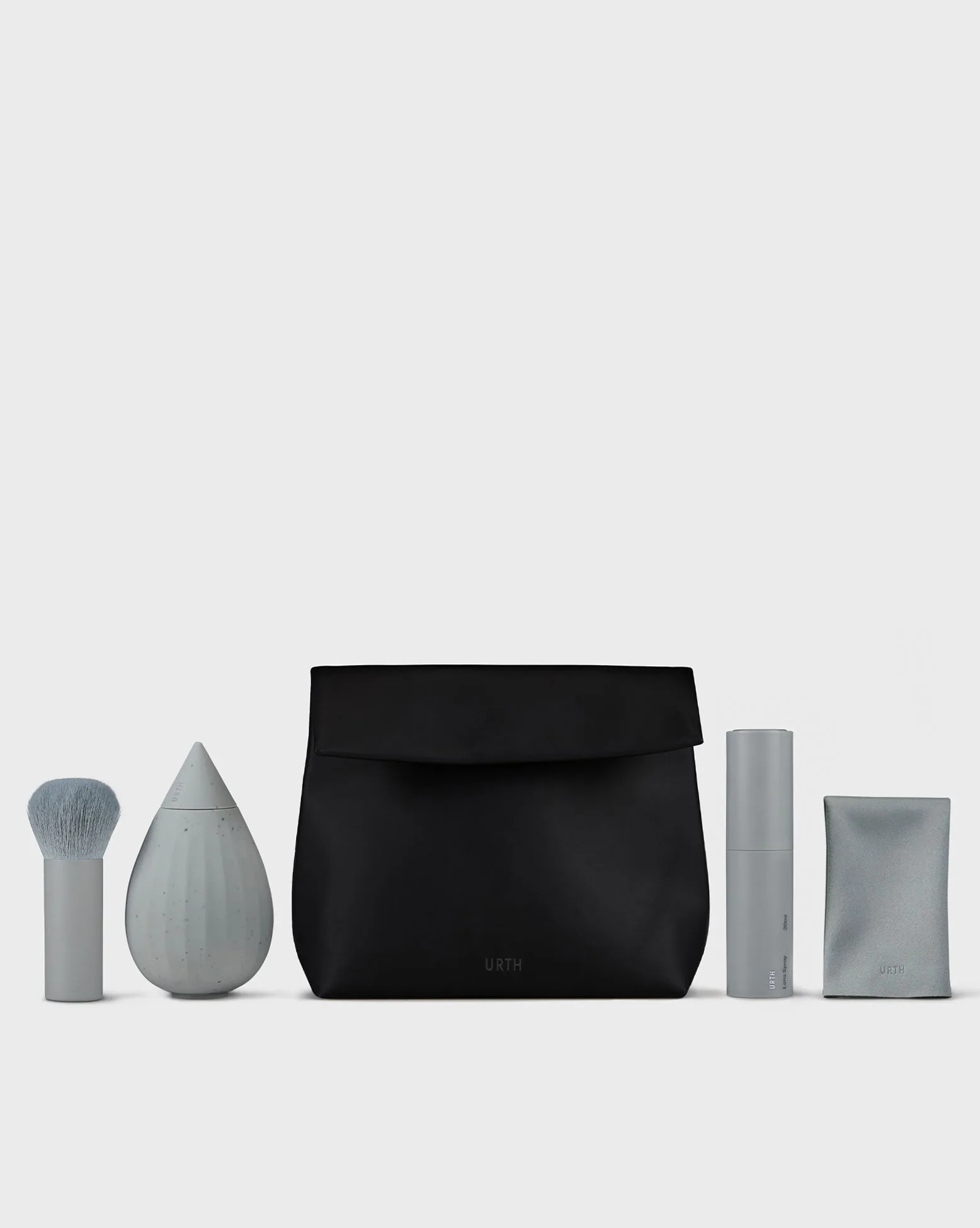
Dust and fingerprints are the most common cause of soft, low-contrast weekend photos, and they are also the easiest problem to fix on location. A field-ready kit should cover the full sequence: blow off loose grit, brush away what the blower misses, then use a spray and microfibre cloth for a streak-free finish. The Urth Lens Cleaning Kit packages those four steps into one compact system and is formulated to be safe on nano-coated glass, which matters if your lenses or filters use modern coatings.
Do not substitute a shirt or a dry tissue for a microfibre cloth. The trade-off with any wet cleaning is that you need a clean cloth and a moment out of the wind; if conditions are bad, blow and brush only, then do a wet clean back at the hotel.
Packing cube: structure beats extra padding
A packing cube is not a camera bag replacement. It is a way to stop small accessories from migrating to the bottom of your bag and to keep dirty or wet items away from clean ones. Look for a lightweight recycled ripstop nylon cube that holds its shape when empty, because a cube that collapses is hard to load one-handed. The Urth Aerolite Packing Cube L is built for that job and is sized to align with Urth backpacks, so it slides in rather than fighting the internal shape.
The honest limitation: a packing cube adds a small amount of bulk and weight, and it does not protect a lens from a hard drop. If your bag already has dedicated dividers, you may only need a small cube for cables, batteries, and cards.
Carabiner: utility, not load-bearing
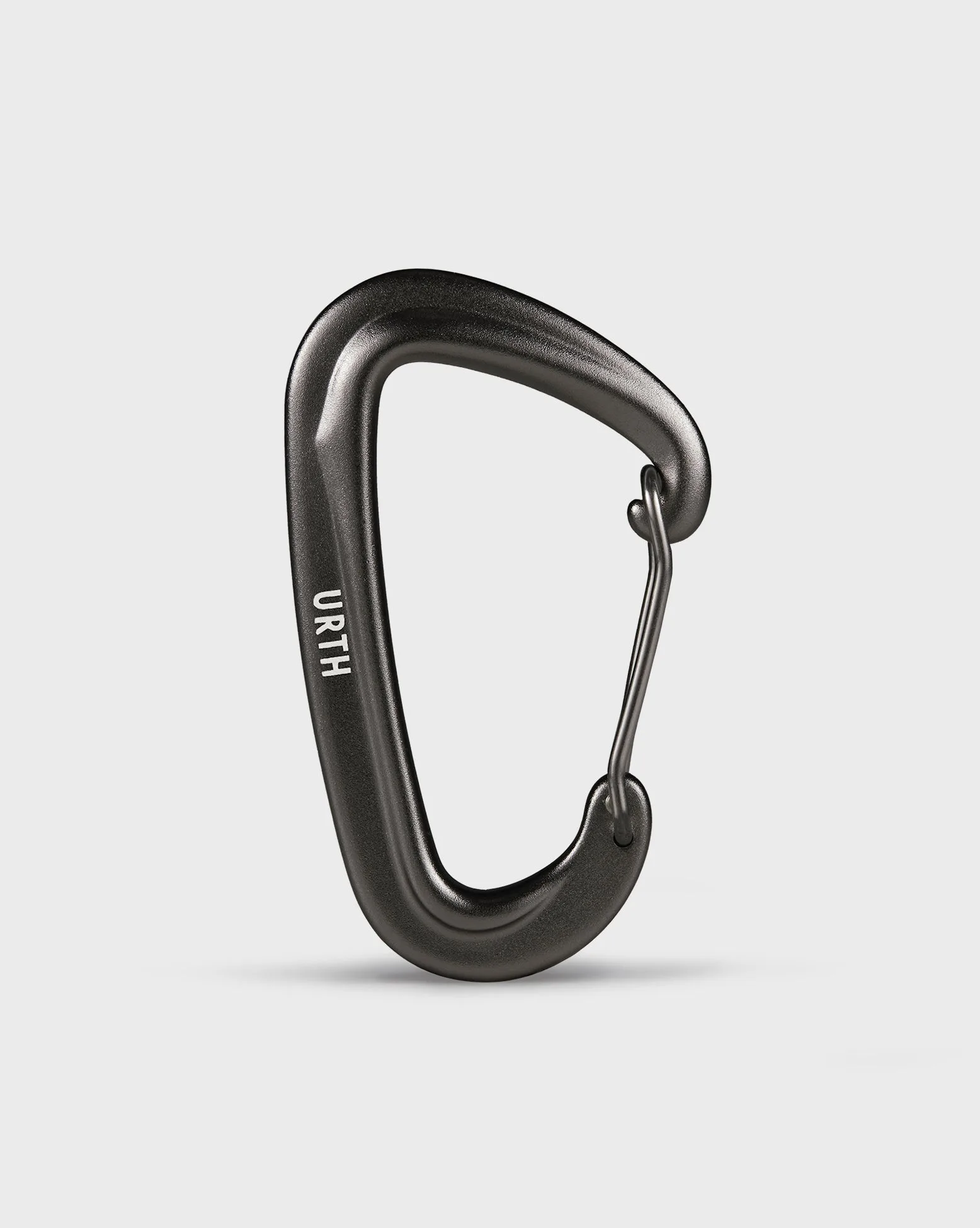
A carabiner is the cheapest way to keep a small pouch, water bottle, or tripod strap from rolling around inside your bag or from being left on a cafe table. The Urth Carabiner is precision-machined from lightweight, recyclable 7075 aluminium with a space grey anodised finish, and it is corrosion-resistant enough for everyday utility. It is explicitly not for climbing or load-bearing use, so treat it as an organiser, not as safety equipment.
The trade-off is that a metal carabiner can scratch a camera body if it shares an unpadded pocket. Clip it to an external loop or to a soft pouch rather than letting it rattle against a lens.
What to leave at home
A weekend trip is short enough that every item should have a job. Leave the second tripod, the full filter set you will not use, and the spare body you are afraid to carry. If you cannot name the shot that requires an item, it stays home. The exception is a second battery and a second memory card: those are cheap insurance against a dead camera on day two.
Decision rules for packing camera accessories
- If you shoot in bright sun or near water: Pack a dedicated lens hood that fits your most-used lens, even if it adds length to the bag. Shading and impact protection beat a slightly smaller kit.
- If you change lenses outdoors: Carry a blower, brush, and microfibre cloth in one pouch so you can clean without a full teardown. A compact cleaning kit prevents most soft-photo problems.
- If your bag has no internal dividers: Use a packing cube sized to your bag to separate accessories from clothing and to stop small items migrating. Structure is more useful than extra padding on a short trip.
- If you need to attach a pouch or bottle: Use a carabiner on an external loop, and keep it away from bare camera bodies to avoid scratches. Organise with it, but never trust it with anything that could fall.
Product facts
- Sony FE 24/40/50mm G Lens Hood Kit: The Sony FE 24/40/50mm G Lens Hood Kit delivers dedicated protection and precise shading for select Sony G Series and Zeiss lenses, with an ultra-light alloy construction and a snap-on bayonet mount. It fits specific compact full-frame lenses, so check your lens model before buying; the bayonet mount means fast on-and-off without threading.
- Lens Cleaning Kit: The Urth Lens Cleaning Kit is a compact, field-ready 4-in-1 system with a silicone air blower, ultra-fine dust brush, plant-based spray, and microfibre cloth, and is safe for nano-coated glass. It covers the full dust-to-smudge sequence in one pouch, so you can clean a lens or filter on location without carrying separate tools.
- Aerolite Packing Cube L: The Urth Aerolite Packing Cube L is made from lightweight recycled ripstop nylon and is designed to align seamlessly within Urth backpacks, with four sizes available across the range. It adds structure without much weight, and the size alignment means it fits a known bag shape rather than wasting space.
- Carabiner: The Urth Carabiner is precision-machined from lightweight, recyclable 7075 aluminium with a space grey anodised finish, and is not for climbing or load-bearing use. It is a small organiser for attaching gear or essentials, not a safety device, so use it for pouches and bottles rather than anything that could fall.
Who this checklist fits
Best for
- Photographers taking a two- to three-day trip with one camera and one or two lenses
- Shooters who want a small, purposeful accessory set rather than a full studio kit
- Travelers whose bag has limited internal organisation
Not for
- Photographers who need a full multi-body, multi-light setup for a commercial shoot
- Anyone looking for a load-bearing carabiner or climbing-rated hardware
- Shooters who already carry a fully divided camera bag and do not need extra pouches