Quick answer
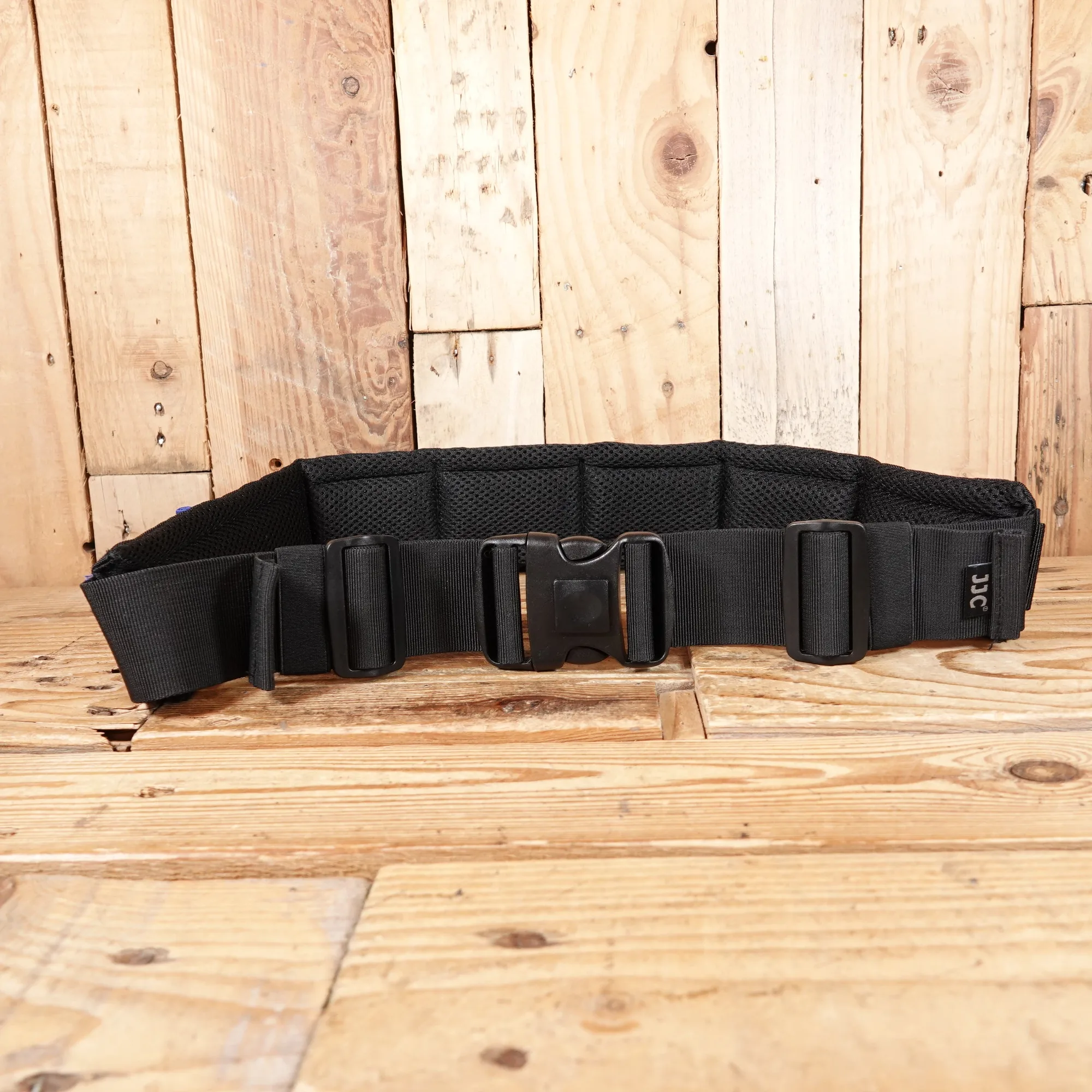
Choose a camera backpack when you need to carry weight for long distances, such as travel days or hiking, because two shoulder straps distribute load and leave your hands free. Choose a shoulder bag when fast access and low profile matter more than capacity, such as street photography or short walks. If you often switch between the two, a belt-based system like the Used JJC Lens Belt with 3 Lens Pouches can supplement either bag for extra lens carry.
How load and distance decide the bag
The single biggest factor is how long you carry the bag and how much it weighs. A camera backpack for hiking or a full travel day puts weight on both shoulders and your hips, which reduces fatigue over hours. A shoulder bag for street photography keeps weight on one side, which is fine for a body and one lens but becomes uncomfortable as you add telephoto glass or a second body. If your typical outing is under two hours and you carry one camera plus one spare lens, a shoulder bag is often enough. If you carry a tripod, multiple lenses, or a laptop, a backpack becomes the more practical choice.
Access speed and security trade-offs
Shoulder bags win on access: you can swing the bag to your front and change lenses without taking it off. That matters for street photography, where moments pass quickly. Backpacks usually require you to remove the bag or use side-access panels, which slows you down. On the other hand, a backpack worn on both shoulders is harder for a thief to snatch and keeps your gear centered and stable. In crowded tourist areas, a backpack with lockable zips or a bag worn to the front can be more secure than a shoulder bag hanging at your side.
Weather, terrain, and stability
On uneven ground, a backpack stays put because it is strapped to your torso, while a shoulder bag swings and can throw off your balance. For hiking, that stability plus free hands for poles or scrambling makes a backpack the safer option. Shoulder bags are easier to keep dry under a rain jacket or to tuck under an arm during a downpour, but many backpacks include rain covers. If you shoot in dusty or sandy environments, a backpack keeps gear higher and away from splashes, while a shoulder bag sits lower and may pick up more dirt. Neither type is inherently waterproof unless the manufacturer states it.
Capacity and organization for different kits
Backpacks generally offer more volume and dividers for multiple lenses, a flash, and personal items. Shoulder bags tend to be shallower and better for a minimal kit. If you want to expand either setup without buying a new bag, a lens belt can hold extra lenses and keep them accessible. The Used JJC Lens Belt with 3 Lens Pouches is one example: it carries three padded pouches on a belt, which can supplement a shoulder bag when you need a third or fourth lens but do not want a larger bag. It is not a substitute for a main bag because it does not protect a camera body or carry personal items.
Trade-offs at a glance
- Carry comfort over distance: A backpack distributes weight across both shoulders and hips, which reduces strain on long walks. A shoulder bag concentrates weight on one side and becomes tiring as load increases. If you walk more than two hours with a full kit, choose a backpack.
- Access speed: A shoulder bag lets you reach your camera or change lenses without removing the bag. A backpack usually requires removing it or using side access, which is slower. For street photography or events where moments are brief, a shoulder bag is faster.
- Stability and hands-free use: A backpack stays close to your body on uneven ground and leaves both hands free. A shoulder bag can swing and shift, and you may need a hand to steady it. For hiking or cycling, a backpack is the safer, more stable option.
Product facts that affect your choice
- Used JJC Lens Belt with 3 Lens Pouches: The Used JJC Lens Belt with 3 Lens Pouches is a belt system with three padded lens pouches sized for standard telephoto lenses, designed to keep lenses accessible and cushioned. If you use a shoulder bag for street photography but occasionally need extra lenses, this belt adds capacity without forcing you into a larger backpack. It also keeps lenses on your waist, so you can change lenses without removing your main bag.
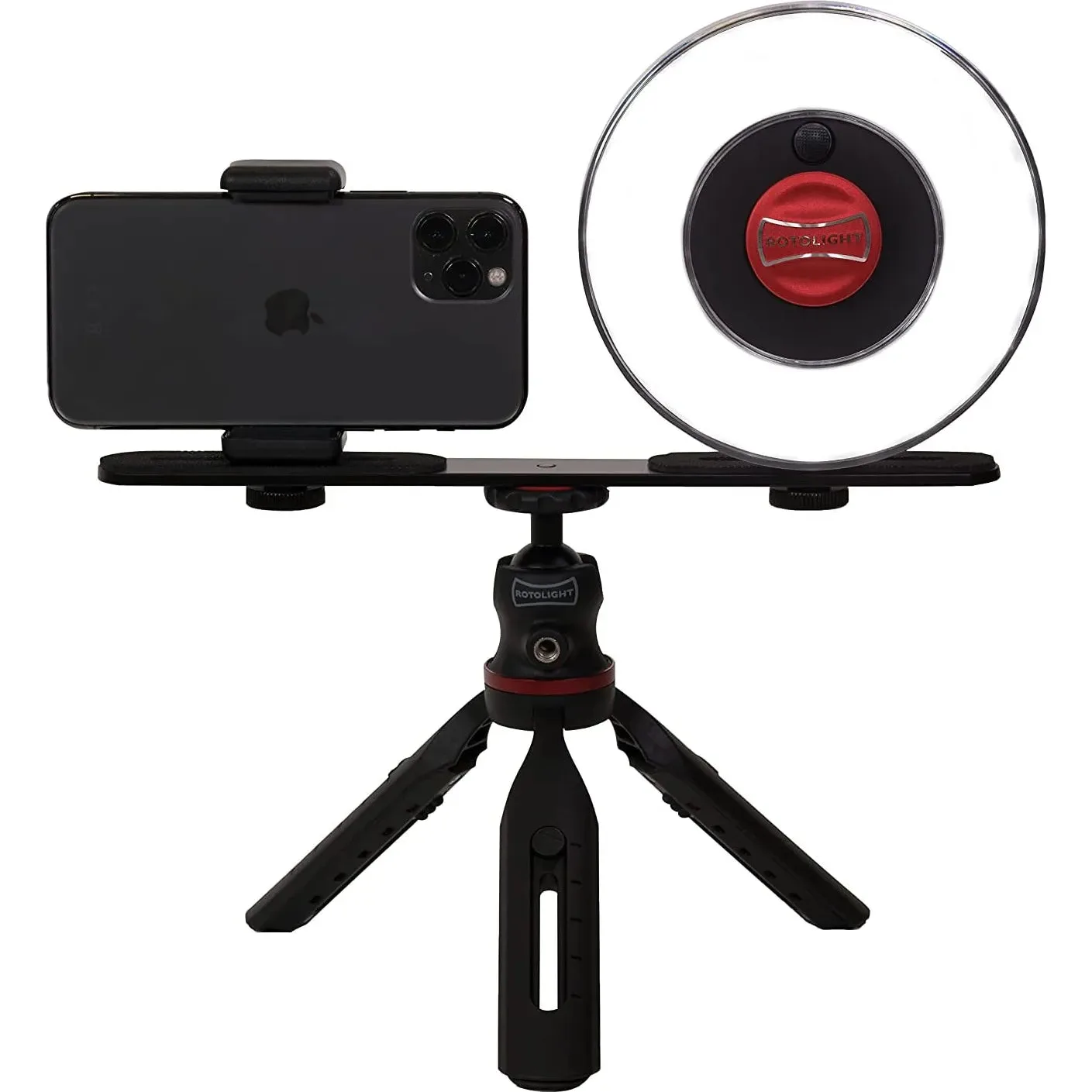
- Rotolight Ultimate Vlogging Kit: The Rotolight Ultimate Vlogging Kit includes the RL48-B Stealth ring light, a mini desktop tripod, and accessories, and is described as quick to set up for video at home or on the go. If you shoot video or vlog, the bag you choose must fit a small light and tripod. A shoulder bag with a wide main compartment can hold this kit for quick indoor or street setups, while a backpack may be better if you also carry a larger camera and sound gear.
Which should you choose?
Choose a camera backpack if you:
- Carry a full kit with multiple lenses, a tripod, or a laptop for travel or hiking
- Need hands-free carry and better weight distribution for long days
- Want gear centered and stable on uneven terrain
Choose a shoulder bag if you:
- Shoot street photography or events where fast access matters most
- Carry a light kit and prefer a low-profile bag that stays out of the way
- Want to change lenses without removing the bag from your shoulder