Quick answer
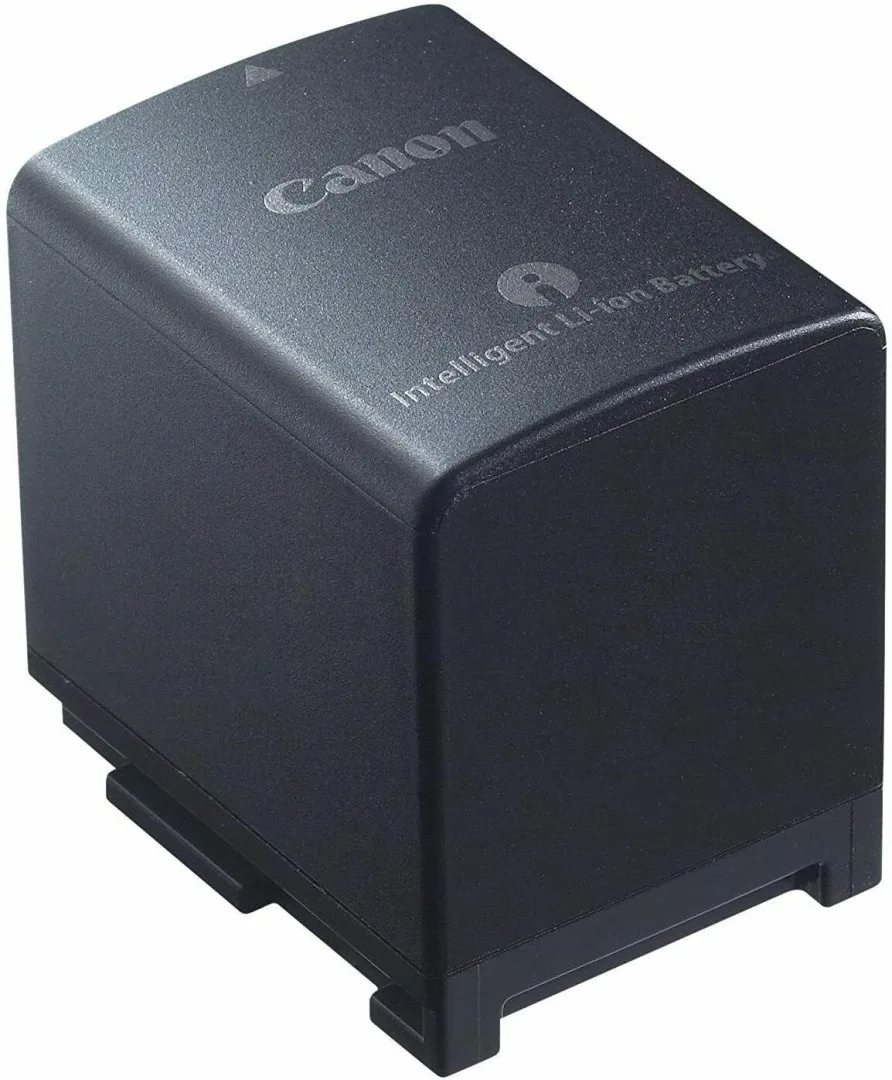
Most camera lithium-ion batteries last longest when you keep them between roughly 20% and 80% charge, avoid heat, and charge them before long storage rather than leaving them flat. If a battery swells, gets hot, or shows physical damage, stop using it immediately and replace it with a fresh, compatible pack such as the Canon BP-820.
Why your camera battery dies faster than it should
Lithium-ion cells lose capacity for two main reasons: age and stress. Age is unavoidable, but stress comes from heat, deep discharges, and sitting at 100% or 0% for weeks. A battery left in a hot car or on a charger overnight in a warm room will fade faster than one used and stored at moderate temperatures. If your battery is a few years old and suddenly drains in half the usual shots, the cell chemistry has likely degraded and no charging routine will bring it back.
Camera battery charging tips that actually help
Charge before you shoot, not after you finish. A battery that sits at 100% for days loses capacity slightly faster than one that sits at 50%. If you know you will not use a battery for a month or more, charge it to about half, remove it from the camera, and store it in a cool, dry place. Avoid charging a hot battery straight from a sunny shoot; let it cool to room temperature first. Use the charger designed for your camera brand when possible, because generic chargers may not follow the correct voltage curve.
Camera battery storage: the 50% rule and where to keep them
For storage longer than a few weeks, aim for roughly 50% charge. Keep batteries in a dry place away from direct sun, radiators, and car trunks. A dedicated battery case prevents terminals from touching metal objects like keys or coins, which can cause a short. If you own several batteries, rotate them so no single pack sits unused for years. Label them with the purchase date if you want to track which ones are aging out.
Battery swelling prevention and what to do if it happens
Swelling is a safety issue, not a performance quirk. It usually starts with heat, overcharging, or a physical impact. To prevent it, never leave a battery on a charger for days, never puncture or crush a pack, and stop using any battery that gets unusually hot during normal use. If you notice a bulging case, a battery that no longer fits smoothly into the camera, or a swollen phone-style pack, stop using it immediately. Do not try to discharge or 'fix' a swollen battery. Dispose of it at a proper battery recycling point and replace it.
Diagnosis: match the symptom to the fix
- Battery drains much faster than when new: Capacity loss from age and heat stress. Check the purchase date; if it is over two years old and runtime has dropped by half, replacement is the practical fix. If the battery is old and holds less than half its original shots, replace it.
- Battery gets hot during charging or use: Heat is the leading cause of long-term damage. Let it cool before charging, charge at room temperature, and stop using any pack that becomes hot without a heavy load. If it stays hot after cooling, stop using it.
- Battery case is bulging or fits tightly: Swelling means the cell is failing. Do not charge, discharge, or force it into the camera. Remove it and recycle it at a proper facility. Swollen batteries are a safety risk; replace immediately.
A compatible replacement to consider
- Canon BP-820 Battery Lithium-Ion 1700mAh: Canon BP-820 Battery Lithium-Ion 1700mAh, in stock with 1 year warranty and free UK delivery. A fresh, correctly specified pack restores normal runtime when an old battery has degraded or swollen, and the warranty covers manufacturing defects.