Quick answer
Treat every camera battery as a consumable with a clock: charge it before a shoot, store it at roughly half charge when idle, and keep it cool. For an LP-E6P, use a Canon LC-E6 or LC-E6E charger and avoid deep discharges; for V-mount packs, match the charger to the pack's chemistry and never store them fully charged for months. The goal is fewer full cycles and less heat, not a complicated ritual.
Why camera batteries age even when you barely use them
Lithium-ion cells lose capacity through two main paths: charge cycles and calendar time. A cycle is not just one charge from empty to full; it accumulates as you top up. Heat accelerates both paths, which is why a battery left in a hot car or on a charger overnight ages faster than one stored cool at half charge. Voltage matters too: a cell held at 4.2 V per cell for weeks sits under more stress than one resting near 3.7–3.8 V. You cannot stop aging, but you can slow it enough that a spare LP-E6P or V-mount stays useful for years instead of months.
Charging habits that actually extend LP-E6P battery life
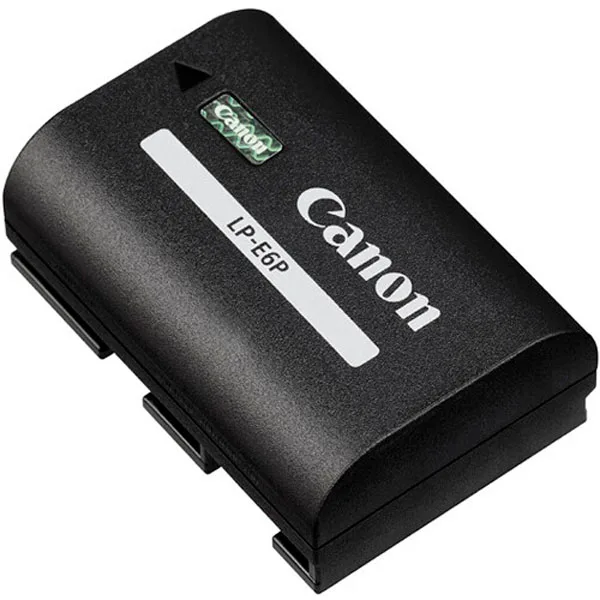
The Canon LP-E6P is a high-current lithium-ion pack designed for cameras such as the EOS R5 Mark II, and it is compatible with the Canon LC-E6 and LC-E6E chargers. Using those chargers matters because they follow the pack's charge profile rather than forcing a generic current. In practice, the best routine is to charge before a shoot, not after every use. If you shoot a few hundred frames and the battery is still above 40%, leave it. Repeatedly topping a nearly full pack adds cycles and heat for almost no runtime gain. When you do charge, let the pack cool first if it came out of a warm camera or a long video take. Charging a hot battery is one of the most common ways people shorten LP-E6P life without realizing it.
Lithium-ion battery storage: the half-charge rule
For any lithium-ion camera battery, storage voltage is the single biggest lever you control. If a battery will sit unused for more than a few weeks, bring it to roughly 50% before putting it away. Full storage stresses the cell; empty storage risks over-discharge, which can push a pack below its protection threshold and make it unrecoverable. Keep packs in a cool, dry place, ideally between 15°C and 20°C (59°F–68°F), and away from direct sun. A labeled case or a simple zip bag per battery prevents terminal contact and makes it easy to rotate stock. Check stored packs every two to three months and top them back to about half if they have drifted down.
V-mount battery maintenance for heavier rigs
V-mount packs live harder lives than small camera batteries: they power monitors, lights, and sometimes the camera itself, so they see deeper discharges and more heat. The same half-charge storage rule applies, but the charger matters more. Use a charger rated for the pack's voltage and chemistry, and avoid daisy-chaining or using a charger that runs hot. If your V-mount has a display or fuel gauge, trust it for a rough state of charge but verify with a known load before a paid shoot. Never store a V-mount at 100% for months; if you charged it for a job that got cancelled, discharge it to about half with a light or a dummy load before shelving it.
Camcorder battery care: heat, depth of discharge, and rotation
Camcorders and hybrid cameras used for long interviews or events put batteries through sustained discharge, which builds heat. If you run a pack down to shutdown every day, you are adding full cycles quickly. Rotate two or three packs instead of relying on one, and swap when the gauge hits roughly 20–30% rather than waiting for a forced shutdown. That single habit reduces depth of discharge and spreads wear. Also check the contacts: a dirty terminal on a camcorder can cause intermittent power and make a healthy battery look dead. A dry cotton swab on the contacts, with the battery removed, is enough.
A seven-step camera battery care routine
- 1. Label and date every pack: Write the purchase month and year on a piece of tape on each battery. You cannot judge aging without a baseline. Common mistake: mixing old and new packs with no record, then blaming the camera when runtime drops.
- 2. Charge with the specified charger: For the LP-E6P, use a Canon LC-E6 or LC-E6E. For V-mounts, use a charger rated for the pack's voltage and chemistry. Checkpoint: if the charger gets uncomfortably hot, stop and check compatibility.
- 3. Let hot packs cool before charging: After a long video take or a full-day event, wait until the pack is near room temperature. Heat plus charging is the fastest way to age a cell. Common mistake: dropping a hot battery straight onto the charger at the end of a shoot.
- 4. Avoid routine deep discharges: Swap at roughly 20–30% on cameras with a gauge. Save full rundowns for when you genuinely need every minute. Checkpoint: if you hit forced shutdown daily, add a spare pack to your rotation.
- 5. Store idle packs at about half charge: For storage longer than a few weeks, bring lithium-ion packs to roughly 50% and keep them cool and dry, ideally 15–20°C. Common mistake: storing fully charged for months, or storing empty and risking over-discharge.
- 6. Rotate stock every two to three months: Check stored batteries, top them back to about half if needed, and cycle through your oldest packs first on real shoots. Checkpoint: a pack that self-discharges unusually fast is a candidate for retirement, not a backup.
- 7. Clean contacts and retire honestly: Wipe terminals with a dry swab. When a pack delivers noticeably less runtime than a labeled sibling, stop trusting it for paid work. Next step: replace the weak pack and keep it as a low-stakes spare, not a primary.
Product facts worth knowing
- Canon LP-E6P – Batterie: The Canon LP-E6P is a high-intensity lithium-ion rechargeable battery, originally designed to power the Canon EOS R5 Mark II, and is compatible with Canon LC-E6 and LC-E6E chargers. Using the specified chargers and avoiding deep discharges helps preserve the pack's high-current performance for video and stills.
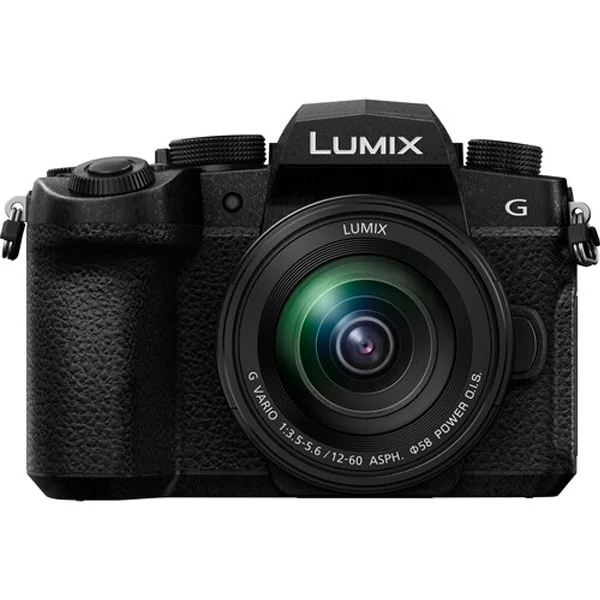
- Panasonic Lumix DC-G97 + 12-60mm f/3.5-5.6 – Kit Photo: The Panasonic Lumix DC-G97 kit includes a 20.3 MP Live MOS Four Thirds sensor without a low-pass filter and a 12–60mm f/3.5–5.6 lens. This camera uses a different battery type than the LP-E6P, so keep chargers and spares clearly separated if you run multiple systems.
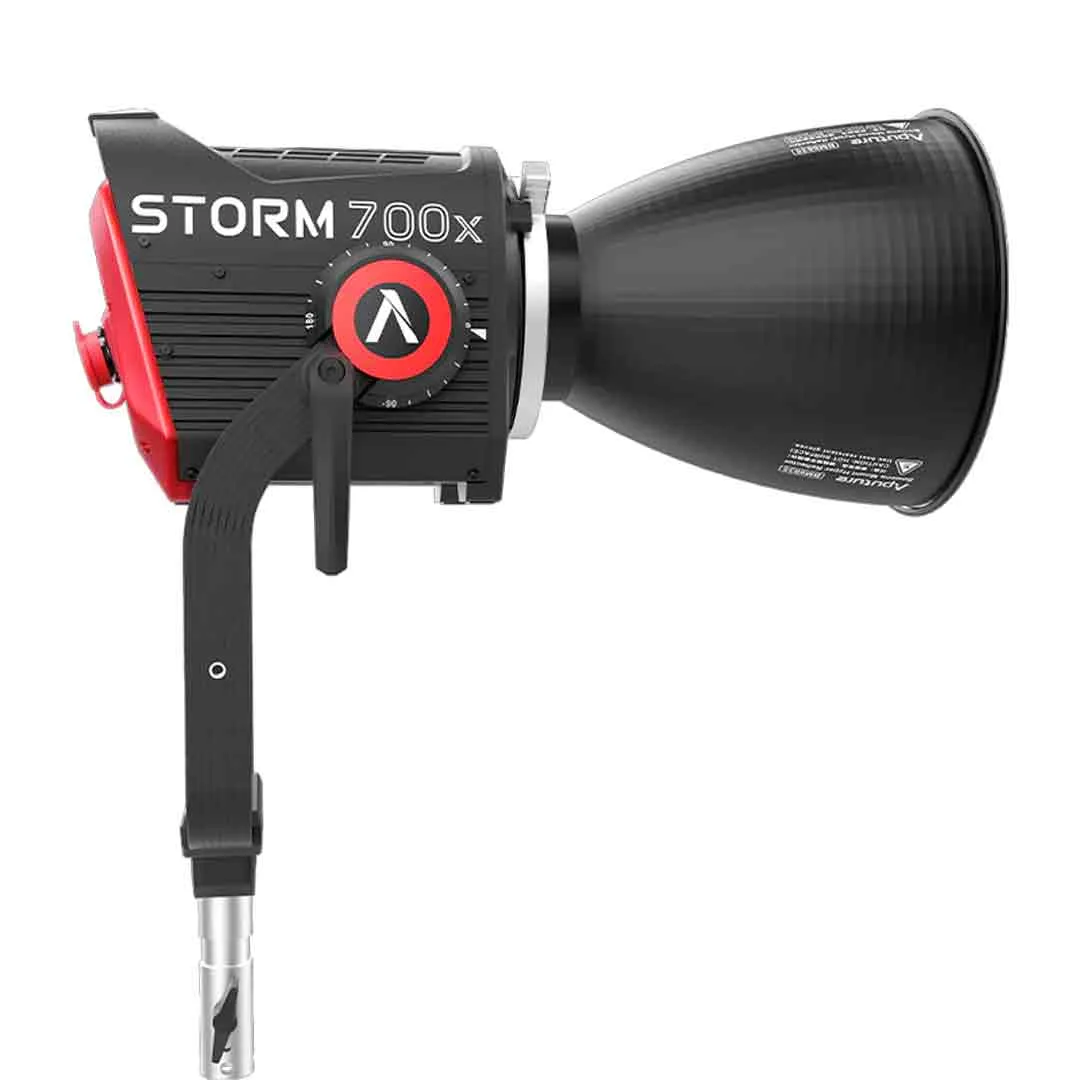
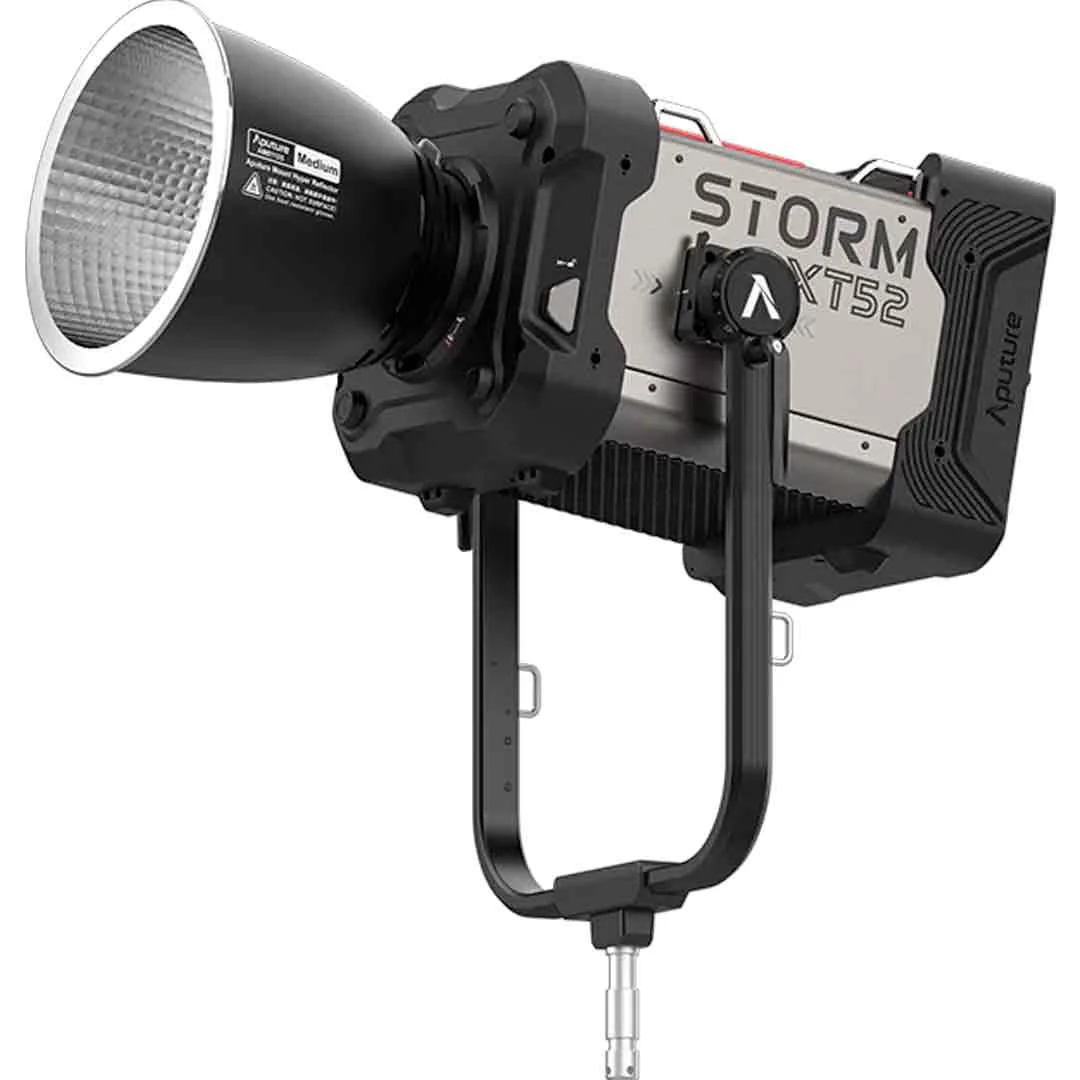
- Aputure STORM 700x – Projecteur LED: The Aputure STORM 700x is a tunable-white point-source LED projector with a BLAIR chipset, 700 W of power, and is aimed at cinema, broadcast, and audiovisual production. High-output LED fixtures often run on V-mount or block batteries, making correct V-mount storage and charging part of the same care routine.