Quick answer
Most fast battery drain comes from three things: high-draw settings you forgot were on, cold or hot shooting conditions, and a cell that has simply aged out. Work through those in order. If a healthy, correctly charged battery still dies in a fraction of its normal time, replace it rather than trying to revive it.
Check the settings that quietly eat power
Before blaming the battery, look at what the camera is doing. Wi-Fi and Bluetooth kept on for phone transfer, continuous autofocus, in-body stabilization, long exposure preview, and a bright rear screen all pull current continuously, even between shots. Image review after every frame and a screen that stays on for 30 seconds instead of 5 add up over a full day.
Turn off wireless when you are not transferring, shorten the auto-review and sleep timers, and switch to the viewfinder for framing where it suits your shooting. These changes cost nothing and often recover a meaningful share of runtime. If you shoot with flash, remember that a speedlight's own power source is separate from the camera battery, so flash use is not what is draining your camera body.
Temperature and storage change real runtime
Lithium-ion cells deliver less usable capacity in the cold. A battery that shows full indoors can drop quickly on a winter shoot, then recover as it warms, which makes the drain look worse than it is. Keep spare cells in an inside pocket rather than a cold bag, and swap in a warm one when performance sags.
Heat is the opposite problem and does lasting damage. Leaving a battery in a hot car, charging it immediately after heavy use, or storing it at full charge in a warm place all accelerate the internal aging that shows up later as fast drain. Let cells cool before charging and store them at a moderate charge if they will sit unused for weeks.
Match the battery to the body and its age
A battery only performs as expected when it is the correct type for the camera and in good condition. Capacity is finite and declines with every full cycle, so a cell that has been through years of charging will hold noticeably less than when new, even if it still charges to 100 percent on the display.
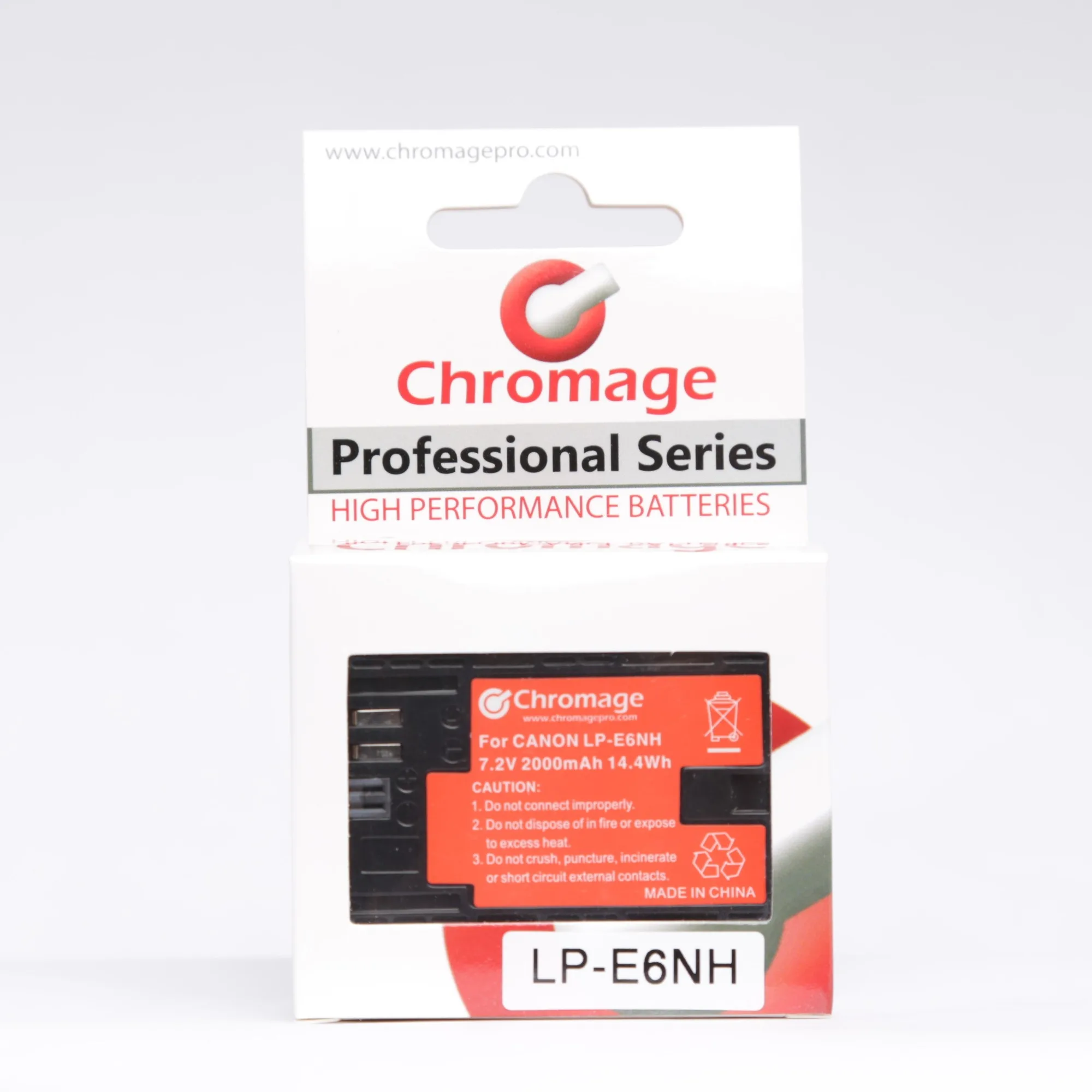
If you run a Canon DSLR, check that you are using the right pack for your model and keep a charged spare on hand for long days. A fresh, correctly specified battery is usually the fastest fix once settings and temperature have been ruled out.
Diagnose your drain in four steps
- Symptom: drops fast only in certain conditions: Runtime falls off in cold weather or on long days with wireless and screen use, then improves indoors or with settings trimmed. This is normal behavior, not a faulty battery. Adjust settings and keep spares warm.
- Symptom: charges to full but empties quickly: The pack reaches 100 percent on the charger yet delivers a fraction of its original runtime across several sessions. The cell has aged. Replace it with the correct type for your body.
- Symptom: camera shows an error or the battery swells: The body rejects the pack, or the casing is visibly bulging or damaged. Stop using it and dispose of it safely. Do not keep charging a swollen cell.
- Symptom: new, correct battery still drains fast: A fresh pack of the right specification performs the same as the old one, with settings and temperature ruled out. The issue is likely in the camera body. Have it serviced rather than buying more batteries.
Battery and power options at Red Dot Photo
- Chromage LP-E6N battery for Canon DSLRs: Chromage LP-E6N battery for Canon DSLRs: 1800 mAh, lithium-ion, 7.4 VDC, compatible with Canon EOS 7D Mark II, 7D, 5DS, 5DS R, 5D Mark IV, 5D Mark III, 5D Mark II, 60D, 60Da, 70D, 80D, 6D, and 6D Mark II. If your camera is on that list, this is a direct replacement path when an old cell no longer holds a useful charge, and a spare keeps a long shoot running.
- Godox V1 Pro Speedlight TTL HSS 1/8000s Li-ion Battery Speedlite Flash: Godox V1 Pro Speedlight TTL HSS 1/8000s Li-ion Battery Speedlite Flash, available in Sony, Canon, and Fuji versions. Its Li-ion battery powers the flash, not the camera, so heavy flash use will not explain a camera body draining fast. If you were about to replace a camera battery over flash-heavy days, check the flash's own power first.