Quick answer
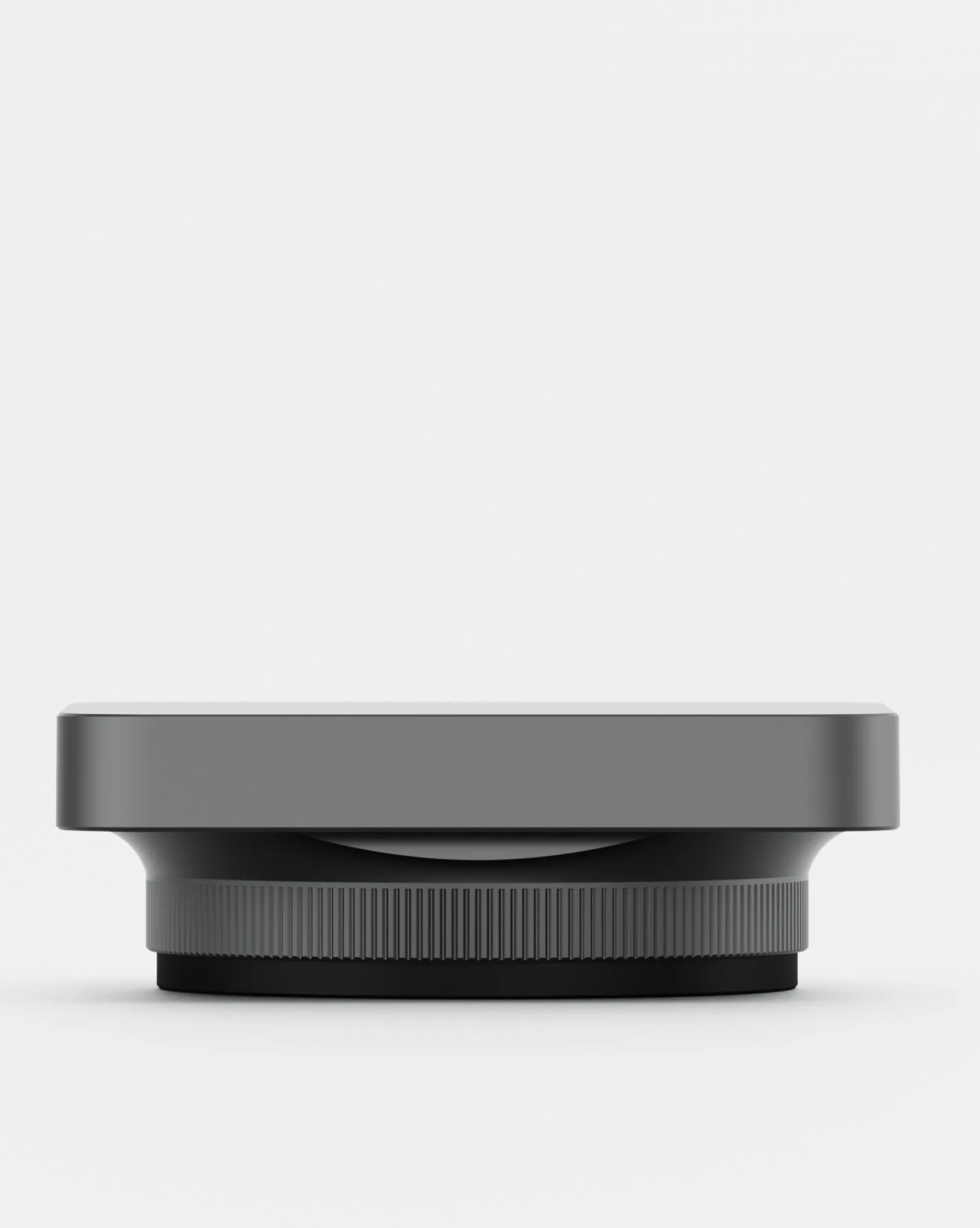
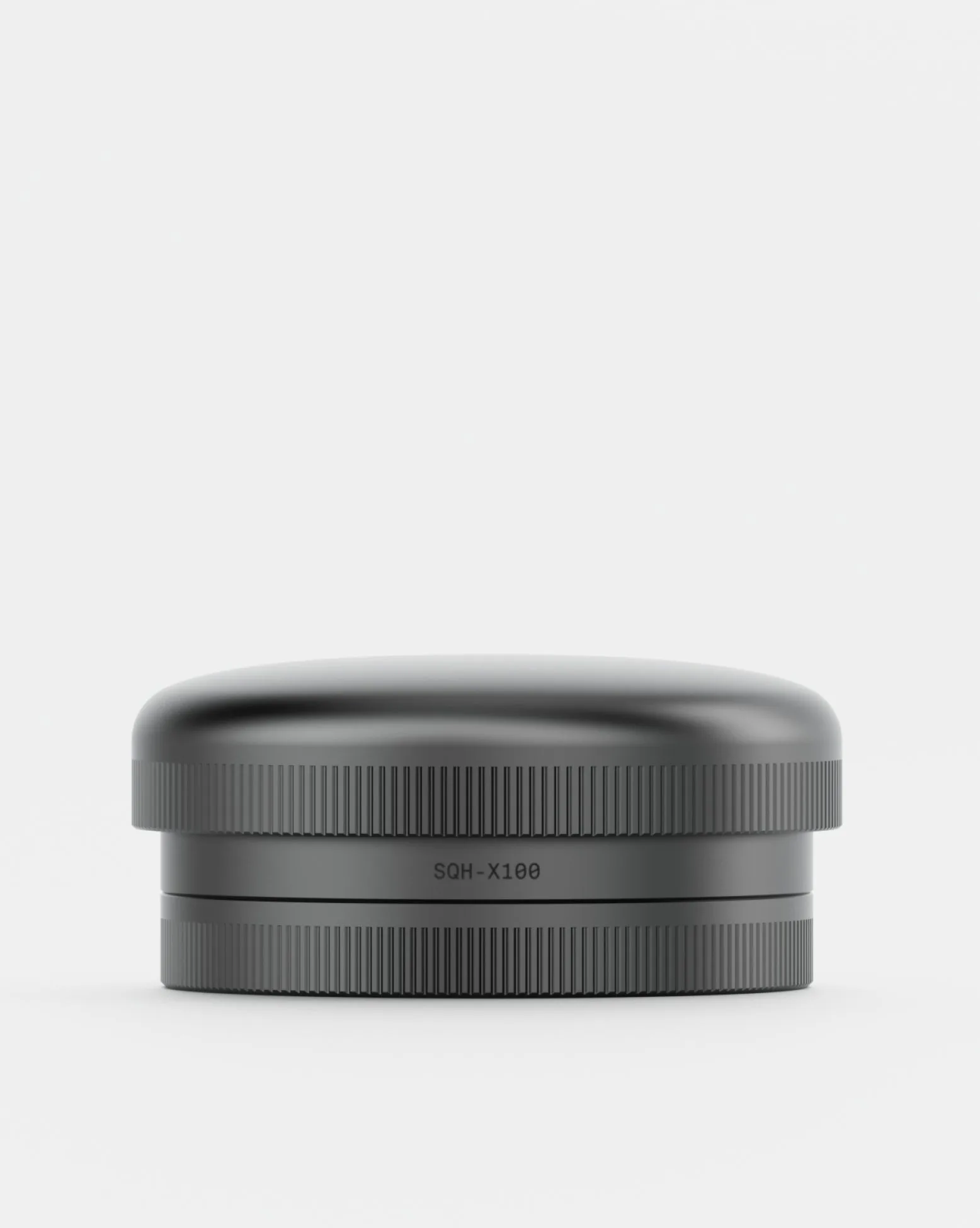
Use a lens hood whenever strong light could hit the front element or when the lens needs impact protection. A dedicated kit is worth buying if you shoot outdoors often, want a secure factory-style fit, and prefer not to improvise with a generic hood. For Fujifilm X100 V/VI owners, the Fujifilm X100 (V/VI) Lens Hood Kit is the direct fit. For select Sony FE 24mm, 40mm, and 50mm G lenses, the Sony FE 24/40/50mm G Lens Hood Kit is the matched option.
What a lens hood actually does
A lens hood blocks stray light from entering the front element at an angle. That light is what causes veiling flare, washed-out contrast, and ghosting in backlit or side-lit scenes. A hood also adds a physical buffer between your front element and doorways, rocks, or the inside of a bag. It is not a filter and it does not change exposure or color. Its job is to keep light and impact away from the glass you already paid for.
- Blocks off-axis light that reduces contrast
- Adds a first line of defence against bumps and rain
- Keeps fingers and straps away from the front element
- Does not replace a UV or clear filter for sealing
When to use a lens hood, and when to leave it off
Use a hood when the light source is outside the frame but near the edge: low sun, window light, stage spotlights, or a bright sky above a subject. Use it in crowds, on hikes, and in light rain where the front element is exposed. Leave it off when you need the smallest possible footprint, when you are shooting with a strong on-camera flash that the hood would shadow, or when the hood would block a built-in flash or a rotating filter you need to adjust quickly. On a gimbal or compact rig, a hood can also add length that changes balance, so test it before a paid shoot.
Lens hood vs no hood: the real trade-offs
Shooting without a hood is not automatically sharper. In controlled studio light with flags or a matte box, a hood may add nothing. Outdoors, the difference is usually contrast and flare resistance, not resolution. The cost of using a hood is size, weight, and sometimes the inability to use a certain filter or lens cap. The cost of leaving it off is more cleaning, more flare risk, and a higher chance of a costly front-element repair. If you shoot in bright, uncontrolled light, the hood earns its place.
How to choose a hood kit that fits
Fit is the whole decision. A hood must match the lens thread or bayonet, the focal length, and the way you use filters. A hood designed for a 24mm lens will be wider and shorter than one for a 50mm, because a tight hood on a wide lens causes vignetting. Dedicated kits solve this by matching the lens barrel and mount system. Check the mount type before buying: screw-on hoods thread into the filter thread, while bayonet hoods snap onto the lens barrel. If you stack filters, confirm the hood still attaches and does not clip the frame. Also confirm whether the kit includes a cap or adapter, because a hood that blocks the standard cap is a daily annoyance.
- Match the mount: screw thread or bayonet
- Match the focal length to avoid vignetting
- Check filter compatibility before you buy
- Confirm cap and storage options
Hood kits vs generic hoods
A generic rubber or plastic hood can work, but it often relies on a step-up ring, sits unevenly, or blocks the lens cap. A dedicated kit is built for one lens family, so the alignment, depth, and mount are already correct. That matters most for compact cameras like the Fujifilm X100 series, where a poorly aligned hood can cover part of the viewfinder or the built-in flash. For interchangeable lenses, a dedicated kit also keeps the hood from rotating into the frame when you focus or zoom.
Decision rules for buying a lens hood kit
- If you shoot backlit or side-lit scenes outdoors: Choose a dedicated hood kit matched to your lens mount. A secure, aligned hood blocks stray light more reliably than a loose generic hood. Prioritize flare control and fit over price.
- If you use filters often: Check that the hood attaches with your filter installed. The Sony FE 24/40/50mm G Lens Hood Kit is designed to work without compromising filter use. Test the hood with your most-used filter before a shoot.
- If you carry a compact camera like the Fujifilm X100 V/VI: Use a kit built for that body. The dual screw mount on the Fujifilm X100 (V/VI) Lens Hood Kit keeps the hood aligned and secure on a small camera. Avoid generic hoods that can shift or block the viewfinder.
- If you need the smallest possible setup: Leave the hood off when size and weight matter more than flare resistance, such as in a studio with controlled light or when using a strong on-camera flash. A hood is a tool, not a permanent accessory.
Two matched hood kits to consider
- Fujifilm X100 (V/VI) Lens Hood Kit: The Fujifilm X100 (V/VI) Lens Hood Kit uses an ultra-light alloy construction and a dual screw mount system for a perfectly aligned, secure fit on X100 series cameras. The dual screw mount keeps the hood aligned so it does not rotate into the frame or block the viewfinder, and the alloy body adds impact protection without making the camera front-heavy.
- Sony FE 24/40/50mm G Lens Hood Kit: The Sony FE 24/40/50mm G Lens Hood Kit uses an ultra-light alloy construction and a snap-on bayonet mount designed for compact full-frame systems, and it protects against impact, flare, and the elements without compromising portability or filter use. The bayonet mount makes it fast to attach and remove, and the design leaves room for filters, so you can keep a polarizer or UV filter on the lens and still use the hood.
Who should buy a lens hood kit
Best for
- Outdoor and travel photographers who shoot in bright, uncontrolled light
- Fujifilm X100 V/VI owners who want a secure, aligned hood without adapters
- Sony FE 24mm, 40mm, or 50mm G lens users who want a bayonet hood that works with filters
- Anyone who wants front-element impact protection without adding much weight
Not for
- Studio shooters who already control light with flags or a matte box
- Photographers who need the absolute smallest camera footprint and never shoot in stray light
- Users who rely on a built-in flash that a hood would shadow
- Anyone who wants one hood to fit every lens in their bag