Quick answer
Many camera sensor cleaning myths can lead to scratches, coating damage, or voided warranties. Always use sensor-specific swabs and alcohol-free cleaners, like those in VSGO kits, and never use household materials. If unsure, seek professional help.
Myth: You Can Clean a Sensor with a Microfiber Cloth
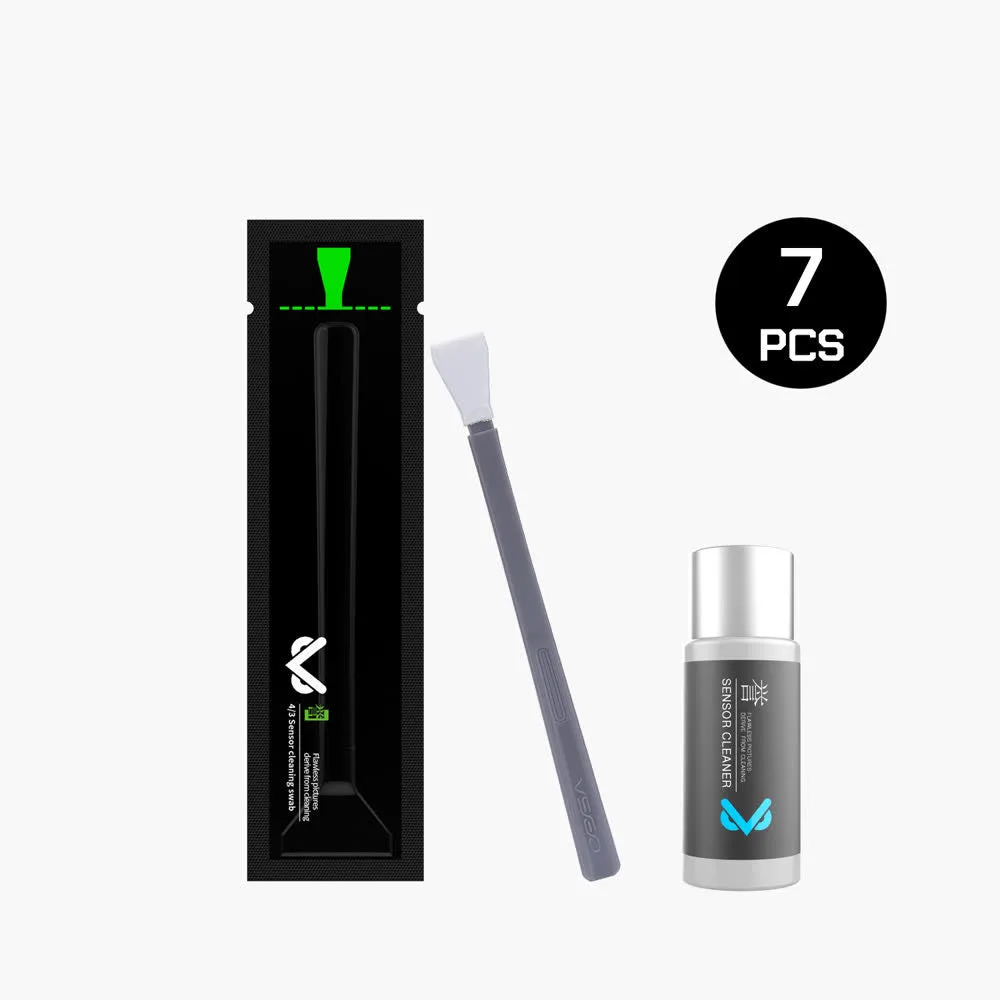
A microfiber cloth is great for lenses and camera bodies, but it is not designed for sensor cleaning. Sensor surfaces are delicate and require a swab that fits the sensor size precisely. Using a cloth can leave lint, push dust around, or even scratch the sensor cover. VSGO sensor cleaning swabs are sized for specific sensor formats, such as 4/3 or full-frame, and have soft, flexible heads that spread pressure evenly. For example, the 7-in-1 4/3 Sensor Cleaning Kit VS-S01E includes swabs perfectly fitting ILDC sensors, with an ergonomic design for comfortable use.
Myth: Any Cleaning Fluid Works on Sensors
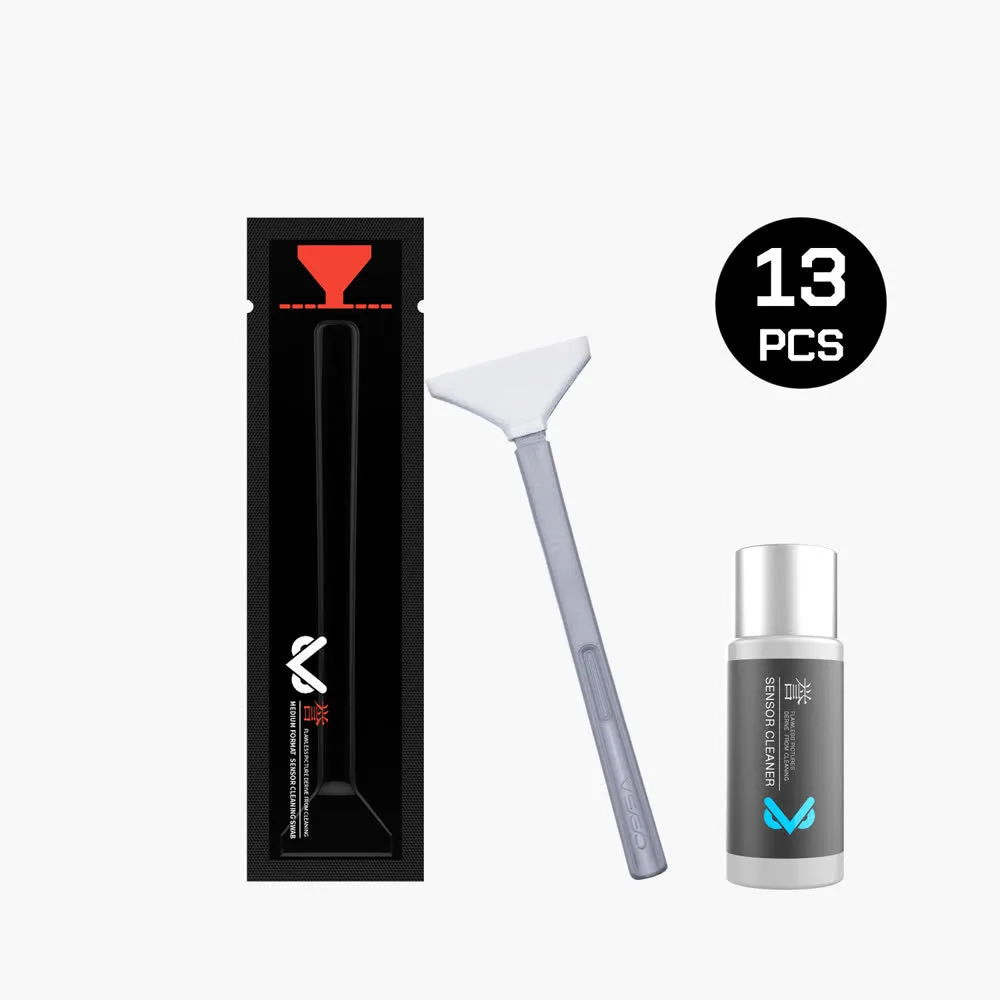
Household glass cleaners or alcohol-based solutions can damage the optical coating on your sensor. Sensor cleaning fluids must be alcohol-free and specifically formulated to be safe. VSGO sensor cleaning swabs come with a no-alcohol cleaner that protects your optical coating. The 13-in-1 Sensor Cleaning Kit VS-S04E includes a sensor cleaning fluid that strongly cleans stains without harming the sensor. Always check that your cleaning solution is intended for sensor use.
Myth: You Need to Clean Your Sensor Often
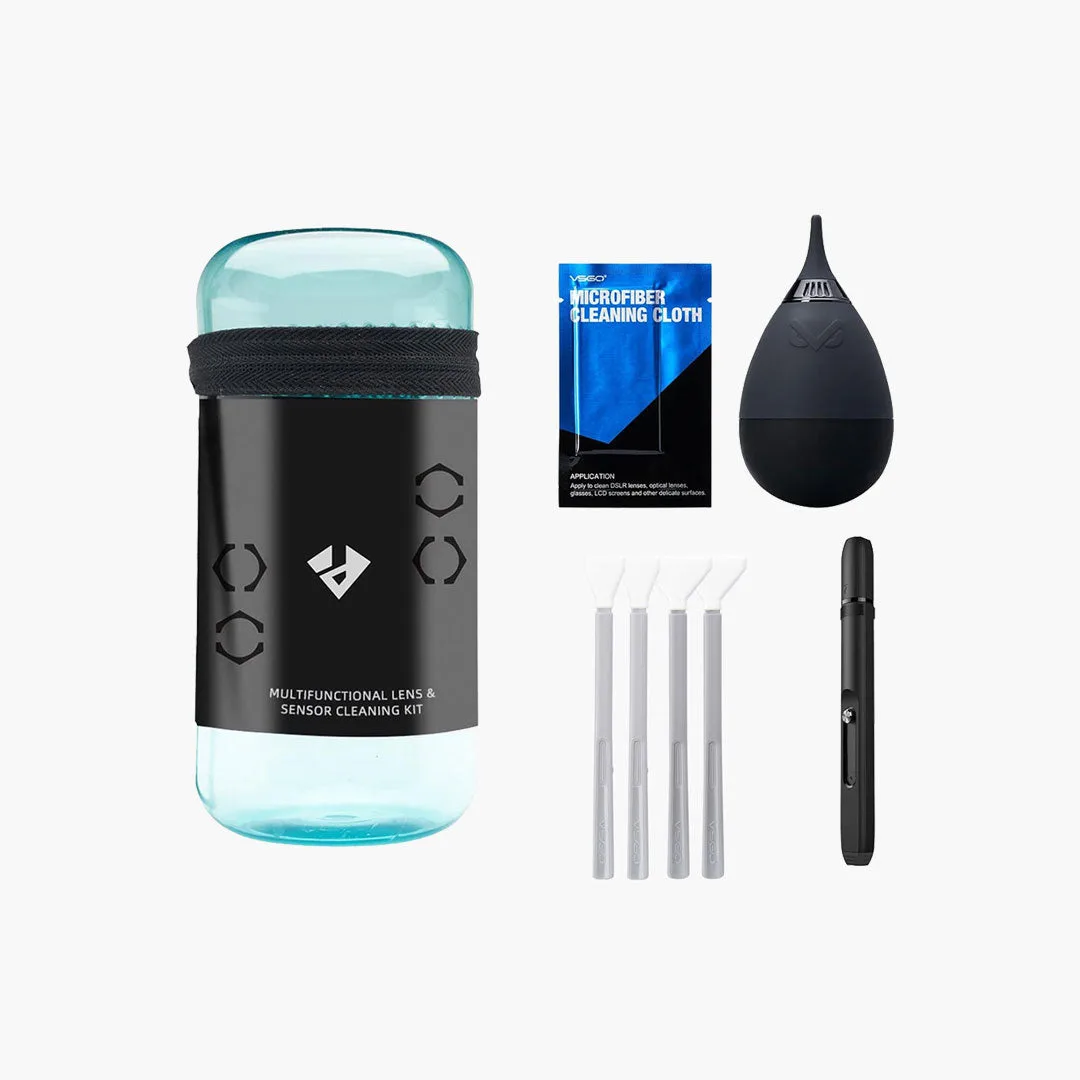
Sensors do not need frequent cleaning. Over-cleaning increases the risk of damage. Only clean when you notice dust spots in your images that do not disappear after using a blower. A tumbler-style air blower, like the one in the 8-in-1 Camera Cleaning Kit VS-A7E, can remove loose dust without touching the sensor. If spots remain, then use a sensor swab. This kit also includes swabs for both full-frame and APS-C sensors, so you have the right tool when needed.
Myth: You Can't Damage a Sensor with a Swab
Even with a swab, improper technique can cause damage. Pressing too hard or using a dirty swab can scratch the sensor cover. VSGO swabs feature a special softness design with a grip that matches ergonomics, allowing you to apply gentle, even pressure. The swab head is super soft and flexible, spreading pressure evenly and causing no damage. Always use a fresh swab and follow instructions carefully.
Myth verdicts
- Microfiber cloth on sensor: Microfiber cloths are not designed for sensor cleaning; they can leave lint and scratch the sensor. Use sensor-specific swabs like VSGO's.
- Any cleaning fluid is safe: Alcohol or household cleaners can damage the sensor coating. Use only alcohol-free sensor cleaning fluid.
- Frequent cleaning is necessary: Over-cleaning increases damage risk; clean only when dust spots are visible. Use an air blower first, then swab if needed.
- Swabs can't damage sensor: Improper technique or dirty swabs can scratch the sensor. Use fresh swabs and gentle pressure.
VSGO products for safe sensor cleaning
- 7-in-1 4/3 Sensor Cleaning Kit VS-S01E: Sensor cleaning swab matching the ergonomic, comfortable to use; 4/3 size perfectly fitting ILDC sensor; no-alcohol cleaner protects optical coating; gentle detergency removes stains cleanly. Provides a safe, size-specific option for 4/3 sensors, reducing risk of damage from ill-fitting tools.
- 8-in-1 Camera Cleaning Kit VS-A7E: Complete kit includes tumbler-style air blower with stable base, dual-ended lens cleaning pen, 15×15cm microfiber cloth, and swabs for full-frame and APS-C sensors; compact and easy to carry. Offers a comprehensive solution for multiple sensor sizes and includes tools for preliminary dust removal, minimizing unnecessary sensor contact.
- 13-in-1 Sensor Cleaning Kit VS-S04E: 34mm sensor cleaning swab perfectly fitting CMOS sensor; soft and flexible swab head spreads pressure evenly; sensor cleaning fluid strongly cleans stains without damaging coating. Ideal for full-frame sensors, with a fluid that cleans effectively while protecting the sensor coating.