Quick answer
Choose a camisole when you need coverage or smoothing on your upper body—under a low-cut top, a sheer blouse, or a wrap dress. Choose a slip when the issue is below the waist: a clingy skirt, a sheer dress, or friction between your legs and a lining. If both halves need help, a full slip covers the torso and upper thighs, while a camisole plus a half slip is the more adjustable two-piece route.
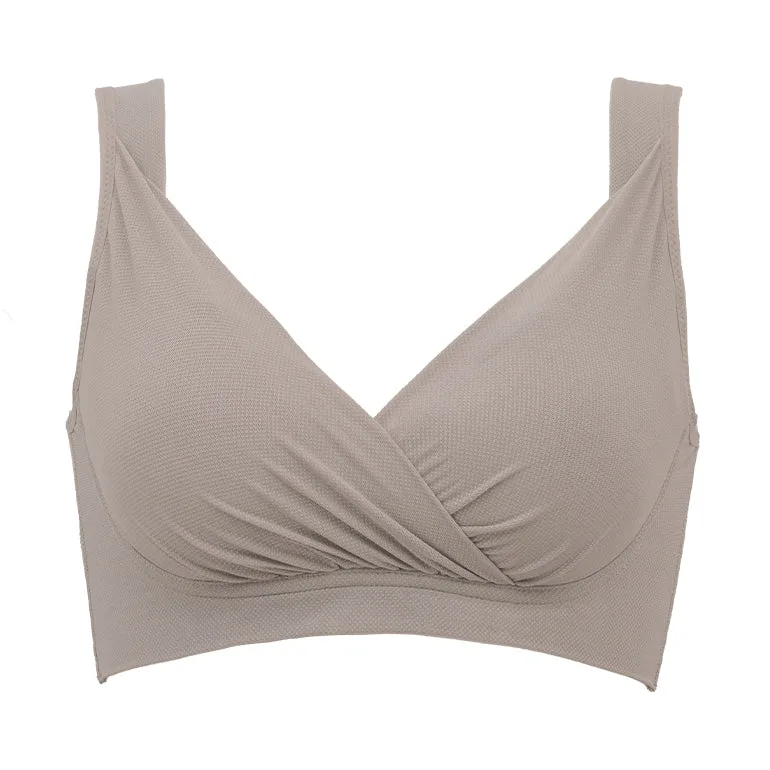
A camisole and a slip solve different problems, even though both are thin layers worn under clothing. A camisole is a short top that covers the chest, shoulders, and often the upper back. A slip is a dress-like layer that starts at the shoulders or waist and falls to the thigh or knee. The confusion comes from overlap: some slips have a built-in bra section, and some long camisoles look like short slips.
The fastest way to decide is to locate the problem. If you are adjusting a neckline, hiding a bra, or smoothing your midsection, you want a camisole. If you are fighting static, a skirt that climbs, or a dress that shows every contour below the waist, you want a slip. This comparison breaks down coverage, fabric, and styling so you can pick the right piece the first time.
Coverage: top half vs. bottom half
A camisole covers from the shoulders to roughly the high hip. That makes it the right tool for deep necklines, sheer blouses, and tops that gap at the armhole. It also adds a light smoothing layer over the bra band and upper stomach. A slip, by contrast, starts at the shoulders (full slip) or waist (half slip) and extends to the mid-thigh or knee, so it addresses the lower body: seat, thighs, and the area where a skirt or dress lining tends to cling.
If your outfit problem is above the waist, a slip will not help—it does not cover the bust or neckline. If the problem is below the waist, a camisole stops too high to prevent thigh friction or skirt climb. This is why the two pieces are often sold separately and sometimes worn together.
- Check the hem: a camisole should end at or just below the waistband of your bottoms.
- A full slip should end above the narrowest part of your knee so it does not peek out.
Fabric and function: smoothing vs. structure
Camisoles are usually cut from lightweight knit, modal, or cotton blends with a touch of stretch. Their job is coverage and a smooth line, not compression. Slips are more likely to use satin, tricot, or stretch mesh, because the fabric needs to glide against both your skin and the garment on top. That slippery quality is what stops a skirt from riding up and keeps a dress from bunching at the hips.
Some shaping slips add panels or power mesh for light control, while shaping camisoles do the same for the midsection. Neither replaces a dedicated shaper, but both can reduce the need for one. If you want firm control, look for a slip or camisole with a shaping panel rather than a plain version.
- For static-prone skirts, choose a slip with a smooth, low-friction finish.
- For sheer tops, choose a camisole in a color close to your skin tone rather than white.
Styling: which piece works under which outfit
Under a wrap dress or a button-down that gaps, a camisole is the practical fix. It adds a clean layer at the bust without changing the line of the skirt. Under a bias-cut slip dress or a pencil skirt, a half slip or full slip is the better choice because it prevents the fabric from catching on your legs and creating horizontal wrinkles. A full slip is also useful under unlined dresses that are slightly sheer through the skirt.
Layering both is a valid strategy for formalwear: a smoothing camisole on top and a half slip below give you full-body glide without the bulk of a full slip. The trade-off is two waistbands and more adjustment points, so test the combination with the actual dress before an event.
- If the dress is sheer only at the skirt, a half slip is enough.
- If the dress is sheer at the bodice, add a camisole instead of a full slip.
Fit details that decide comfort
A camisole should fit close but not compress. The straps should stay put without digging, and the hem should not roll up when you sit. If you are between sizes, size up in a smoothing camisole and down in a plain cotton one, since cotton relaxes with wear. A slip should skim your body, not grab it. If you can see horizontal pull lines across the front, the slip is too small; if it twists around your waist, it is too large.
Pay attention to length. A half slip that ends at the knee can show under a midi skirt, while a full slip that ends at mid-thigh works under most dresses. For thong-style bottoms under a slip, choose a panty with a smooth edge to avoid visible lines.
- Test a slip by walking and sitting—if it rides up, try a longer or more slippery fabric.
- Check camisole straps under the actual neckline; adjustable straps help with gaping.
Trade-offs: camisole vs. slip
- Coverage: Camisole covers the bust, shoulders, and upper back; slip covers the torso and thighs (full) or waist to thigh (half). Pick based on whether your outfit problem is above or below the waist.
- Fabric and glide: Camisoles are usually knit or cotton blends for softness; slips use satin, tricot, or mesh for low-friction glide. If your skirt climbs or dress bunches, a slip's fabric is the functional difference.
- Shaping level: Both can include light shaping panels, but a full slip covers more area; a camisole focuses on the midsection. For all-over smoothing, a full slip or a camisole plus a shaping panty is more effective than either alone.
Product facts that matter for layering
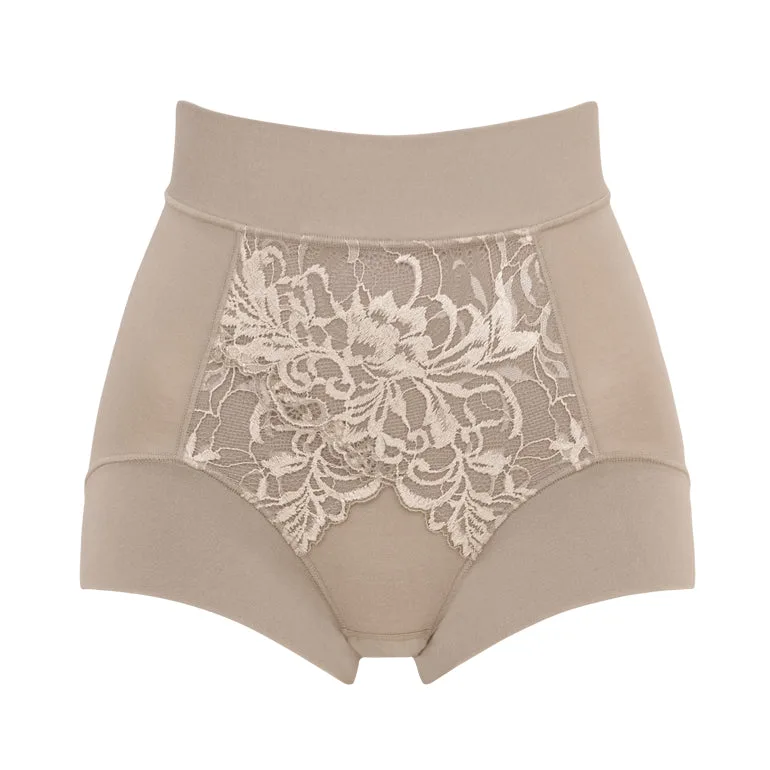
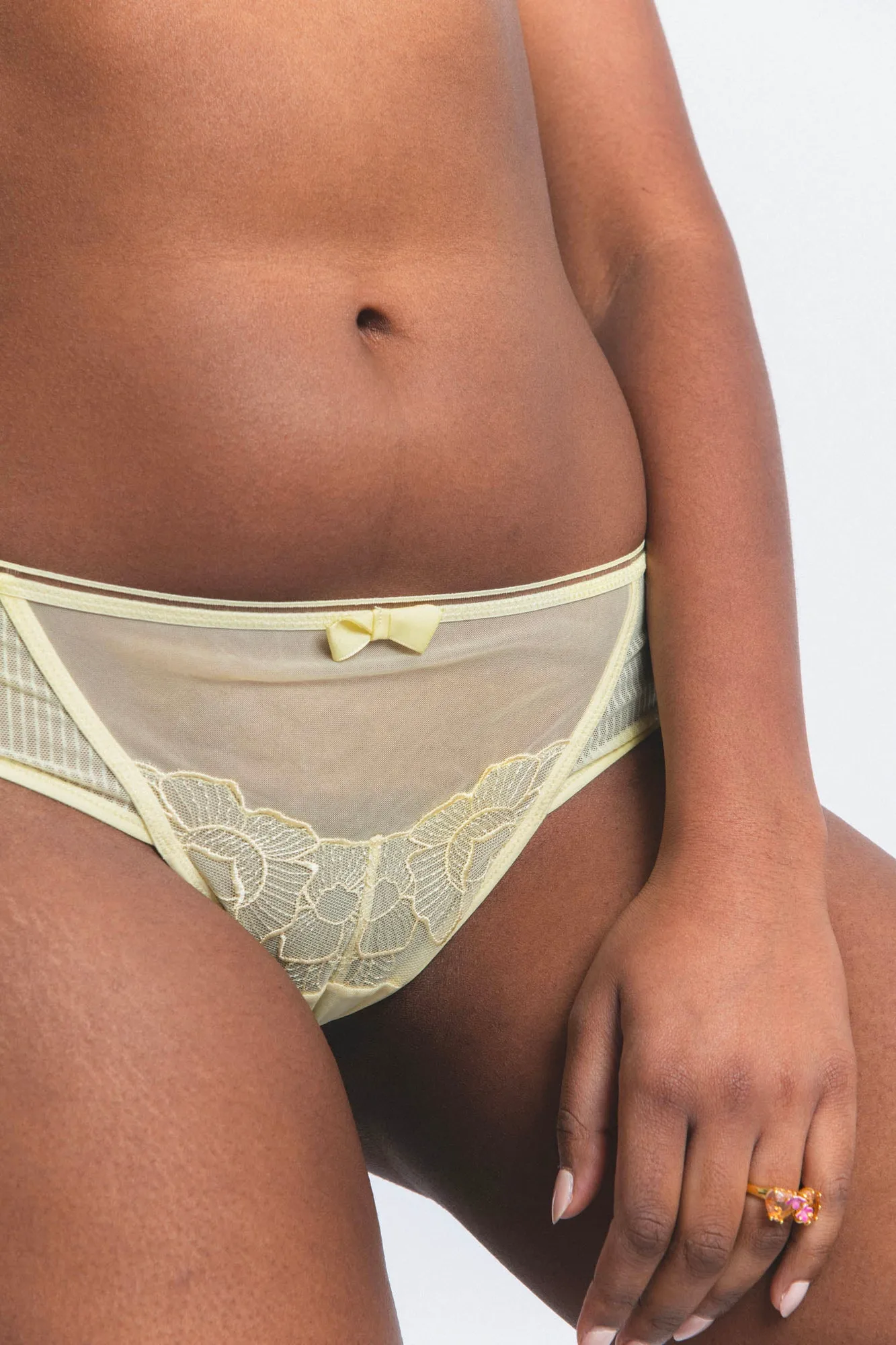
- Cotton Blend Fit Lace Panty 24: Premium Supima cotton blend with embroidered lace and a triple-layer structure; high-waisted shaping design with a triple-layer front panel using stretch lace and power mesh for tummy support; seamless, single-layer back to lift and contour the hips; elastic-free waistband and leg openings. This panty adds light shaping at the waist and tummy without a separate shaper, so it can replace a control camisole under fitted dresses. The elastic-free edges also reduce digging under a slip.
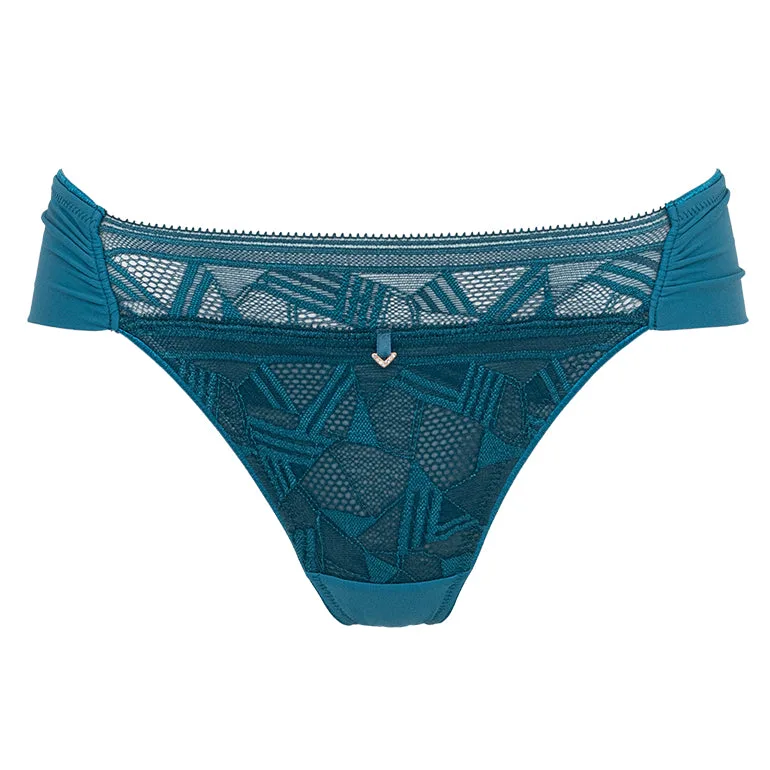
- Wendy Smoothing Thong 25A1: Stretch Raschel lace with a geometric pattern; front panel lined with color-matched tricot to prevent transparency; back made with high-gauge two-way stretch fabric. The smooth back and lined front make this thong a good choice under a slip or thin dress where visible panty lines are a concern. The two-way stretch helps it stay in place without riding up.
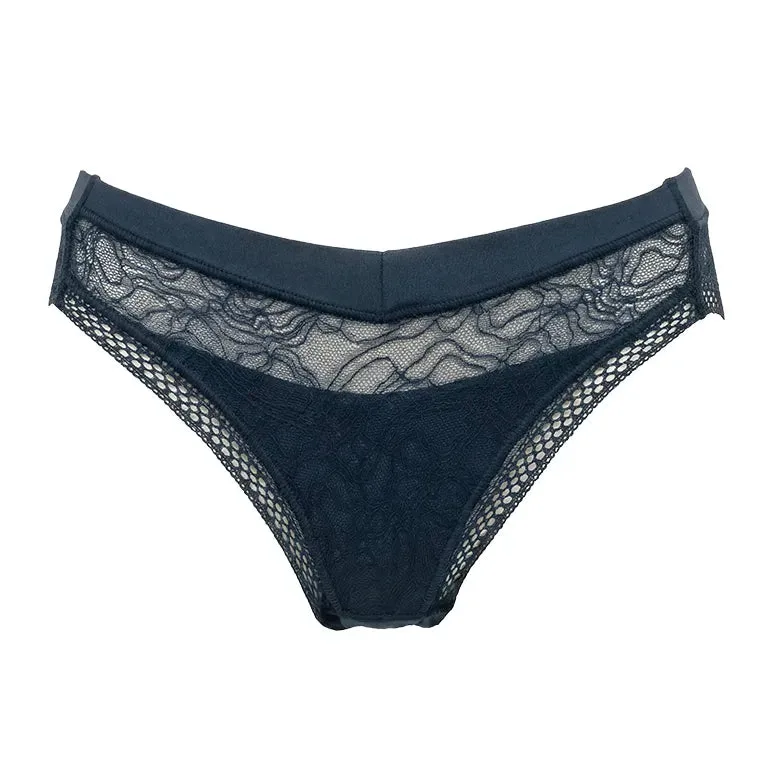
- Dreamy Sleep Panty: Light, delicate lace design; lower front and gusset lining in a soft nylon-cotton blend jersey for opacity; seamless fold-over waistband without harsh tape or elastic. The gentle waistband and opaque gusset make this a comfortable option for wearing under a camisole or slip when you want a soft, non-binding layer against the skin.
Which should you choose?
Best for
- Low-cut or sheer tops, wrap dresses, and gaping button-downs (camisole)
- Clingy skirts, sheer dresses, and static-prone fabrics (slip)
- Full-body smoothing under formalwear (full slip or camisole + half slip)
Not for
- Covering a plunging neckline (a slip does not cover the bust)
- Preventing thigh friction (a camisole stops at the waist)
- Firm compression (neither replaces a dedicated shaper)
Match the layer to the problem: camisole for the top half, slip for the bottom half, and both when the whole outfit needs a smooth foundation. Start with the piece that solves your most common issue, then add the other if you regularly wear dresses that need both coverage and glide.