Quick answer
Clean camouflage gear with a soft brush and plain water, never a washing machine or harsh detergent. Remove tape slowly with gentle heat and a plastic scraper. Store nets and hides fully dry, loosely folded in a breathable bag, away from sunlight and damp.
Why camouflage materials need different care
Cotton scrim netting, lightweight hide fabric and insect netting all lose effectiveness when they are washed aggressively, dried in direct sun or packed away damp. Dirt and mud dull the camouflage pattern, while mildew and UV damage weaken the fibres until the material tears. A simple routine of brushing off debris, spot cleaning and dry storage keeps colours muted and fabric intact. Check the manufacturer's label first; if a care instruction is not supplied, treat the item as hand-wash only and air-dry.
Removing camouflage tape without damaging fabric
Camouflage tape leaves sticky residue if you pull it off cold. Warm the tape with a hairdryer on low for a few seconds, then peel it back at a shallow angle. A plastic scraper or old credit card lifts stubborn edges without cutting threads. For residue, dab with isopropyl alcohol on a cloth, test a hidden corner first, and wipe gently. Never use a metal blade or solvent-heavy cleaner on coated or printed fabrics.
Cleaning scrim nets, hides and insect netting
Shake or brush off dry dirt outdoors before it works into the weave. Hand-wash in lukewarm water with a drop of mild soap, rinse until the water runs clear, and press water out between towels. Do not wring or twist. Hang to dry in shade with good airflow. For insect netting, check the mesh for trapped insects and debris, then rinse and air-dry completely. A soft-bristled brush is safer than a scrubbing pad on delicate mesh.
Storing camouflage gear for the off-season
Store only when bone dry. Fold loosely rather than creasing along the same lines, and place in a breathable cotton bag or pillowcase, not a sealed plastic bin that traps moisture. Keep away from damp sheds, direct sunlight and rodent-prone corners. Label bags so you can grab the right net or hide quickly. For long storage, check every few months for damp or pest damage and refold along different lines.
Step-by-step camouflage gear care
- Shake and brush off loose dirt: Take nets and hides outside and brush with a soft hand brush or shake vigorously to remove dry mud, dust and plant debris. Checkpoint: never brush wet mud into the weave, as it stains and clogs mesh.
- Spot clean or hand-wash gently: For light marks, sponge with lukewarm water and a drop of mild soap. For a full wash, submerge in lukewarm water, agitate gently by hand, then rinse until clear. Common mistake: using detergent, bleach or a washing machine, which strips colour and damages fibres.
- Remove tape with gentle heat: Warm camouflage tape with a hairdryer on low, peel slowly at a shallow angle, and lift residue with isopropyl alcohol on a cloth after testing a hidden area. Checkpoint: stop if the fabric feels hot or the tape pulls threads.
- Dry in shade with airflow: Press water out between towels, then hang or lay flat in a shaded, breezy spot until completely dry. Turn nets occasionally so trapped moisture escapes. Common mistake: drying in direct sun, which fades patterns and makes cotton stiff.
- Fold loosely and store breathable: Fold along different lines each time, place in a cotton bag or pillowcase, and store in a dry cupboard away from sunlight and rodents. Checkpoint: if you feel any dampness, re-dry before sealing the bag.
- Inspect and refold every few months: During storage, open bags, check for mildew, pest damage or rust on metal parts, and refold along new creases before returning to storage. Next step: replace any net or hide that has torn or mildewed beyond cleaning.
Products that fit this care routine
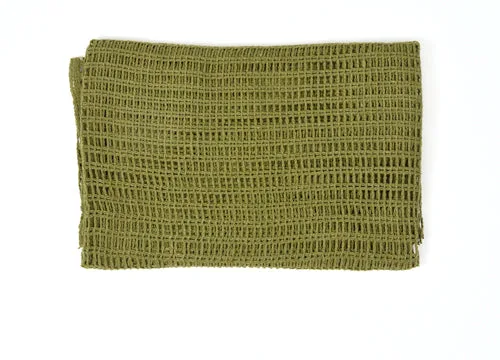
- B14 Scrim Scarf/Net: B14 Army Green Scrim Head & Shoulder Net is 100% cotton, 1m x 1.10m, ideal for camouflaging yourself or your camera equipment, and can also be used as a screen on a car side window. Cotton scrim needs gentle hand-washing and shade drying to avoid shrinkage and colour fade, so it suits the low-impact routine above.
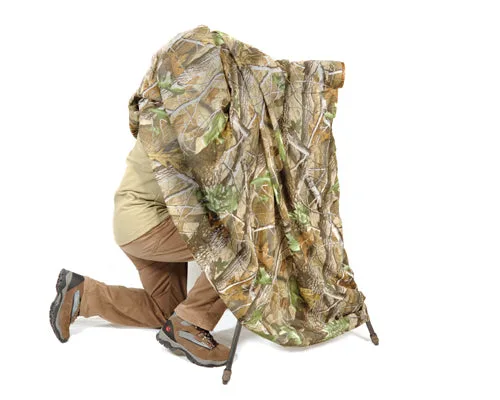
- C33 Lightweight Throw Over Hide (bag hide): C33 Lightweight Throw Over Hide is a quick-use camouflage hide that covers you, camera, tripod and seat, rolls up to fit in a camera bag, and is made from lightweight breathable but not proofed material. Because the fabric is breathable but not waterproof, it must be dried thoroughly before storage to prevent mildew.
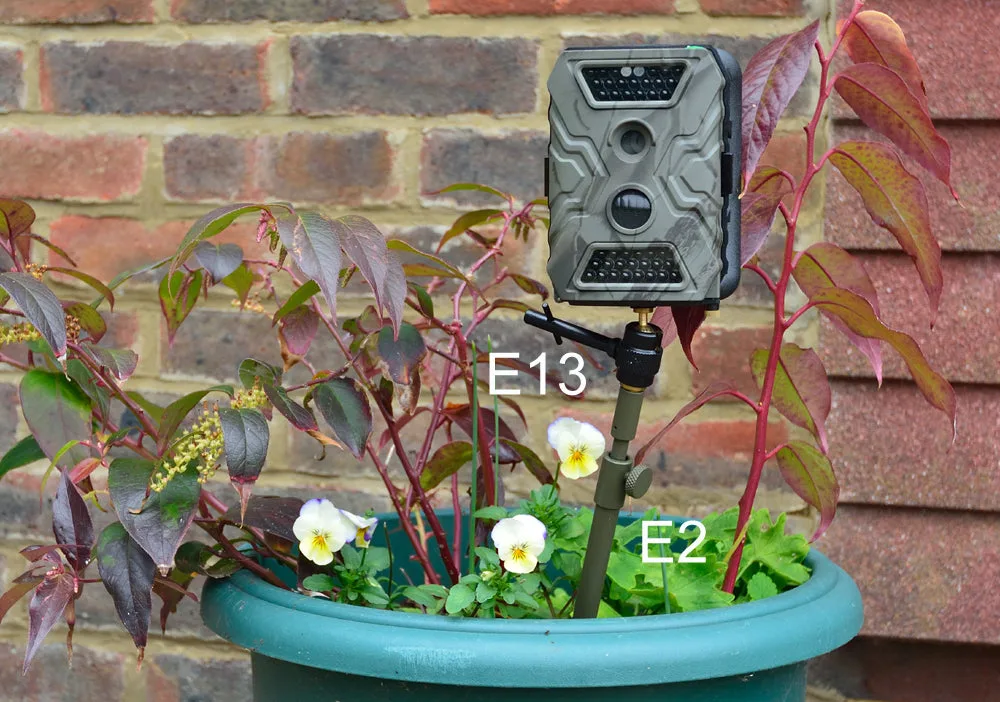
- E2 Small ground spike: E2 Small ground spike adjusts from 31cm to 57cm, includes an E11 brass camera adaptor, and is olive green powder coated. Powder-coated metal accessories should be wiped clean and stored dry to prevent rust, separate from damp nets.