Quick answer
Clean your camp furniture after every trip: shake off loose dirt, wash fabric and frames with mild soap and water, rinse, and dry completely before folding. Store chairs and tables indoors, loosely folded, away from damp floors and direct sun. That single routine prevents most mold, rust, and fabric rot.
Why camp furniture fails (and what care actually prevents)
Most folding chairs and camp tables die from three things: trapped moisture, UV exposure, and crushed hinges. Moisture grows mildew in fabric and rusts steel frames. Sun breaks down polyester and powder coatings. And hinges crack when furniture is folded while dirty or forced shut with grit in the joints. Care is mostly about removing those three threats before storage.
You do not need special products. Mild dish soap, a soft brush, a hose or bucket, and a dry shaded spot cover almost everything.
What to check before you clean
Inspect first so you do not spread damage. Open the chair or table fully and look at welds, hinge pins, and fabric seams. Note any tears, bent legs, or stiff joints. If a frame is bent, do not force it closed; that is how hinges snap. Check the carry bag too, since grit stored in the bag transfers back to the furniture.
How to dry and store without re-dirtying
Drying is the step people rush. Fabric that feels dry on the surface can hold moisture in padding and seams. Let furniture air-dry fully open in shade, not in direct sun, until every seam and strap is dry to the touch. Then fold loosely rather than compressing it tight, and store in a dry, ventilated spot off concrete floors. If you must store in a garage or shed, raise items on a shelf or pallet and leave the carry bag unzipped so air moves.
For long off-season storage, wipe frames with a dry cloth, skip heavy oils that attract grit, and keep furniture out of direct sun. Heat and UV age fabric and coatings faster than cold.
Step-by-step camp furniture care
- Shake and brush off loose dirt: Open the chair or table and shake it out, then brush seams, hinges, and fabric folds with a soft brush. Do this before any water touches the surface. Mistake to avoid: hosing off dry dirt first, which pushes grit deeper into fabric and hinge pins.
- Wash with mild soap and water: Mix a few drops of mild dish soap in a bucket of cool water. Wipe fabric and frames with a soft cloth or sponge. For sticky spills on a tabletop, let the soapy water sit for a minute before wiping. Checkpoint: no bleach, no abrasive scrubbers, and no pressure washer, all of which damage coatings and fabric.
- Rinse and wipe the frame: Rinse with clean water or wipe with a fresh damp cloth until no soap remains. Pay attention to hinge points and leg joints where residue collects. Mistake to avoid: leaving soap film, which attracts dust and can feel tacky on tabletops.
- Dry fully in shade: Open the furniture completely and let it air-dry in a shaded, ventilated area. Do not fold or store until every seam, strap, and pad is dry to the touch. Checkpoint: if you can feel any coolness or dampness in the fabric, it is not dry yet.
- Fold loosely and store dry: Fold without forcing stiff joints, place in the carry bag or on a shelf, and store indoors or in a dry, ventilated space off the floor. Leave bag zippers partly open for airflow. Next step: before your next trip, open everything up, check hinges and seams, and repeat the routine after use.
Kelty gear built for this routine
- Rad-Arondack Chair: The Rad-Arondack Chair is a folding camp-leisure chair with a carry bag that doubles as a dog bowl. A dedicated carry bag keeps grit off the fabric between trips, and the dual-purpose design means one less item to pack and clean.
- Rad-Arondack Table: The Rad-Arondack Table is a side table designed to hold spillables and free your hands for s'mores, burgers, and high fives. Because it is meant to hold drinks and food, wiping the top and drying the frame after each use prevents sticky residue and rust at the joints.
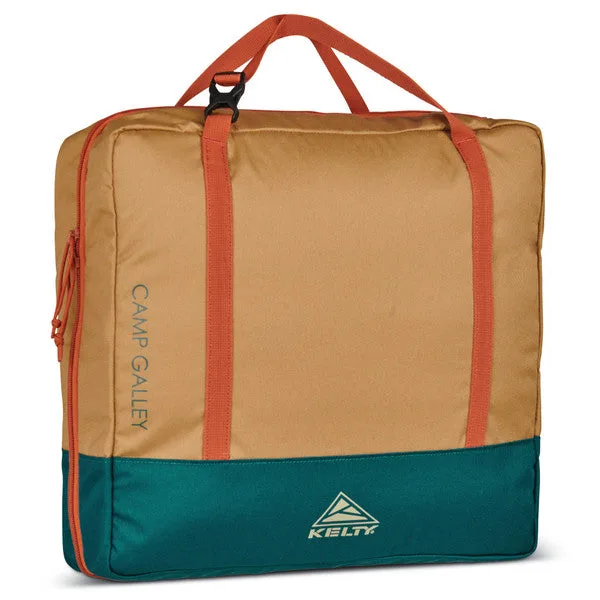
- Camp Galley: The Camp Galley is a camping cupboard with three zippered pockets that hangs off a roof rack or nearby structure to organize camp kitchen essentials. Storing spices, tongs, and small tools in zippered pockets keeps them contained, so you are not cleaning food residue out of your chair and table fabric later.