Investing in high-quality camping gear is the first step toward memorable outdoor adventures, but proper maintenance is what ensures your equipment lasts for seasons to come. Whether you're a weekend warrior or a thru-hiker, knowing how to clean, store, and repair your backpacks, tents, and cookware can save you money and prevent mid-trip failures. In this guide, we'll share practical, expert-backed tips to extend the life of your essential camping gear.
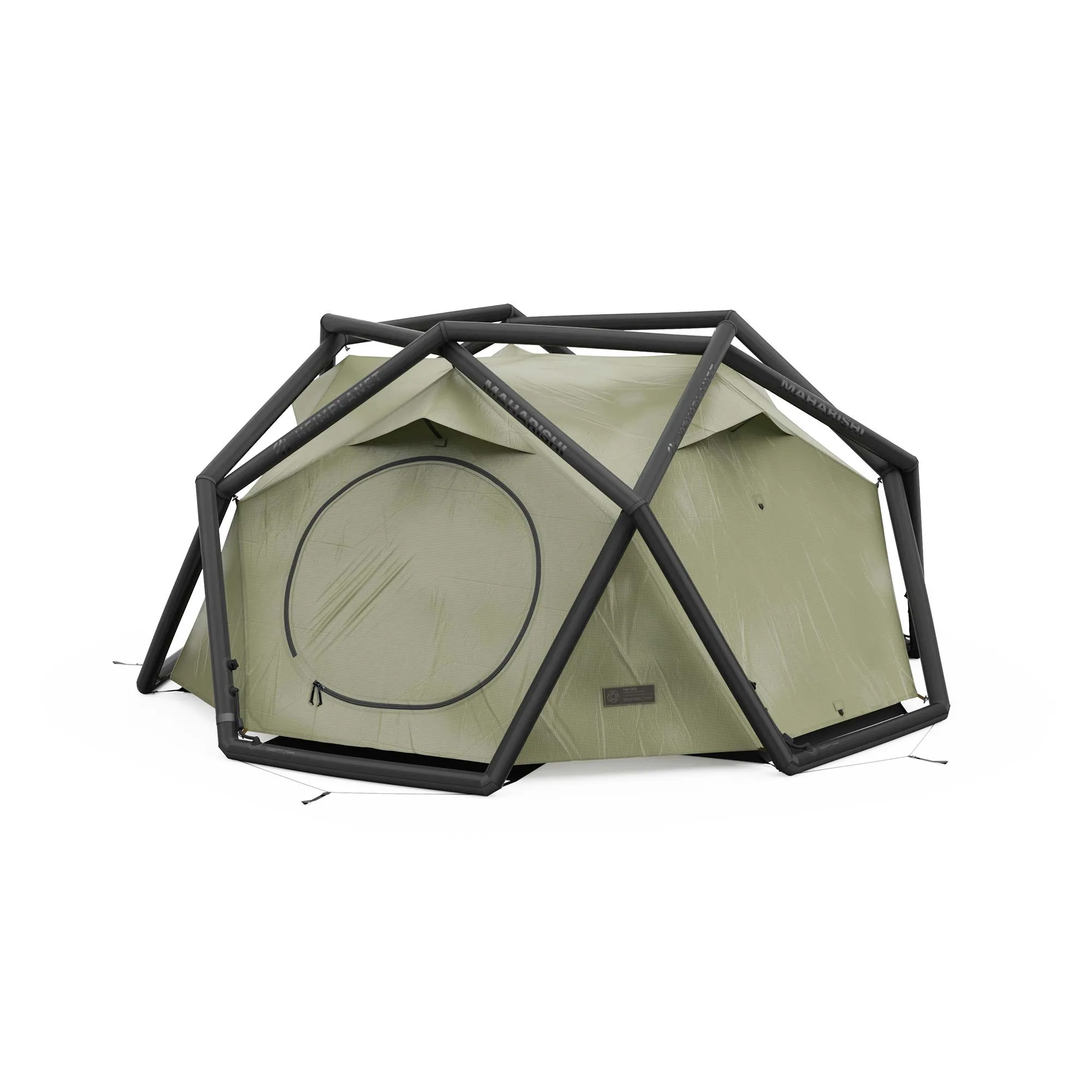
From treating zippers to drying tents correctly, small habits make a big difference. We'll also highlight how Heimplanet products—like the versatile Ultimate Shelter Set - Fistral, Cairo Camo and the durable Mizu - M8 bottle (750ml)—are designed with longevity in mind, but still benefit from regular care. Let's dive into the best practices for keeping your gear adventure-ready.
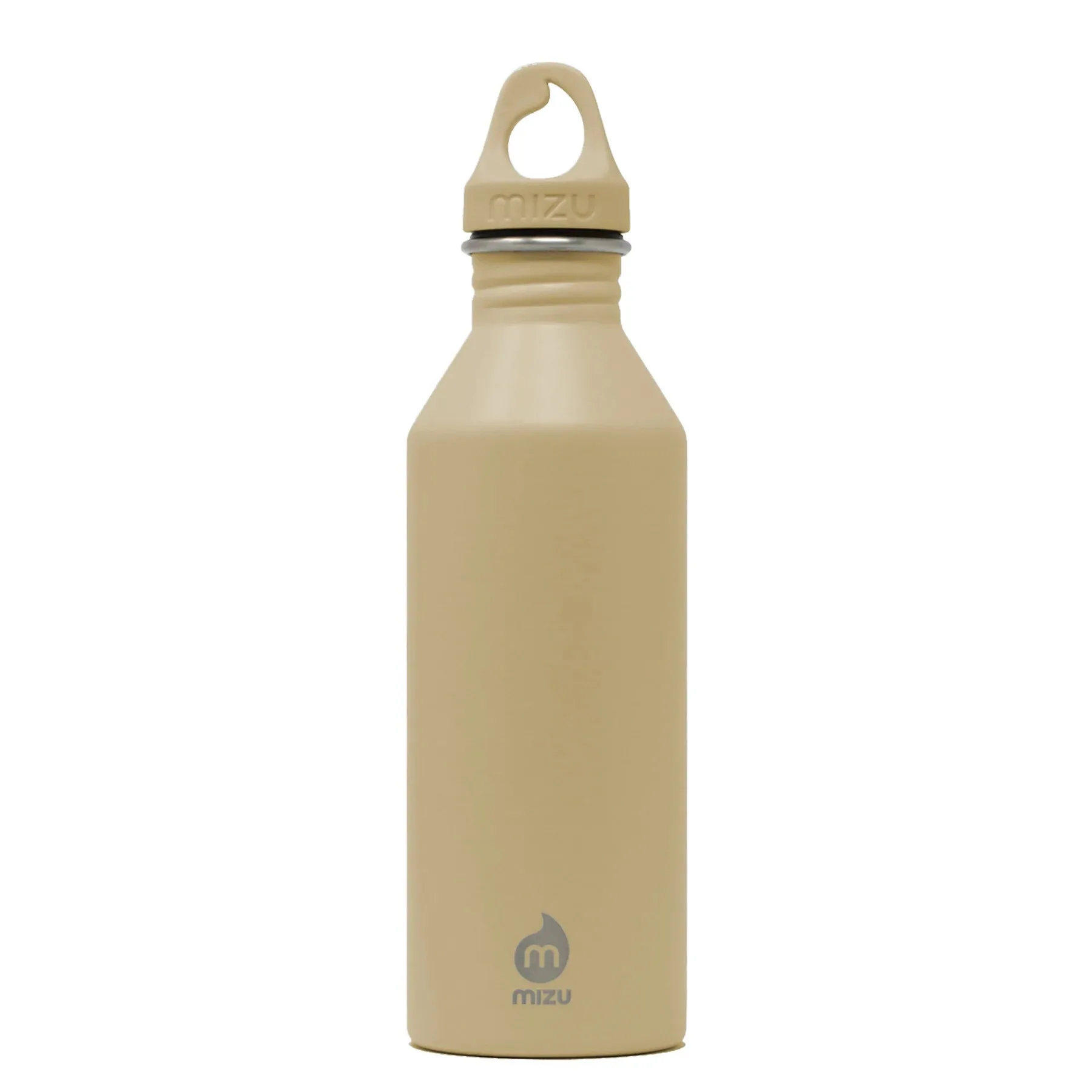
Mizu - M8 bottle (750ml)
Backpack Care: Cleaning, Storing, and Protecting Your Pack
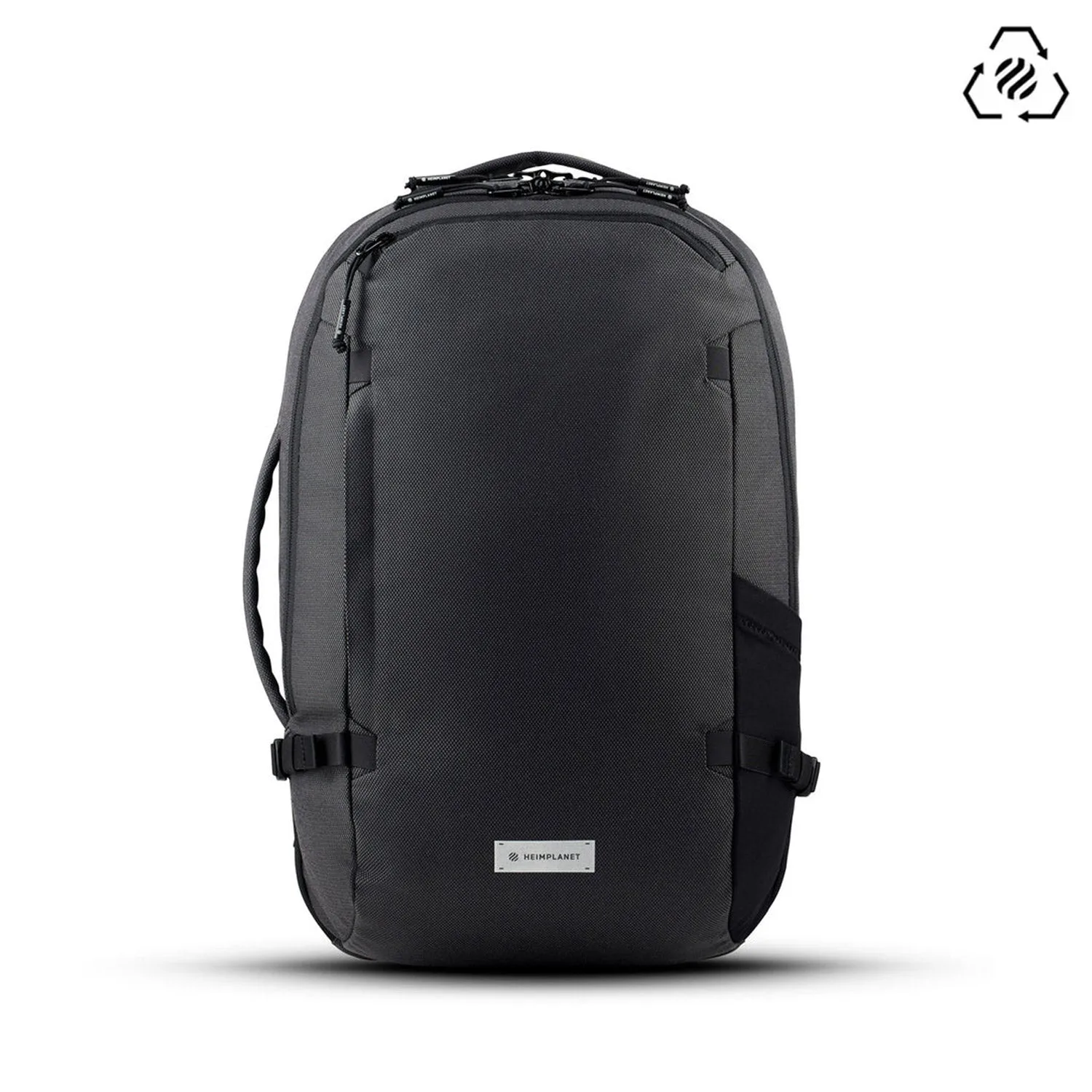
Your backpack is the workhorse of your camping setup, carrying everything from your shelter to your cookware. To keep it performing well, start with regular cleaning after each trip. Empty all pockets, shake out dirt and debris, and spot-clean stains with a mild soap and soft brush. Avoid harsh detergents or bleach, which can degrade waterproof coatings and fabrics. For a deeper clean, hand-wash your pack in lukewarm water and hang it to dry completely before storing.
Storage is equally critical. Never stuff a damp or dirty backpack into a closet—mold and mildew can develop quickly. Store your pack loosely in a cool, dry place away from direct sunlight, which can weaken straps and fabric over time. Check zippers, buckles, and seams periodically for wear. If you own a modular system like the Transit Line Sling Pocket; castlerock, ensure attachment points are clean and free of grit to prevent scratching or loosening.
- Always empty and air out your backpack after every trip to prevent odor and moisture buildup.
- Use a seam sealer on any loose stitching to reinforce stress points like shoulder straps and hip belts.
Tent and Shelter Maintenance: From Cleaning to Repairs
Your tent or tarp is your home away from home, and a little preventive care goes a long way. After each camping trip, shake out debris and wipe down poles and stakes. If your shelter got wet, set it up at home to dry completely before packing—this prevents mildew and fabric rot. For spot cleaning, use a non-abrasive sponge with lukewarm water and a specialized tent cleaner; never machine wash your shelter.
Inspect your tent's zippers, seams, and pole sections regularly. For pole tents, check for any bends or cracks in the sections. If you use a tarp like the DAWN M Tarp; Cairo Camo, ensure the guy lines are free of knots and the anchor points aren't frayed. For inflatable shelters, check valves and struts—such as the BACKDOOR Strut—for leaks or damage. Apply a silicone-based lubricant to zippers to keep them gliding smoothly, and patch small tears immediately with a repair kit.
- Store your tent in a breathable cotton sack rather than a stuff sack to reduce compression damage over long periods.
- Replace worn guylines and stakes before they fail on your next trip.
Cookware Care: Keeping Your Pots, Pans, and Bottles in Top Shape
Cookware sees the most abuse from heat, food acids, and abrasive cleaning. To extend its life, always wash your pots, pans, and utensils with a soft sponge and mild soap after each use. Avoid steel wool or harsh scrubbers that can scratch non-stick coatings or aluminum surfaces. For stubborn residue, soak in warm water before cleaning. Dry everything thoroughly to prevent rust on metal components.
Bottles and hydration systems also need regular attention. For example, the Mizu - M8 bottle (750ml) is made from stainless steel and can be cleaned with a bottle brush and mild detergent. Avoid using bleach or putting it in the dishwasher, which can damage the finish. For titanium or enamel cookware, never heat empty pots, and avoid sudden temperature changes that can cause cracking. Store cookware with lids off to allow airflow and prevent odors.
- Use a dedicated cookset bag to prevent scratching and denting during transport.
- Check silicone seals on bottles and lids annually for cracks or wear.
Seasonal Deep Cleaning and Storage Tips
At the end of each camping season, give your gear a thorough overhaul. Wash your backpack, tent, and cookware as described above, and inspect all items for hidden damage. For down sleeping bags and insulated jackets, follow manufacturer instructions for washing and drying—improper care can ruin loft and warmth. Store sleeping bags loosely in a large cotton sack to maintain insulation.
For shelters, re-treat waterproof coatings if you notice water beading has diminished. Use a spray-on or wash-in DWR (durable water repellent) treatment designed for outdoor fabrics. Store tents and tarps in a cool, dry place away from rodents and insects. If you have a modular shelter like the Ultimate Shelter Set - Fistral, Cairo Camo, check all connection points and storage bags for wear. A little seasonal effort ensures your gear is ready for next year's adventures.
- Create a gear maintenance checklist to track cleaning, repairs, and replacements.
- Label storage bins clearly to avoid mixing gear with household items.
Taking care of your camping gear doesn't have to be time-consuming, but it pays off in reliability and longevity. By following these simple maintenance routines—cleaning after use, storing properly, and inspecting regularly—you'll keep your backpacks, tents, and cookware in excellent condition for years. Explore the Ultimate Shelter Set - Fistral, Cairo Camo to see how thoughtful design makes maintenance easier, and start building better habits today.