Quick Answer
To extend the life of your camping gear, focus on regular cleaning, proper storage, and timely repairs. For tents, address leaks and valve issues promptly using repair kits or replacement parts like a new bladder. For backpacks, clean and store them correctly to prevent fabric and zipper damage. Know when a repair is beyond your skill and seek professional help or replace the item.
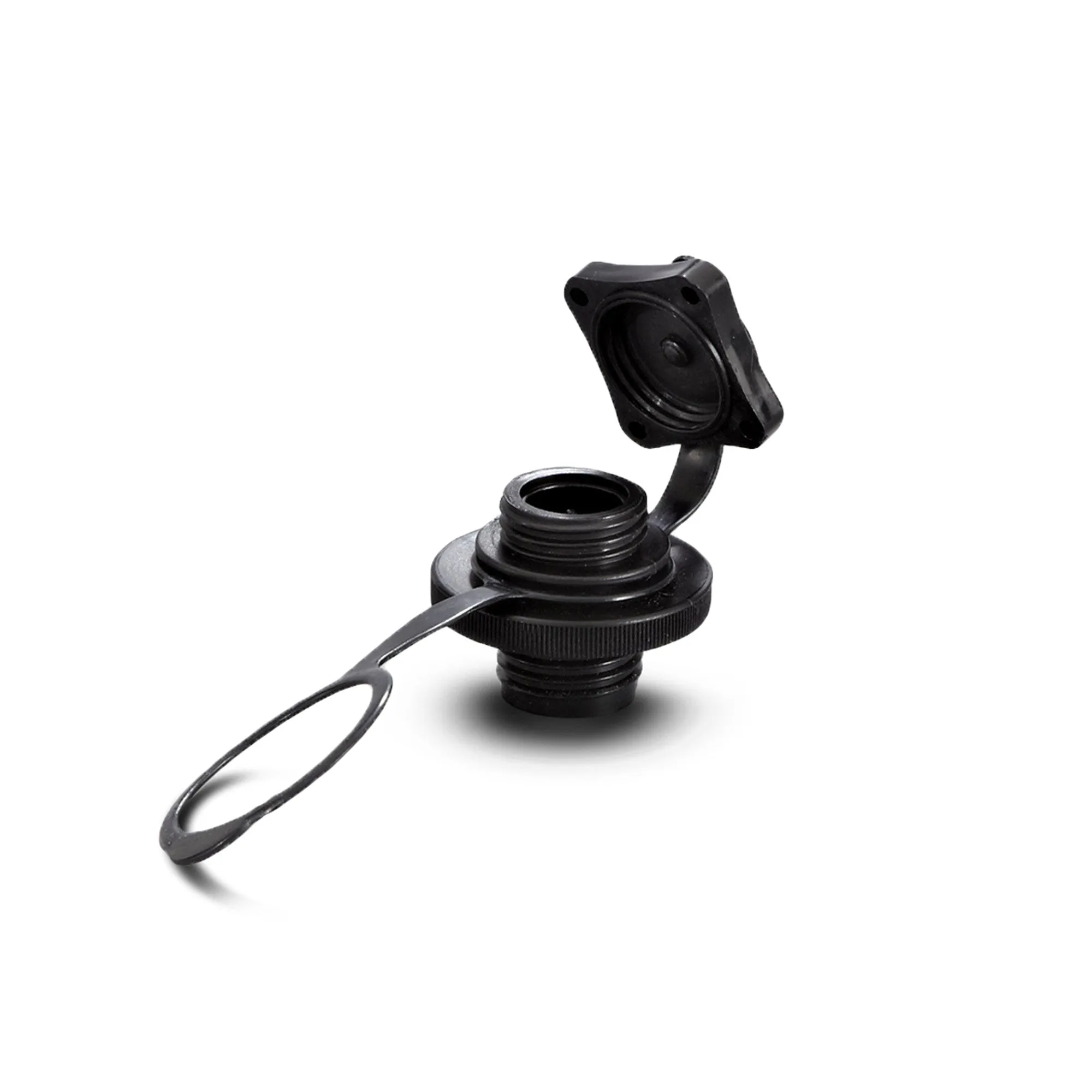
valve
Camping gear is an investment, and with proper care, it can last for many seasons. Whether it's a tent, backpack, or lantern, regular maintenance and timely repairs can significantly extend its lifespan. This guide provides practical tips to help you keep your gear in top condition and know when to fix versus replace.
From cleaning and storing your equipment to handling common issues like leaks and broken zippers, we'll cover the essentials of gear care. By following these tips, you'll save money and reduce waste, ensuring your outdoor adventures are always well-equipped.
Tent Repair and Maintenance
Tents are prone to wear and tear, especially with frequent use. Start by keeping your tent clean: sweep out dirt and debris after each trip, and spot-clean stains with a mild soap. Always dry your tent completely before storing to prevent mold and mildew. Regularly inspect the seams, zippers, and poles for any signs of damage.
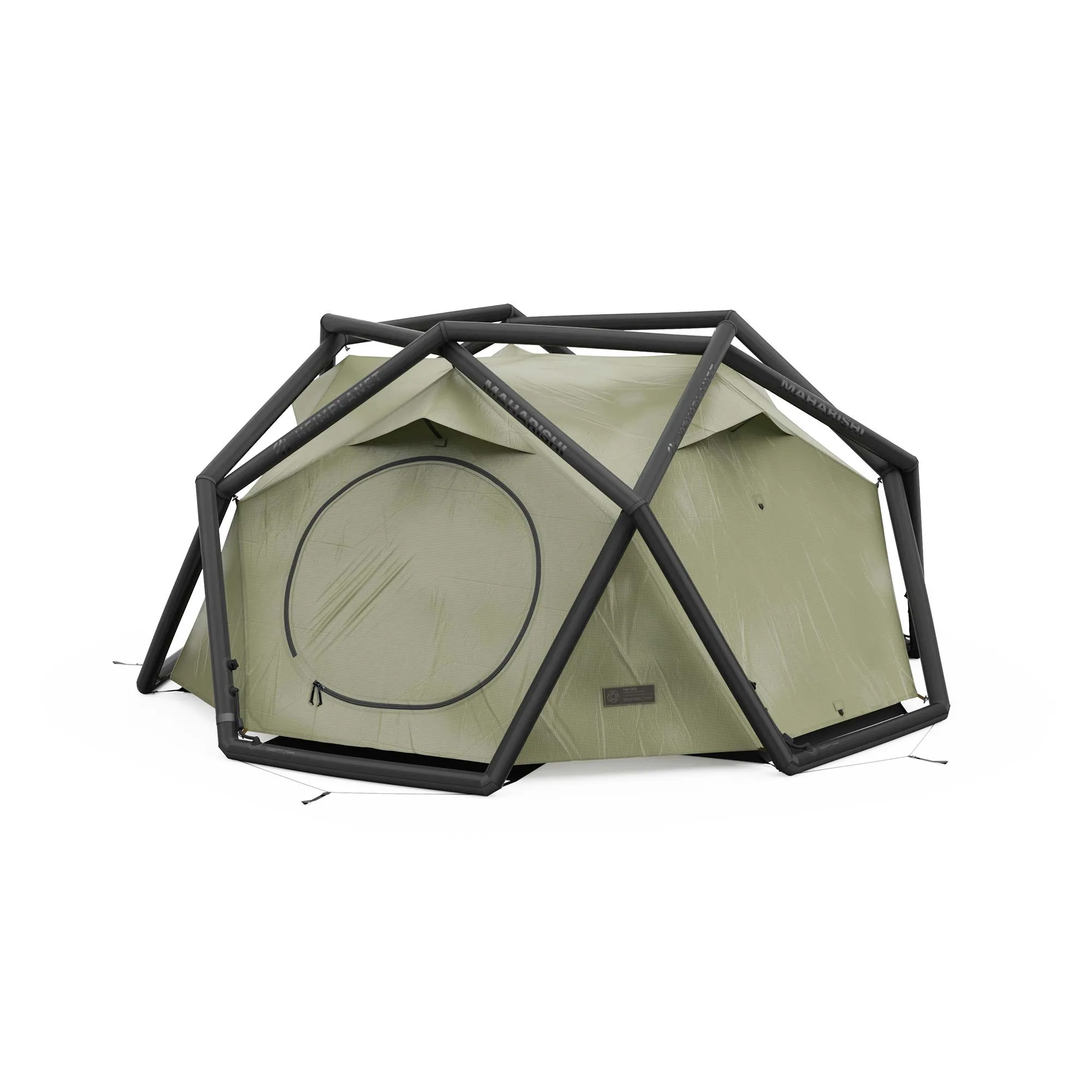
For minor issues like small tears or holes, use a tent repair kit to patch them quickly. If you notice that the inflatable structure loses air, check the valves and tubes. Often, a simple valve issue can be fixed with a replacement adapter, but if the bladder itself is leaking and difficult to repair, consider ordering a new replacement tube to restore your tent's functionality.
- Always store your tent loose in a breathable sack, not compressed in its stuff sack.
- Use a groundsheet to protect the tent floor from abrasion and punctures.
Backpack Care and Longevity
Backpacks endure a lot of stress, from heavy loads to rough handling. To extend their life, clean them regularly with a soft brush and mild detergent, and avoid machine washing unless the manufacturer recommends it. Pay special attention to zippers and buckles, keeping them free of dirt and grit.
When not in use, store your backpack in a cool, dry place away from direct sunlight, which can degrade fabrics. Avoid overloading beyond its capacity, as this strains seams and straps. For everyday packs, like a commuter pack, regular care ensures they remain comfortable and functional for years.
- Empty your backpack and shake out debris after each trip.
- Lubricate zippers with a silicone-based product to keep them running smoothly.
Accessories and Spare Parts
Small accessories like lanterns and pump adapters also need attention. For gas lanterns, clean the mantle and check the ignition system regularly to ensure reliable operation. Store them in a dry place to prevent corrosion.
When parts wear out, replacing them is often more cost-effective than buying new gear. For example, if you lose the pump adapter for your tent, you can purchase a replacement instead of replacing the entire tent. Similarly, spare bladders for inflatable tents are available, saving you from a costly replacement.
- Keep spare parts like pump adapters and bladders on hand for quick fixes.
- Inspect accessories before each trip to catch issues early.
Diagnosing Common Gear Issues
- Tent loses air overnight: Check the valve for debris or damage. Try inflating and listening for leaks; apply soapy water to suspect areas to spot bubbles. If the valve is faulty, replace the pump adapter. If the bladder leaks and is unrepairable, order a new bladder.
- Backpack zipper stuck or broken: Inspect for fabric caught in the zipper or dirt in the teeth. Clean gently with a brush and lubricate with zipper wax. If the zipper is broken beyond cleaning, consider replacing it or the backpack if repair is not cost-effective.
- Lantern won't light: Check the mantle for holes, the fuel level, and the igniter. Replace the mantle if needed and ensure the fuel is fresh. If the igniter fails and the lantern is old, it may be time to replace the lantern.
Gear-Specific Repair Facts
- Pump adapter; (floor pump): This pump adapter is supplied with every tent. If it gets lost, it is available here as a spare part. Screwed onto the tent valve, it fits almost any piston pump with a bayonet fitting. Having a spare pump adapter ensures you can always inflate your tent, even if the original is lost or damaged.
- BACKDOOR Bladder: In the event of a leak, it is possible to repair each individual part of the IDG yourself using the repair kit supplied. However, there are also holes that are difficult to repair. For these rare cases, you can order a new replacement tube. Knowing when to replace the bladder instead of attempting a difficult repair saves time and ensures your tent remains reliable.
- Mini Gas Lantern; Origin Outdoors: This gas lantern with rugged and corrosion-resistant design creates a beautiful mood light when camping or traveling. Equipped with piezo ignition, a mounting chain, a mantle and packing bag. Proper care of your lantern, like cleaning the mantle and storing it dry, extends its life and ensures it lights reliably.
By incorporating these repair and maintenance practices into your routine, you can significantly extend the life of your camping gear. Regular care not only saves money but also ensures your equipment performs reliably when you need it most. Remember, knowing when to repair and when to replace is key to sustainable outdoor adventures.