Quick answer
A camping shelter system is simply a tent plus one or more tarps and the connectors that join them. Use the tent as your sleeping core, add a tarp for rain, sun, or wind protection, and choose connectors that match your pole diameter and tarp material. If you want the simplest version, start with a one-pull dome tent and a sized tarp, then add a 1pole tent tarp connector only when you need to bridge the two.
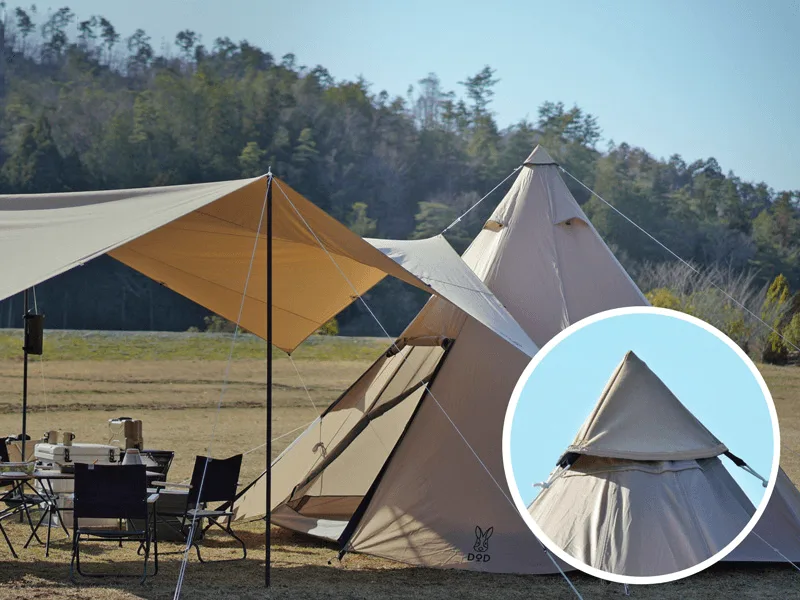
1pole tent tarp connector
Most campers don't need a complicated shelter. They need a tent that goes up fast, a tarp that covers the space between the tent and the fire, and a connector that doesn't slip in the rain. The confusion usually comes from mixing parts that were never designed to fit together.
This FAQ answers the questions readers send us most often about tent tarp connectors, 1pole tent tarp connectors, and how to plan a shelter system before you buy. It uses real DOD Outdoors products as examples, but the logic applies to any brand you already own.
What is a camping shelter system, exactly?
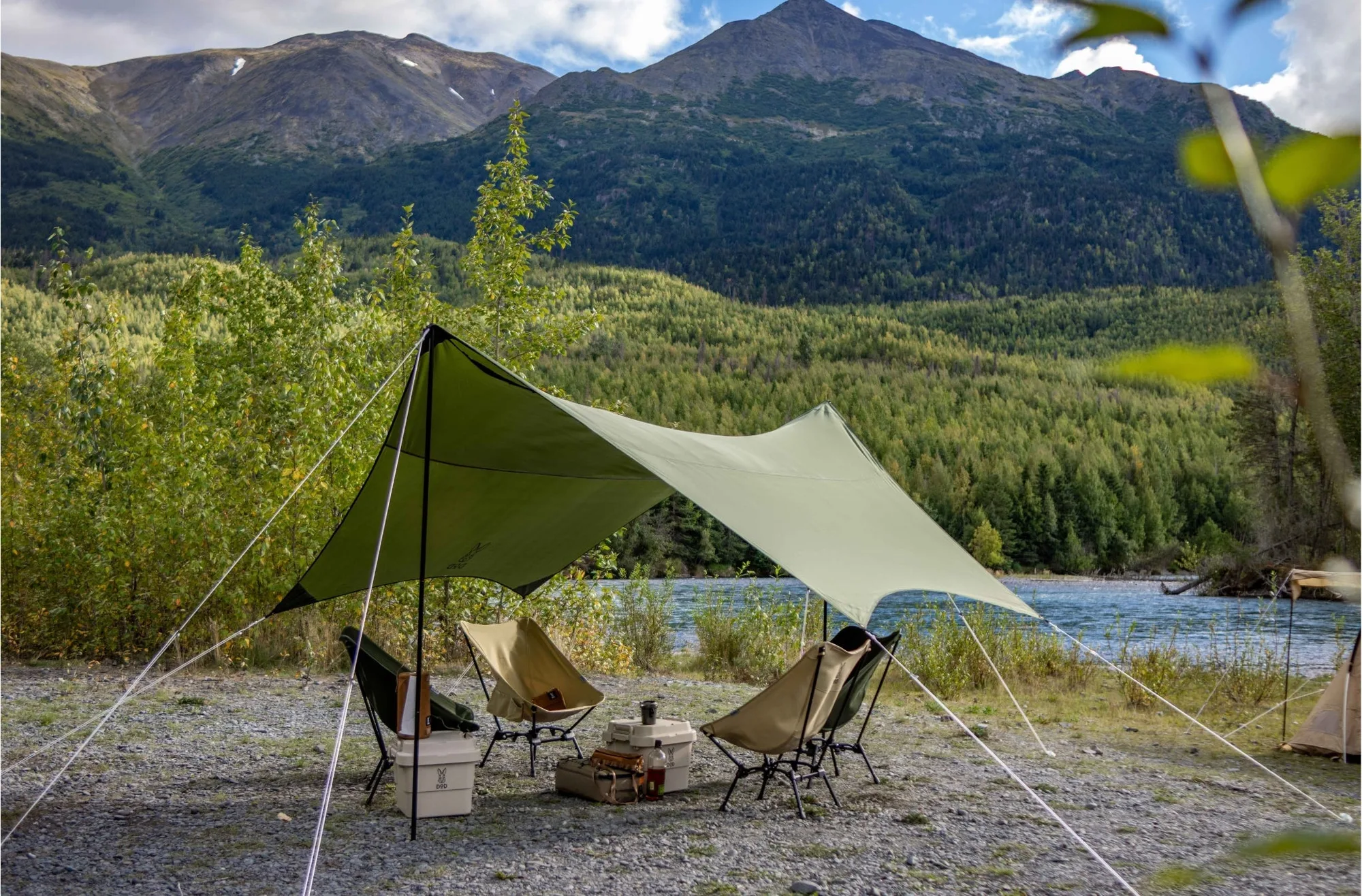
A shelter system is the combination of a sleeping tent, an overhead tarp, and the hardware that connects them. The tent handles bugs, wind, and privacy. The tarp handles rain, sun, and the transition zone where you cook or sit. Connectors, poles, and guy lines hold the two together so the tarp doesn't flap against the tent fabric.
You can build a shelter system with one tent and one tarp, or with a tent, two tarps, and a connector kit. The important part is that each piece has a job. If a tarp is only there for shade, it can be lighter and simpler. If it has to shed heavy rain, it needs a steeper pitch and a connector that won't slide down the pole.
- Write down your worst-case weather first, then choose the tarp size and connector type to match.
- Keep the tent footprint and the tarp footprint separate in your head; they don't need to be the same size.
How does a tarp connector work?
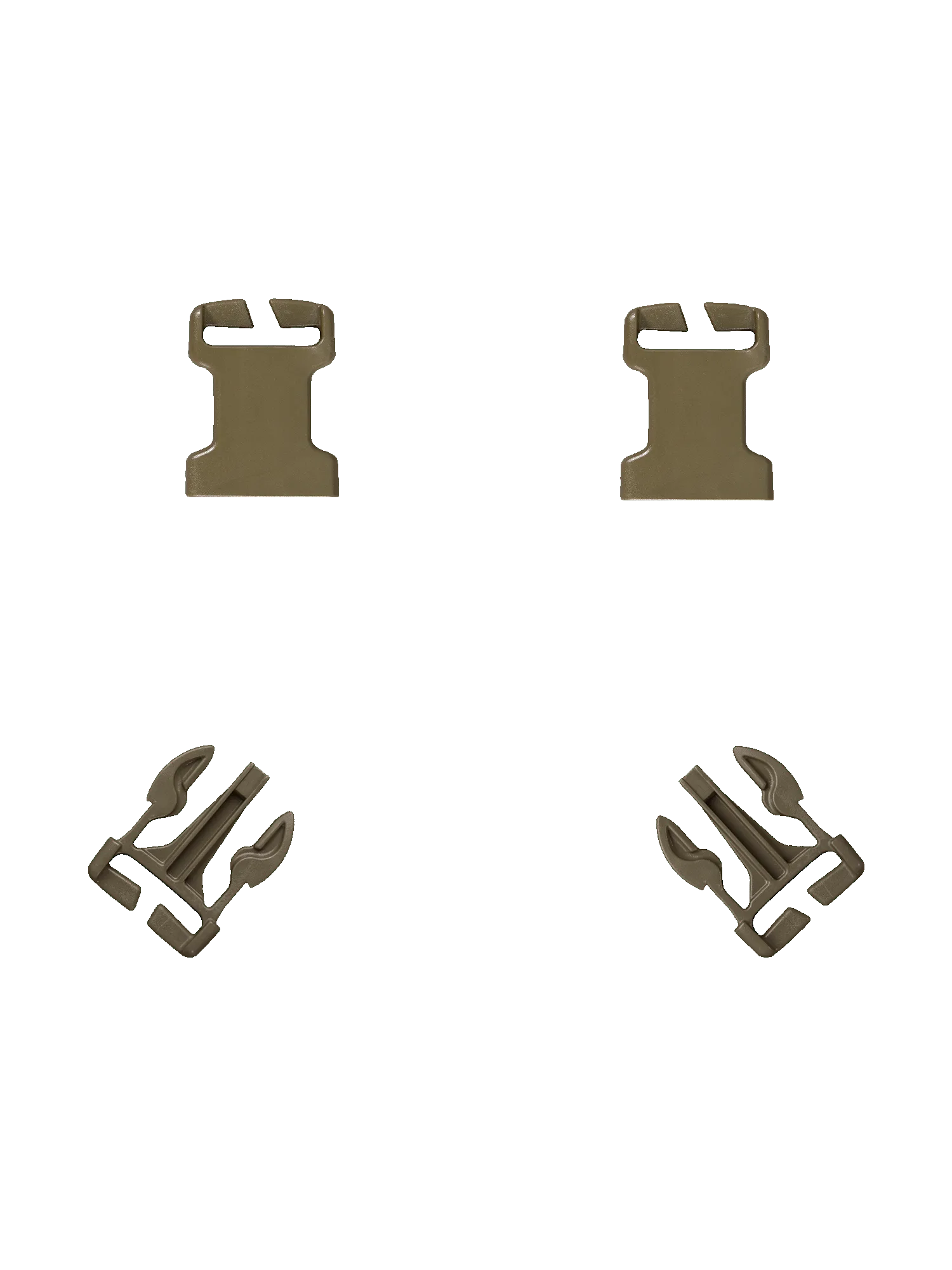
A tarp connector is a small clamp or sleeve that grips a tent pole or a dedicated tarp pole so the tarp can be tensioned without adding a second freestanding frame. The connector attaches at the pole, and the tarp's guy line or corner loop runs through or over it. That lets one pole support both the tent and the tarp edge.
The main failure point is diameter. A connector sized for a thin aluminum pole will not grip a thick steel pole, and a connector that is too loose will slide down under wind load. Check the pole diameter on your tent before buying any connector, and test the fit at home with the tarp under tension, not just lying flat.
- Test the connector with the tarp pitched and guyed out, not folded on the floor.
- If the connector slides, add a wrap of tape or a stop collar rather than overtightening the clamp.
What is a 1pole tent tarp connector and when do you need one?
A 1pole tent tarp connector is a fitting designed for tents that use a single central pole, like the Chimaki Tent. On a one-pole tent, the pole is often on the outside of the tent, which means you can clamp a tarp connector to it without cutting into the sleeping space. That single pole then becomes the high point for both the tent and the tarp.
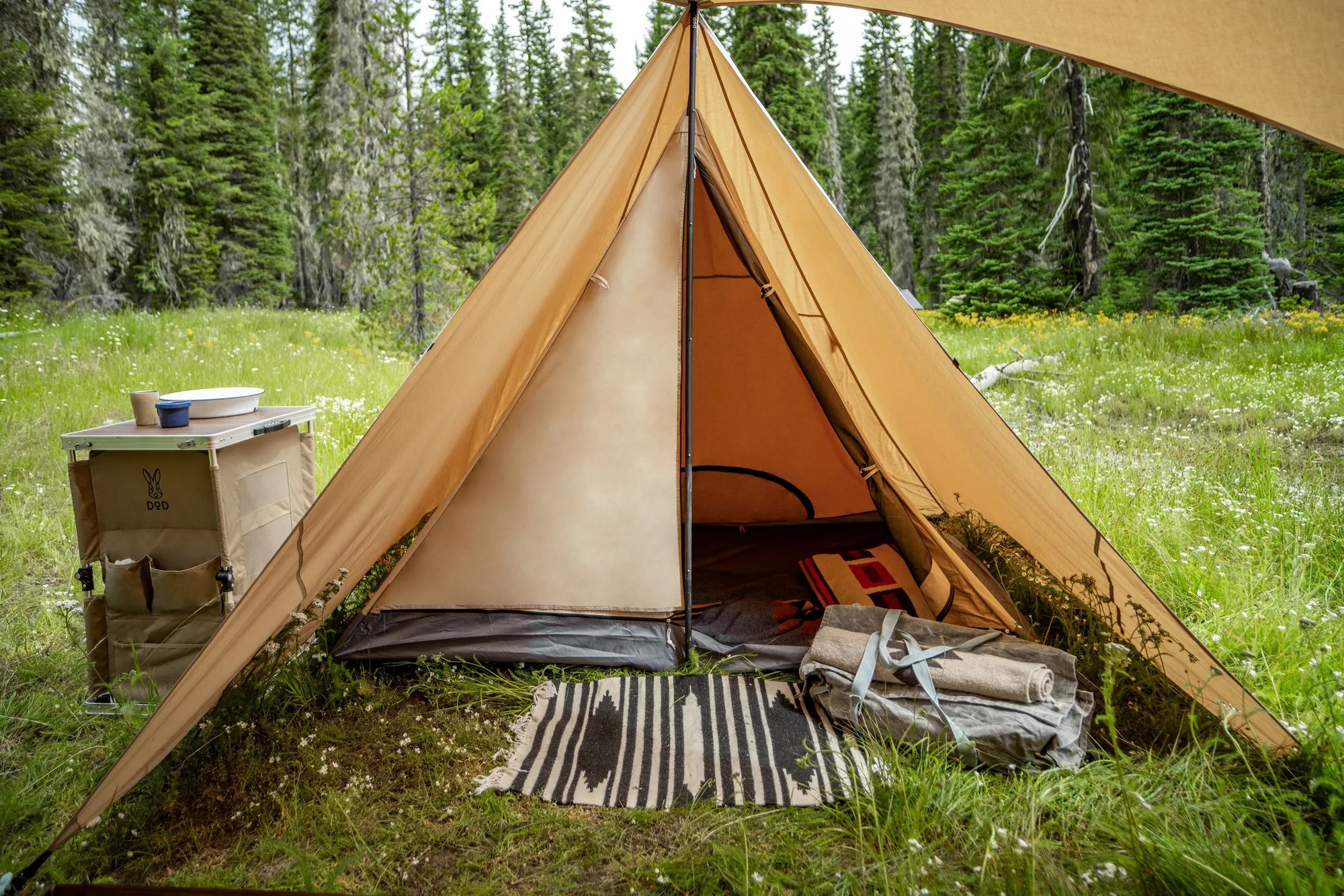
Chimaki Tent
You need one when you want to extend your covered area without carrying a separate tarp pole. If your tent has crossed poles or a dome shape, a 1pole connector is the wrong part; you would use a standard pole clamp or a separate tarp pole instead. Match the connector to the tent's pole architecture, not to the brand name.
- One-pole tents with an external pole are the easiest hosts for a 1pole tarp connector.
- Dome and cabin tents usually need a separate tarp pole or a clamp that fits their pole diameter.
Can you combine any tarp with any tent?
Physically, yes, but the combination works better when the tarp is at least one size larger than the tent's footprint. That extra material gives you a dry entry zone and a place to sit. If the tarp is the same size as the tent, rain runs straight off the tarp onto the tent walls, which is the opposite of what you want.
Material also matters. A breathable CanvoTM roof, like the one on the Takenoko Bell Tent, handles condensation differently than a coated nylon tarp. If you pitch a non-breathable tarp tight over a breathable tent, you can trap moisture between the two layers. Leave a gap for airflow, or use the tarp as a separate roof over a sitting area rather than directly on the tent.
- Aim for a tarp that overhangs the tent by at least 30–50 cm on the weather side.
- Keep an air gap between the tarp and the tent roof to reduce condensation.
How do you set up a tarp and tent combination step by step?
Pitch the tent first, fully guyed out, so you know its final footprint. Then lay the tarp over the area you want covered, including the entry and a sitting zone. Attach the connector to the tent pole or a dedicated tarp pole, run the tarp's ridge line through it, and tension the corners last. Tensioning corners first pulls the ridge off-center.
If wind is forecast, angle the tarp so the lowest edge faces the wind and the highest edge faces away. That sheds wind over the top instead of lifting the tarp. Re-check the connector after the first hour; new guy lines stretch and the clamp may need a small adjustment.
- Tent first, tarp second, corners last.
- Angle the low edge into the wind.
- Re-tension after the first hour of weather.
What are the most common shelter setup mistakes?
The three we see most often are: pitching the tarp directly on the tent fabric, using a connector that doesn't match the pole diameter, and setting the tarp too flat to shed rain. Each one is easy to fix once you know what to look for. A flat tarp holds water, a mismatched connector slides, and a tarp touching the tent transfers condensation and wear.
A fourth mistake is buying the tarp before the tent. If you choose the tent first, you know the pole diameter, the footprint, and whether a 1pole connector is even an option. Buying the tarp first often leads to a size that is either too small to cover the entry or too large for the poles you own.
- Tent first, tarp second.
- Measure pole diameter before buying any connector.
- Give the tarp a slope of at least 20 degrees for rain.
Shelter system FAQ quick reference
Do I need a tarp if my tent is already waterproof?
A waterproof tent keeps rain out of the sleeping area, but it doesn't give you a dry place to sit, cook, or store gear. A tarp extends the usable covered space and protects the entry from driving rain. Add a tarp when you want a dry living zone, not just a dry bed.
Will a 1pole tent tarp connector fit my dome tent?
Usually not. A 1pole connector is designed around a single external pole. Dome tents with crossed poles need a clamp that matches their pole diameter or a separate tarp pole. Match the connector to the pole architecture, not the brand.
How do I stop the tarp from flapping against the tent?
Tension the tarp's ridge line through the connector first, then the corners, and leave a small air gap between the tarp and the tent roof. If it still flaps, lower the windward edge and add a guy line at the midpoint. Ridge first, corners second, gap always.
What size tarp should I pair with a two-person tent?
Choose a tarp that overhangs the tent footprint by at least 30–50 cm on the weather side so rain runs past the tent rather than onto it. Exact sizing depends on your tent's dimensions, which you should measure before buying. Measure the tent, then size the tarp.
Can I use the same tarp for sun and rain?
Yes, but pitch it differently. For sun, a flatter, higher pitch with airflow underneath works well. For rain, a steeper pitch with the low edge into the wind sheds water and wind more effectively. One tarp, two pitches.
DOD products that fit this system
- Tomo 1Pull Dome Tent: The Tomo 1Pull Dome Tent's one-pull setup allows for instant assembly, and it has a sleeping chamber plus a front chamber for shoes or other items. The front chamber gives you a covered spot for gear before you even add a tarp, and the fast setup means you can spend your energy on the tarp and connector instead of the tent.
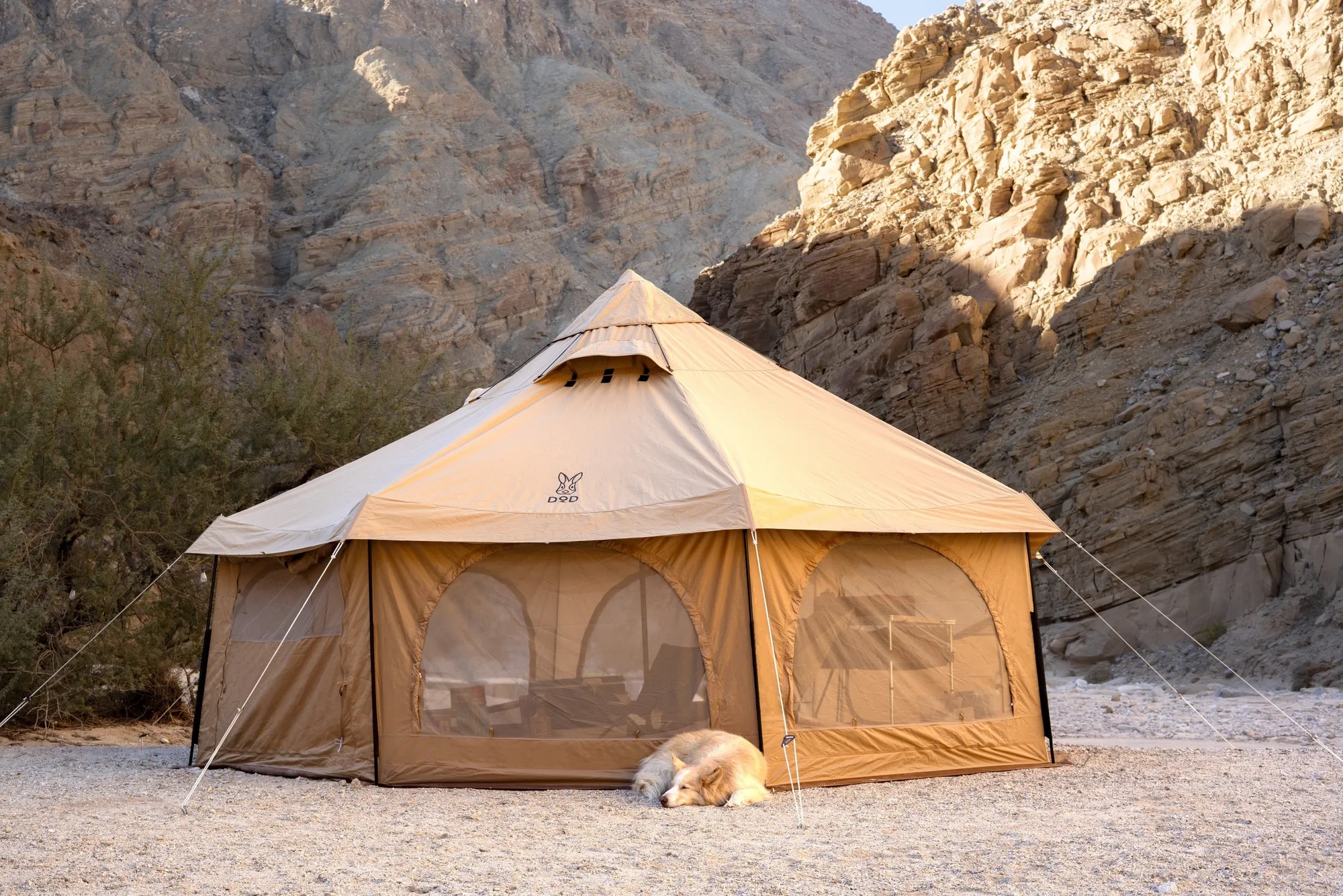
- Chimaki Tent: The Chimaki Tent is a two-walled tent with a thick CanvoTM outer tent and a thinner CanvoTM inner tent, and unlike other one-pole tent designs, the pole is on the outside of the tent. An external one-pole design is the easiest host for a 1pole tent tarp connector, because you can clamp to the pole without intruding on the sleeping space.
- Takenoko Bell Tent: The Takenoko Bell Tent has a CanvoTM roof that allows the tent to breathe, and all walls convert to mesh or wide open. Breathable fabric and convertible walls reduce condensation, so if you add a tarp overhead, keep an air gap rather than sealing the tarp against the roof.
- THE Dome Tent: THE Dome Tent uses a classic dome shape with crossed poles and includes a ground sheet, with a high ceiling in the inner tent and a large front room that can be extended into a canopy area. Crossed poles mean a 1pole connector is not the right part here; use a standard pole clamp or a separate tarp pole for the canopy extension.
Build your shelter system in the order you'll pitch it: tent, then tarp, then connector. Measure the pole diameter before you buy any clamp, keep an air gap between tarp and tent, and choose a tarp that overhangs the entry. Get those three right and the rest of the setup is just tensioning.