Quick answer
Choose a tarp when you want the lightest, most packable shelter and you can pick your site and weather. Choose a field camp tent when you need enclosed, bug-proof, weather-ready protection for exposed or multi-day trips. Many campers carry both: a tarp for quick shade and cooking cover, and a tent for sleeping.
Weather protection: where the two shelters diverge
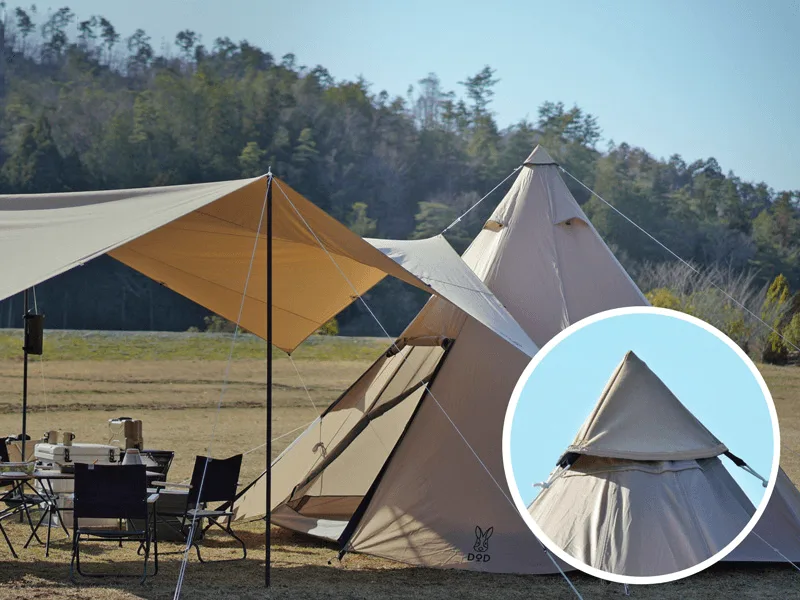
A tarp is an open or semi-open shelter. It blocks rain from above and can be pitched low and wide to cut wind, but it does not seal you in. Blown rain, ground splash, and drafts still reach you, and you manage that by choosing a sheltered pitch and adjusting the tarp as conditions change.
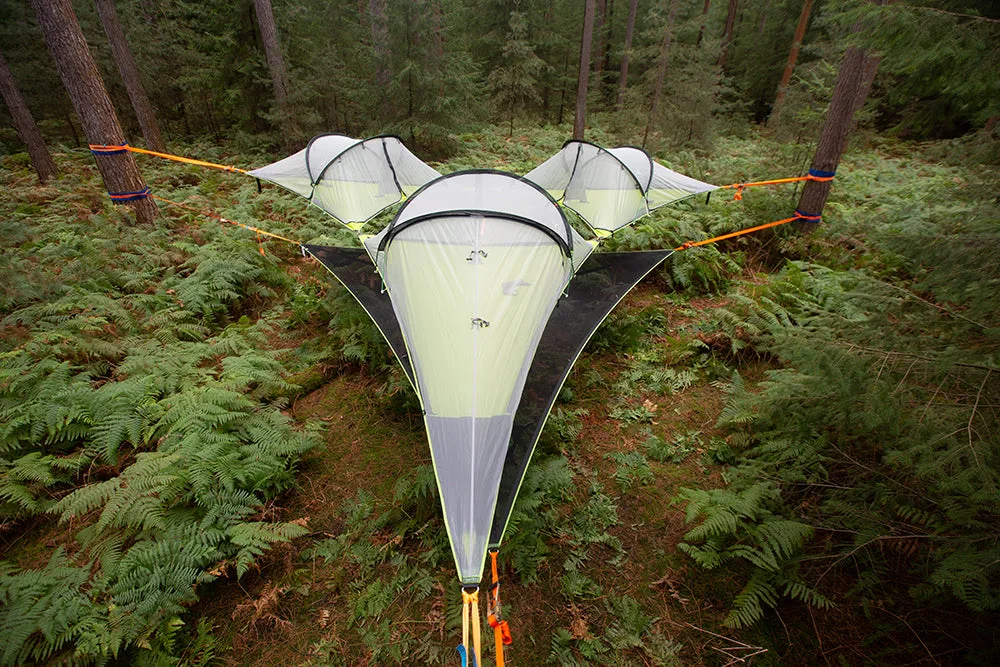
A field camp tent is a closed structure. Its walls and floor separate you from rain, wind, and insects, which matters on exposed ground or when the forecast is uncertain. That extra protection comes with more material, more packed volume, and a longer setup.
Weight, packed size, and what you are willing to carry
Tarps win on weight and packed size because they are essentially a sheet of fabric plus cordage and stakes. If you are covering distance on foot or fitting shelter into a small pack, that difference is the main reason to pick a tarp.
A tent adds poles, a floor, and often an inner layer. The trade-off is straightforward: you carry more, but you get a defined sleeping space that does not depend on finding trees, rocks, or a perfect pitch. For basecamp trips where weight matters less, the tent's bulk is easier to justify.
Setup, site selection, and skill
Tarp setup rewards practice. You need anchor points, a ridgeline or trekking poles, and the ability to read wind direction. In rocky or treeless terrain, a tarp can be difficult or impossible to pitch without poles or stakes that hold.
A field camp tent is more forgiving. Once you learn the sequence, it goes up the same way on most ground, which is useful when you arrive tired or in fading light. The trade-off is that a tent limits you to its footprint, while a tarp can be shaped to the site.
Using both together
A tarp and a tent are not mutually exclusive. A tarp pitched over the tent's entrance creates a dry vestibule for boots and cooking gear, and it can be rigged as a sun shade during the day. If you already carry a tarp for camp comfort, the tent becomes the sleeping shelter and the tarp handles the living space.
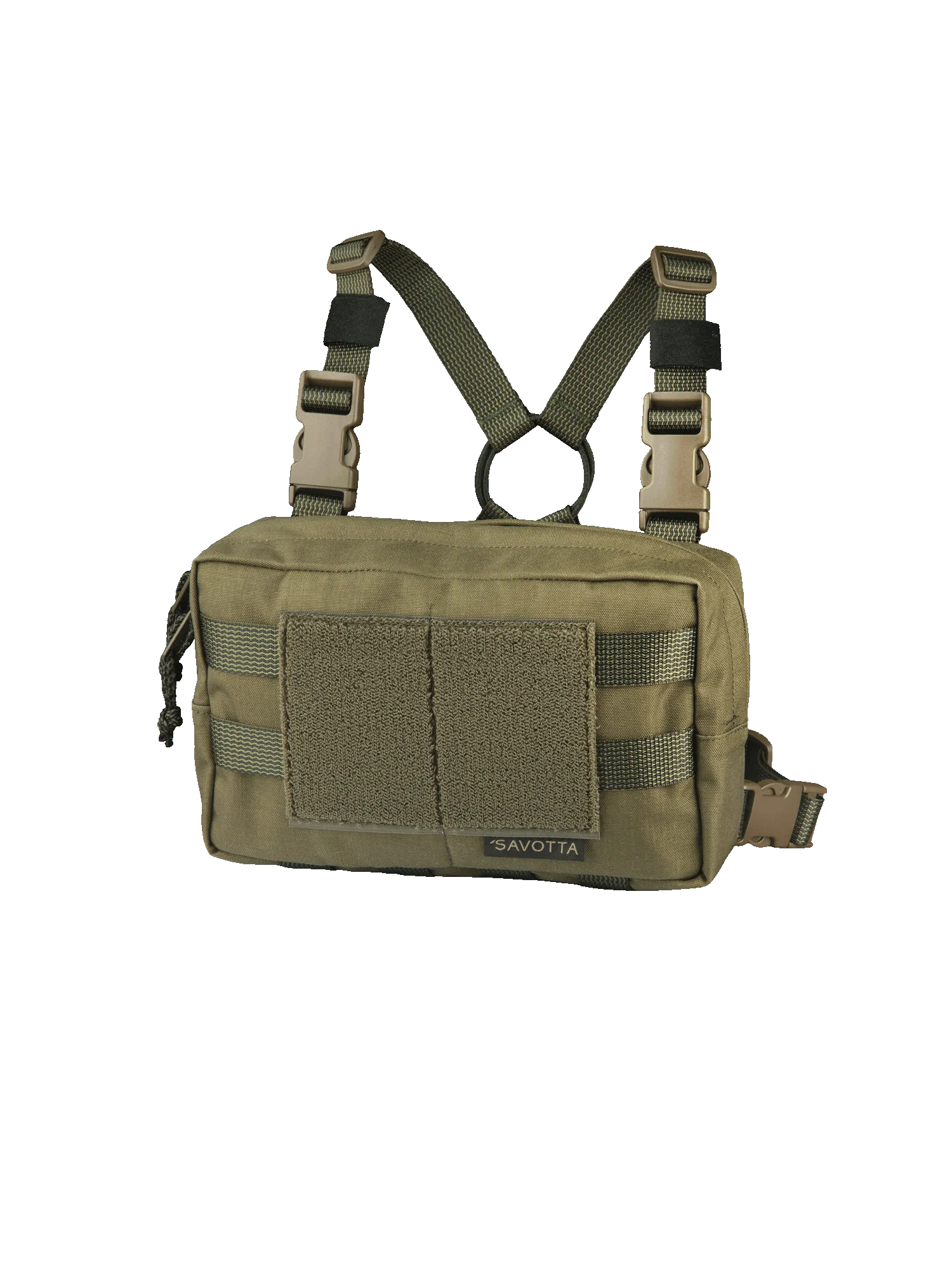
For small items that need to stay organized and accessible, a chest pack keeps essentials on your body rather than buried in the pack. The Rintamus chest pack uses a 25 mm webbing X-harness that stays low-profile under backpack shoulder straps, and it attaches at the top and bottom corners with SR buckles. Its compact size suits light loads, and the interior has several options for organizing gear.
Trade-offs to weigh before you pack
- Protection vs. openness: A field camp tent seals out rain, wind, and insects; a tarp blocks rain from above but leaves you exposed to splash and drafts. Pick the tent for exposed or buggy sites; pick the tarp for mild, sheltered conditions.
- Weight vs. convenience: A tarp is lighter and packs smaller but depends on anchor points and pitching skill; a tent is heavier and bulkier but pitches consistently on most ground. Count the weight and the setup time, not just the price.
- Living space vs. sleeping space: A tarp can be shaped into a large covered area for cooking and sitting; a tent gives a defined sleeping volume but little extra room. If camp comfort matters, carry a tarp alongside the tent rather than choosing one.
Gear that supports either shelter choice
- Rintamus chest pack: The Rintamus chest pack uses a 25 mm webbing X-harness that is slim and low profile for unobtrusive carry under backpack shoulder straps, attaching at the top and bottom corners via SR buckles. Keeps navigation, a phone, or a headlamp on your chest during tarp setup or tent pitching, so you are not digging through a pack with cold hands.
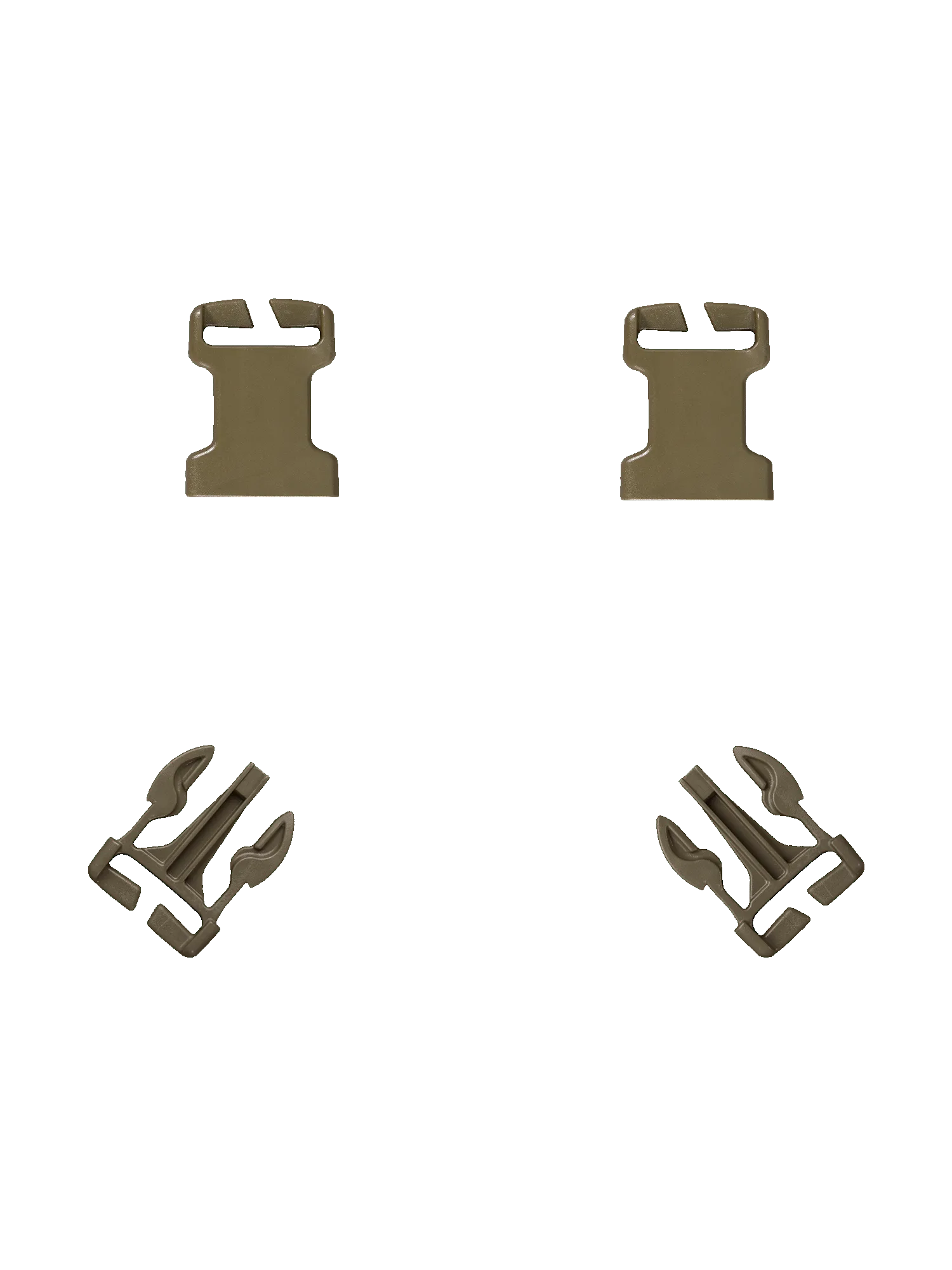
- Rintamus shoulder strap attachment kit: The Rintamus shoulder strap attachment kit bundles the buckles needed to attach the Rintamus chest pack to Kahakka-style shoulder straps, including 2x 2M WB SR Split-Bar 25 mm female and 2x 2M WB SR Split-Bar 25 mm male. If your pack uses Kahakka-style straps, this kit is the specific hardware that makes the chest pack compatible, avoiding a guess-and-return cycle.
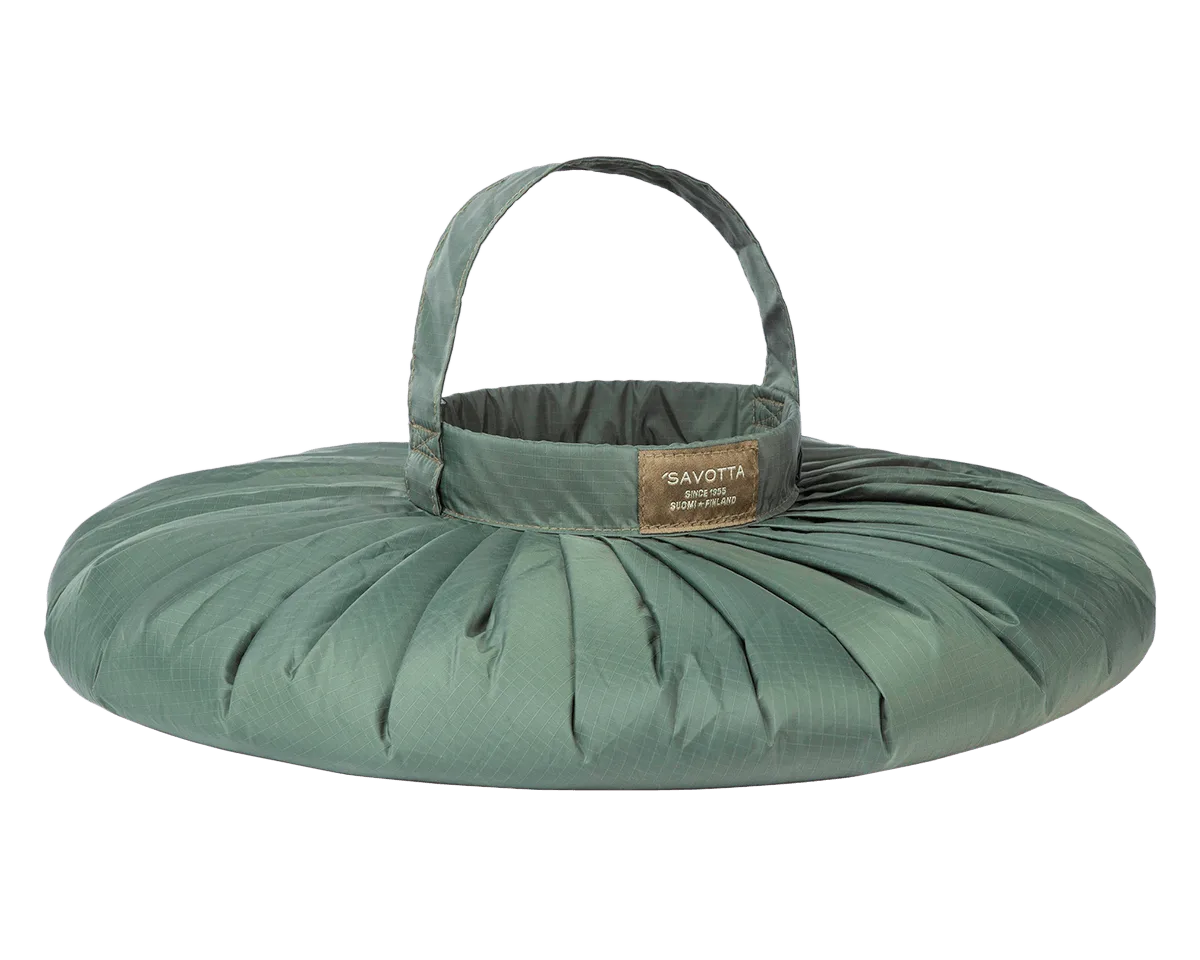
- Water carrying bag: The water carrying bag is a packable bag for moving water from a river or lake to camp; it packs small, holds up to twelve litres, and is made from lightweight 70D ripstop polyamide with a waterproof polyurethane coating. Reduces trips between camp and a water source, which matters when you are managing a tarp or tent in wet conditions. The lightweight fabric is vulnerable to abrasion and heat, so use it carefully in rocky terrain and around open fires and stoves.
Which shelter fits your trip
Best for
- Ultralight trips where every gram counts and you can choose a sheltered site
- Warm, dry, or bug-free conditions where ventilation matters more than enclosure
- Campers who already carry trekking poles or have natural anchor points
Not for
- Exposed, windy, or rainy sites where blown rain and drafts would ruin sleep
- Trips in heavy insect season or on wet ground without a floor
- Anyone who wants a repeatable pitch without practicing tarp setups