Quick answer
Choose a field camp tent when you need enclosed, insect-proof shelter and all-weather protection for basecamp living. Choose a Savotta tarp when you want a lightweight, versatile shelter that packs small and adapts to many pitches. For most three-season camping, a tent is the simpler default; a tarp shines for fast-and-light trips, hammock camping, or as a supplement to a tent.
A tarp and a field camp tent solve the same problem—keeping you dry and comfortable outdoors—but they do it in very different ways. A tarp is an open, adaptable sheet of fabric you pitch with poles, trees, or trekking poles. A field camp tent is a structured, enclosed shelter with a floor, insect protection, and a defined sleeping space.
This comparison looks at the practical differences between a Savotta tarp and a field camp tent so you can match the shelter to your trip style, climate, and comfort needs. We'll cover setup, weather protection, weight, and when each option makes the most sense.
Setup and versatility
A tarp is essentially a blank canvas. The Laavu tarp, 275x275 cm, has 17 tie-down loops—one in the centre, the rest in the four corners and along the edges—so you can pitch it in many configurations: A-frame, lean-to, or storm mode. That flexibility is great for adapting to wind direction or campsite features, but it also means you need to learn a few pitches and carry poles or rely on trees.
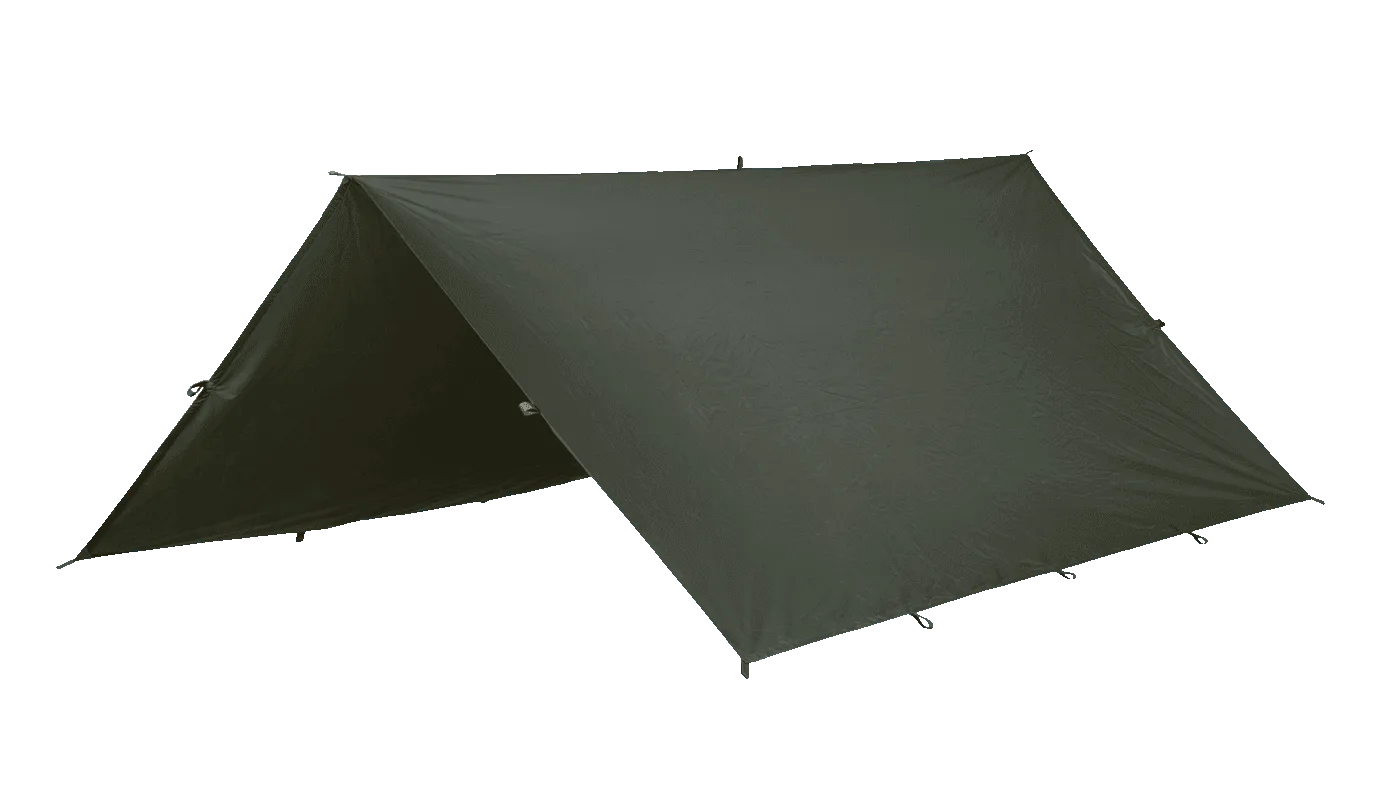
Laavu tarp, 275x275 cm
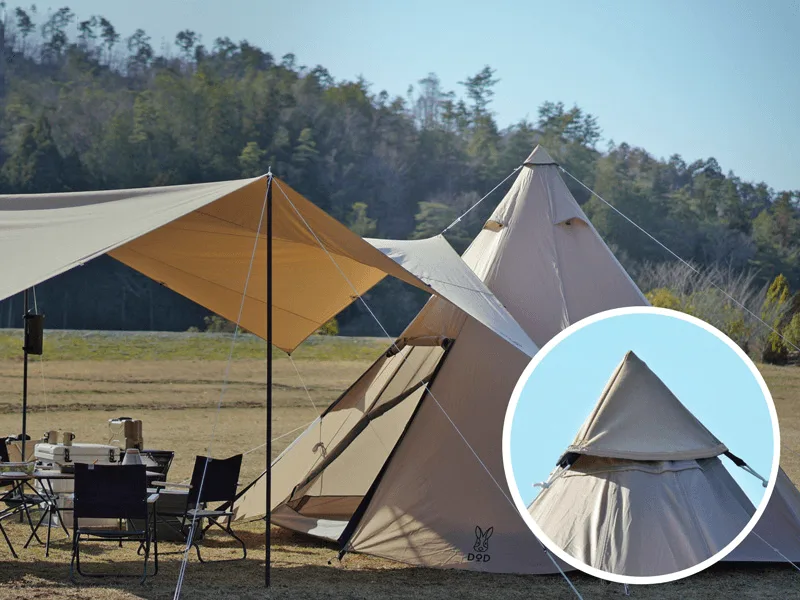
A field camp tent like the Hawu 8 has a fixed structure. Once you've pitched it a couple of times, setup becomes routine and predictable, even in poor light or bad weather. The trade-off is less freedom to change the shape; you get a consistent shelter, not an adaptable one.
- Practice two or three tarp pitches at home before your trip so you can set up quickly in wind or rain.
- If you camp above the treeline, bring dedicated poles for your tarp; trees may not be available.
Weather protection and comfort
A field camp tent provides full enclosure: walls, a floor, and usually insect netting. That means better protection from wind-driven rain, mosquitoes, and ground moisture. It also creates a warmer microclimate, which can be a blessing in cold weather and a drawback in hot, humid conditions. The Hawu 8 is designed as a field camp tent, so it prioritises durability and weather resistance over ultralight weight.
A tarp offers excellent overhead protection but leaves the sides open unless you pitch it low to the ground. That openness is ideal for ventilation and views, but it exposes you to blowing rain, insects, and drafts. You can add a groundsheet and a bug net, but that adds complexity and weight. For pure storm protection, a tent is the more reliable choice.
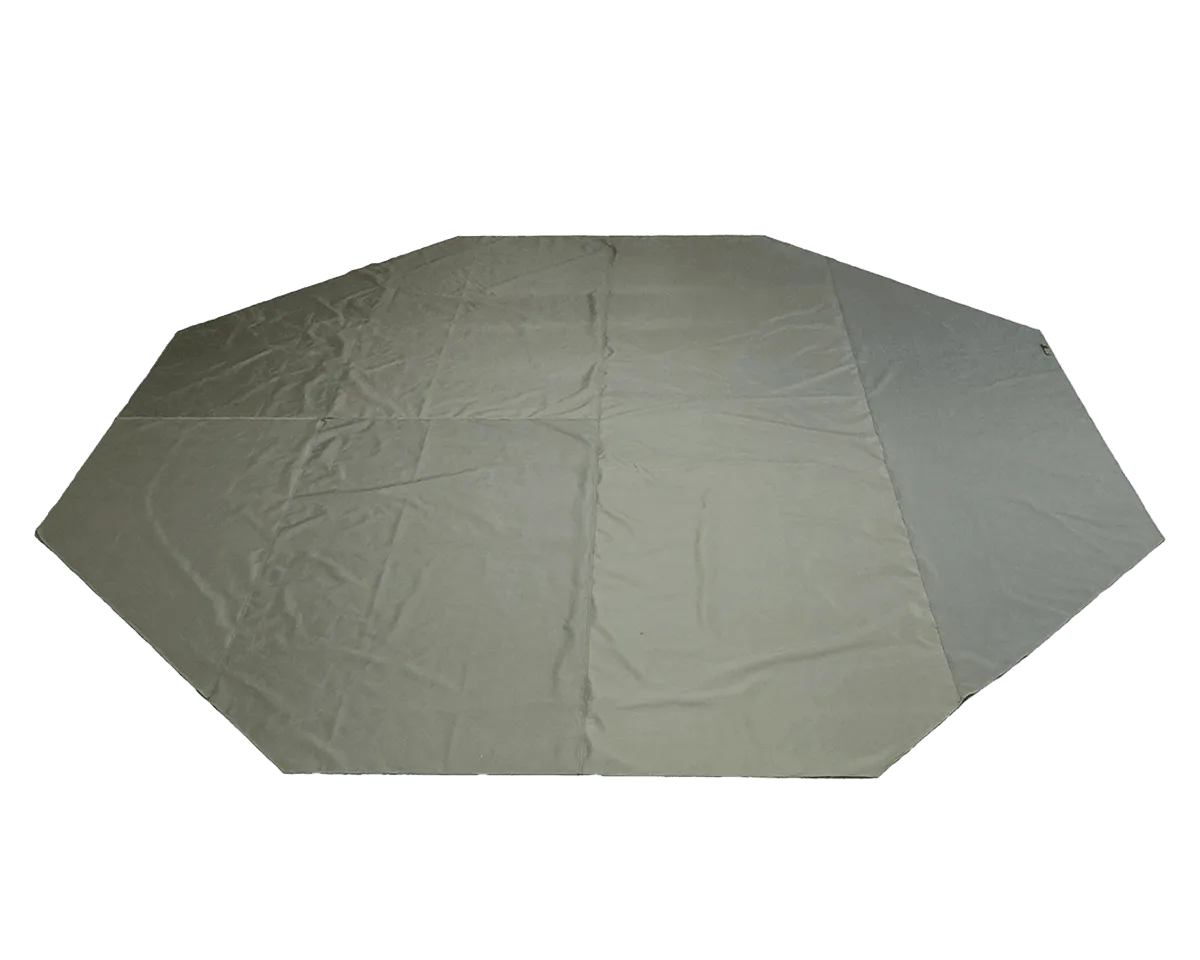
groundsheet
- In hot climates, a tarp's airflow is a major comfort advantage.
- In buggy areas, a tent with netting saves you from a miserable night.
Weight, pack size, and carrying
Tarps are generally lighter and pack smaller than tents of similar coverage. The Laavu tarp is a single fabric sheet, so it compresses down easily and can be stuffed into a side pocket. A field camp tent like the Hawu 8 includes poles, stakes, and a stuff sack, adding bulk and weight. If you're counting grams or have limited pack space, a tarp is the clear winner.
However, a tarp often requires additional items—poles, guylines, a groundsheet, and possibly a bug net—which can close the weight gap. A tent is a complete system: everything you need is in one package. For backpacking, the decision often comes down to whether you prefer a lighter but more involved setup or a heavier but simpler one.
- Weigh your tarp setup with poles and stakes against your tent's full weight to compare fairly.
- If you use trekking poles, a tarp can be a very efficient shelter choice.
Durability and long-term use
Field camp tents are built for repeated use in demanding conditions. The Hawu 8 uses robust materials and construction, and its design prioritises longevity. A tarp, especially a lightweight one, may wear faster if used on rough ground or exposed to UV for long periods. The Laavu tarp is made from a durable fabric, but it's still a single layer that can be damaged by sparks or abrasion.
That said, a tarp has fewer components to fail—no zippers, no pole sleeves, no seams under tension. If a guyline breaks, you can replace it easily. A tent may need repairs to zippers or poles over time. Both can last for years with proper care, but they fail in different ways.
- Use a groundsheet under your tarp to reduce abrasion and moisture.
- Check tent poles and zippers regularly; small repairs prevent bigger problems.
Cost and value
A tarp is usually less expensive than a comparable tent. The Laavu tarp, 275x275 cm, is a relatively affordable way to get reliable shelter. A field camp tent like the Hawu 8 costs more because it includes more materials and hardware. If budget is tight, a tarp plus a groundsheet can be a cost-effective entry into camping.
But consider the full picture: if you need insect protection and a floor, a tarp may require extra purchases that narrow the price gap. A tent is a one-time buy that covers all bases. For occasional campers, a tarp is a low-commitment option; for frequent campers, a tent's convenience may justify the higher price.
- Factor in the cost of poles, stakes, and a groundsheet when comparing tarp vs. tent prices.
- A tent often holds better resale value because it's a complete, recognisable product.
Trade-offs at a glance
- Setup speed and simplicity: A field camp tent pitches the same way every time and is easy to set up in bad weather. A tarp requires practice and may need trees or poles. If you want hassle-free setup, choose a tent. If you enjoy experimenting with pitches, a tarp is rewarding.
- Weather and bug protection: A tent offers full enclosure, keeping out wind-driven rain, insects, and drafts. A tarp provides overhead cover but leaves sides open unless pitched low. For stormy or buggy conditions, a tent is safer and more comfortable. For mild, dry weather, a tarp is fine.
- Weight and pack size: A tarp is lighter and packs smaller than a tent, but you may need to add poles, stakes, and a groundsheet, which increases weight and bulk. Weigh your complete tarp kit against your tent to make a fair comparison. Ultralight backpackers often prefer tarps.
- Cost and completeness: A tarp is cheaper upfront but may require extra purchases. A tent costs more but includes everything you need in one package. Budget-conscious campers may start with a tarp; frequent campers often find a tent worth the investment.
Product facts
- Laavu tarp, 275x275 cm: A simple square tarp is probably the most universal and multifunctional type of personal shelter there is, not nearly as fancy as a tent but extremely versatile. 275 x 275 cm is big enough to shelter one or two persons relatively comfortably. A total of 17 tie-down loops, one in the centre, the rest in the four corners and along the edges, offering numerous different pitching options. The many tie-down loops let you adapt the pitch to wind, rain, or sun, and the size suits solo or duo camping. It's a flexible shelter that can be set up in many ways, but you'll need to learn a few pitches to get the most from it.
- Groundsheet: A proper, heavy duty groundsheet for field camp tents. Protects both the personnel and their equipment from the humidity and dirt. A ground sheet also helps with ground insulation, especially if you can stuff some spruce branches or similar lofty material underneath it. The light gray colour adds visibility inside the tent. Made from a strong 600D polyester fabric, rubberized for waterproofness and friction. If you choose a tarp, a groundsheet is essential to keep you and your gear dry and clean. It also adds insulation and makes the floor less slippery. The light colour helps you find items inside.
Which shelter fits your trip?
Best for
- Campers who want a lightweight, versatile shelter and don't mind learning a few pitches
- Fast-and-light trips, hammock camping, or as a supplement to a tent
- Mild weather where ventilation and views matter more than full enclosure
Not for
- Campers who need insect protection and a floor without extra gear
- Stormy or cold conditions where full enclosure is essential
- Those who prefer a predictable, one-piece shelter they can pitch quickly in any weather
Both a Savotta tarp and a field camp tent can serve you well—the right choice depends on your priorities. If you value adaptability, low weight, and simplicity, a tarp like the Laavu tarp, 275x275 cm, is an excellent option. If you want complete protection, convenience, and a defined living space, a field camp tent is the better fit. Consider your typical conditions and comfort needs, and you'll pick the shelter that keeps you happy outdoors.