For ultralight backpackers, every ounce counts. When it comes to shelter, the age-old debate between tarp shelters and tents is more relevant than ever. Both options have passionate advocates, but the right choice depends on your priorities: weight, weather resistance, ease of setup, and budget. In this guide, we break down the pros and cons of each so you can make an informed decision for your next adventure.
Whether you're a seasoned thru-hiker or a weekend warrior, understanding the trade-offs between a minimalist tarp and a fully enclosed tent is key to optimizing your pack. We'll cover everything from material differences to real-world performance, helping you find the perfect balance between comfort and efficiency.
Weight and Packability: The Ultralight Advantage
When it comes to weight, tarp shelters are the undisputed champions. A typical backpacking tarp weighs between 5 and 12 ounces, often less than half the weight of a lightweight tent. For ultralight enthusiasts, this reduction can free up precious ounces for other gear like a warmer sleeping bag or extra food. Tarps also pack down incredibly small, slipping into a side pocket or stuff sack without taking up much space.
Tents, even the lightest models, generally start around 1.5 to 2.5 pounds. While modern materials like Dyneema and silnylon have slimmed them down, they still include poles, stakes, and a floor that add bulk. However, for those who prioritize a fully enclosed space, the extra weight is often worth it. If you're looking to shave weight without sacrificing protection, consider pairing a lightweight tarp with a bivy sack or a simple groundsheet.
- Tarp shelters: 5–12 oz, highly packable, ideal for gram counters.
- Tents: 1.5–2.5 lbs, bulkier but offer complete enclosure.
- Tip: Use a tarp with a lightweight groundsheet to save weight while keeping gear dry.
Weather Protection: Staying Dry and Safe
Weather protection is where tents clearly outperform tarps. A tent provides a sealed, bug-proof environment that shields you from rain, wind, snow, and crawling insects. The bathtub floor keeps moisture out, and the full fly prevents drafts. For unpredictable mountain weather or buggy summer nights, a tent offers peace of mind that a tarp simply cannot match.
Tarps, on the other hand, require careful site selection and pitch technique to stay dry. In heavy rain with side winds, a tarp can leave you exposed unless you use a more complex setup like a half-pyramid or A-frame with a low profile. However, in mild conditions, a well-pitched tarp provides excellent ventilation and keeps condensation at bay—a common issue in tents. For those who enjoy sleeping under the stars, a tarp offers a more immersive experience.
- Tents: Full protection from rain, wind, bugs, and snow.
- Tarps: Best in fair weather; require skill to pitch in storms.
- Consider a tarp for dry climates or summer trips; choose a tent for wet or cold conditions.
Setup and Versatility: Speed vs. Stability
Tarp shelters are incredibly versatile. With a few stakes and trekking poles, you can pitch them in dozens of configurations—A-frame, lean-to, diamond, or even a closed pyramid. This adaptability lets you adjust to terrain and weather, using natural features like trees or rocks as anchors. Setup time is often under five minutes once you master a few knots.
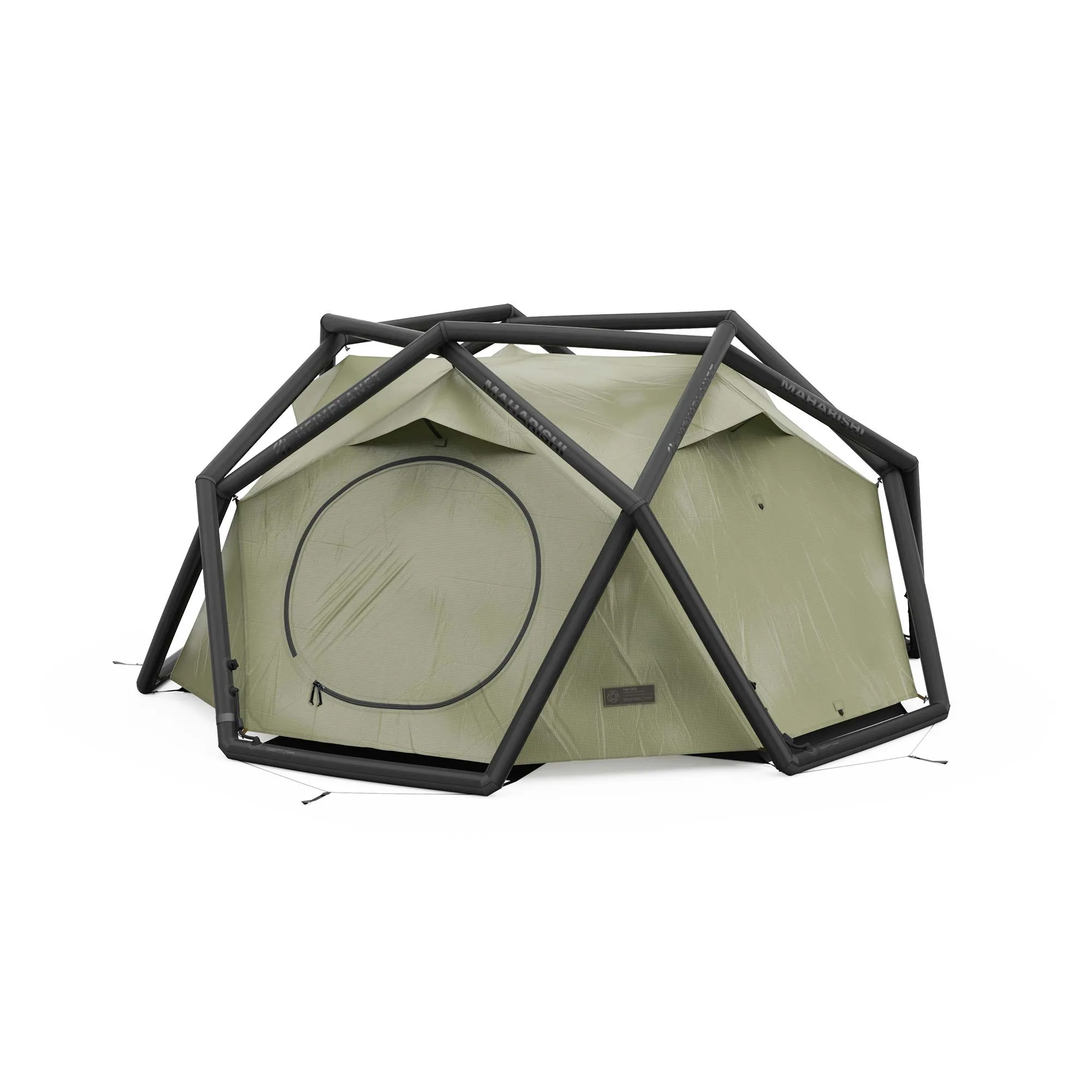
Tents are generally faster to set up thanks to color-coded poles and clips, but they require a flat, clear patch of ground. Freestanding tents can be moved easily, while non-freestanding models need stakes. For beginners, a tent is more forgiving; for experienced backpackers, a tarp offers creative freedom. If you want a balance, some shelters like the KIRRA, 3-Season, Black/Cairo Camo combine tarp-like lightness with tent-like stability, making them a great hybrid option.
- Tarps: Endless pitch options, use trekking poles, best for skilled users.
- Tents: Quick, foolproof setup, requires level ground.
- Tip: Practice pitching your tarp at home before your trip to avoid frustration.
Cost and Durability: What You Get for Your Money
Tarps are generally more affordable than tents, with high-quality options ranging from $50 to $150. They are also easier to repair—a patch kit or seam sealer can fix most issues. However, tarps are more susceptible to abrasion and punctures, especially if pitched on rough ground without a groundsheet.
Tents are a bigger investment, often $200 to $600 or more, but they offer longer lifespans with proper care. The poles, zippers, and floors are built to withstand repeated use. For budget-conscious backpackers, a tarp is a cost-effective entry point. If you want to upgrade your setup, consider adding a Carry Essentials Simple Pouch Mono 2L; Diamond Black to keep your small gear organized inside your shelter.
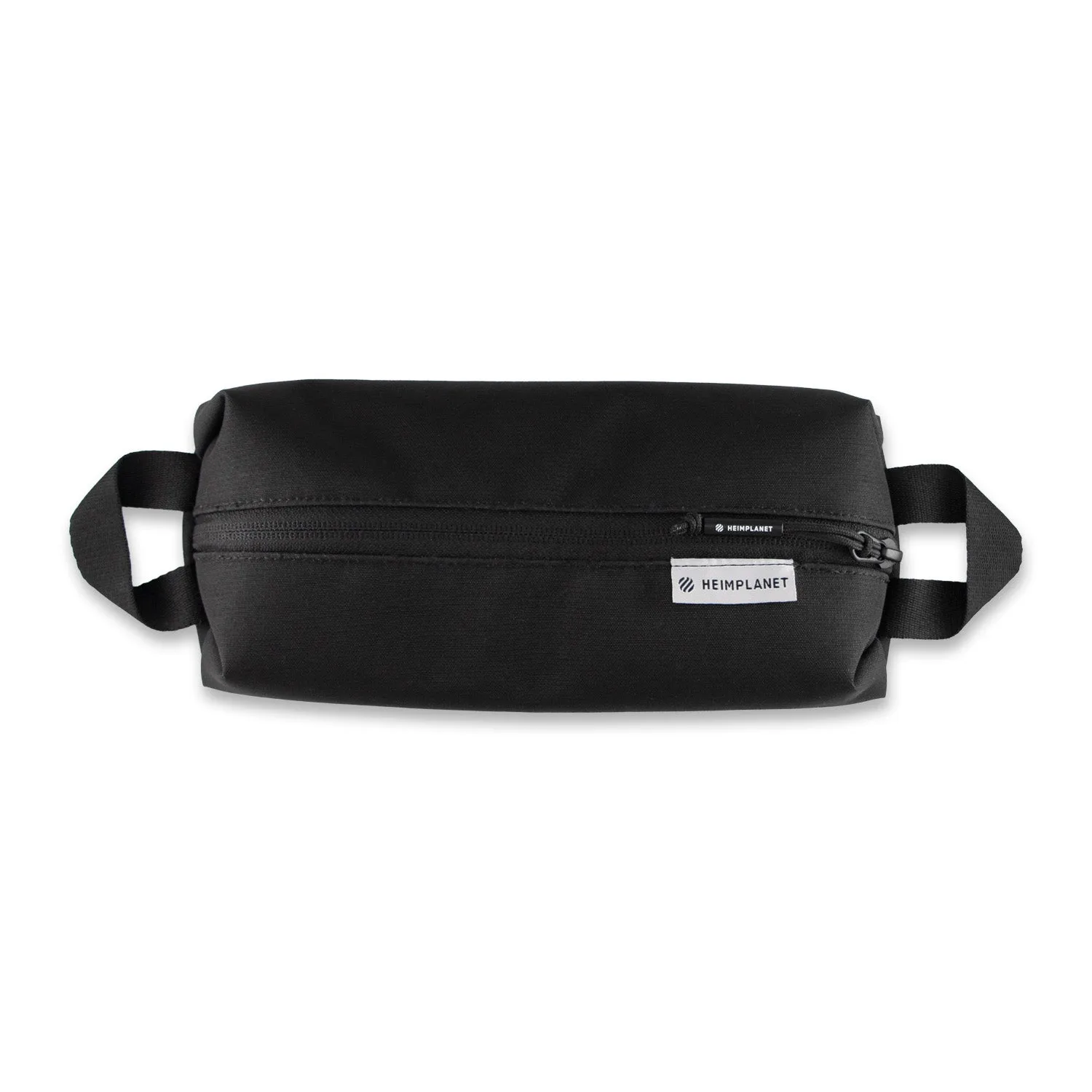
Carry Essentials Simple Pouch Mono 2L; Diamond Black
- Tarps: $50–$150, lightweight, easy to repair.
- Tents: $200–$600+, durable, but costly to replace.
- A tarp is a great starter shelter; a tent is a long-term investment for frequent trips.
Which Should You Choose?
The decision ultimately comes down to your hiking style and the conditions you expect. If you're a gram-obsessed ultralight backpacker who enjoys tinkering with pitches and doesn't mind a bit of exposure, a tarp shelter is your best bet. It's ideal for fast-and-light trips in dry, mild weather.
If you value comfort, bug protection, and all-weather reliability, a tent is the smarter choice. It's better for family trips, rainy climates, or when you need a private space to relax. For those who want the best of both worlds, hybrid shelters like the KIRRA Strut offer a lightweight design with integrated poles and a floor, bridging the gap between tarps and tents.

KIRRA Strut
- Choose a tarp for: ultralight trips, dry climates, experienced campers.
- Choose a tent for: all-weather use, buggy areas, beginners or groups.
- Consider a hybrid shelter if you want a middle ground.
No matter which shelter you pick, the key is to match it to your specific needs. A tarp can transform your pack weight, while a tent provides unmatched comfort. Start with a reliable option like the KIRRA, 3-Season, Black/Cairo Camo to enjoy the benefits of both worlds, and don't forget to add a Carry Essentials Simple Pouch Mono 2L; Diamond Black to keep your essentials within reach. Happy trails!