Quick Answer
Yes, card games can support mental health by encouraging reflection and communication, but they are not a substitute for professional therapy. Products like Journal Prompt Cards and https://theschooloflifeiu.com/products/know-yourself-prompt-cards-0423035d7b236c6a9749abcd-880615Know Yourself offer structured prompts that help you explore thoughts and feelings, yet they work best as complementary tools.
You've probably seen claims that card games can transform your mental health, reduce anxiety, or even replace therapy. But how much of this is true? In this article, we separate fact from fiction, looking at what these tools can actually do and where their limits lie.
We'll examine common myths about using cards for psychological growth, drawing on real product examples from The School of Life Shop. You'll learn practical ways to incorporate them into your routine without expecting miracles.
Myth: Card Games Are a Substitute for Therapy
One widespread misconception is that playing a card game can replace professional mental health treatment. While these tools can be incredibly helpful for self-reflection and starting conversations, they are not designed to diagnose or treat mental health conditions. They lack the personalized guidance and clinical expertise that a therapist provides.
Instead, think of them as supportive aids. For instance, Journal Prompt Cards are not a therapy session but a way to structure your journaling practice, helping you focus on topics that matter. They can complement therapy by giving you prompts to discuss with your therapist, but they shouldn't be your only resource if you're struggling.
Myth: All Mental Health Cards Are the Same
Another myth is that any deck of cards labeled 'therapeutic' will work for everyone. In reality, different cards serve different purposes. Some focus on self-exploration, others on creativity, and some on improving relationships. Using the wrong type can lead to frustration or disappointment.
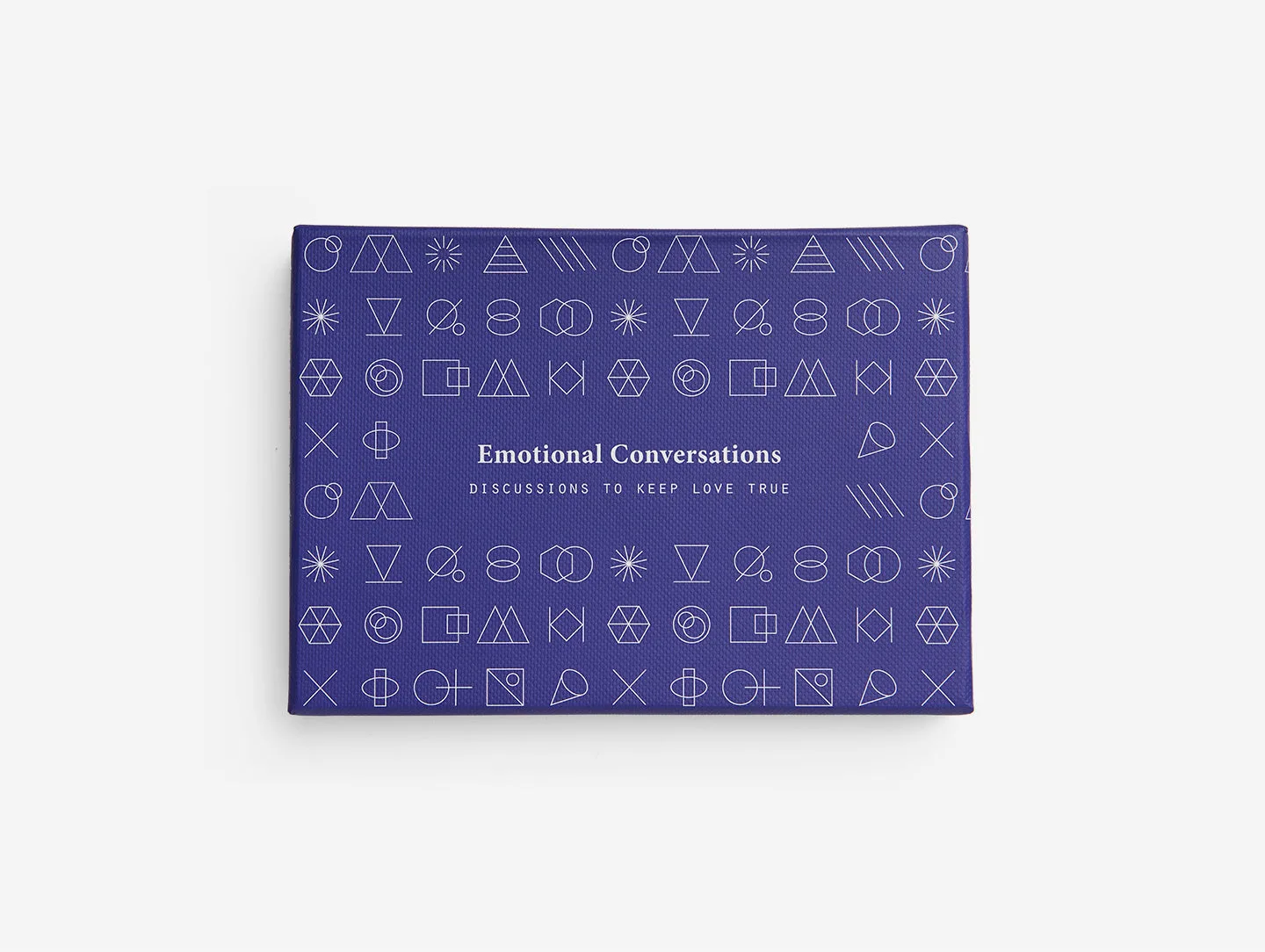
For example, Know Yourself is designed to help you understand your desires and reactions, making it ideal for personal growth. In contrast, Emotional Conversations targets relationship communication. Knowing what you want to work on is key to choosing the right tool.
Myth: Playing Once Will Bring Immediate Results
Many people expect that a single session with a card game will bring instant clarity or relief. However, meaningful change takes time and repetition. These cards are prompts, not magic spells. Their power lies in consistent use, allowing you to build a habit of reflection and gradually uncover deeper insights.
Consider using them as part of a routine. Set aside a few minutes each day or week to engage with a prompt. Over time, you'll likely notice patterns and shifts in your thinking, but don't expect overnight transformation.
Verdicts on Common Claims
- Claim: Card games replace therapy: False. They are not a substitute for professional help. Use them as a complement to therapy, not a replacement. If you're in crisis, seek a qualified professional.
- Claim: All mental health cards are equal: False. Different decks target different areas, such as self-knowledge or relationships. Choose based on your goals. Assess your needs before buying.
- Claim: Immediate results from one session: Mostly false. Consistent use over time yields the best outcomes. They are tools for gradual self-discovery. Incorporate them into a regular routine.
Products That Support Mental Well-Being
- Journal Prompt Cards: A tool for more effective journaling. Journaling is one of the most effective ways to regain direction and calm: but what we should ideally be journaling about isn't always clear. This set of prompt cards directs us to some of the most fruitful topics for reflection and self-exploration. If you struggle with knowing what to write about, these cards provide structure, making journaling a more focused and calming practice.
- Know Yourself: 60 cards designed to help lead you through the important task of knowing yourself a little better in life. It's hard to understand who we really are: what we want, how we feel and why we react as we do. For personal growth, this deck helps you identify patterns in your thoughts and behaviors, which is a crucial step toward emotional well-being.
Card games can be valuable allies in your mental health journey, offering structured prompts for reflection and communication. However, they are not magic cures. Use them wisely, alongside professional support when needed, and you'll get the most benefit.