Quick Answer
Copper bisglycinate can support skin and nail health when a deficiency is present, but it is not a universal solution. Start by checking your symptoms and zinc intake before supplementing.
When Copper Bisglycinate May Help
Copper is essential for connective tissue formation and skin health. If you have brittle nails, slow-healing skin, or loss of skin elasticity, a copper deficiency could be a factor. Copper bisglycinate is a well-absorbed form that may address these issues.
The Zinc-Copper Balance
Copper and zinc compete for absorption. Taking high doses of zinc (e.g., 50 mg daily for extended periods) can deplete copper levels, leading to deficiency symptoms. If you supplement zinc, you may need to balance it with copper.
Diagnosis: Is Copper Bisglycinate Right for You?
- Symptom: Brittle or ridged nails, slow wound healing, reduced skin elasticity, or premature graying of hair.
- Likely Cause: Low dietary copper intake or long-term high zinc supplementation (e.g., 50 mg daily) that has disrupted copper absorption. If you take high-dose zinc, check your total daily intake.
- Corrective Action: Consider a copper bisglycinate supplement like Copper Bisglycinate. Start with the lowest effective dose and monitor for improvement over 4–8 weeks. Track changes in nail strength and skin healing.
- When to Stop or Choose Another Option: If symptoms do not improve after 8 weeks, or if you have normal copper levels but still experience issues, copper may not be the answer. Consider consulting a healthcare professional to explore other causes (e.g., biotin deficiency, thyroid issues). Do not exceed recommended copper intake; excess copper can be toxic.
Product Facts
-
Copper Bisglycinate: Copper is essential for connective tissue health and skin health, and is a component of the antioxidant enzyme superoxide dismutase. This means adequate copper supports the structural proteins in skin and nails, and helps protect them from oxidative stress.
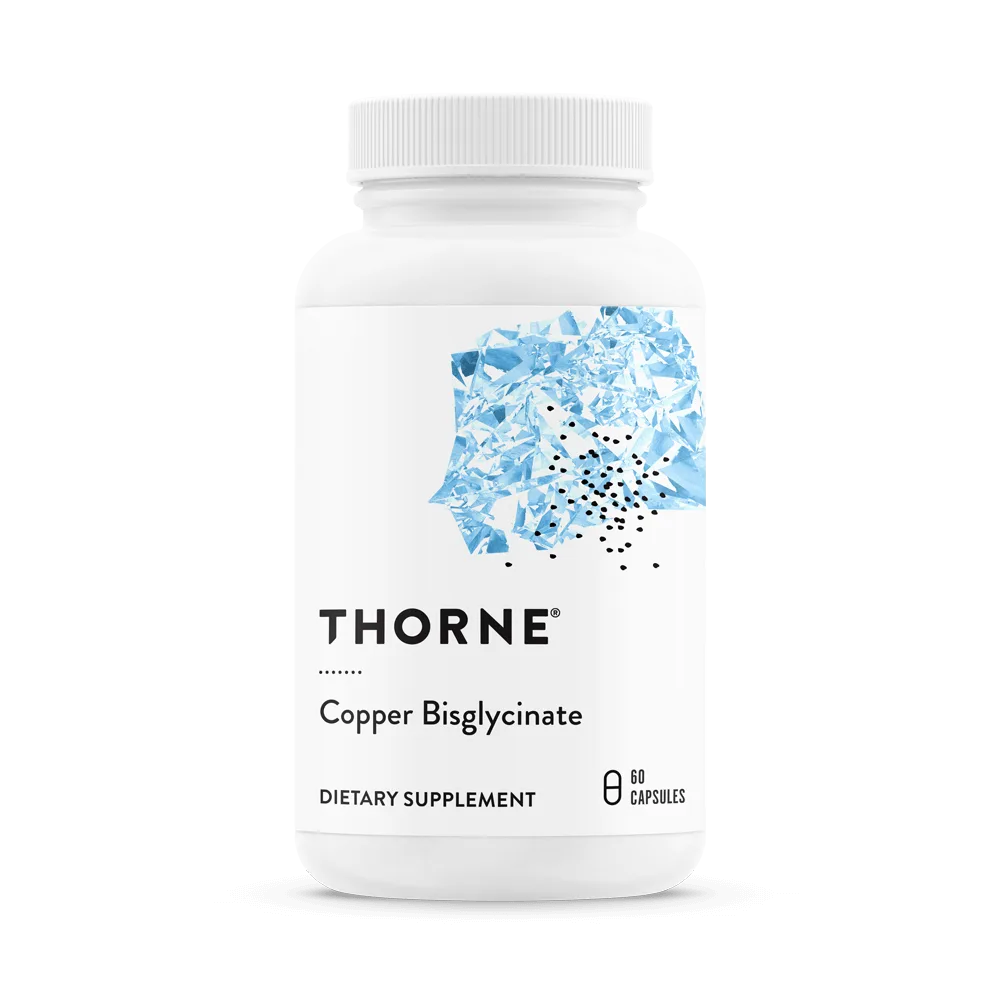
Copper Bisglycinate