Quick Answer
Yes, you can use body cream on your face in a pinch, but it's not ideal for daily use. Body creams are often heavier and may clog pores or irritate sensitive facial skin. For regular care, choose products formulated for your face, especially if you have acne-prone or reactive skin.
We've all been there: you run out of face moisturizer and reach for the body lotion. It's a common shortcut, but is it a good idea? The answer isn't a simple yes or no. Understanding the differences between face and body moisturizers can help you make better choices for your skin.
In this article, we'll separate fact from fiction about using body cream on your face. We'll look at what makes a face cream different, when it's okay to use body products, and how to choose natural options that work for both.
Myth 1: Body Cream and Face Cream Are the Same
Many people assume that any moisturizer will do the job, but face and body creams are formulated differently. Facial skin is thinner and more delicate, with more oil glands and less natural moisture. Body creams are often thicker and designed to lock in moisture on larger, less sensitive areas.
Ingredients also differ. Body creams may contain heavier oils or fragrances that can feel greasy on the face or trigger breakouts. Face creams, on the other hand, are typically lighter and non-comedogenic, meaning they're less likely to clog pores.
- Check the label: if a product is not labeled for facial use, it may not be suitable for your face.
Myth 2: Natural Body Cream Is Safe for Your Face
Natural body creams can still be too rich for facial skin. Even organic ingredients like coconut oil or shea butter can be comedogenic for some people. The texture and concentration matter just as much as the source.
That said, some natural oils are versatile enough for both face and body. For example, jojoba oil is lightweight and closely mimics your skin's natural sebum, making it a good choice for facial use. Look for products that specify they're suitable for the face, or use a simple oil like jojoba as a facial moisturizer.
- If you have oily or acne-prone skin, avoid heavy butters and oils on your face.
Myth 3: Using Body Lotion on Your Face Causes Breakouts
It's not a universal rule, but it's a real risk. Body lotions often contain ingredients like mineral oil or synthetic fragrances that can clog pores or irritate sensitive skin. If you're prone to breakouts, using body lotion on your face may lead to pimples or redness.
However, not all body lotions are created equal. A light, fragrance-free body lotion might be okay for an emergency, but it's still not a substitute for a face-specific product. The safest approach is to use a facial moisturizer that matches your skin type.
- If you must use body lotion on your face, choose one without fragrance and patch-test on a small area first.
The Verdicts at a Glance
- Body cream on face safe?: Occasional use is okay, but not ideal for daily care. Choose fragrance-free and non-comedogenic formulas if you must. For regular use, pick a face-specific moisturizer.
- Is body lotion bad for face?: Not always, but it can cause breakouts or irritation if it contains heavy oils or fragrances. Patch-test before applying to your face. When in doubt, skip it.
- What should you use instead?: Look for lightweight, natural oils like jojoba or a simple face serum. These are less likely to clog pores and are formulated for facial skin. Invest in a product made for your face.
Natural Options That Work for Face and Body
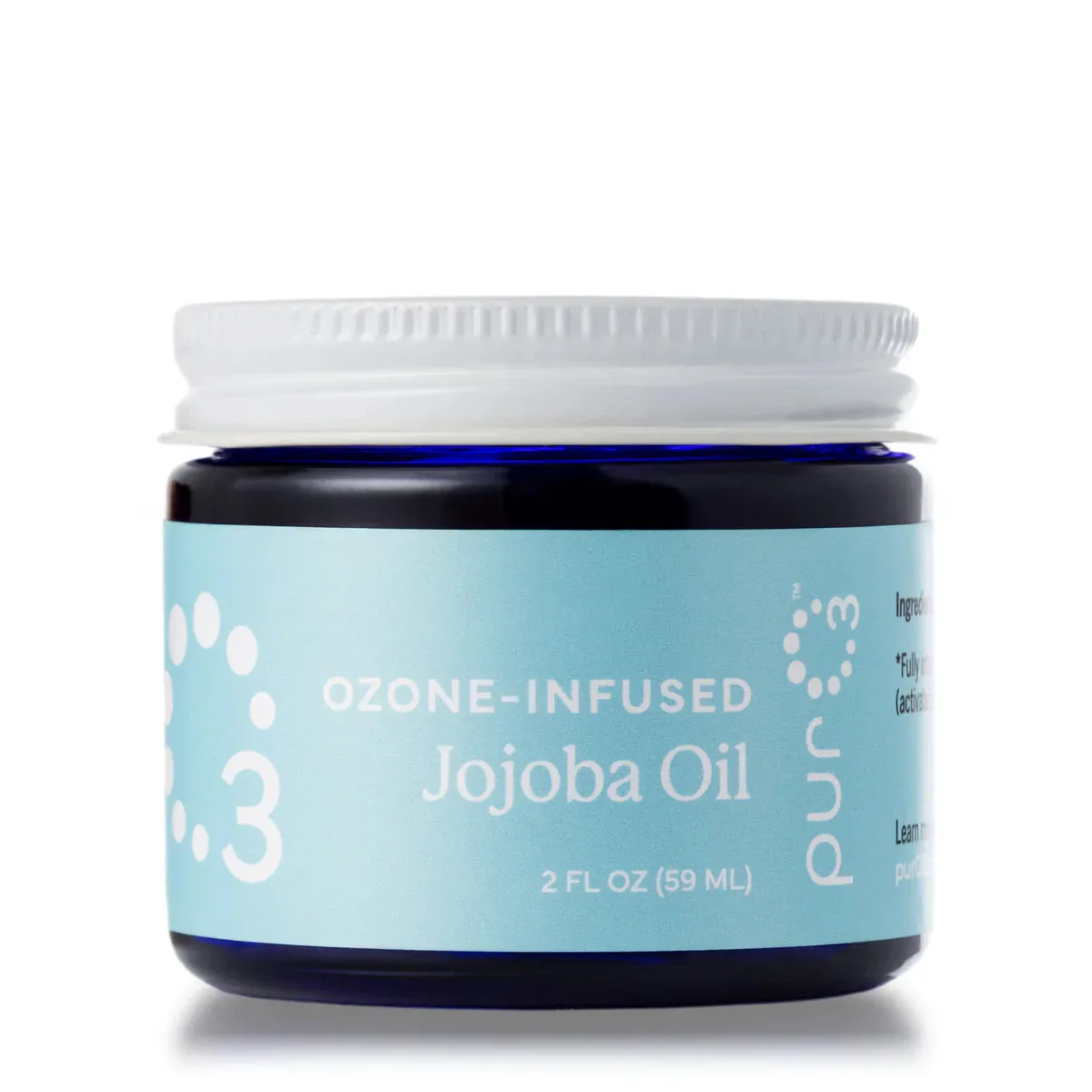
- Ozone-Infused Jojoba Oil: Net wt 2 fl oz | 59 ml Oil in a Glass Jar with Lid Organic Jojoba Seed Oil** Fully infused with ultrapure ozone (activated oxygen) Jojoba oil is lightweight and similar to your skin's natural oils, making it a great choice for facial moisture without heaviness.
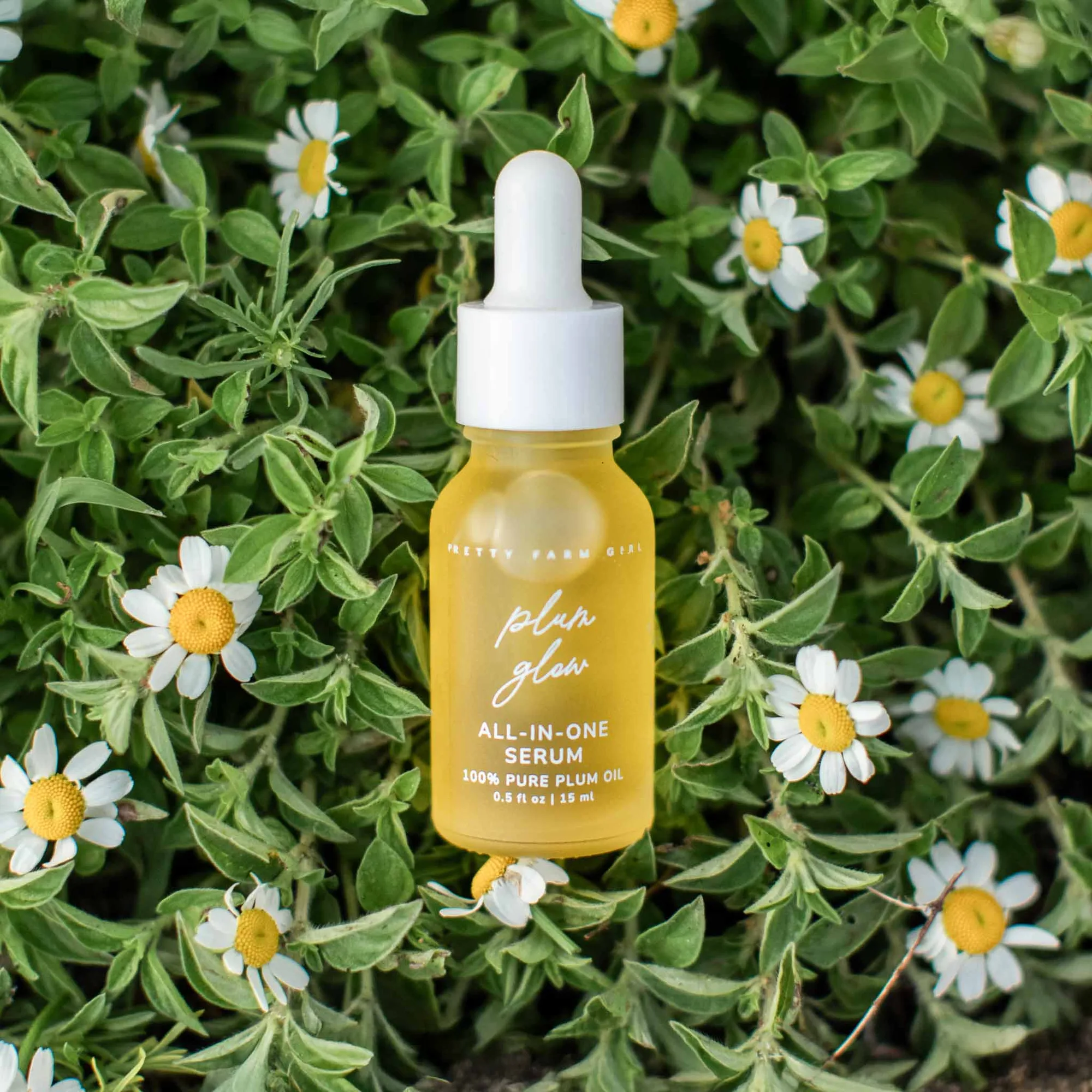
- Plum Glow Multipurpose Face Serum | 100% Pure Plum Oil: Available in two sizes: Net wt 0.5 fl oz | 15 ml OR Net wt 1 fl oz | 29ml Serum in a Glass Bottle with Dropper Prunus Domestica (Plum) Seed Oil** Organic A single-ingredient serum like this can be used on your face and even on dry patches on your body, offering a versatile natural option.
Using body cream on your face isn't a skincare sin, but it's not the best habit. Your face deserves a product that's tailored to its unique needs. When you can, choose a natural face moisturizer or a lightweight oil, and save the body cream for your body. Your skin will thank you.