Quick Answer
Yes, magnesium may help reduce anxiety, especially when you have a deficiency. The glycinate and bisglycinate forms are often recommended for their calming effects. However, results vary, and magnesium is not a substitute for professional treatment.
Anxiety can feel overwhelming, and many people look for natural ways to find calm. One mineral that often comes up is magnesium. But does magnesium actually help with anxiety? The answer is promising, but it's not a magic cure.
In this article, we'll explore the connection between magnesium and anxiety, how to spot a deficiency, and which forms of magnesium are most likely to support a sense of calm.
How Magnesium May Affect Anxiety
Magnesium plays a role in over 300 biochemical reactions in the body, including those that regulate the nervous system. It helps modulate the stress response and supports the function of GABA, a neurotransmitter that promotes relaxation. When magnesium levels are low, your body may struggle to manage stress, potentially worsening anxiety symptoms.
Research suggests that magnesium deficiency can contribute to heightened anxiety and stress. While studies are not conclusive, many people report feeling calmer when they increase their magnesium intake. However, it's important to note that magnesium is not a treatment for anxiety disorders and should not replace therapy or medication.
- Magnesium supports GABA function, which may promote relaxation.
- Low magnesium levels are linked to increased stress and anxiety.
- Magnesium is a supplement, not a substitute for professional care.
Signs You Might Be Deficient
Many people don't get enough magnesium from their diet. Common signs of deficiency include muscle cramps, fatigue, trouble sleeping, and irritability. If you experience these symptoms along with anxiety, it may be worth checking your magnesium intake.
Certain factors can increase your risk of deficiency, such as high stress, heavy alcohol consumption, digestive disorders, and some medications. If you suspect a deficiency, a blood test can help confirm it, but note that standard tests may not reflect total body magnesium levels.
- Watch for muscle cramps, fatigue, and sleep issues.
- Stress, alcohol, and digestive issues can deplete magnesium.
- A blood test may help, but it's not always definitive.
Best Forms of Magnesium for Anxiety
Not all magnesium supplements are the same. For anxiety, forms that are well-absorbed and have a calming effect are ideal. Magnesium glycinate and bisglycinate are often recommended because they are chelated for better absorption and may have a soothing effect on the nervous system.
Magnesium citrate is also absorbable but may have a laxative effect in high doses. Magnesium oxide is less bioavailable and not typically recommended for anxiety. When choosing a supplement, look for the specific form and consider the dosage per serving.
- Glycinate and bisglycinate are top choices for anxiety.
- Citrate is absorbable but can cause digestive upset.
- Oxide is less effective for anxiety due to low absorption.
Diagnosis: Is Magnesium Right for Your Anxiety?
- Symptom: You feel anxious, stressed, or have trouble relaxing. Consider whether you have other deficiency signs like muscle cramps or poor sleep.
- Likely Cause: Your magnesium levels may be low due to diet, stress, or other factors. A blood test can help, but don't rely on it solely.
- Corrective Action: Try a well-absorbed form like magnesium glycinate or bisglycinate, starting with a moderate dose. Give it a few weeks to see if you notice a difference in your anxiety levels.
- When to Stop or Choose Another Option: If you experience digestive discomfort, or if anxiety persists or worsens, stop and consult a healthcare professional. Magnesium is not a replacement for therapy or medication.
Product Facts
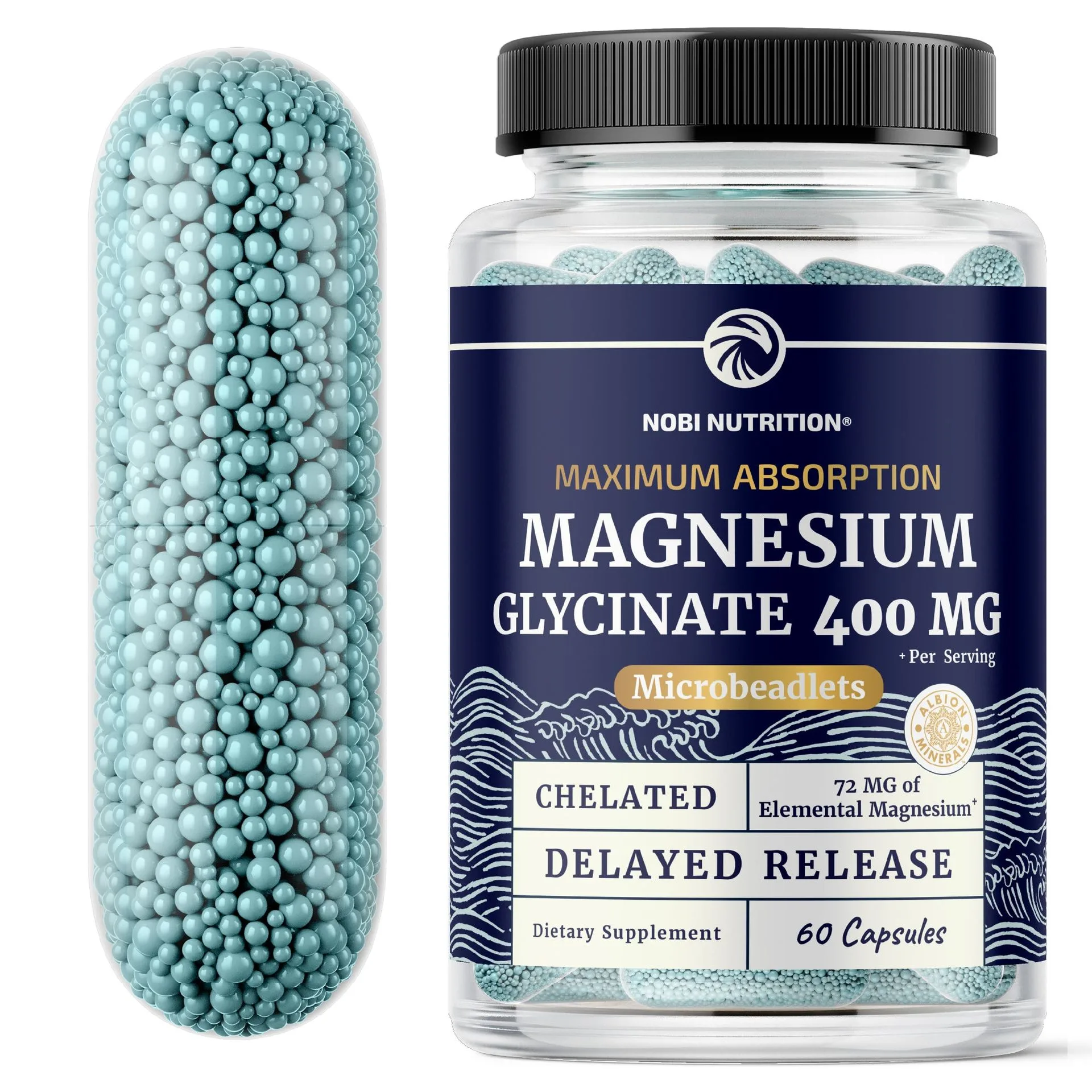
- Magnesium Glycinate Beadlets: CHELATED FOR PREMIUM ABSORPTION: Pure Magnesium Glycinate is the most bioavailable form of this essential mineral. Our chelated Magnesium Glycinate uses the TRAACS system, to help your body get the most from every dose.* SUPPORTS SLEEP & RELAXATION: A good Magnesium supplement for women and men helps support muscle function and relaxation, especially after exercise. Magnesium Glycinate may also help to... The chelated form and TRAACS technology ensure your body absorbs the magnesium effectively, which is key when using it for anxiety and relaxation.
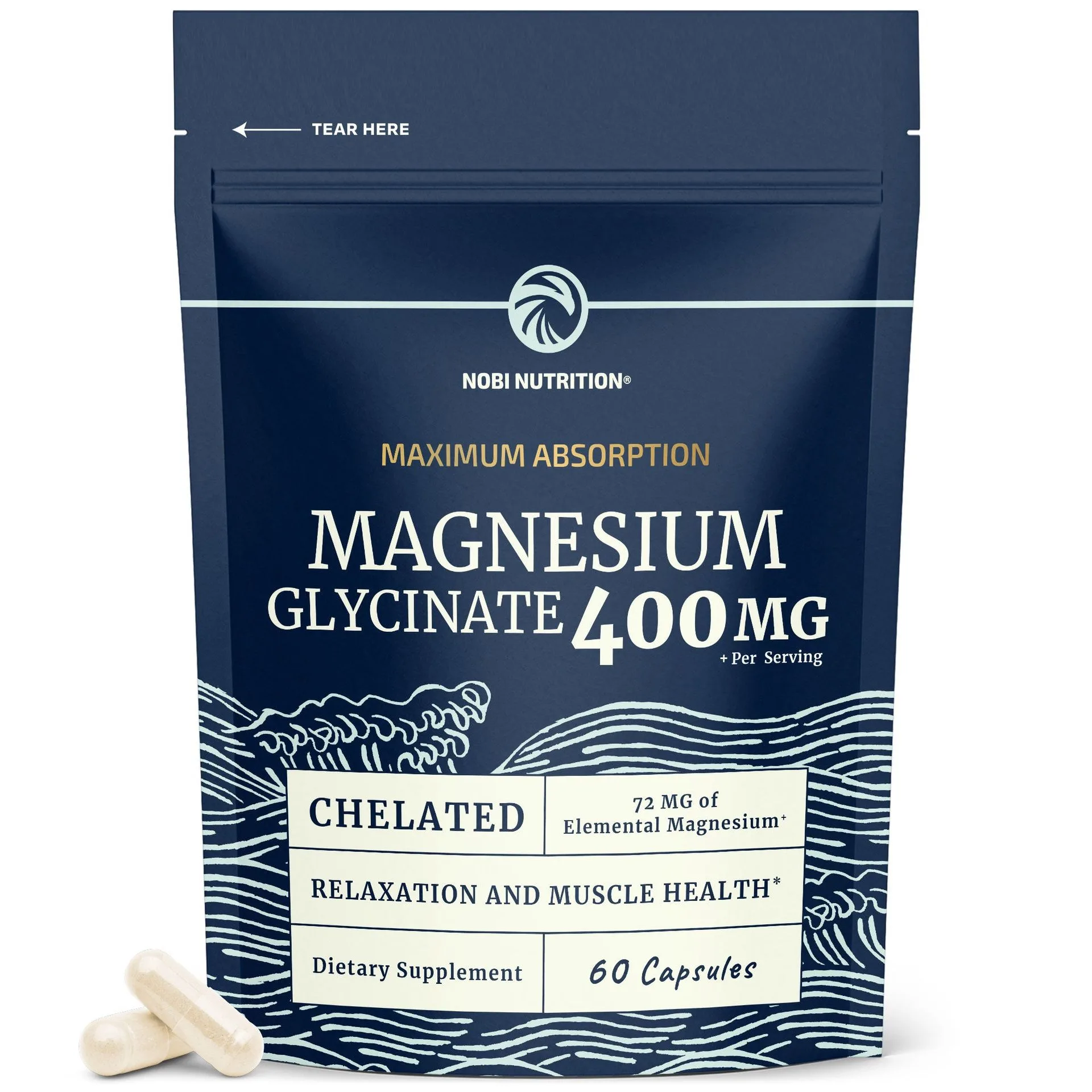
- Magnesium Bisglycinate 400mg Capsules: PREMIUM ABSORBABILITY: Magnesium Glycinate (also known as Magnesium Bisglycinate) is the most bioavailable form of Magnesium. Get the Magnesium supplement your body can actually use with Chelated Magnesium Glycinate!* PACKAGED FOR OPTIMAL FRESHNESS: Our resealable, recyclable pouch preserves freshness and quality, protects against UV light and oxidation, and uses less plastic. Magnesium Glycinate Chelated is... This form is highly bioavailable, meaning your body can use it efficiently. The fresh packaging also helps maintain potency, so you get consistent support.
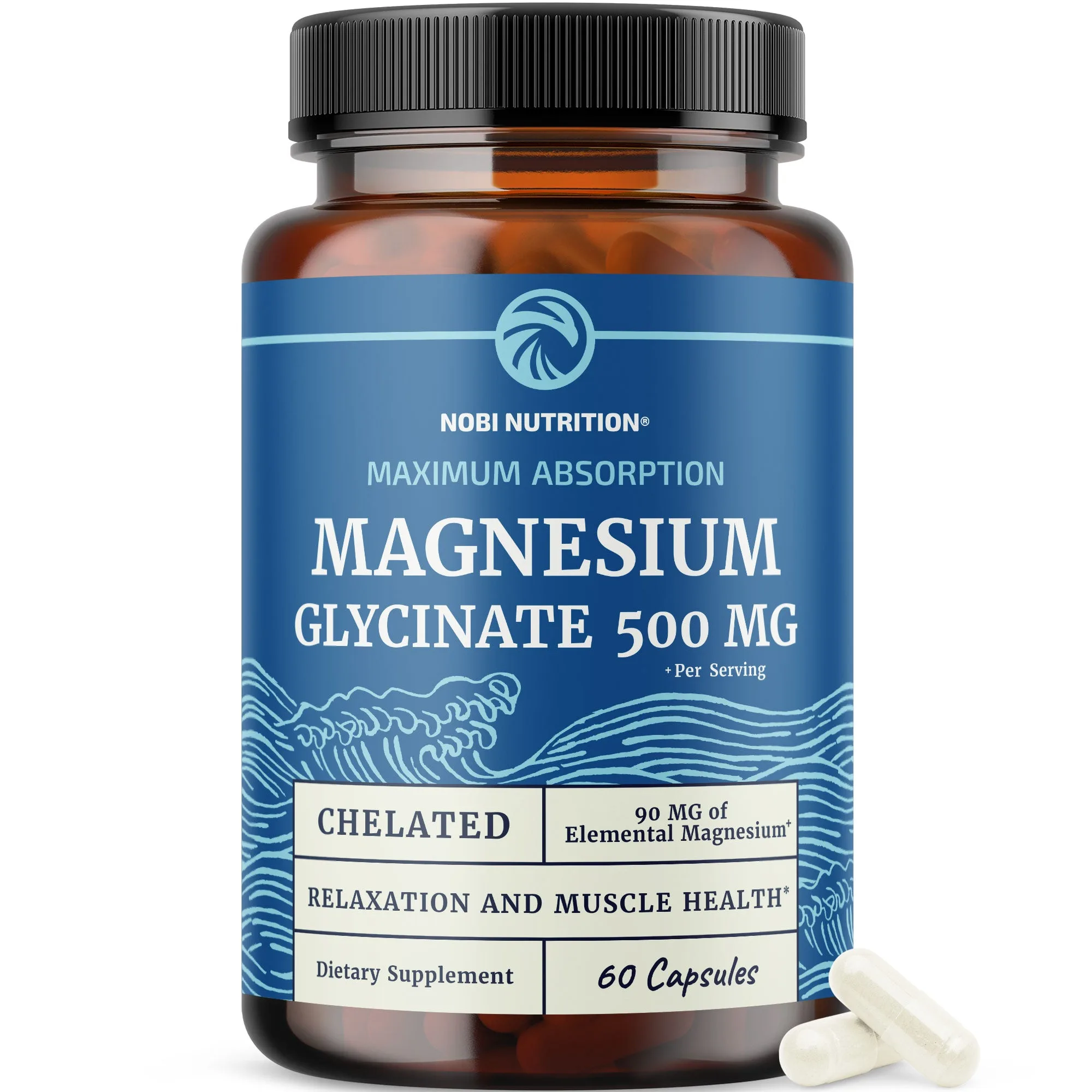
- Magnesium Bisglycinate 500mg Capsules: HIGH ABSORPTION MAGNESIUM GLYCINATE 500MG: Pure Magnesium Glycinate is the most bioavailable form of this essential mineral. Our Magnesium Glycinate supplements are formulated to deliver a powerful Magnesium 500mg per serving, for optimal full-body support.* MAGNESIUM FOR SLEEP & REST SUPPORT: Magnesium Glycinate for sleep has long been valued for supporting a restorative night’s rest. Sleep support... A higher dose per serving may be beneficial if you have a significant deficiency. The sleep support aspect is a bonus, as better rest can indirectly reduce anxiety.
Magnesium shows promise as a natural support for anxiety, especially if you're deficient. Choose a high-absorption form like glycinate or bisglycinate, and monitor how you feel. Remember, it's a supplement, not a cure, and professional guidance is essential for managing anxiety effectively.