Quick answer
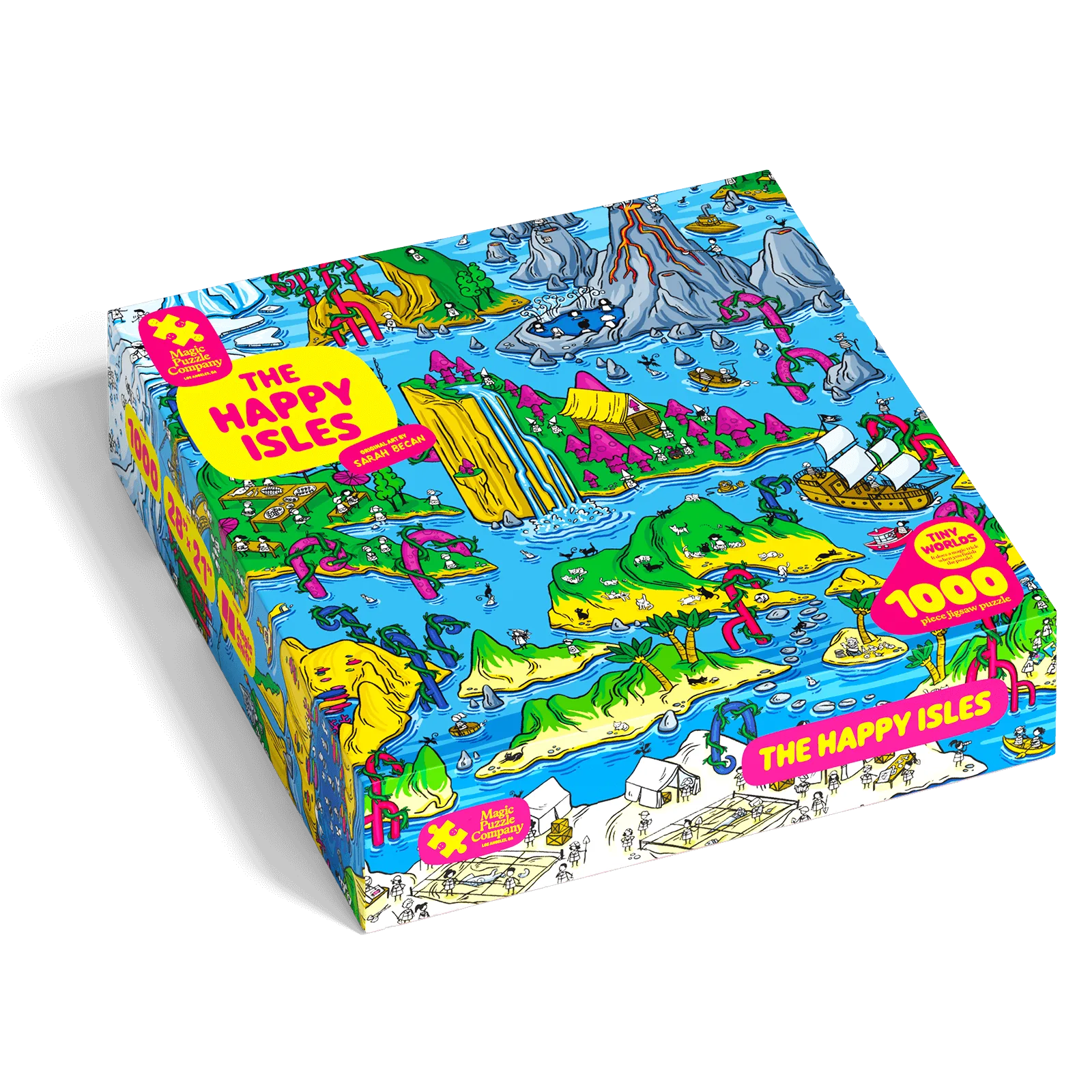
It is possible but not recommended for first-time solvers. The Happy Isles is a detailed, narrative-driven puzzle, and the image is your primary guide to the story and the hidden surprise. Attempting it without the reference image adds significant difficulty and may cause frustration, especially if you are new to Magic Puzzle Company puzzles.
What does the claim mean?
Some puzzle enthusiasts enjoy the challenge of assembling a puzzle without looking at the box image. For The Happy Isles, this means relying solely on piece shapes, colors, and patterns to reconstruct the scene. The claim suggests that this approach enhances the surprise and tests your puzzle-solving skills.
Why the reference image matters for The Happy Isles
The Happy Isles is part of Magic Puzzle Company's Series 1, known for its whimsical artwork and hidden secrets. The box image shows a bright, detailed paradise filled with characters and clues. Without it, you lose the narrative context that makes the puzzle enjoyable. The puzzle's difficulty is moderate, but the lack of a reference forces you to rely on trial and error, which can be time-consuming.
Our verdicts
- Claim: You can solve The Happy Isles without the image: Technically true, but the puzzle is designed to be solved with the image. The artwork is rich in details that guide the assembly and reveal the hidden surprise. Verdict: Partially true – possible, but not ideal.
- Difficulty without the image: The Happy Isles has a standard 1000-piece count. Without the reference, you lose color and pattern cues, increasing assembly time significantly. Verdict: Harder than intended – expect a challenge.
- Best approach for first-time solvers: Use the reference image to enjoy the story and spot the hidden elements. If you want a challenge, save the no-reference attempt for a second solve. Verdict: Use the image first, then try blind.
Product facts
- The Happy Isles: The Happy Isles is illustrated by Sarah Becan, a comics artist and author based in Chicago, known for her food-centric webcomic I Think You’re Sauceome. The artist's storytelling style means the puzzle image contains subtle narrative details that are easy to miss without the reference. Using the image helps you appreciate the full story.


