Quick Answer
Yes, you can take magnesium and vitamin D together, and doing so may enhance vitamin D's effectiveness. Magnesium helps activate vitamin D in the body, so taking them together supports bone health, immunity, and muscle function. For best results, take them with a meal that contains some fat, and consider splitting the dose if you take large amounts.
Magnesium and vitamin D are two of the most popular supplements, but many people wonder if they can be taken together. The short answer is yes—and combining them may actually boost the benefits of both. Magnesium is needed to convert vitamin D into its active form, so taking them together helps your body use vitamin D more efficiently.
In this guide, we'll answer common questions about taking magnesium and vitamin D together, including the best time to take them, potential interactions, and dosage considerations. Whether you're new to supplements or looking to optimize your routine, this FAQ covers what you need to know.
Why Take Magnesium and Vitamin D Together?
Magnesium and vitamin D work as a team in your body. Vitamin D helps your gut absorb calcium, but it needs magnesium to be activated. Without enough magnesium, vitamin D may remain inactive and less effective. This is why many health experts recommend taking them together—especially if you're supplementing with vitamin D.
Beyond activation, magnesium supports muscle and nerve function, while vitamin D is crucial for bone health and immune support. Taking them together can help you get the most out of both nutrients, particularly if you're addressing deficiencies or supporting overall wellness.
- Magnesium activates vitamin D, making it more effective.
- Together, they support bone health, muscle function, and immunity.
- If you take vitamin D, ensure adequate magnesium intake for optimal results.
Best Time to Take Magnesium and Vitamin D
There's no strict rule for the best time to take magnesium and vitamin D together, but some general guidelines can help. Since vitamin D is fat-soluble, taking it with a meal that contains fat improves absorption. Magnesium can be taken at any time, but some forms may be better tolerated with food.
Many people find it convenient to take both supplements in the morning with breakfast. However, magnesium is also known for its calming effects, so taking it in the evening may support relaxation and sleep. If you take a magnesium product specifically for sleep, such as a magnesium glycinate formula, an evening dose might be more beneficial.
- Take vitamin D with a meal containing fat for better absorption.
- Magnesium can be taken morning or evening—choose what works best for you.
- If your magnesium supplement is for sleep, consider taking it before bed.
Dosage and Safety Considerations
The right dosage depends on your age, health status, and existing deficiencies. It's always best to follow the dosage on the supplement label or consult a healthcare professional. For most adults, the recommended daily allowance for magnesium is around 400-420 mg, and for vitamin D, it's 600-800 IU, though higher doses may be used under medical supervision.
Taking too much magnesium can cause digestive upset, while excessive vitamin D can lead to calcium buildup in the blood. Always stick to recommended dosages and check with your doctor if you have kidney issues or take other medications.
- Follow label dosages and consult a healthcare provider if unsure.
- Be aware of upper limits to avoid side effects.
- If you have health conditions, talk to your doctor before combining supplements.
Key Takeaways
Can I take them together?
Yes, magnesium and vitamin D can be taken together, and magnesium may help activate vitamin D in your body. Combining them is safe and potentially beneficial.
What is the best time?
Take vitamin D with a meal containing fat, and choose a time for magnesium that fits your routine—morning or evening. Consistency matters more than the exact time.
How much should I take?
Follow label dosages and consult a healthcare provider for personalized advice, especially if you have health conditions. Start with recommended doses and adjust as needed.
Supplement Options from Nutralife
- Fatigue & Stress Defence: Combines adaptogens Rhodiola and American Ginseng, with Magnesium and Vitamin B5 to relieve fatigue and support a healthy stress response. If you're looking to support both magnesium levels and stress management, this formula offers a convenient way to get magnesium along with other beneficial nutrients.
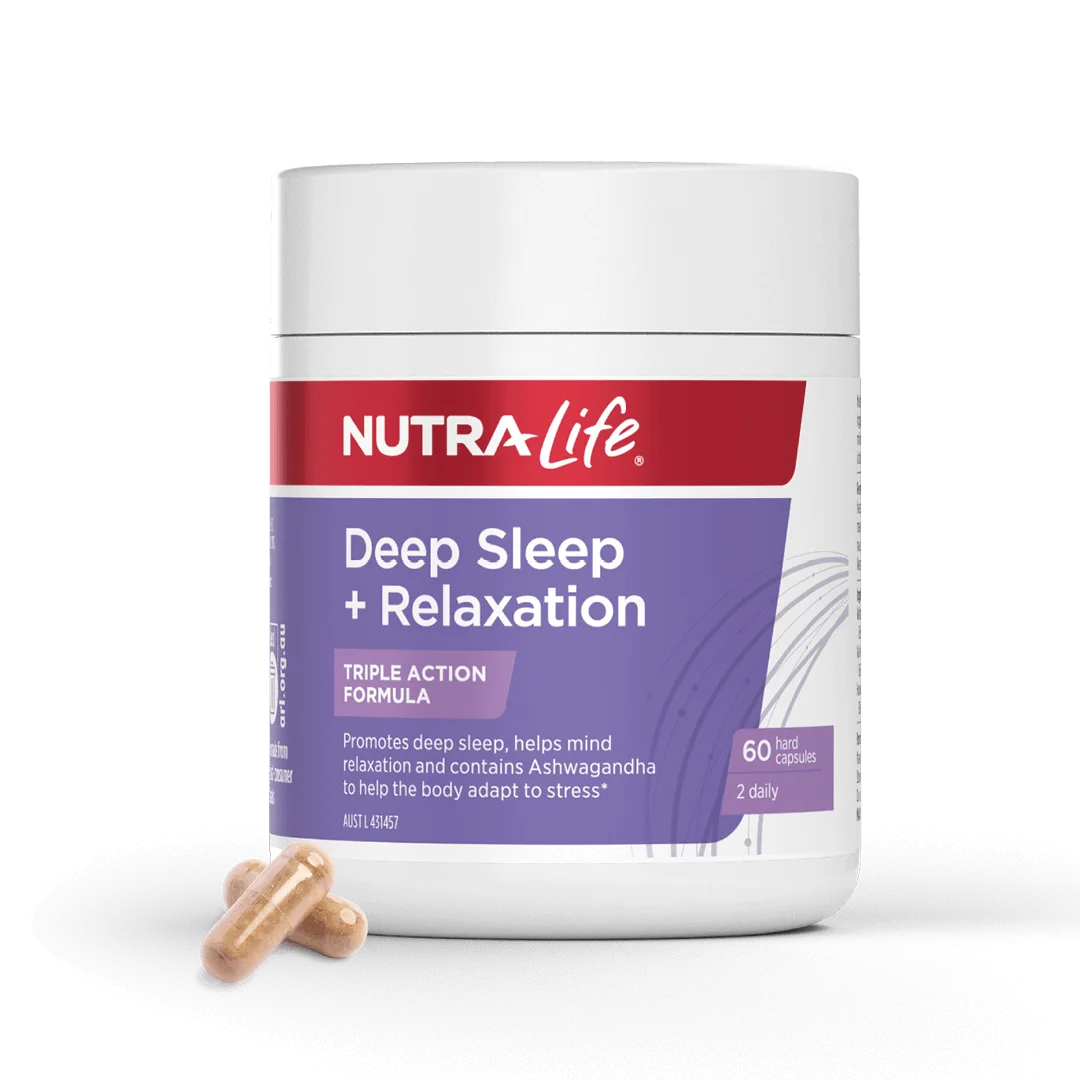
- Deep Sleep + Relaxation: A triple action formula containing Valerian, Ashwagandha and Hops to promote deep sleep, aid in mind relaxation and help the body adapt to stress. If you prefer taking magnesium in the evening for sleep, pairing it with a sleep-support supplement may enhance your nighttime routine.
Taking magnesium and vitamin D together is not only safe but can also enhance the benefits of both nutrients. By understanding the best timing and dosage, you can make the most of your supplement routine. Always consult a healthcare professional for personalized advice, and consider high-quality supplements from Nutralife to support your wellness goals.