Quick Answer
Yes, you can use a bassinet for overnight sleep, provided it meets current safety standards and follows the ABCs of safe sleep: alone, on their back, in a crib or bassinet.
Why a Bassinet Can Be Safe for Overnight Sleep
Bassinets are designed for sleep, not just napping. Many models, like the UPPAbaby Bassinet V3, are tested to meet safety standards that allow for overnight use. The key is to ensure the bassinet has a firm, flat mattress and breathable sides to reduce the risk of suffocation and overheating.
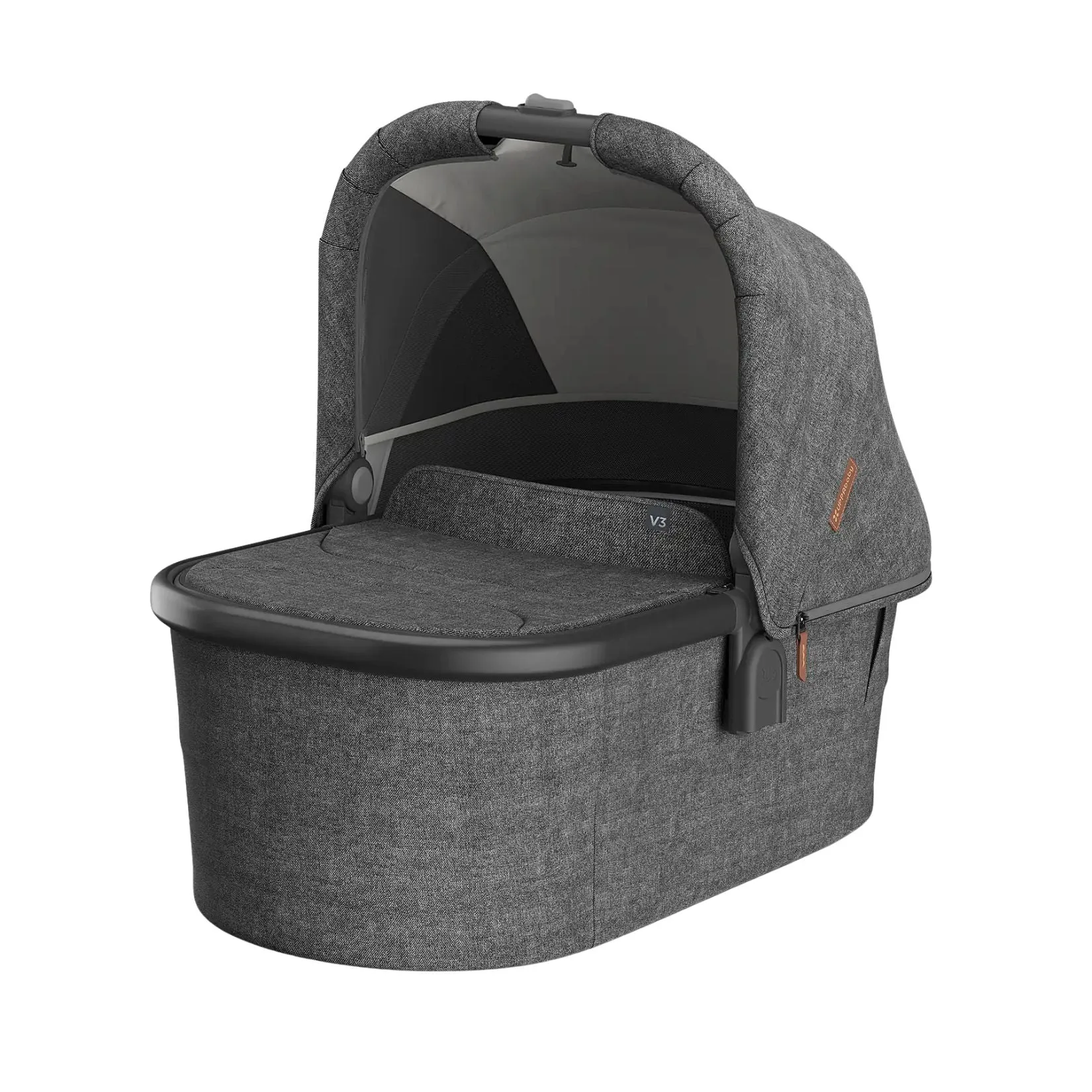
The UPPAbaby Bassinet V3, for example, features a breathable mattress and cross ventilation panels that can be opened for greater airflow. These design elements support a safe sleep environment, making it suitable for overnight sleep when used correctly.
When to Stop Using a Bassinet Overnight
Most bassinets have weight and developmental limits. Typically, you should transition your baby to a crib when they reach the bassinet's weight limit (often around 15-20 pounds) or when they can roll over independently. Rolling over increases the risk of entrapment and suffocation, so it's a clear sign to switch.
Always check the manufacturer's guidelines for your specific bassinet. The UPPAbaby Bassinet V3, for instance, is designed for newborns and should be used until your baby reaches the weight limit or shows signs of rolling over, whichever comes first.
Bassinet Overnight Safety FAQs
Is it safe for my newborn to sleep in a bassinet overnight?
Yes, if the bassinet meets current safety standards (e.g., ASTM F2194) and you follow safe sleep practices: place baby on their back, use a firm mattress with a fitted sheet, and keep the bassinet free of loose bedding, pillows, and toys. Always verify your bassinet's certification and check for recalls before use.
What should I look for in a safe sleep bassinet?
Look for a sturdy frame, a firm and flat mattress, breathable mesh sides, and a weight limit appropriate for your baby. The UPPAbaby Bassinet V3 offers breathable mattress and cross ventilation panels for enhanced airflow. Ensure the bassinet has no drop-down sides or gaps where a baby could become trapped.
When should I move my baby from a bassinet to a crib?
Move your baby to a crib when they reach the bassinet's weight limit (typically 15-20 pounds) or when they can roll over independently. Rolling over increases suffocation risk, so it's time to transition. Mark the weight limit on your calendar and monitor your baby's rolling milestones to plan the transition.
Product Spotlight: UPPAbaby Bassinet V3
-
UPPAbaby Bassinet V3: The Bassinet V3 has enhanced features including greater ventilation, easy access to baby, and a breathable mattress for safe sleep. These features help maintain a safe sleep environment by promoting airflow and reducing overheating risk, which is crucial for overnight use.
UPPAbaby Bassinet V3