Acne patches have become a staple in many skincare routines, offering a targeted approach to treating blemishes. But if you're already using other acne treatments like salicylic acid or retinol, you might wonder: can you use them together? The short answer is yes, but with some important caveats. This guide will walk you through the safe and effective ways to layer acne patches with other treatments, ensuring you get the best results without irritating your skin.
Whether you're dealing with a sudden breakout or managing chronic acne, understanding how different ingredients interact is key. We'll cover the science behind acne patches, how they work with other actives, and practical tips for incorporating them into your routine.
How Acne Patches Work
Acne patches, also known as pimple patches, are small adhesive dots typically made from hydrocolloid. They work by absorbing fluid from the pimple, creating a moist environment that promotes healing. Some patches also contain active ingredients like salicylic acid or tea tree oil to treat the blemish directly. For example, the Acne Day- 20 Dots are designed for daytime use, providing a discreet way to treat active breakouts while you go about your day.
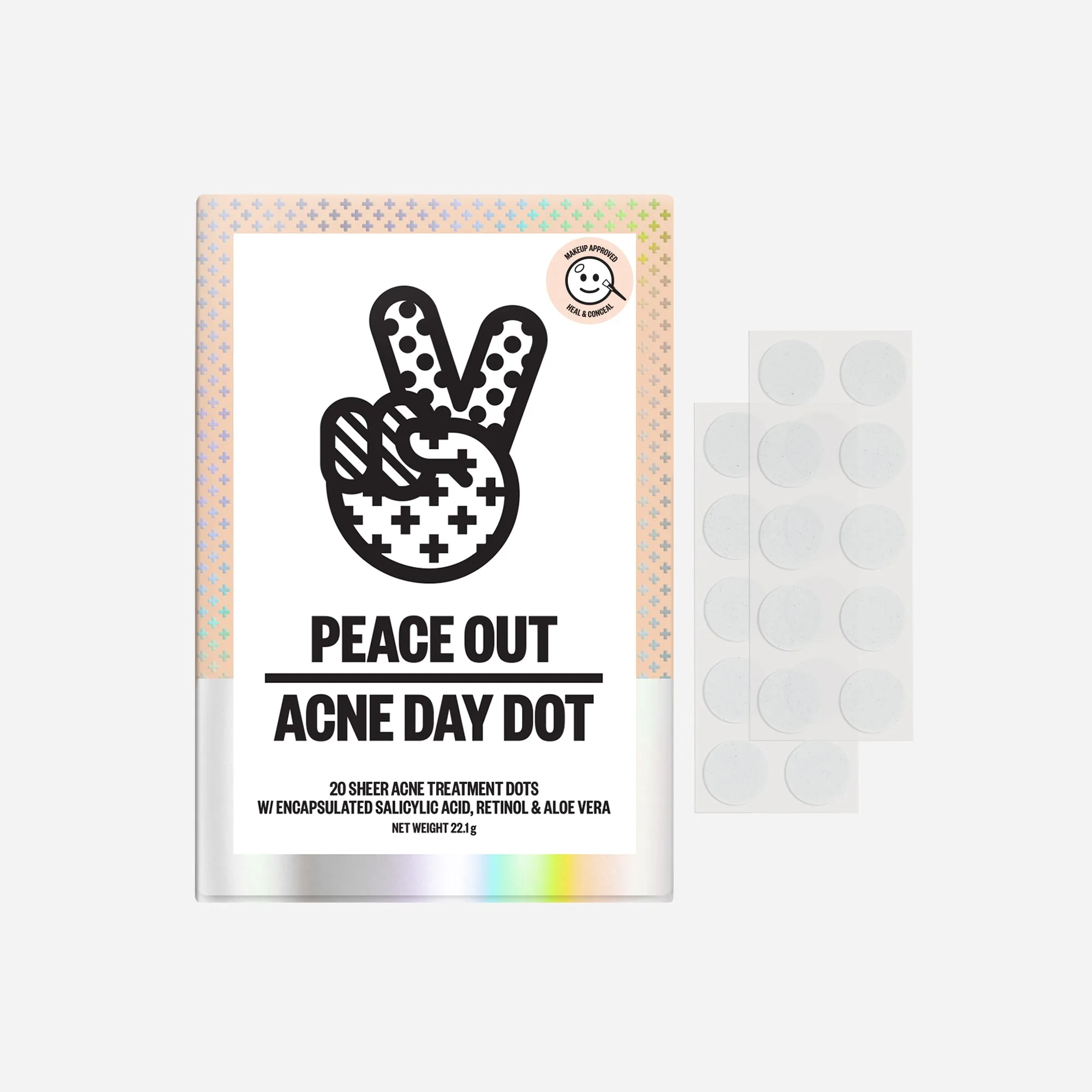
Acne Day- 20 Dots
The key to using acne patches effectively is understanding that they create a physical barrier. This barrier not only protects the pimple from bacteria and picking but also allows the active ingredients to penetrate more deeply. However, this means that anything you apply underneath the patch will be sealed in, which can increase its potency and potential for irritation.
- Always apply patches to clean, dry skin for optimal adhesion.
- If you're using a patch with active ingredients, avoid layering other strong actives directly underneath.
Combining Acne Patches with Salicylic Acid
Salicylic acid is a beta-hydroxy acid (BHA) that exfoliates inside the pore, making it a popular choice for treating blackheads and whiteheads. Many acne patches, like the Early Stage Acne Dots, contain salicylic acid to help unclog pores and reduce inflammation. If you're already using a salicylic acid serum or cleanser, you might wonder if adding a patch is overkill.
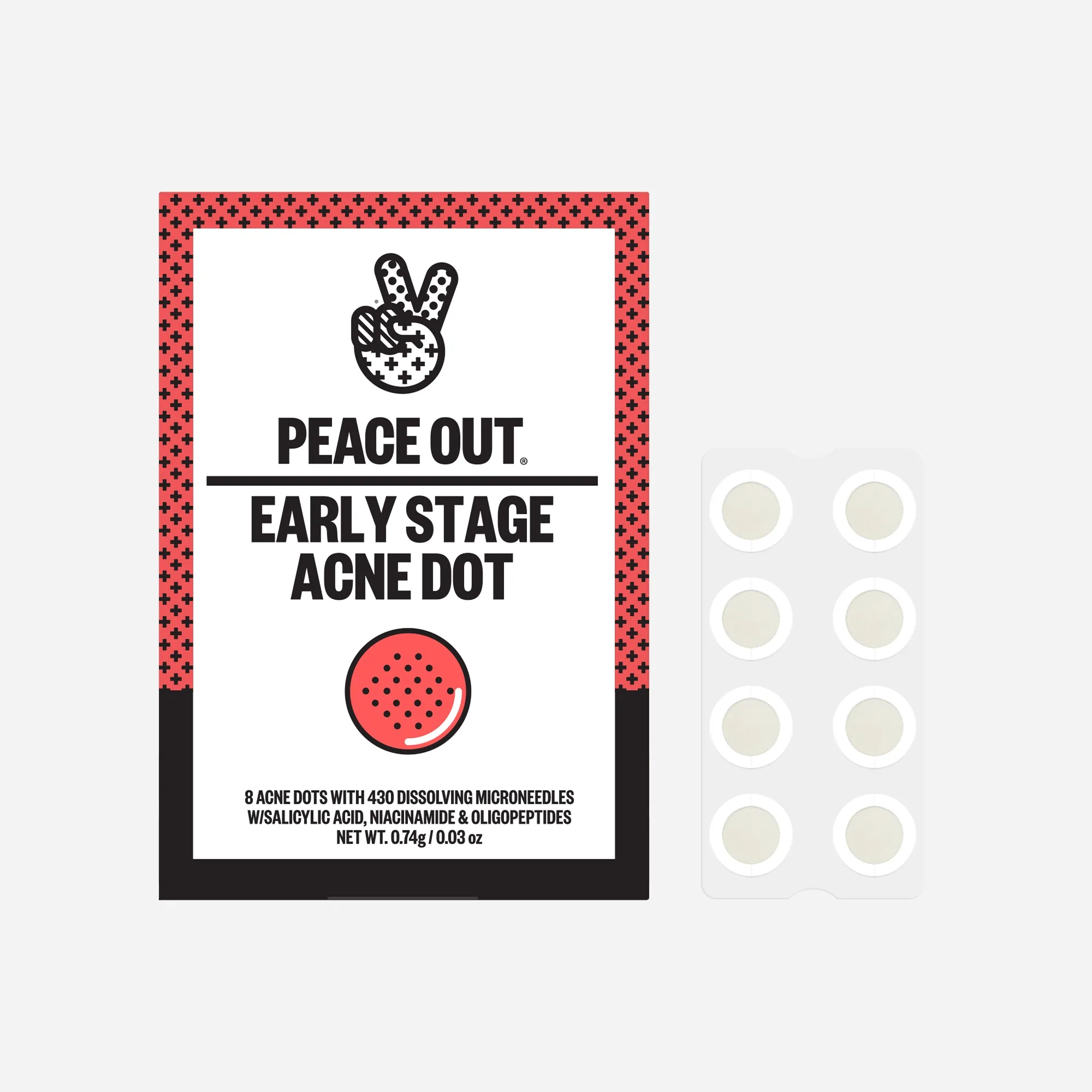
Early Stage Acne Dots
The good news is that using salicylic acid in your routine and then applying a patch on top is generally safe. The patch's active ingredients work together with your existing treatment to target the blemish more effectively. However, it's essential to avoid overdoing it. If your skin becomes red, dry, or irritated, you may be using too many exfoliating products. In that case, consider using a patch without added salicylic acid, like the Acne Treatment Dots Jumbo, which are larger and focus on healing.
- Use a salicylic acid cleanser or serum in the evening, then apply a patch overnight.
- If you have sensitive skin, opt for a patch without extra actives to minimize irritation.
Can You Use Acne Patches with Retinol?
Retinol is a vitamin A derivative that speeds up cell turnover, helping to unclog pores and fade dark spots. It's a powerful anti-aging ingredient, but it can also be irritating, especially when combined with other actives. So, can you use acne patches with retinol? Yes, but you need to be strategic about it.
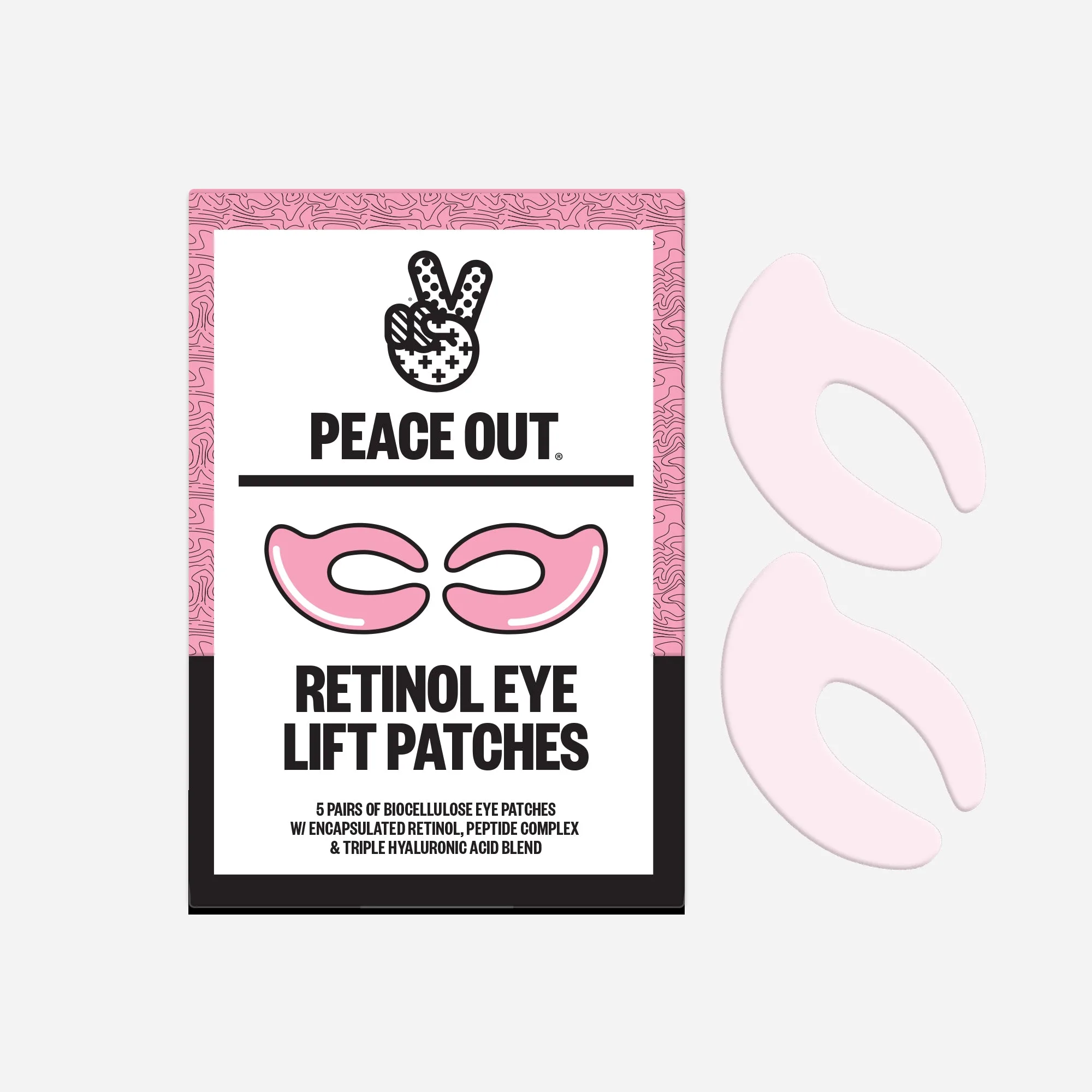
The main concern is that retinol can make your skin more sensitive, and applying a patch on top might cause excessive dryness or peeling. To avoid this, use retinol at night and apply the patch only on active breakouts. Alternatively, you can use a patch that contains retinol, like the Retinol Eye Lift Patches, which are specifically formulated for the delicate eye area and can be used alongside your regular retinol treatment, as long as you're not applying both to the same spot simultaneously.
- Apply retinol to your entire face, then spot-treat with a patch on blemishes.
- If you're new to retinol, start by using it every other night to let your skin adjust.
Layering Acne Patches with Serums and Moisturizers
Serums are a great way to deliver concentrated ingredients to your skin, but layering them with acne patches requires some thought. The general rule is to apply your serum first, let it absorb, and then apply the patch on top. However, if your serum contains strong actives like alpha hydroxy acids (AHAs) or vitamin C, you might want to avoid putting a patch directly over it, as this can increase irritation.
For a safe routine, use a hydrating serum without actives underneath your patch. For example, you could apply a hyaluronic acid serum, then a patch like the Acne Day & Night Duo, which includes both daytime and nighttime patches. This duo is designed to be used with your regular skincare routine, making it easy to incorporate. Always follow with a moisturizer to lock in hydration and prevent the patch from drying out your skin.
- Apply serums at least 5 minutes before placing a patch to ensure absorption.
- If you're using a strong active serum, consider using a patch without added ingredients.
Best Practices for Combining Treatments
To get the most out of your acne patches while using other treatments, follow these best practices. First, always patch test new combinations on a small area of skin. Second, keep your routine simple: don't pile on too many actives at once. Third, listen to your skin—if it feels tight or looks red, take a break from active ingredients.
It's also important to choose the right patch for your needs. For example, if you're using a retinol at night, you might prefer a patch without added actives to avoid overloading your skin. On the other hand, if you're dealing with a stubborn pimple, a patch with salicylic acid can give it an extra boost. The Acne Serum is a great complement to your patch routine, as it can be used all over your face to treat and prevent breakouts.
- Use patches as a spot treatment, not all over your face.
- If you're using multiple actives, alternate nights to give your skin a break.
Combining acne patches with other acne treatments is possible and can be highly effective when done correctly. By understanding how patches interact with salicylic acid, retinol, and serums, you can create a routine that targets your breakouts without compromising your skin's health. Remember to start slow, listen to your skin, and choose the right patch for your needs. For a comprehensive solution, consider exploring the Acne Day & Night Duo, which offers both daytime and nighttime patches to fit seamlessly into your existing routine.