Quick answer
Layer acne treatments from thinnest to thickest, and never apply two strong actives at the same time. Use salicylic acid in the morning and retinol at night, or alternate days, to avoid irritation. Always patch test new combinations and introduce one product at a time.
Why layering order matters for acne-prone skin
Acne-prone skin is already inflamed and compromised, so piling on multiple treatments without a plan can trigger redness, peeling, and more breakouts. The goal is to deliver active ingredients where they can work without overwhelming your skin barrier. Order determines absorption: water-based formulas go first, followed by thicker creams or gels. If you apply a heavy moisturizer before a salicylic acid treatment, the acid may not penetrate effectively. Similarly, applying retinol over a rich cream can increase irritation because it stays on the surface longer. Start with a gentle cleanser, then treat, then moisturize. Sunscreen is always the final morning step. If you use a medicated cleanser like Neutrogena Oil-Free Acne Face Wash Cream Cleanser with 2% salicylic acid, that counts as your first active layer. Wait a minute or two before applying the next product to let it absorb and reduce the chance of pilling.
How to combine salicylic acid and retinol without irritation
Salicylic acid and retinol are both effective for acne, but using them together in the same routine can be too much for many people. The safest approach is to use salicylic acid in the morning and retinol at night. If your skin is sensitive, alternate nights: salicylic acid one night, retinol the next. Never mix them in the same layer. Start with a low concentration of retinol (0.1% to 0.3%) and apply it after cleansing, before moisturizer. For salicylic acid, a leave-on treatment or a medicated cleanser like the Neutrogena Stubborn Texture Daily Acne Facial Cleanser, which also contains glycolic and polyhydroxy acids, can be used in the morning. If you experience stinging or flaking, reduce frequency to every other day or take a break. Remember that more is not better; consistency over weeks is what clears acne.
Building a gentle layering routine step by step
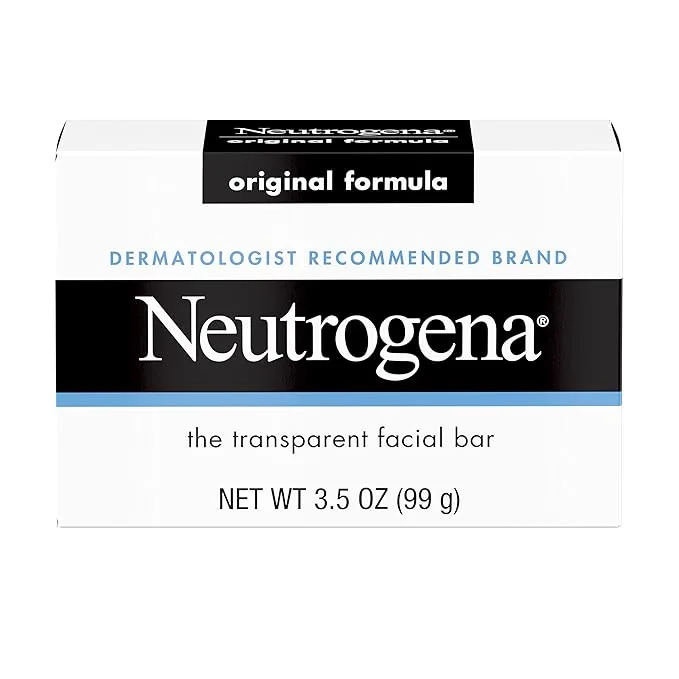
A basic layering routine for acne-prone skin looks like this: 1) Gentle cleanser. 2) Water-based treatment (e.g., salicylic acid or niacinamide). 3) Moisturizer. 4) Sunscreen (morning only). At night, replace the water-based treatment with retinol if using. Wait 30 seconds to one minute between steps. If you use a cleansing bar like Neutrogena Facial Cleansing Bar Treatment for Acne-Prone Skin, it is non-medicated and glycerin-rich, so it can be a good choice for sensitive skin or as a second cleanse without adding active ingredients. Always introduce one new product at a time and give it two weeks before adding another. If you are using prescription treatments, consult your dermatologist before layering over-the-counter actives.
Step-by-step layering guide
- Start with a gentle cleanser: Use a non-medicated or low-strength cleanser to remove dirt and oil without stripping your skin. If you use a medicated cleanser, treat it as your first active layer. Common mistake: using a harsh scrub or multiple cleansing tools, which can cause micro-tears and irritation.
- Apply water-based treatments first: After cleansing, apply any water-based serums or gels, such as salicylic acid or niacinamide. Wait 30-60 seconds for absorption. Checkpoint: if your skin stings, skip the next active and go straight to moisturizer.
- Use retinol at night, not with other actives: Apply a pea-sized amount of retinol after water-based treatments have dried. If you also use salicylic acid, use it in the morning instead of layering them together. Common mistake: applying retinol immediately after salicylic acid, which increases the risk of peeling and redness.
- Seal with moisturizer: Apply a non-comedogenic moisturizer to lock in hydration and buffer any active ingredients. This step is crucial for reducing irritation. Checkpoint: if your skin feels tight or flaky, add a second layer of moisturizer or skip actives for a night.
- Finish with sunscreen in the morning: Always apply a broad-spectrum sunscreen with SPF 30 or higher as your final morning step. Retinol and acids increase sun sensitivity. Common mistake: skipping sunscreen on cloudy days or when indoors near windows.
- Introduce new products one at a time: Wait at least two weeks before adding another active to your routine. This helps you identify which product causes irritation if it occurs. Checkpoint: keep a simple skin diary to track reactions and adjust frequency as needed.
Products that fit this routine
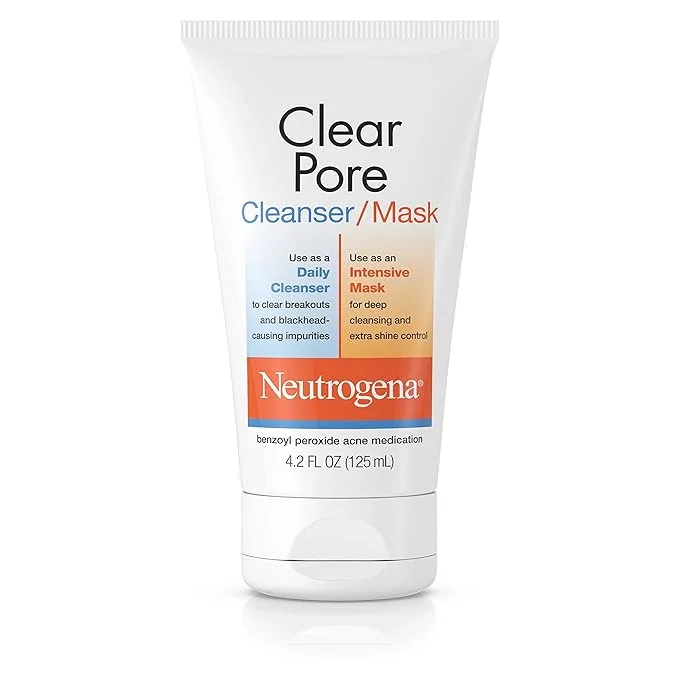
- Neutrogena Oil-Free Acne Face Wash Cream Cleanser, 2% Salicylic Acid Acne Treatment, Daily Facial Cleanser for Acne-Prone Skin, 6.7 fl. oz (Pack of 2): Neutrogena Oil-Free Acne Face Wash Cream Cleanser contains 2% salicylic acid acne medication and MicroClear technology, which is scientifically shown to boost delivery of acne medication to the source of breakouts. This cleanser can serve as your morning active step, helping to clear and prevent breakouts while being gentle enough for daily use on acne-prone skin.
- Neutrogena Stubborn Texture Daily Acne Facial Cleanser,Salicylic Acid Face Wash + Glycolic & Polyhydroxy Acids,Fragrance-Free,6.3 fl. oz,(Pack of 2): Neutrogena Stubborn Texture Daily Acne Facial Cleanser is a fragrance-free face wash formulated with salicylic acid, glycolic acid, and polyhydroxy acids to help address stubborn texture and acne. If you need both exfoliation and acne treatment, this cleanser combines multiple acids in one step, simplifying your routine and reducing the need to layer separate exfoliants.
- Neutrogena Facial Cleansing Bar Treatment for Acne-Prone Skin, Non-Medicated & Glycerin-Rich Hypoallergenic Formula with No Detergents or Dyes, 3.5 oz (Pack of 6): Neutrogena Facial Cleansing Bar Treatment for Acne-Prone Skin is non-medicated, glycerin-rich, hypoallergenic, and free of detergents and dyes. This bar is a gentle cleansing option that won't add active ingredients, making it ideal for sensitive skin or for use on nights when you apply retinol and want to avoid overloading your skin.