Quick Answer
Yes, you can wear a nursing bra to sleep, and many mothers find it helps with comfort and convenience for nighttime feedings. The key is choosing a wirefree, soft, and breathable style that doesn't compress your breasts. Avoid underwires and tight bands to prevent clogged ducts and discomfort.
Sleep is precious when you have a newborn, and the last thing you want is to fumble with a complicated bra at 3 a.m. Many moms wonder if wearing a nursing bra to bed is a good idea or if it's better to go without. The answer isn't one-size-fits-all—it depends on your comfort, breast sensitivity, and how often you're feeding.
In this guide, we'll cover the pros and cons of wearing a nursing bra at night, what features to look for in a comfortable sleep nursing bra, and how to make the right choice for your body.
The Pros of Wearing a Nursing Bra at Night
For many mothers, wearing a nursing bra to sleep offers practical benefits. It holds nursing pads in place, which is essential if you experience nighttime leaks. It also provides easy access for feedings—no need to fully undress or struggle with a regular bra. A supportive wirefree style can reduce breast tenderness and movement, especially if you have larger breasts.
Additionally, wearing a bra at night can help you feel more put-together and prevent your breasts from rubbing against rough sleepwear. If you're engorged, gentle support can alleviate some of that heavy, full feeling.
- Holds nursing pads securely to prevent leaks
- Provides quick and easy access for nighttime feedings
- Reduces breast movement and tenderness
- Helps keep sleepwear clean and dry
The Cons and Potential Risks
The main downside of wearing a nursing bra to sleep is the risk of discomfort or restriction. A bra with an underwire or too tight a band can compress milk ducts, potentially leading to clogged ducts or mastitis. Non-breathable fabrics can trap moisture and increase the risk of fungal infections like thrush.
Some women simply find any bra too restrictive for sleep, especially during the early postpartum period when breasts are extra sensitive. If you're a stomach sleeper, a bra with bulky seams or clips might dig into your skin. It's important to listen to your body—if a bra wakes you up or feels uncomfortable, it's not the right choice for sleep.
- Underwires and tight bands may increase the risk of clogged ducts
- Non-breathable fabrics can trap moisture and cause irritation
- Seams and clips might be uncomfortable for stomach sleepers
- Some women prefer the freedom of going braless
What to Look For in an Overnight Nursing Bra
If you decide to wear a nursing bra for sleep, prioritize comfort and function. Look for wirefree styles with soft, stretchy fabric that moves with you. A seamless design reduces pressure points, and breathable materials like cotton or bamboo help wick away moisture. Consider a bra with easy-drop cups or clips that you can operate with one hand while half-asleep.
Support level matters too: a medium-support bra that gently holds without compressing is ideal. Avoid styles with heavy padding or rigid structure. Also, check the band—it should be snug but not restrictive, allowing you to breathe and move freely. If you're between sizes, consider sizing up for sleep to accommodate overnight breast changes.
- Choose wirefree designs with soft, stretchy fabric
- Look for breathable, moisture-wicking materials
- Opt for easy one-hand nursing clips
- Ensure the band is snug but not tight
Frequently Asked Questions
Is it safe to sleep in a nursing bra every night?
Generally yes, if the bra is wirefree, not too tight, and made from breathable fabric. Avoid underwires and tight bands to reduce the risk of clogged ducts. Choose a soft, wirefree style and monitor your comfort.
What type of nursing bra is best for sleeping?
A seamless, wirefree bra with medium support and easy nursing access. Look for cotton or moisture-wicking materials to keep skin dry. Prioritize comfort and breathability over style.
Can wearing a nursing bra to sleep cause mastitis?
Wearing a too-tight or underwired bra for long periods may increase the risk of clogged ducts, which can lead to mastitis. Ensure your bra fits well and isn't restrictive. If you feel pain or engorgement, consider going braless or switching to a looser style.
Nursing Bras That Work for Sleep
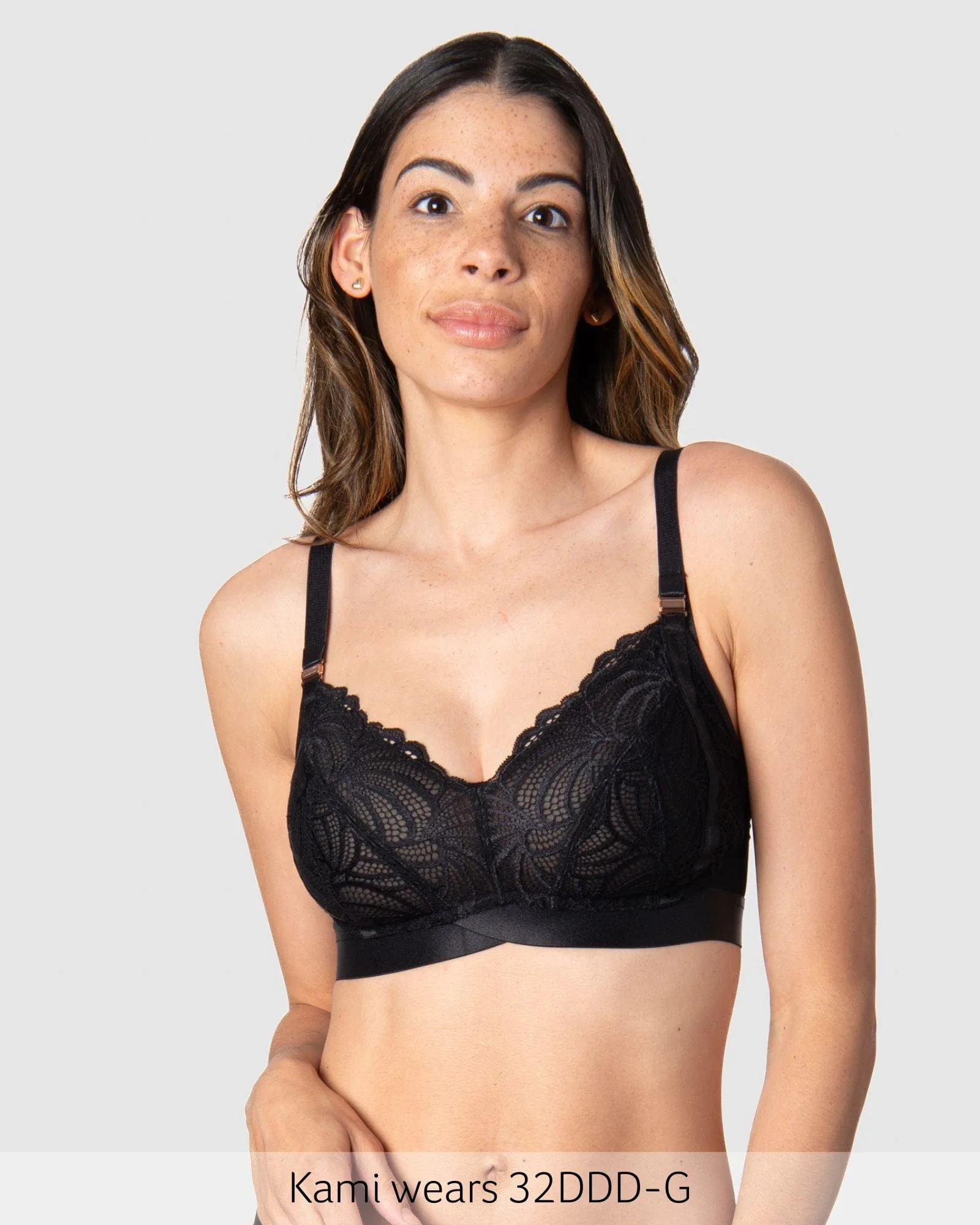
- Warrior FlexFit Nursing Bra - Black: Crafted in luxe recycled lace with dual-cup sizing, it flexes with your body through pregnancy and postpartum. Non-padded, lightweight, and sheer, it delivers soft support, bold style, and total comfort—without a wire in sight. Support Level: Medium – wirefree with 3⁄4 soft cups. The wirefree, lightweight design makes it a comfortable choice for overnight wear, while the medium support gently holds without compression.
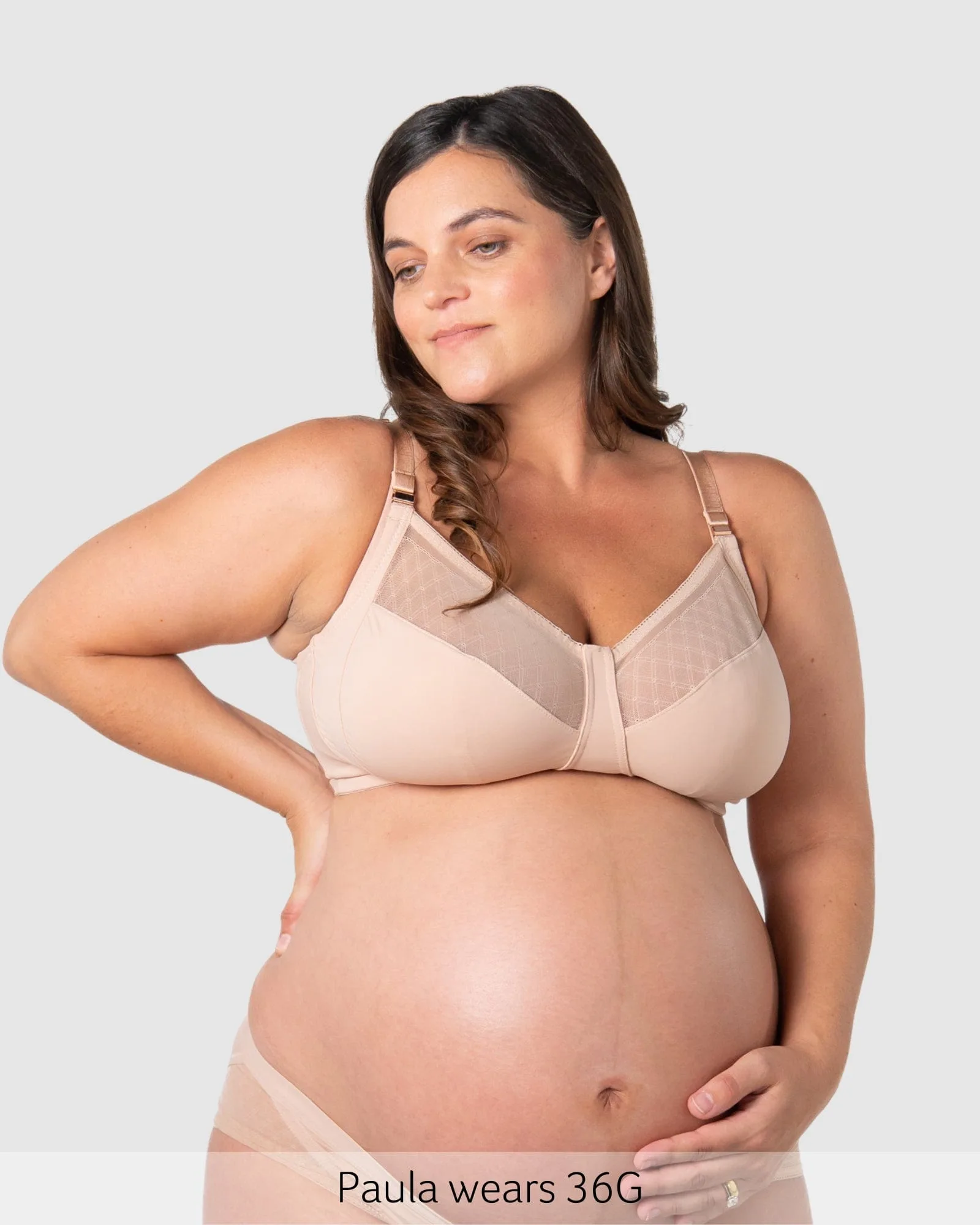
- Lunar Eclipse Full Cup Nursing Bra - Cashmere: Delivers everyday comfort, full-coverage shaping, and a natural lift—without a wire in sight. Crafted from sleek microfiber and cotton-lined for softness. A 4-piece cup gives flattering structure, while discreet rose gold magnetic clips provide easy access. The cotton lining adds breathability for sleep, and the magnetic clips are easy to operate in the dark, making nighttime feedings simpler.
Ultimately, whether you wear a nursing bra to sleep is a personal choice. If you do, opt for a wirefree, breathable style that offers gentle support and easy access. Listen to your body—if a bra causes discomfort or disrupts your rest, it's okay to sleep without one. The goal is to protect your sleep and breastfeeding health, so choose what feels best for you.