Quick Answer
Aluminum cans generally have a lower environmental impact than plastic bottles due to higher recycling rates and material efficiency, but the best choice depends on your priorities. Hint Water offers both 12oz cans and 16oz bottles, letting you align your hydration with your sustainability goals.
When you reach for a bottle of water, you might not think about the packaging's journey. But the choice between a can and a plastic bottle carries real environmental weight. This article compares the two formats and explains how Hint Water's packaging options fit into a more sustainable hydration routine.
We'll look at material production, recycling realities, and practical tradeoffs—so you can make an informed decision without greenwashing.
The Environmental Cost of Plastic Bottles
Plastic bottles are made from petroleum-based PET. Producing them requires significant energy and fossil fuels, and while PET is recyclable, the actual recycling rate for beverage bottles hovers around 30% in many regions. Many bottles end up in landfills or oceans, where they take hundreds of years to degrade.
Transportation also adds to the footprint: plastic bottles are lightweight, which reduces shipping emissions, but their single-use nature and low recycling rates offset that advantage. For eco-conscious consumers, the plastic bottle's end-of-life is its biggest drawback.
- Check your local recycling rules—many programs accept PET bottles, but contamination can reduce effectiveness.
Why Aluminum Cans Are Often the Greener Choice
Aluminum cans have a higher recycling rate—around 50% globally and over 60% in the U.S. Recycling aluminum uses 95% less energy than producing new aluminum, and the material can be recycled infinitely without losing quality. This closed-loop potential makes cans a strong contender for sustainable packaging.
Cans are also lighter than glass and stack efficiently, reducing transport emissions. However, aluminum production is energy-intensive, and not all recycling facilities accept cans—though most do. The key is ensuring your can actually gets recycled.
- Rinse and crush cans before recycling to save space and prevent contamination.
Comparing the Full Lifecycle: Cans vs. Bottles
Lifecycle assessments show that aluminum cans often have a lower carbon footprint than plastic bottles when recycling rates are high. But the picture changes if cans are landfilled—then their production impact outweighs plastic's. The real variable is your local recycling system and your personal recycling habits.
Another factor: cans are more likely to be recycled because they have scrap value. Many people also find that canned water tastes better because there's no plastic flavor transfer. But cans are less resealable and can dent, which may be a downside for on-the-go use.
- If you're choosing between a 12-pack of cans and a case of bottles, consider how you'll use them—cans for home or events, bottles for portability.
How Hint Water Supports Sustainable Choices
Hint Water offers both 12oz cans and 16oz bottles, so you can pick the format that matches your sustainability priorities. The cans are still water infused with fruit essence, with no sweeteners or calories—same clean taste, different footprint.
For a lower-impact option, choose cans when you're at home or at a gathering where recycling is available. For on-the-go hydration, the 16oz bottles are convenient and also recyclable. Hint Water's bundles let you mix formats and flavors, so you can align your purchase with your values.
- Look for curbside recycling symbols on Hint Water packaging and check your local guidelines.
Diagnosis: Which Packaging Should You Choose?
- Symptom: You want to reduce your environmental impact but are confused by conflicting claims about cans vs. bottles. Acknowledge that both formats have tradeoffs—no perfect answer exists.
- Likely Cause: The real difference lies in recycling rates and material production, not just the packaging itself. Understand that your local recycling infrastructure and habits matter most.
- Corrective Action: Prefer aluminum cans when recycling is available, and always recycle properly. For on-the-go convenience, choose bottles but ensure they end up in the bin. Select Hint Water's 12oz cans for home or events, and 16oz bottles for travel—both are recyclable.
- Stop or Choose Another Option: If you cannot recycle consistently, consider a reusable bottle filled with tap or filtered water as the most sustainable choice. At that point, no single-use packaging is ideal—switch to a reusable system.
Hint Water Packaging Options
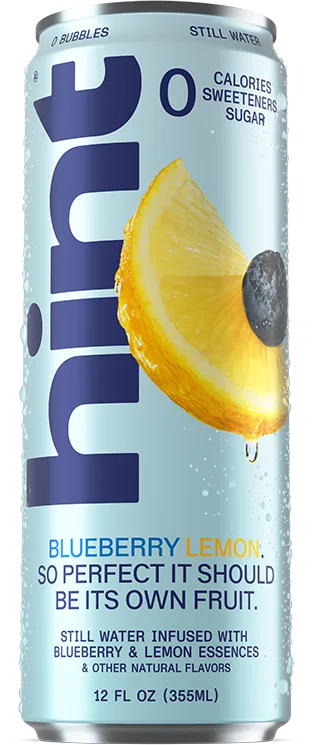
- hint® Blueberry Lemon water - 12 pack 12oz still cans: Pure, flavored water with delicious blueberry, lemon, and other natural flavors. One case of twelve 12-oz cans. Still water infused with fruit essence. Zero calories, zero sugars, zero sweeteners. Vegan, gluten-free, kosher. Choosing the 12oz cans gives you the lower-impact aluminum format while enjoying a refreshing fruit flavor—ideal for home or office recycling programs.
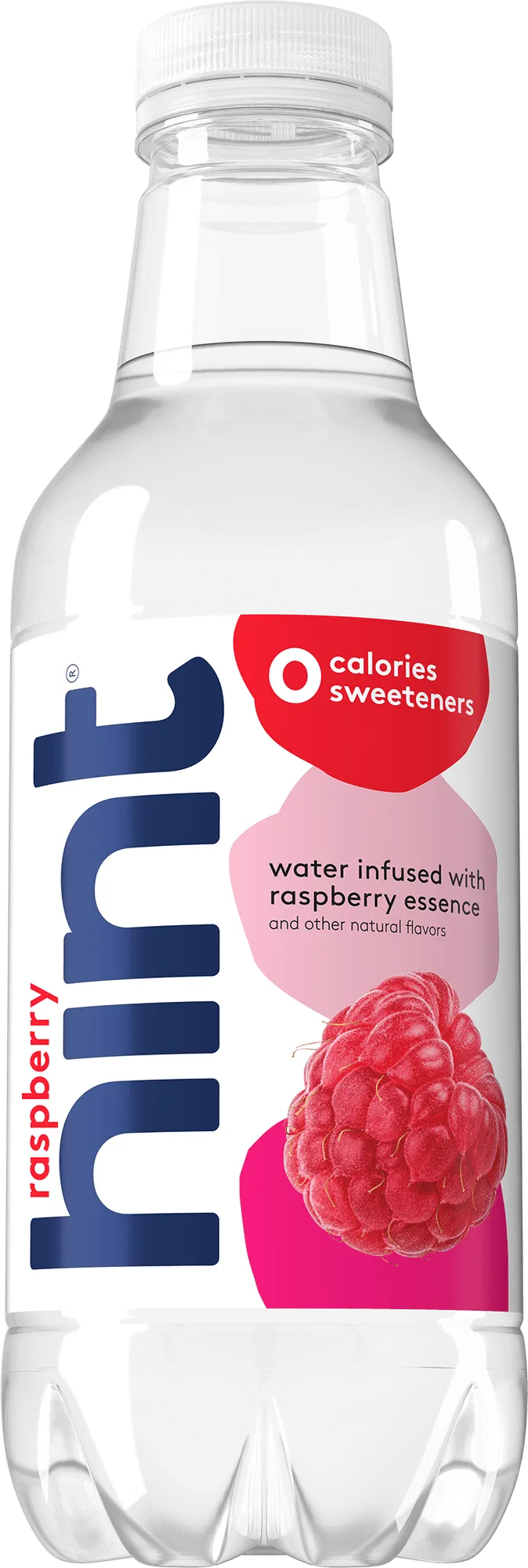
- raspberry hint® water: Pure flavored water, with delicious raspberry and other natural flavors. One case of twelve 16-oz. bottles. Zero diet sweeteners, zero calories, zero preservatives. Vegan, gluten-free, kosher. If you prefer the portability of plastic bottles, this option still offers a recyclable PET bottle, but you'll need to be diligent about recycling to minimize its environmental footprint.
The cans vs. bottles debate isn't black and white. Aluminum cans often win on recycling efficiency, but plastic bottles have their place for portability. By choosing Hint Water's can or bottle formats and recycling diligently, you can enjoy flavored water while keeping environmental impact in mind.