Quick answer
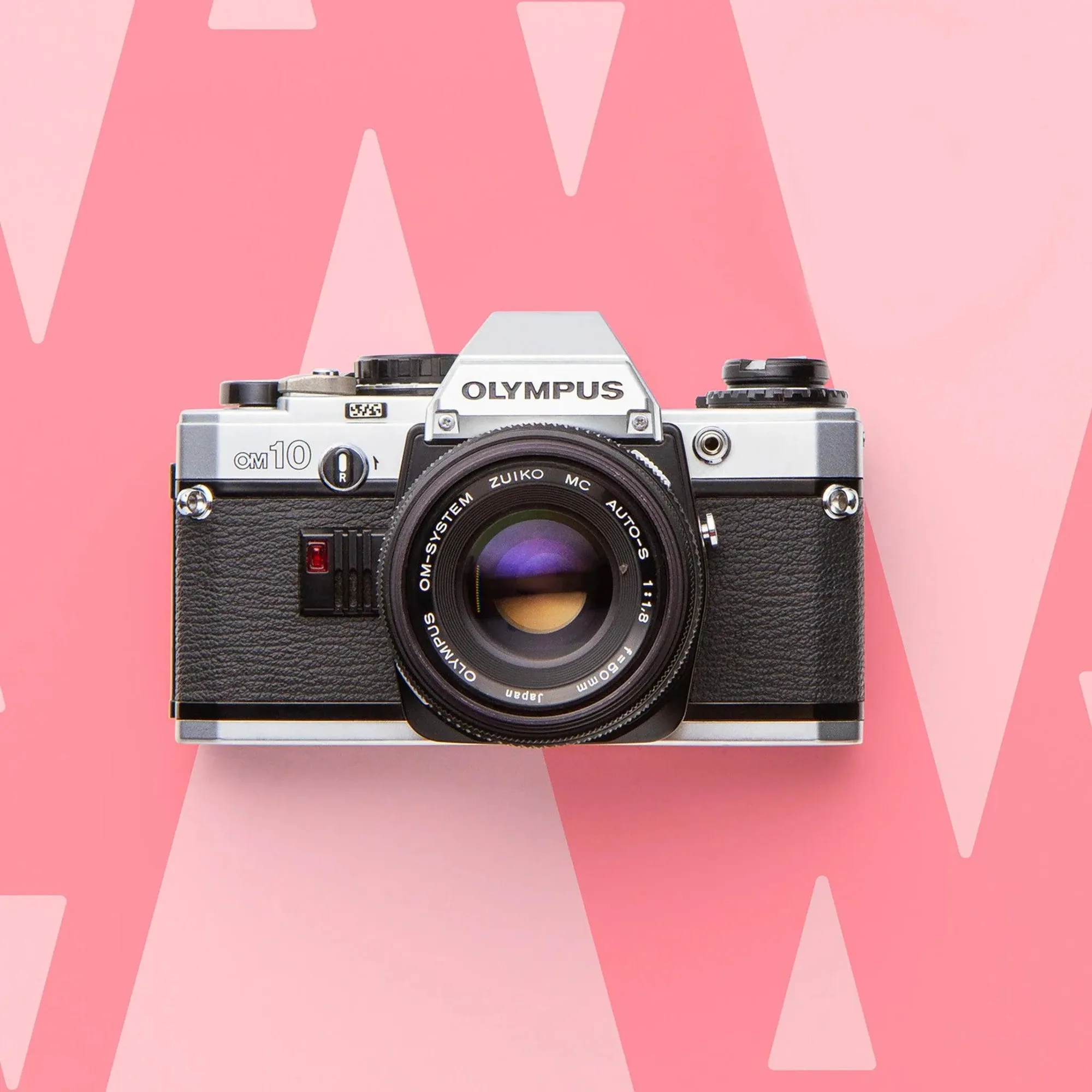
If you already own a camera with a standard 50mm f/1.8 kit lens and want more light, softer background blur, and a more polished feel, the Canon 50mm f/1.4 S.S.C. is the clear upgrade. If you are just starting out or prefer autofocus and lighter weight, your kit lens is likely sufficient. For a complete film setup, pair the f/1.4 with a reliable body like the Olympus OM-10.
What the f/1.4 S.S.C. Actually Improves Over a Kit Lens
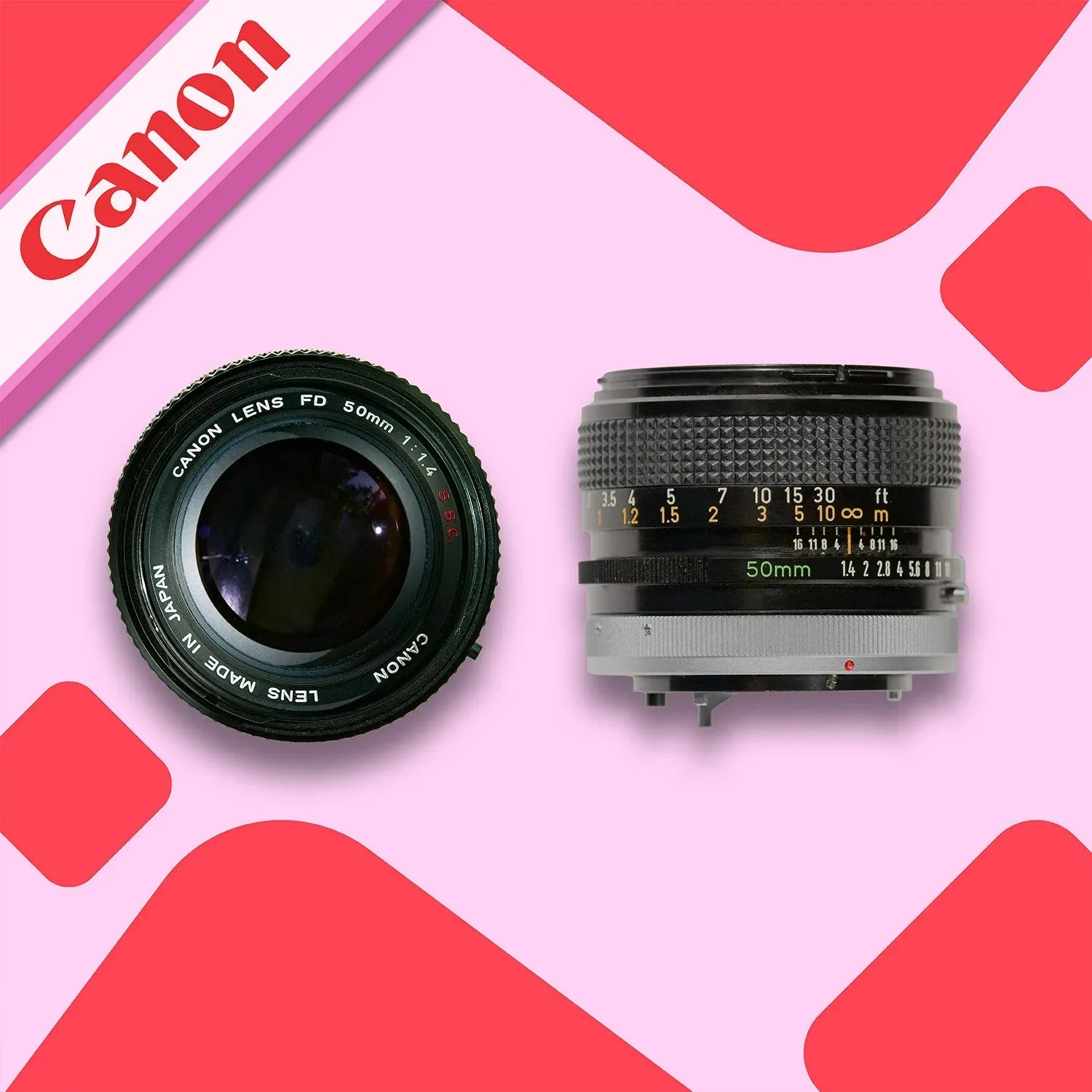
A standard 50mm f/1.8 kit lens is a wonderful starting point, but the Canon 50mm f/1.4 S.S.C. is for the photographer who wants a better version of a focal length they already love. It keeps that classic, natural 50mm look while giving you more light, more background blur, and a more polished feel overall. The difference is most noticeable in low light and when you want to isolate your subject.
Manual Focus: Trade-Offs and Technique
This is a manual focus film camera lens, so you will need to focus by turning the ring and confirm focus through your viewfinder. That slows you down and can lead to missed shots if you are chasing fast action. However, it also gives you precise control and a tactile experience many film photographers enjoy. If you prefer point-and-shoot simplicity, a camera like the Olympus Trip 35 might be a better fit.
Compatibility and Mount Considerations
The Canon 50mm f/1.4 S.S.C. uses the Canon FD mount, so it works with Canon FD-mount film cameras, not with modern digital mirrorless or DSLR bodies without an adapter. Before buying, check your camera's mount. If you shoot with an Olympus OM system, this lens will not fit; you would need an OM-mount lens instead.
Value and Long-Term Use
At USD 104.99 (compared to a catalog comparison price of USD 149.99), the f/1.4 S.S.C. offers a tangible upgrade for a modest cost. A kit lens is often inexpensive or included with a camera, so the f/1.4 is an investment in better low-light performance and more creative depth of field. If you shoot film regularly and want to grow your skills, it is a worthwhile step up.
Trade-Offs at a Glance
- Light Gathering: The f/1.4 aperture lets in more than twice as much light as f/1.8, which helps in dim conditions and can enable faster shutter speeds. Choose f/1.4 if you often shoot indoors or at dusk.
- Depth of Field: A wider aperture creates shallower depth of field, so backgrounds blur more easily and your subject stands out. Great for portraits, but requires careful focusing.
- Focus Method: Manual focus gives you precision and control but is slower than autofocus and demands practice. If you need speed, a point-and-shoot may be better.
Product Facts
- Canon 50mm SSC Lens f/1.4 | Manual Focus Film Camera Lens for Canon Cameras: Canon 50mm f/1.4 S.S.C. Lens: Your camera may come with a standard 50mm f/1.8 lens, but the Canon 50mm f/1.4 S.S.C. lens is for the photographer who wants a better version of a focal length they already love. It keeps that classic, natural 50mm look, but gives you more light, more background blur, and a more polished feel overall. This lens is a direct upgrade for anyone who already enjoys the 50mm focal length but wants improved low-light capability and shallower depth of field.
- Olympus OM-10 | 35mm Film Camera: Olympus OM-10: Your Perfect Gateway to 35mm Film Photography Magic. The Olympus OM-10 made the beautifully compact OM film experience welcoming to a new generation, and we’ve lovingly restored this one so you can begin your photography journey with more creative control. If you need a reliable film camera body to pair with a manual focus lens, the OM-10 offers a compact, restored option with creative control.
Which Should You Choose?
Best for
- Photographers who already own a 50mm f/1.8 kit lens and want better low-light performance and more background blur.
- Film shooters who enjoy manual focus and want a tactile, deliberate shooting experience.
- Those with Canon FD-mount cameras looking for a classic, high-quality prime lens.
Not for
- Beginners who prefer autofocus and the simplicity of a point-and-shoot camera.
- Photographers using non-FD mount systems without an adapter.
- Anyone who needs a zoom lens or a wider focal length for landscapes.