Quick answer
Choose the Canon EOS R5 Mark II if you need a full-frame body and can justify the higher cost; choose the Sony a6400 if you want an affordable APS-C camera for video and everyday shooting. Both are available at The Camera Exchange with a price guarantee and rental option.
Price and format trade-off
The Canon EOS R5 Mark II is a full-frame mirrorless camera listed at $2,859.35 (compared to $4,399.00), while the Sony a6400 is an APS-C model at $435.47 (compared to $649.95). That price gap reflects the different sensor sizes and market positions. Full-frame cameras like the R5 Mark II generally offer better low-light performance and shallower depth of field, but they cost more and require compatible full-frame lenses. APS-C cameras like the a6400 are more compact and affordable, with a 1.5x crop factor that extends your effective focal length—useful for reach but a limitation for wide-angle work.
Rental as a risk-free test
Both cameras are available to rent from The Camera Exchange. Renting lets you try the full-frame R5 Mark II or the APS-C a6400 in your own workflow before committing to a purchase. This is especially valuable if you are unsure whether the size and weight of a full-frame system suit your shooting style, or if you want to test the a6400's video capabilities for your specific projects.
Key trade-offs to weigh
- Sensor size and low light: The R5 Mark II's full-frame sensor generally performs better in low light and offers shallower depth of field; the a6400's APS-C sensor is smaller, so you may see more noise in dim conditions. If you often shoot indoors or at dusk, the full-frame advantage may justify the higher cost.
- Lens ecosystem and cost: Full-frame lenses for the R5 Mark II are typically larger, heavier, and more expensive than APS-C lenses for the a6400. Factor in the total system cost, not just the body. Add up your likely lens purchases before deciding; the cheaper body may not mean a cheaper system.
- Video and crop factor: The a6400's APS-C crop factor (about 1.5x) gives extra reach for telephoto video, but it narrows wide-angle shots. The R5 Mark II's full-frame sensor preserves wide angles without a crop. If you shoot wide-angle video, the full-frame R5 Mark II avoids the crop; if you need reach, the a6400 may be more convenient.
- Rental before buying: Both cameras can be rented from The Camera Exchange. Rent the one you are leaning toward for a weekend shoot to confirm it feels right in your hands and fits your workflow. Renting first can prevent a costly mistake, especially with the higher-priced R5 Mark II.
Product facts
-
Canon EOS R5 Mark II Mirrorless Camera: Full-frame mirrorless camera priced at $2,859.35 (compared to $4,399.00), with price guarantee and rent now. The full-frame sensor suits low-light and shallow depth-of-field work, but the higher price means you should budget for full-frame lenses.
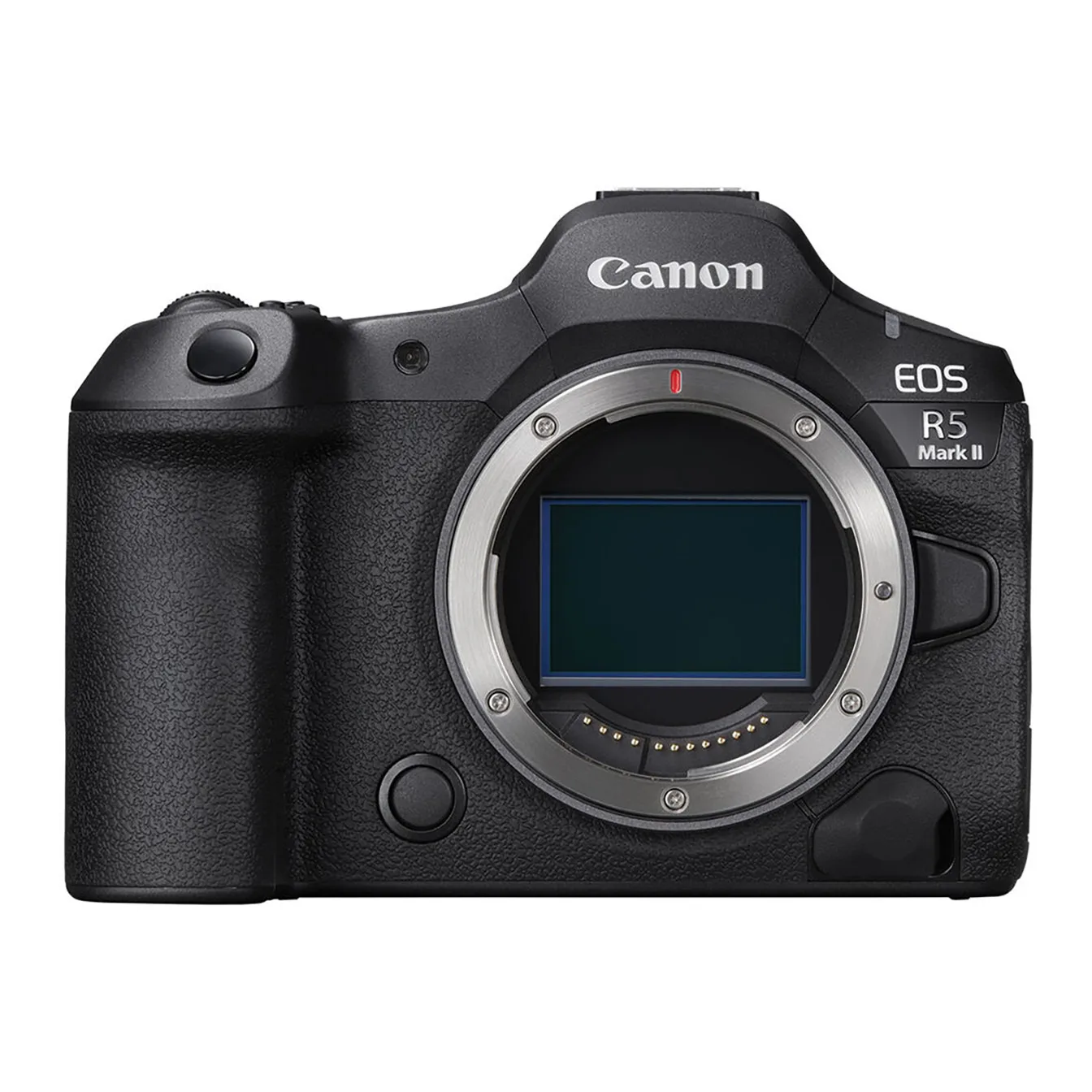
Canon EOS R5 Mark II Mirrorless Camera
-
Sony a6400 Mirrorless Camera: APS-C mirrorless camera priced at $435.47 (compared to $649.95), with price guarantee and rent now. The lower price and crop factor make it a budget-friendly option for video and telephoto reach, though wide-angle framing is limited.
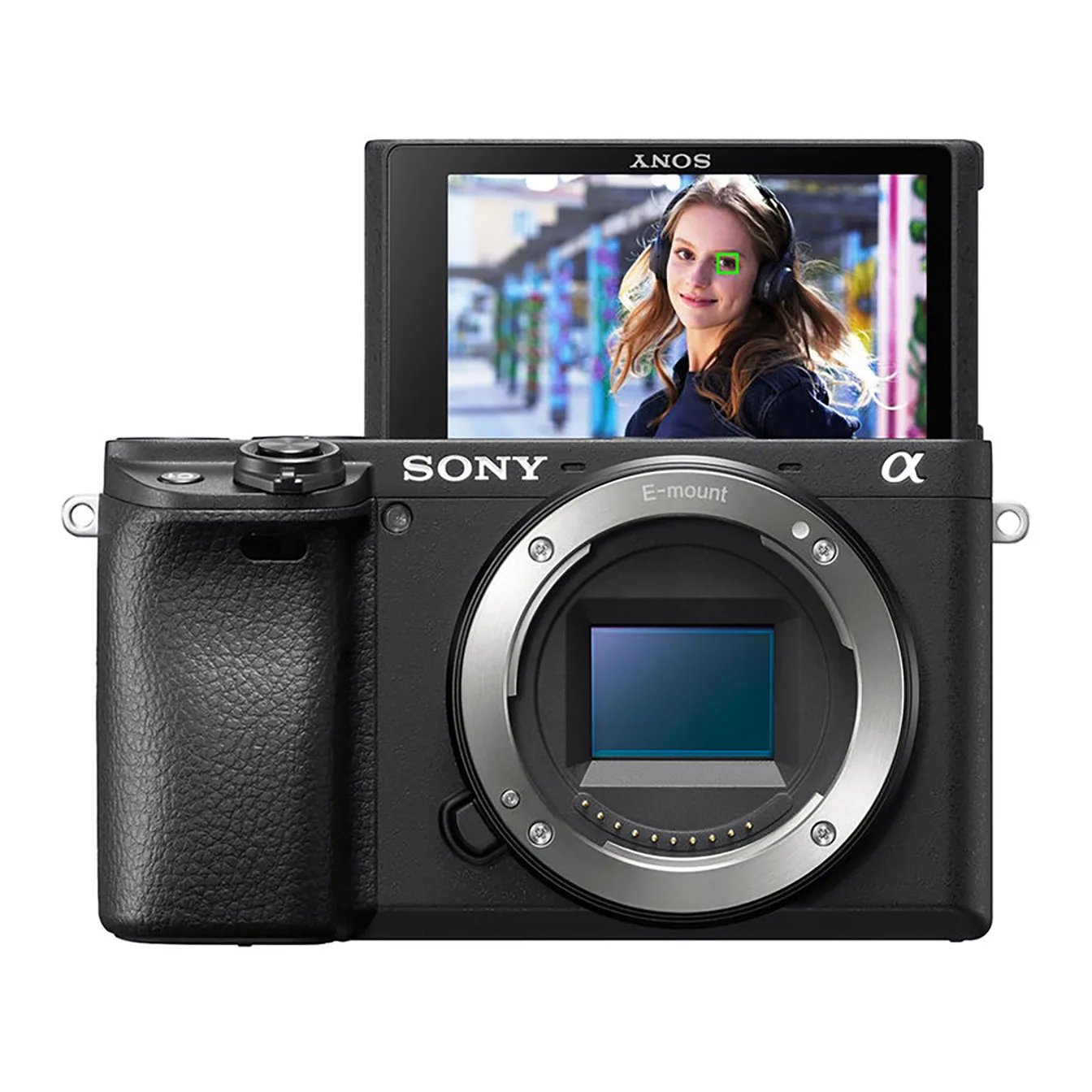
Sony a6400 Mirrorless Camera
Who should choose which
Best for
- Photographers who need full-frame low-light performance and shallow depth of field
- Video shooters who want wide-angle framing without a crop factor
- Users who can budget for full-frame lenses and accessories
Not for
- Budget-conscious buyers who want a capable camera under $500
- Travelers who prefer a lighter, more compact APS-C system
- Anyone who mainly needs extra telephoto reach for video