Quick Answer
Choose the Canon RF 70-200mm f/2.8 Z if you need reach and cinematic iris control; pick the RF 28-70mm f/2.8 IS STM for a lighter, more budget-friendly everyday zoom.
Reach and framing flexibility
The most obvious difference is zoom range. The RF 70-200mm f/2.8 Z covers classic telephoto lengths, making it ideal for portraits, events, and sports where you want to compress perspective and isolate subjects from a distance. The RF 28-70mm f/2.8 IS STM starts wider and ends at a short telephoto, which suits walkaround shooting, travel, and environmental portraits where you need a bit of context around your subject.
If you frequently shoot indoors or in tight spaces, the 28mm wide end of the RF 28-70mm f/2.8 IS STM will be more useful than the 70mm starting point of the telephoto zoom. Conversely, if you photograph subjects you cannot approach, the extra reach of the 70-200mm is the deciding factor.
Weight and handling trade-offs
The RF 28-70mm f/2.8 IS STM is described as compact and lightweight, which makes it easier to carry all day or mount on a gimbal for video. The RF 70-200mm f/2.8 Z is a larger, heavier lens, but that bulk is the price of its longer reach and internal zoom design. If you prioritize portability and discretion, the standard zoom is the more practical choice; if you need the telephoto reach, the extra weight is a necessary trade-off.
Video and cinematic features
The RF 70-200mm f/2.8 Z is explicitly designed with filmmakers in mind. Its iris control and 11-blade circular aperture produce smooth, cinematic bokeh, and its 7.5-stop image stabilization with compatible cameras helps keep handheld shots steady. The RF 28-70mm f/2.8 IS STM also offers 7.5 stops of stabilization and quiet autofocus, which suits video, but it lacks the dedicated iris ring and the same level of bokeh control. If your primary use is video, the telephoto zoom gives you more creative control; if you are a hybrid shooter who wants a lighter setup, the standard zoom still performs well.
Trade-off Decision Guide
- Reach vs. flexibility: If you shoot subjects at a distance (sports, wildlife, events), the 70-200mm gives you the reach you need. If you shoot in tight spaces or want a wider field of view, the 28-70mm is more versatile.
- Weight vs. performance: The RF 28-70mm f/2.8 IS STM is lighter and easier to carry for long days. The RF 70-200mm f/2.8 Z is heavier but offers telephoto compression and cinematic control. If you plan to carry the lens on a gimbal or on long hikes, choose the lighter standard zoom.
- Video features vs. budget: The RF 70-200mm f/2.8 Z has iris control and an 11-blade aperture for smoother bokeh, which is a plus for filmmakers. The RF 28-70mm f/2.8 IS STM is more affordable and still offers quiet autofocus and stabilization. If video is your priority and budget allows, the Z lens is worth the premium; otherwise, the standard zoom gives you most benefits at a lower price.
Product Facts
-
Canon RF 70-200mm f/2.8L IS USM Z: The RF 70-200mm f/2.8 Z features iris control and an 11-blade circular aperture for cinematic bokeh, plus up to 7.5 stops of image stabilization with compatible cameras. This makes it a strong choice for filmmakers and photographers who want precise control over background blur and steady handheld shots.
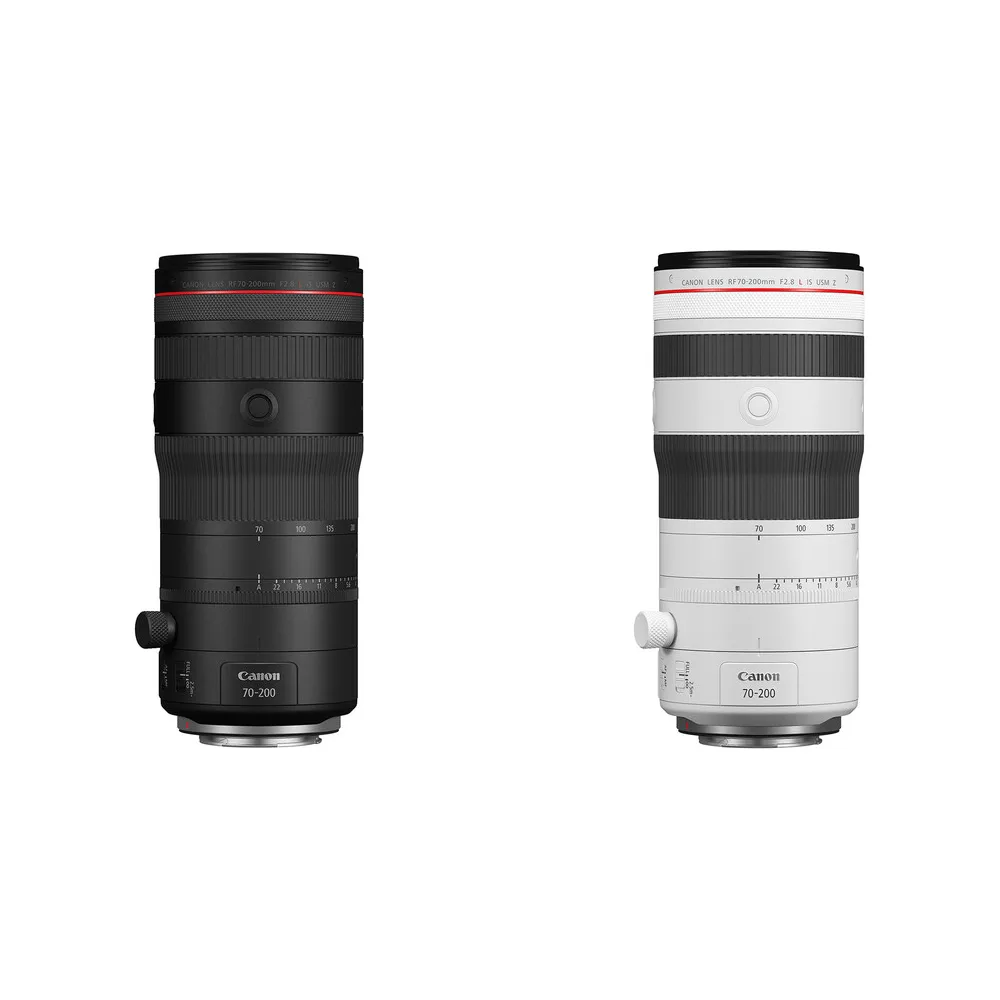
Canon RF 70-200mm f/2.8L IS USM Z
-
Canon RF 28-70mm F2.8 IS STM: The RF 28-70mm f/2.8 IS STM is a compact, lightweight zoom with 7.5 stops of stabilization and quiet autofocus, and it is dust- and drip-resistant similar to an L-lens. Its portability and weather resistance make it an excellent everyday lens for travel and outdoor shooting without sacrificing image quality.
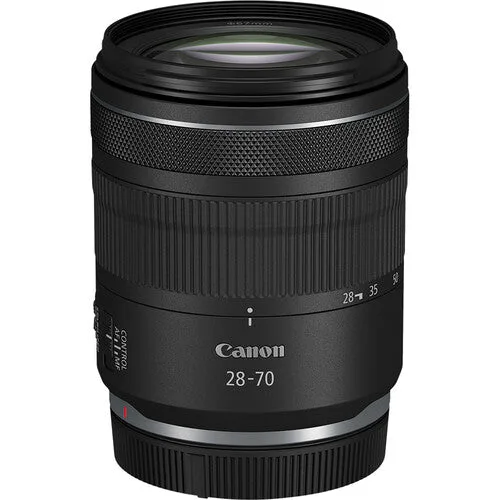
Canon RF 28-70mm F2.8 IS STM
Who Should Buy Which?
Best for
- Portrait and event photographers who need telephoto reach and subject isolation
- Filmmakers who want iris control and smooth bokeh for cinematic shots
Not for
- Travelers or vloggers who prioritize a lightweight, compact setup
- Budget-conscious buyers who want a versatile everyday zoom without the telephoto price tag