Quick answer
If you own a Canon RF-mount camera, choose RF-S lenses for native compatibility and future-proofing. If you have an EF-M camera, stick with EF-M lenses—they're compact and affordable, but the system is not expanding.
Mount compatibility decides everything
The most important factor is which camera body you own. RF-S lenses fit Canon's RF mount, used by the EOS R series (including APS-C models like the R50 and R100). EF-M lenses are designed exclusively for the EOS M series, which Canon has discontinued. You cannot mount EF-M lenses on RF bodies without an adapter, and even then, compatibility is limited.
If you're starting fresh, the RF mount is the clear long-term choice because Canon continues to release new RF-S lenses and bodies. EF-M, while still functional, is a closed system with no new development.
Price and availability: EF-M offers bargains
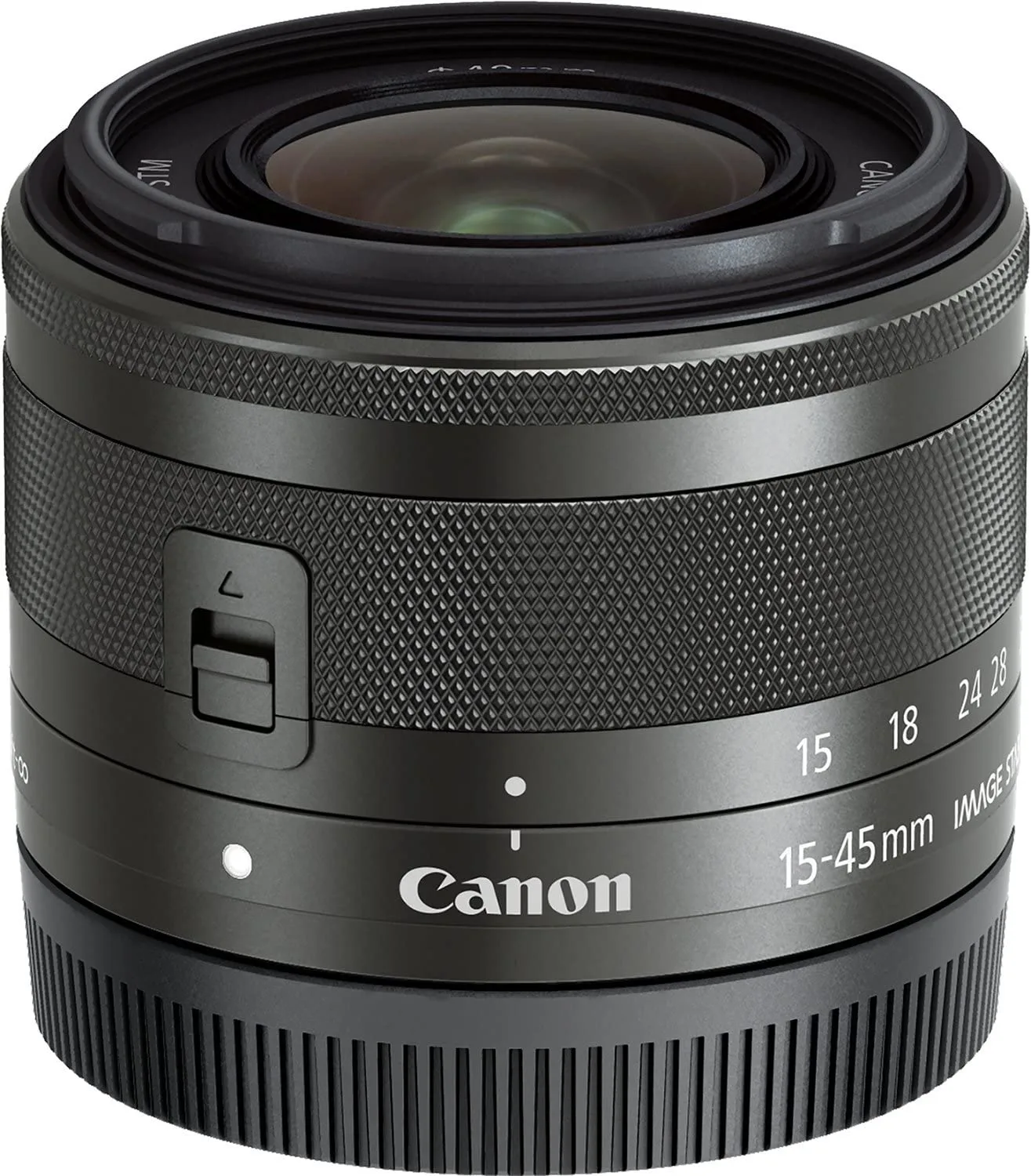
EF-M lenses are often cheaper because the system is being phased out. For example, the Canon EF-M 15-45mm f3.5-6.3 IS STM is available at a significantly lower price than comparable RF-S lenses. If you already own an EOS M camera, this is a great way to build a kit without spending much.
However, RF-S lenses, while pricier, are backed by ongoing support and a wider ecosystem. The Canon RF-S 18-45mm f4.5-6.3 IS STM is a solid kit lens that covers the same focal range as the EF-M 15-45mm but for the RF system.
Future-proofing vs. immediate savings
Choosing RF-S means you can upgrade to a full-frame RF body later and still use your lens (in crop mode). EF-M locks you into the M system, which has no upgrade path. If you plan to stay with your current camera for years, EF-M's lower cost is attractive. If you might switch bodies, RF-S is the safer investment.
Trade-offs to weigh
- RF-S: future-proof but pricier: If you're buying a new camera or plan to upgrade, invest in RF-S lenses. They fit the latest RF bodies and have a growing lineup. Expect to pay more than EF-M equivalents. Check if your camera is RF-mount before buying RF-S.
- EF-M: cheap but dead end: If you already own an EOS M camera, EF-M lenses are a low-cost way to expand. But the system is discontinued, so don't expect new releases or body upgrades. Consider buying used EF-M lenses to save even more.
- Adapter route: not recommended: Using EF-M lenses on RF bodies requires a third-party adapter and often loses autofocus speed. It's better to buy the correct mount for your camera. Avoid adapters unless you already own EF-M glass.
Lens options at a glance
-
Canon RF-S 7.8mm F4 STM Dual Lens: Canon RF-S 7.8mm F4 STM Dual Lens – a compact wide-angle prime for RF-S mount. This lens gives RF-S shooters an ultra-wide perspective for landscapes and vlogging, with a fast F4 aperture in a small package.
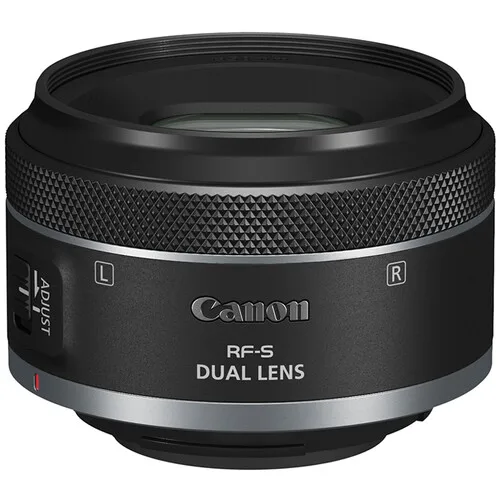
Canon RF-S 7.8mm F4 STM Dual Lens
-
Canon RF-S 18-45mm f4.5-6.3 IS STM Lens: Canon RF-S 18-45mm f4.5-6.3 IS STM Lens – the standard kit zoom for RF-S cameras. It covers everyday focal lengths with image stabilization, making it a versatile first lens for travel and family shots.
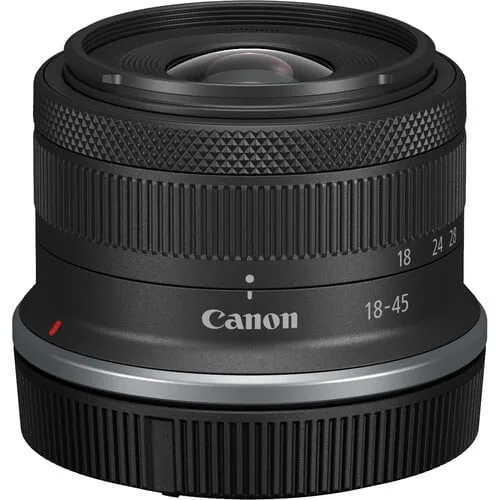
Canon RF-S 18-45mm f4.5-6.3 IS STM Lens
-
Canon EF-M 15-45mm f3.5-6.3 IS STM Lens – Black: Canon EF-M 15-45mm f3.5-6.3 IS STM Lens – an affordable zoom for the EF-M system. It's a budget-friendly way to get a standard zoom on an EOS M body, but it won't work on RF-mount cameras.
Who should choose which
Best for
- New buyers investing in the Canon RF system who want native lens compatibility and future upgrades.
- EOS M owners on a tight budget who want to maximize value from an aging system.
Not for
- Photographers who plan to upgrade to a full-frame RF body in the next few years—EF-M will hold them back.
- Anyone needing the latest lens technology—EF-M has no new releases.