Quick Answer
For a realistic capybara figure, prioritize accurate size relative to other animals, detailed paint with natural brown tones, and a pose that shows the capybara's distinctive blunt snout and small ears. The Mojo Fun Capybara is a solid choice under $4.
Why Size Accuracy Matters
Capybaras are the world's largest rodents, standing about 1.5 to 2 feet tall at the shoulder and weighing up to 140 pounds. A figure that's too small will look like a guinea pig next to other animals in your collection. Check the listed dimensions and compare with figures you already own.
If you're building a diorama or a realistic animal collection, scale consistency is key. A capybara that's noticeably smaller than a deer or larger than a dog will break the illusion. Look for figures that match the approximate real-world proportions.
Paint and Finish Quality
The capybara's coat is coarse and varies from reddish-brown to dark brown. A good figure should have subtle shading, not just a flat color. Look for hand-painted details like lighter fur around the muzzle and darker tones on the legs.
Paint that chips easily is a common issue with cheaper figures. Check the material and read reviews about durability. For display pieces, a matte finish looks more natural than a glossy one.
Pose and Realism
Capybaras have a distinctive body shape: a heavy, boxy head, small ears, and a blunt snout. A realistic figure should capture these features. Poses like standing or sitting are common, but a walking pose adds dynamism.
Some figures include a baby capybara, which is a nice bonus for dioramas. But if you're strictly looking for a single adult, check the product description to avoid surprises.
Decision Rules for Buying a Capybara Figure
- If the figure is under 3 inches long: It's likely too small for a realistic scale. Use it only for novelty or keychain displays, not for serious collections.
- If the paint has visible brush strokes or drips: Reject it. Quality figures have clean, even paint with subtle shading. Check for paint bleed on the eyes and nose. Inspect the eyes and nostrils for crisp detail.
- If the pose is standing or walking: It's more versatile for dioramas. Sitting poses are fine but limit placement options.
- If the figure includes a baby capybara: It's a bonus, but make sure the adult is the right size. Some sets are smaller than expected. Check the total dimensions of the set.
- If you're on a budget: Under $5 is reasonable for a single figure. The Mojo Fun Capybara is priced at $3.32, which is a good value for a collectible.
Product Highlight
-
Capybara: Real capybaras can stay submerged for up to 5 minutes and press their ears against their heads to keep water out. Their thin coat of coarse hair dries quickly after exiting the water. This means a realistic capybara figure should have a streamlined body and small, flat ears, which you can check in the figure's sculpt.
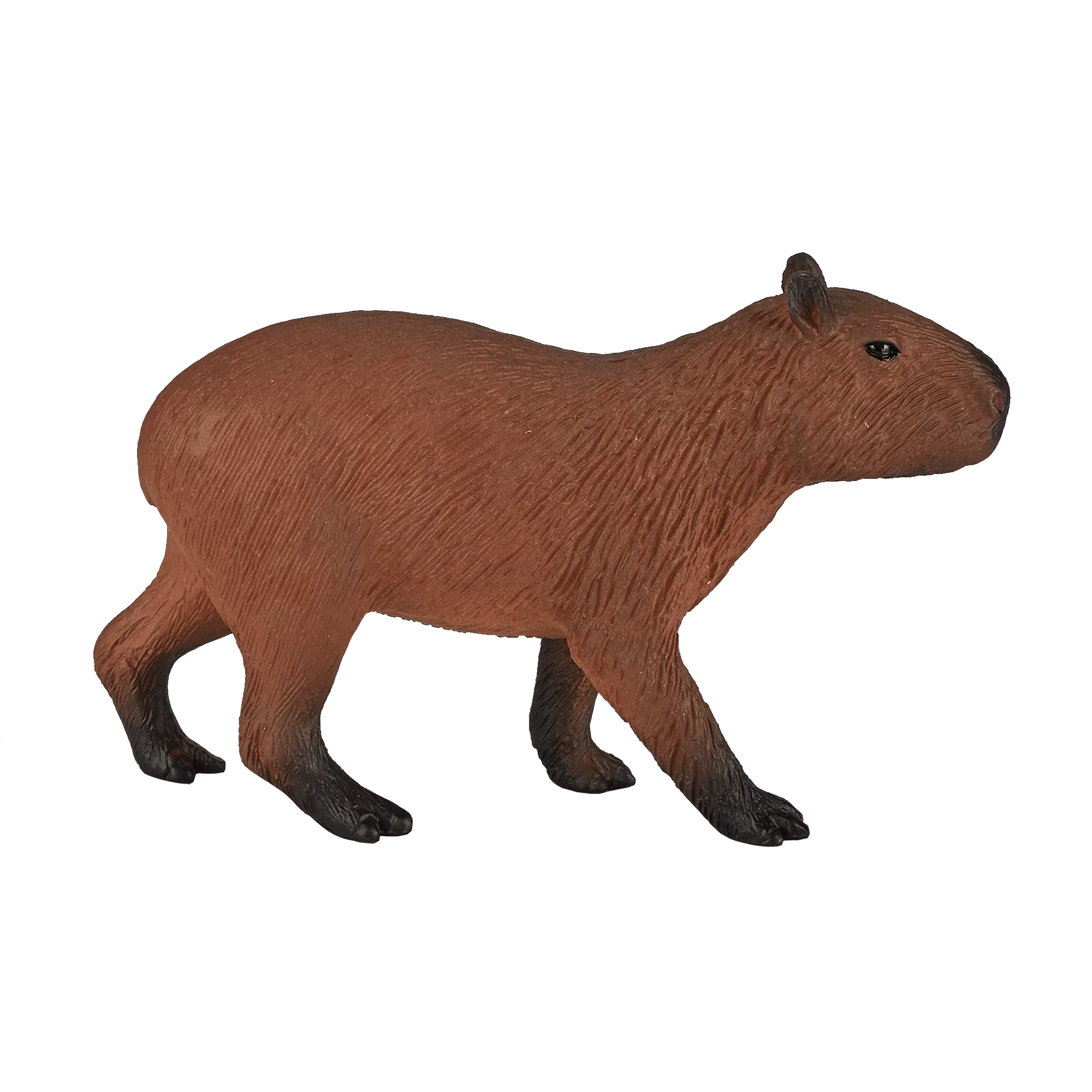
Capybara
Who Should Buy This Type of Figure
Best for
- Collectors building a realistic South American animal set
- Parents buying a durable, affordable toy for kids who love animals
- Diorama enthusiasts who need accurate scale
Not for
- Collectors who demand ultra-premium hand-painted details (consider higher-end brands)
- Kids who need a soft plush toy instead of a rigid figure