When you're building a high-quality cookware collection, two heavy hitters often top the list: the stock pot and the Dutch oven. Both are versatile, both are workhorses, and both are available from Caraway, a brand celebrated for its non-toxic, ceramic-coated cookware. But which one deserves a spot in your kitchen?
Dutch oven
In this comparison, we'll break down the key differences between Caraway's stock pot and Dutch oven, examine their best uses, and help you decide which one fits your cooking style. Whether you're simmering stocks, braising meats, or baking bread, we'll guide you to the right choice.
Caraway Stock Pot Overview
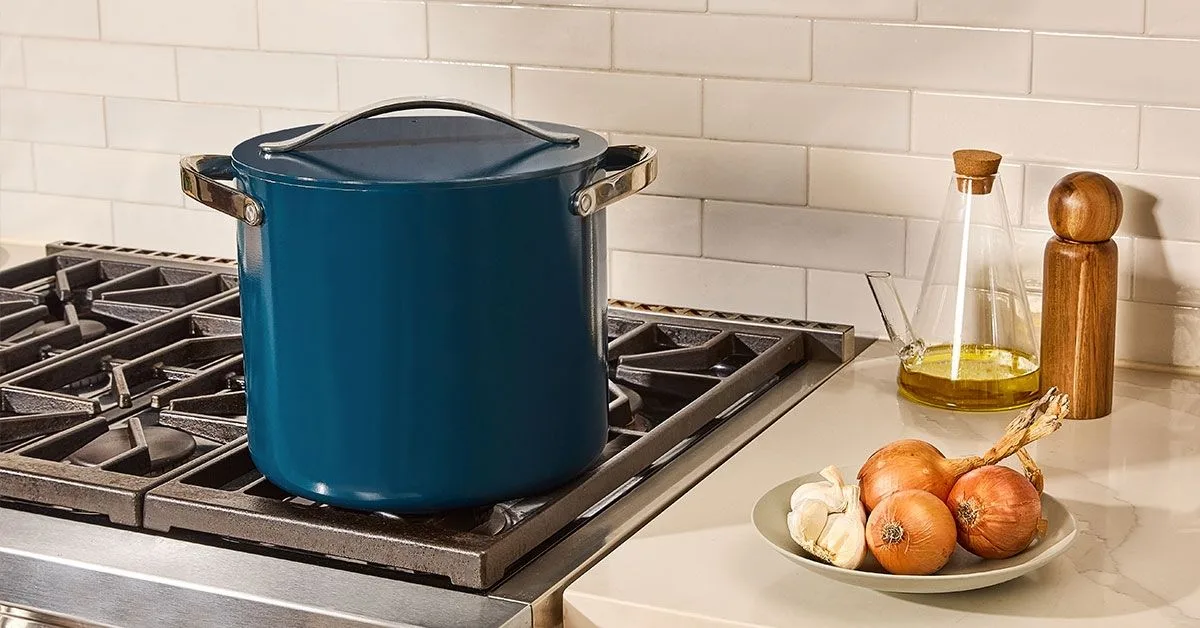
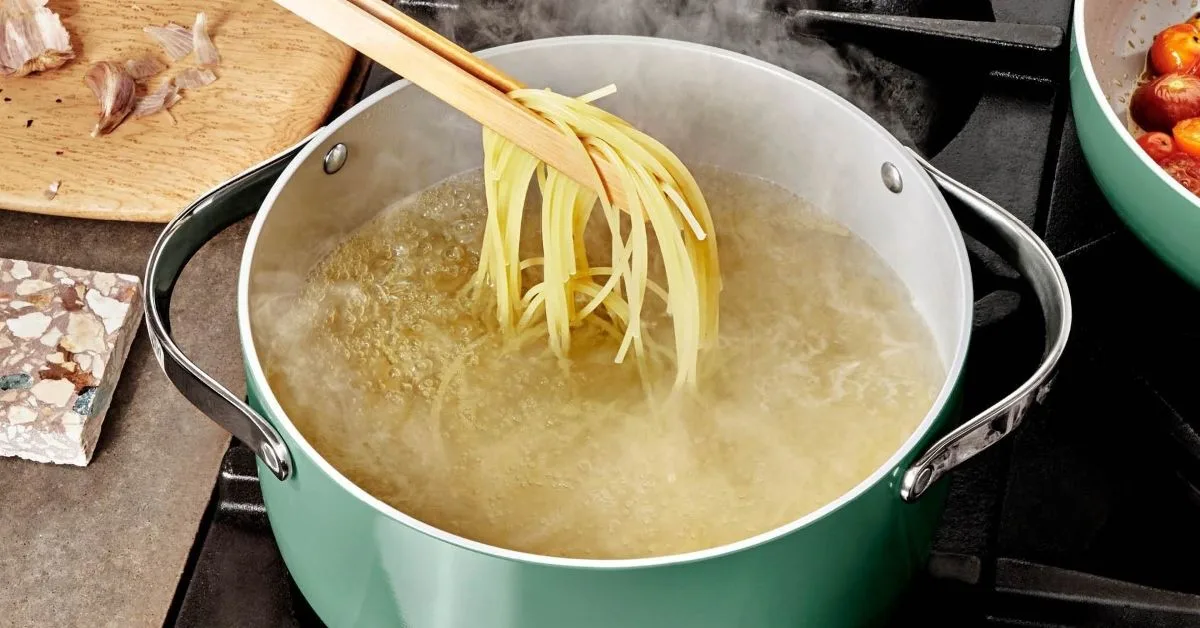
Caraway's stock pot is designed for high-volume cooking. It typically features tall, straight sides and a generous capacity, making it ideal for making soups, stews, and pasta for a crowd. The pot's even heat distribution ensures that everything from a light broth to a hearty chili cooks uniformly without hot spots.
The stock pot often comes with a tight-fitting lid to lock in moisture and flavor, and its handles are designed for a secure grip even when the pot is full. Caraway's signature ceramic coating is free of PFAS, PFOA, and other harmful chemicals, so you can cook with peace of mind. It's also easy to clean—usually just a quick wipe or a gentle wash.
- Best for: soups, stews, pasta, boiling vegetables, and large batches of stock or broth.
- Capacity: typically large, often 5.5 to 6 quarts, perfect for feeding a family or meal prepping.
- Cleaning: dishwasher safe, but hand washing is recommended to preserve the coating.
Caraway Dutch Oven Overview
The Caraway Dutch oven is a versatile piece that excels in both stovetop and oven cooking. With its heavy construction and tight-sealing lid, it's perfect for braising, slow cooking, and even baking bread. The Dutch oven's ability to retain heat makes it ideal for searing meat and then transferring it to the oven for a slow, even cook.
Caraway's Dutch oven often comes in a similar capacity to the stock pot, but its shape is shorter and wider, which allows for better browning and caramelization. The ceramic coating is equally non-toxic, and the pot is designed to go from stove to table, making it a beautiful serving piece as well.
- Best for: braising, roasting, baking bread, slow cooking, and one-pot meals.
- Versatility: works on all stovetops (including induction) and is oven-safe up to high temperatures.
- Design: shorter and wider than a stock pot, promoting even browning and reducing cooking time.
Key Differences: Stock Pot vs Dutch Oven
The main differences between the stock pot and Dutch oven lie in their shape, heat retention, and intended cooking methods. The stock pot's tall, narrow shape is perfect for liquids—it reduces evaporation and keeps splatters contained. The Dutch oven's wide, shallow shape is better for searing and browning, and its heavier construction holds heat longer, making it ideal for slow cooking.
Another difference is the lid. Stock pot lids are typically lighter and fit snugly to keep steam in, while Dutch oven lids are heavier and often have a rim that holds water to create a self-basting effect. This makes the Dutch oven superior for braises and stews where moisture retention is key.
In terms of capacity, both pots may offer similar sizes, but the Dutch oven's shape can accommodate larger cuts of meat or whole chickens, while the stock pot is better for voluminous liquids like pasta water or stock.
- Shape: Stock pot is tall and narrow; Dutch oven is short and wide.
- Heat retention: Dutch oven retains heat better, ideal for slow cooking.
- Lid: Dutch oven has a heavier, self-basting lid; stock pot has a lighter, standard lid.
Best Uses for the Caraway Stock Pot
If you love making large batches of soup, stew, or chili, the stock pot is your best friend. Its tall sides prevent boiling over and keep your stove clean. It's also perfect for cooking pasta, corn on the cob, or seafood boils for a crowd. The stock pot is a staple for meal preppers who like to cook once and eat all week.
One of the lesser-known uses for a stock pot is making homemade stock or broth. You can toss in bones, vegetables, and herbs, cover with water, and simmer for hours. The tall shape allows for maximum extraction of flavor without reducing too quickly. If you're a fan of batch cooking, the stock pot is indispensable.
- Make large quantities of soup or stew for freezing.
- Boil pasta, potatoes, or corn for gatherings.
- Prepare homemade stock or broth with ease.
Best Uses for the Caraway Dutch Oven
The Dutch oven shines when you need to sear, braise, or bake. Its wide base provides ample surface area for browning meat, which builds deep flavor. After searing, you can add liquids and transfer the pot to the oven for a low-and-slow braise. The result is fork-tender meat and rich, complex sauces.
Baking bread is another beloved use for a Dutch oven. The heavy lid traps steam, creating a crispy crust and soft interior—just like a professional bakery. You can also use it for no-knead bread recipes, which are perfect for beginners. The Dutch oven is truly a multi-functional piece that can replace several other pots and pans.
- Sear and braise meats for tender, flavorful dishes.
- Bake artisan-style bread with a crispy crust.
- Use as a stylish serving dish for one-pot meals.
Which One Should You Choose?
Your choice ultimately depends on your cooking habits. If you frequently cook for large groups, make soups and stews, or love to meal prep, the stock pot is a practical addition. If you're into braising, baking bread, or want a versatile pot that can go from stovetop to oven, the Dutch oven is the winner.
For many home cooks, owning both is ideal. They complement each other perfectly—the stock pot handles your liquid-heavy dishes, while the Dutch oven tackles your slow-cooked and baked creations. If you're just starting your cookware collection, consider your most common meals and choose accordingly.
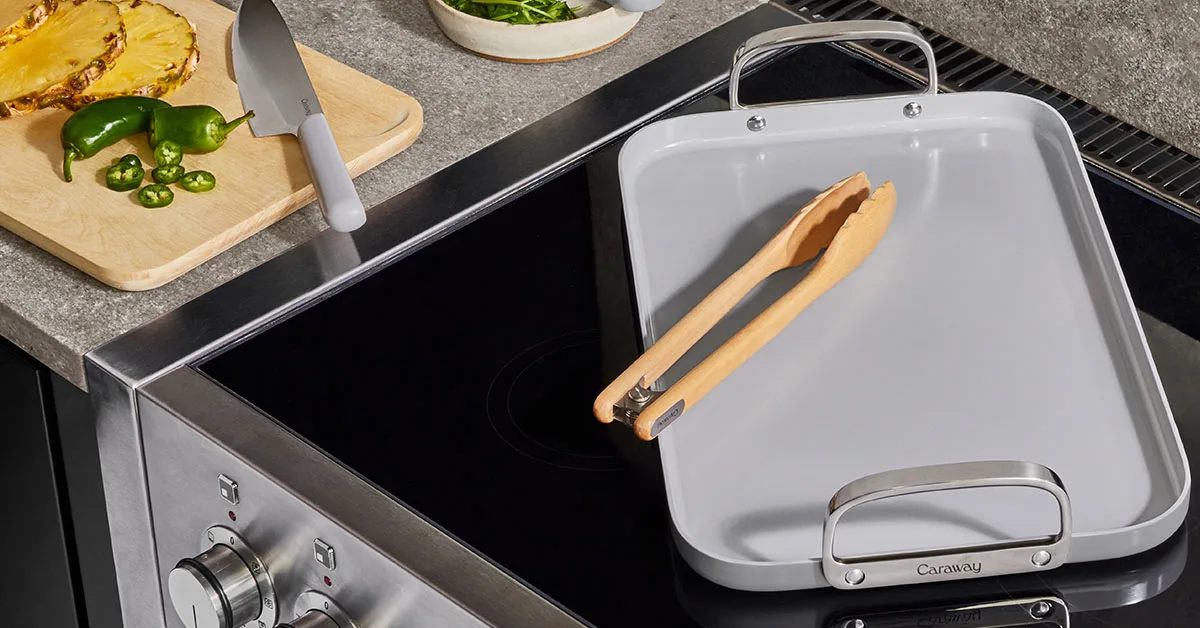
Caraway also offers accessories that can enhance your cooking experience. For example, a Small Baking Sheet is great for baking cookies or roasting vegetables, and a Double Burner Griddle is perfect for breakfast favorites. These can complement either pot.
Final Thoughts
Both the Caraway stock pot and Dutch oven are high-quality, non-toxic, and built to last. They offer excellent heat distribution and easy cleanup, making them a joy to cook with. Whether you choose one or both, you'll be investing in cookware that will serve you well for years.
If you're still on the fence, think about your go-to recipes. Do you simmer a big pot of soup weekly? Go for the stock pot. Do you love Sunday roasts or homemade bread? The Dutch oven is your match. And if budget allows, adding both to your kitchen gives you ultimate flexibility.
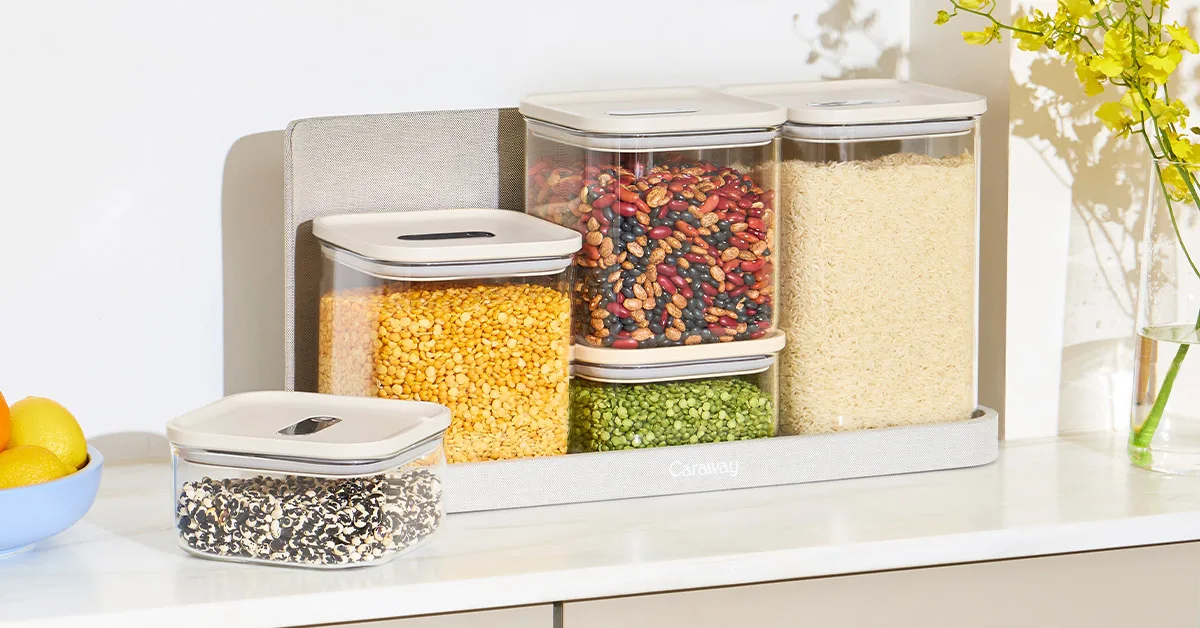
Whichever you pick, Caraway's thoughtful design and non-toxic materials ensure a great cooking experience. Explore the Dot & Dash Container Set of 6 to keep your leftovers fresh, or upgrade your kitchen with the Ultimate Glass Airtight Storage Set for meal prep. Happy cooking!