Quick answer
Choose carbon fiber if you hike, travel, or shoot in cold weather and can spend more. Choose aluminum if you need a durable, budget-friendly tripod and don't mind extra weight. The material tradeoff is simple: carbon fiber saves weight and dampens vibration better; aluminum costs less and handles rough use without as much worry.
Weight and portability
Carbon fiber tripods typically weigh 20-30% less than aluminum models of similar size and load capacity. That difference adds up when you carry a tripod up a trail or through an airport. Aluminum tripods are heavier but still manageable for studio work or car-based shoots where weight isn't a primary concern.
If you shoot landscapes, wildlife, or street photography, the weight savings of carbon fiber can make the difference between bringing your tripod or leaving it behind. For event or product photography where the tripod stays in one spot, aluminum's weight penalty matters less.
Vibration dampening and stability
Carbon fiber absorbs high-frequency vibrations better than aluminum, which means sharper images in windy conditions or on uneven ground. The material's natural damping properties reduce micro-shake from shutter release or mirror slap, especially with longer lenses.
Aluminum transmits more vibration, so you may need a thicker leg section or a center hook for added weight to achieve the same stability. For long exposures or telephoto work, carbon fiber's vibration advantage is noticeable. For general use with shorter lenses, the difference is less critical.
Durability and maintenance
Aluminum tripods are more resistant to impact damage. A drop or knock can dent aluminum but usually won't crack it, and the legs will still function. Carbon fiber can splinter or crack under sharp impact, which may compromise the leg's integrity. Neither material is indestructible, but aluminum handles field abuse better.
Saltwater, sand, and mud are tougher on aluminum because corrosion can seize twist locks or leg sections. Carbon fiber doesn't corrode, but grit can still wear down locking mechanisms. Rinse both types with fresh water after beach or saltwater use. Aluminum needs more frequent lock cleaning to prevent corrosion.
Cost and value
Carbon fiber tripods cost significantly more than aluminum equivalents—often double or more for similar features and load capacity. The price premium comes from the manufacturing process and raw material cost. Aluminum tripods deliver excellent value for photographers on a budget or those who don't need the weight savings.
A quality aluminum tripod from a reputable brand can last for years with proper care. Carbon fiber's higher upfront cost makes sense if you shoot frequently in conditions where every ounce matters. For occasional use or studio-only work, aluminum gives you more money left for other gear like a good head or a flash.
Temperature performance
Carbon fiber doesn't conduct heat or cold, so the legs stay comfortable to handle in freezing weather. Aluminum gets very cold to the touch, which can be uncomfortable during winter shoots. This is a minor but real consideration for landscape photographers who shoot in cold climates.
Neither material is affected by temperature extremes in terms of structural performance. The choice here is purely about handling comfort. If you shoot in cold weather regularly, carbon fiber's temperature neutrality is a nice bonus.
Carbon fiber vs aluminum: the tradeoffs
- Weight savings: Carbon fiber saves 20-30% weight over aluminum. That means easier carrying on long hikes or all-day shoots. Aluminum is heavier but still manageable for studio or car-based work. If you carry your tripod more than a few minutes, carbon fiber pays off.
- Vibration dampening: Carbon fiber absorbs high-frequency vibrations better, giving sharper results in wind or with long lenses. Aluminum transmits more vibration, requiring thicker legs or a weight hook for similar stability. For telephoto or long exposure work, carbon fiber is the sharper choice.
- Durability: Aluminum withstands impacts without cracking; dents usually don't stop function. Carbon fiber can splinter on hard impacts, potentially compromising the leg. Both need care in sand and saltwater. If you shoot in rough conditions, aluminum is more forgiving.
- Cost: Carbon fiber tripods cost roughly double or more than comparable aluminum models. Aluminum gives you a reliable tripod for less money, leaving budget for other gear. If weight isn't critical, aluminum offers better value.
- Cold weather comfort: Carbon fiber stays neutral to the touch in freezing temperatures. Aluminum gets very cold, which can be uncomfortable to handle without gloves. Winter shooters will appreciate carbon fiber's temperature neutrality.
Related gear from District Camera
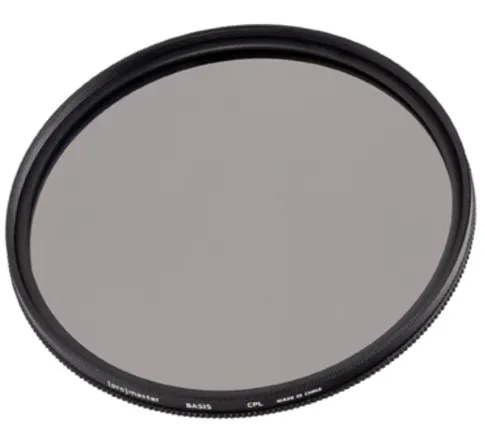
- ProMaster 49mm Circular Polarizer Filter (CPL) - Basis 70400: The ProMaster 49mm Circular Polarizer Filter (CPL) is part of the ProMaster Basis line, item 70400. This circular polarizer is designed for lenses that accept 49mm filters. It is also available in additional thread sizes: 46, 52, 55, 58, 62, 67, 72, 77 and 82mm. Once you choose your tripod material, a circular polarizer helps cut glare and deepen skies in landscape and outdoor shots—common uses for a tripod. The wide range of thread sizes means you can likely match your lens.
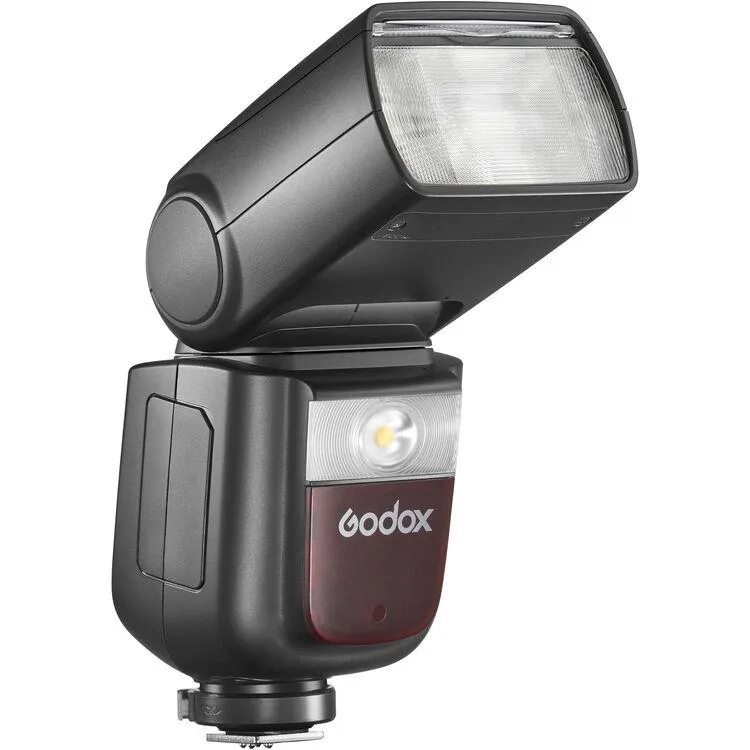
- Godox Ving V860III TTL Li-Ion Flash Kit for Nikon Cameras: The Godox Ving V860III TTL Li-Ion Flash Kit for Nikon Cameras includes a modeling light for pre-visualization and continues all features of the V860II with added functions to improve shooting efficiency. A flash with a modeling light helps you preview light placement when your camera is on a tripod, making it easier to set up portrait or product shots without guesswork. The V860III's TTL compatibility simplifies exposure when you're working quickly.
Which tripod material fits you?
Best for carbon fiber
- Hikers and travel photographers who carry gear long distances
- Landscape and wildlife shooters needing vibration dampening for sharp long exposures
- Photographers who shoot in cold climates and want comfortable handling
- Anyone whose budget allows a premium for weight savings
Best for aluminum
- Studio or event photographers who rarely move the tripod far
- Budget-conscious buyers who want maximum value per dollar
- Photographers working in rugged environments where impacts are likely
- Beginners who want a reliable tripod without a high upfront cost