Quick answer
A card clip works best when it applies even, moderate pressure to a squared deck, not maximum pressure. If your cards are already warped, the clip can help flatten them only after you remove the cause, usually humidity or a bent clip. Check the clip's arms and screws first, store the deck in a dry, stable place, and stop tightening when the clip feels snug rather than forced.
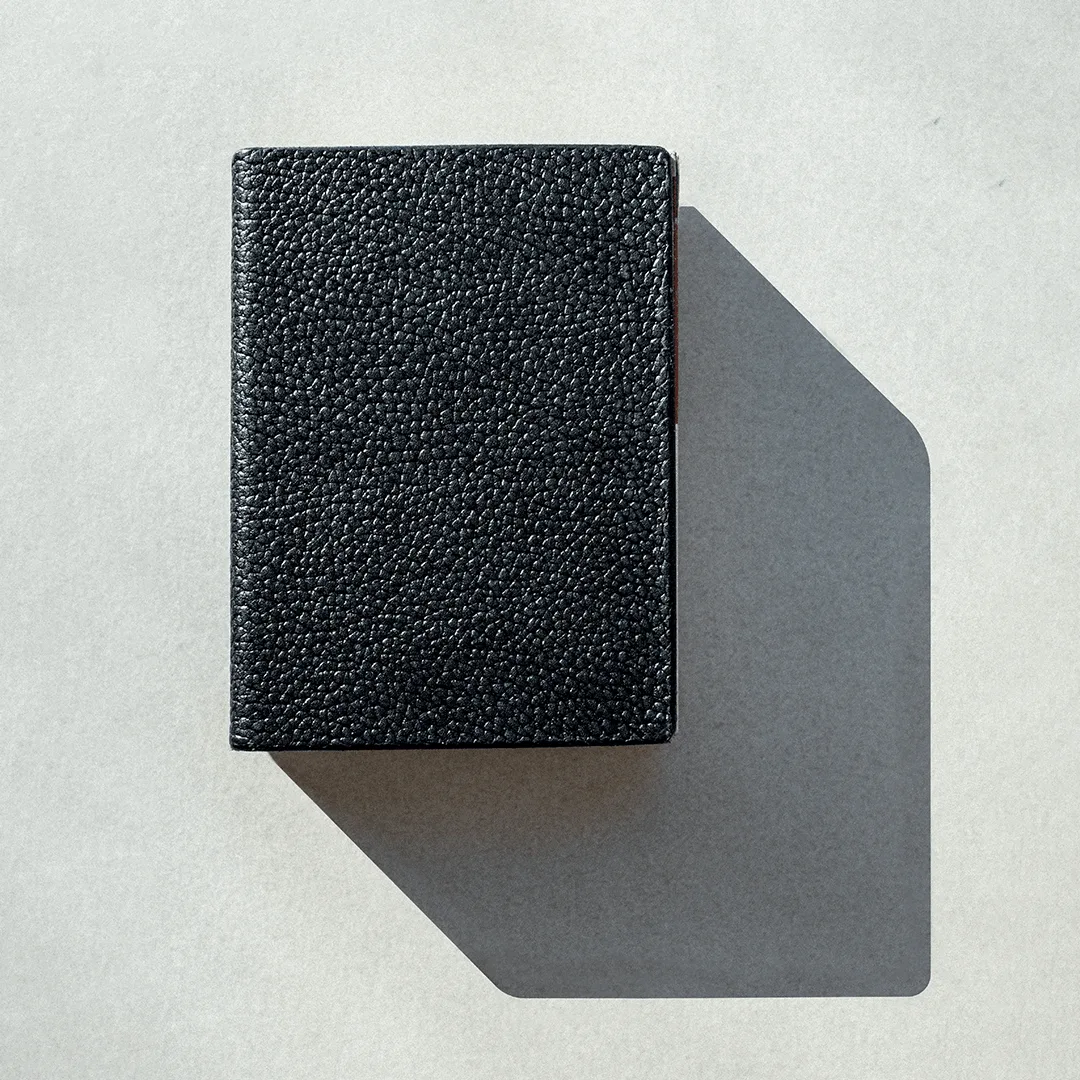
card clip
Symptom: the clip feels loose, tight, or uneven
A clip that slides off easily or needs constant re-tightening is usually not a card problem. It is a sign that the clip's arms have been bent outward, the screw has loosened, or the deck is not squared before insertion. A clip that feels tight on one side and loose on the other is often pressing against a deck that was inserted at an angle.
Correct this before you blame the cards. Square the deck on all four sides, then slide it into the clip with the clip's open side facing the same direction each time. If the clip still feels uneven, remove it and inspect the arms against a flat surface. A clip that rocks or sits off the surface needs to be re-shaped or retired, not forced onto a deck.
Cause: humidity and storage, not just the clip
Warped playing cards are usually reacting to moisture in the air. Paper stock absorbs and releases water, and the printed coating on the faces and backs responds at different rates. A clip can hold a deck flat while it dries, but it cannot reverse a deck that has been stored in a damp room for weeks. Move the deck to a dry, stable spot with moderate temperature before you tighten anything.
Avoid storing a clipped deck on a windowsill, in a car, or near a kitchen or bathroom. Those places swing between humid and dry, which is exactly what warps cards. A closed box or drawer with consistent conditions does more for card clip care than any amount of extra pressure.
Corrective action: how to use a card clip to flatten a deck
Start with a clean, squared deck. Insert it into the clip so the clip's pressure runs across the long sides of the cards, which is the direction that resists bowing. Tighten the screw or adjust the arms until the clip holds the deck firmly but you can still slide the deck out with light resistance. Leave it for a few hours, then check.
If the deck is still bowed, do not crank the clip down further. Instead, remove the deck, let it sit unclipped in a dry space for a day, and try again. Repeated gentle cycles work better than one aggressive squeeze, which can dent card edges or leave a permanent bend in the clip itself.
Playing card clip maintenance: keep the clip working
Wipe the clip with a dry or very slightly damp cloth and dry it immediately. Metal clips can corrode if moisture sits in the hinge or screw threads, and residue from hands can transfer to card edges. Check the screw periodically; a loose screw changes the pressure and can let the clip twist.
Do not lubricate a card clip unless the manufacturer specifically says to. Oil can migrate onto cards and stain them. If the clip has a leather or fabric cover, keep it away from prolonged direct sun, which can dry and crack the material. Store the clip open or at rest when it is not holding a deck so the arms do not take a set.
When to stop and choose another option
Stop using a clip on a deck if the cards show visible creases, delamination, or a sharp bend at one corner. Those are damage, not temporary warp, and pressure will not fix them. Stop using the clip itself if its arms are visibly bent, the screw will not hold tension, or the surface is rusting. A damaged clip can mark every deck you put in it.
If you have tried dry storage and gentle clipping for a week with no change, the deck is likely beyond a clip's help. Rotate in a fresh deck for practice and keep the warped one for display or casual use. For cardists who need consistent fans and faros, a flat, undamaged deck matters more than saving a tired one.
Diagnosis: match the symptom to the fix
- Symptom: clip slides off or needs constant tightening: The clip arms are bent outward or the screw has loosened, not the cards. Re-shape or tighten the clip; if it still slips, replace it before it marks a deck.
- Symptom: cards bow after a few days in the clip: Moisture is entering and leaving the paper stock, usually from a damp or fluctuating storage spot. Move the deck to a dry, stable place, then clip lightly and recheck after a day.
- Symptom: one corner or edge stays bent: This is physical damage, not temporary warp, and pressure will not reverse it. Stop clipping that deck and set it aside for display or casual use.
Decks that pair well with careful clip storage
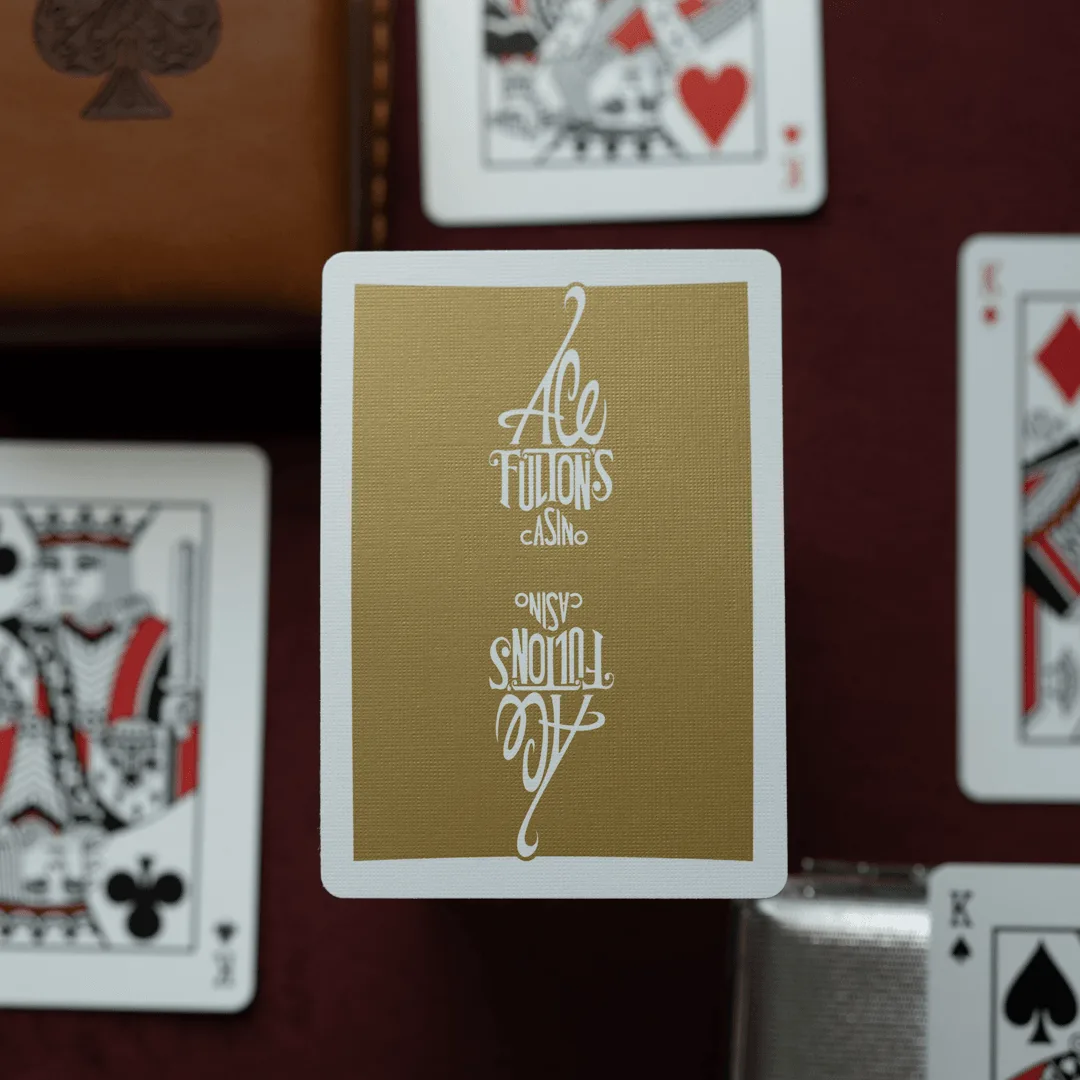
- Ace Fulton's Playing Cards: Ace Fulton's Playing Cards were produced in collaboration with Brad Fulton, and the line has seen over a dozen colorways since its 2011 release, including Pink, Blue, Green, and Gold. If you collect multiple colorways, store each deck squared and clipped separately so you do not mix cards between decks or press different stock conditions together.
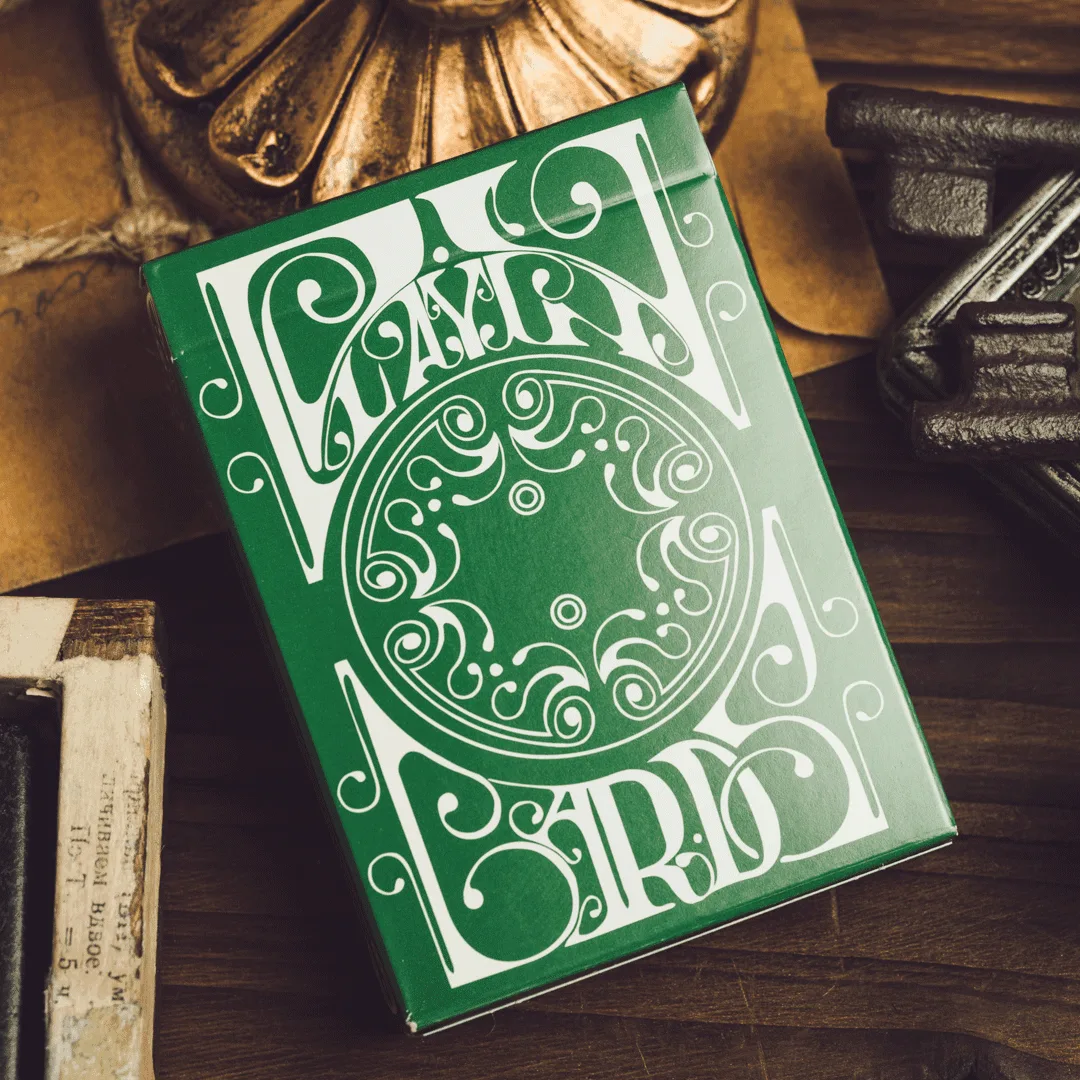
- Smoke & Mirrors Anniversary Edition: Rouge: Smoke & Mirrors Anniversary Edition: Rouge is a fifteen-anniversary edition in red, inspired by 19th-century typography and originally released on December 3rd, 2010 as the Denim Edition. A commemorative deck is worth keeping flat in a dry, stable place; clip it lightly rather than tightly so the box and cards keep their shape for the long term.
- Smoke & Mirrors, v8: Smoke & Mirrors, v8 was exclusively released in China and was never sold or made available due to a minor imperfection caused during the printing process. If you own a set like this, treat the clip as storage rather than a repair tool, because the printing condition is fixed and pressure will not change it.