Quick answer
Most card-in-hand failures come from one of three causes: the move is exposed at the wrong angle, your grip is too tense to allow a natural action, or you are trying to force a control into a moment that calls for a switch. Fix the angle first, relax the grip second, and if the effect still fights you, choose a method that matches the moment instead of drilling the same sleight harder.
switch
Symptom: the card flashes during the control
A flash usually means the card leaves the deck's silhouette before the covering action arrives. Film one performance from a spectator's eye line, not from above your hands. If the card's edge or face appears for even a frame, the problem is timing, not finger strength.
Correct it by slowing the first half of the move and speeding the second. The covering hand should arrive before the card separates, not after. Practise in front of a mirror at the exact height you perform, then repeat with a camera at chest level. If the flash persists after ten clean reps, the move may be angle-sensitive for your seating arrangement — switch to a control that happens in the open, such as the one taught in Under Control, rather than forcing a hidden move into a bad sightline.
Symptom: your hands freeze or shake mid-move
Tension is the usual cause. A death grip on the deck reduces finger independence and makes small adjustments visible. Loosen your thumb pressure until the deck rests rather than clamps, and rehearse the move at half speed with no audience. Speed hides sloppiness; slow practice exposes and removes it.
If shaking continues under performance pressure, reduce the number of moves in the routine. One confident control reads better than three shaky ones. Dennis Kim's Ephemera is built around smooth visual moves rather than knuckle-busting sleights, which makes it a useful reference for pacing: watch how the handling stays calm before the moment of change.
Symptom: the switch is seen even though the move is executed correctly
When the mechanics are right but the audience still catches it, the problem is attention, not technique. Spectators look where you look and where you gesture. If you glance at the card during the switch, they will too.
Redirect attention with a question, a pause, or a deliberate look at the spectator's eyes. Then perform the switch while they are answering. Under Control is designed around exactly this idea: a control or switch that happens in the open, right under the spectator's eyes, and still flies past undetected. If your current method requires misdirection you cannot reliably create, borrow the open-handling approach instead of adding more cover.
When to stop fixing and change the effect
Set a practice limit: if a move still fails after three focused sessions of slow, filmed repetition, stop drilling it and choose a different method for the same effect. Some hands are built for different mechanics, and forcing a move that fights your anatomy wastes time you could spend on presentation.
Also consider the room. A control that works at a table may fail standing, and a switch that kills in close-up may be invisible on stage. Match the method to the venue rather than rebuilding your hands around one sleight. If you only need one specific utility rather than a full course, a single-session download such as Cop Moves lets you take just the piece you will actually use.
Diagnosis checklist
- Flash during the control: The card separates before the covering hand arrives, or the move is angle-sensitive for your seating. Slow the first half, speed the second, and film from the spectator's eye line. If it still flashes after ten clean reps, switch to an open control.
- Freezing or shaking hands: Excess thumb pressure and performance tension reduce finger independence. Loosen the grip, practise at half speed with no audience, and cut the number of moves in the routine.
- Switch seen despite correct mechanics: Attention is following your gaze or gesture instead of being redirected. Look at the spectator, not the cards, and perform the move while they answer a question. If you cannot create that moment reliably, choose an open-handling method.
Downloads worth knowing about
- Under Control: Under Control teaches a two-card transposition with a thought-of card and a control or switch that happens in the open, right under the spectator's eyes. Useful when your hidden control keeps flashing: an open handling removes the angle problem instead of asking you to drill around it.
- Ephemera: Dennis Kim's Ephemera is described as an assembly of smooth visual moves, including a trick where all other card faces vanish after concentration on a freely selected card. A good reference for pacing and calm handling if your hands tense up during card-in-hand work.
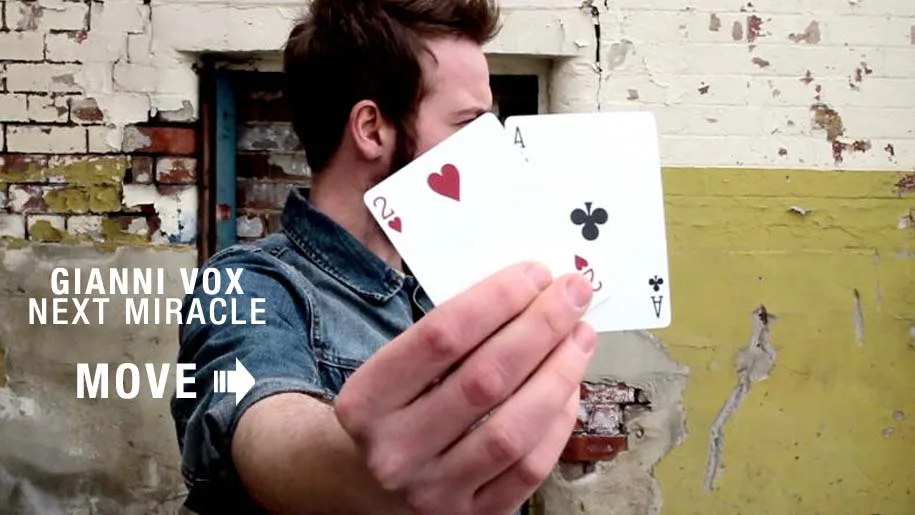
- Cop Moves: Cop Moves is session 2 of the MOVES Singles series, offering bite-sized, handpicked sleights and utilities so you can buy only the pieces that match your style. A practical option when you need one specific utility rather than a full course of moves you will never perform.