Quick answer
Protect the components you touch most: sleeve cards that get shuffled or held every game, store tiles so they cannot rub face-to-face, and roll neoprene mats rather than folding them. If a component already has lifted print, a deep crease, or a torn corner, protection will not repair it, so replace that piece instead of buying more gear.
Wear rarely announces itself. It shows up as a white nick on a card edge you played last week, a tile that suddenly sits proud of its neighbors, or a mat crease that will not lie flat. Each of those is a different problem with a different fix, and buying sleeves for everything is not the answer.
This checklist works symptom first. Find the problem you actually have, then apply the matching action. Where a component is already past saving, the honest move is to stop spending and replace it.
Start with the components you handle every game
Shuffling, dealing, and fanning a hand are the three actions that wear cards fastest. If a game hits the table weekly and every player touches the same deck, that deck earns sleeves. If a deck is drawn from once per session and returned to the box, the wear per hour is low and sleeves are optional.
Tiles follow the same logic. Tiles that are shuffled face-down, stacked, and slid across a table take edge damage. Tiles that sit in a fixed layout and get placed once per round mostly need clean storage, not extra protection.
- Count how many times a deck is shuffled per session before deciding to sleeve it.
- Check whether tiles are shuffled or simply placed. Only shuffled tiles need edge protection.
- Handle cards with clean, dry hands. Oils and crumbs cause more damage than shuffling.
Match the sleeve to the job
A sleeve that is too loose lets cards slide out mid-shuffle, and a sleeve that is too tight bows the card and makes decks unstable. Measure a card before ordering, and buy one pack first to test the fit before committing to a full set. If the sleeved deck no longer fits the insert or box, that is a real cost you should factor in.
Thicker sleeves protect better but add height to the deck. For games where the deck is shuffled hard, that trade is usually worth it. For games where cards are mostly displayed, a thinner sleeve is enough.
- Test one pack before sleeving an entire game.
- Measure the deck height after sleeving to confirm it still fits the box.
- Replace sleeves when they split at the seam rather than taping them.
Protect game tiles without overbuilding
Tile damage comes from three sources: edges rubbing in the box, faces grinding against each other, and moisture. A simple cloth bag or a segmented insert solves the first two. Stacking tiles face-to-face in a loose box is the most common cause of scuffed artwork.
If tiles are shuffled in a bag, check the bag for grit. A single grain of sand trapped in the bag will scratch every tile it touches. Shake the bag out before storage and keep it dry.
- Store tiles face-down in a snug insert so faces do not touch.
- Shake out cloth bags before storing tiles to remove grit.
- Keep the box away from damp floors and direct sun.
Neoprene mats need rolling, not folding
A neoprene mat protects the table and keeps cards from sliding, but it fails when it is folded. Folds create permanent creases that catch cards and never flatten completely. Roll the mat around a tube for storage, and store it flat or rolled rather than folded.
Clean mats with a damp cloth and mild soap, then let them air dry fully before rolling. Rolling a damp mat traps moisture and can cause a musty smell.
- Roll mats around a cardboard tube instead of folding them.
- Wipe spills immediately with a damp cloth, not a soaking one.
- Air dry completely before storage.
When to stop and replace instead
Protection prevents damage. It does not reverse it. If a card has a lifted laminate edge, a tile has a torn corner, or a mat has a hard crease, no sleeve, insert, or mat will fix that component. In those cases, buy a replacement piece or accept the wear and move on.
The same applies to a game you no longer play. Sleeving a game that sits on the shelf protects nothing. Spend the money on the games that actually reach the table.
- Stop buying protection for a component that is already damaged.
- Skip sleeves for games that rarely get played.
- Replace a single damaged tile or card rather than the whole game where possible.
Symptom, cause, fix, and the stop point
- White nicks on card edges: Cause: repeated shuffling and sliding against other cards. Fix: sleeve the deck and shuffle gently. Stop when the nick has lifted the print layer, because a sleeve will hide it but not repair it. Sleeve before the nick appears, not after.
- Scuffed tile faces: Cause: tiles stored face-to-face in a loose box, or grit trapped in a shuffle bag. Fix: store tiles face-down in a snug insert and shake out the bag. Stop if the artwork layer is torn, because storage changes will not restore it. Fix storage first, then reassess the tiles.
- Creased neoprene mat: Cause: folding the mat for storage. Fix: roll the mat around a tube and store it flat or rolled. Stop if the crease has set into the material, because rolling will not remove a hard fold. Roll from day one; a set crease is permanent.
Where this checklist meets real games
- Devious: DEVIOUS is a card game built on bluffing and sabotage, where each round you play a single card from a three-card hand that your opponent arranges face-down. Cards are handled and passed constantly, so edge wear shows up fast. Sleeving the deck protects the hidden-information feel that the game depends on.
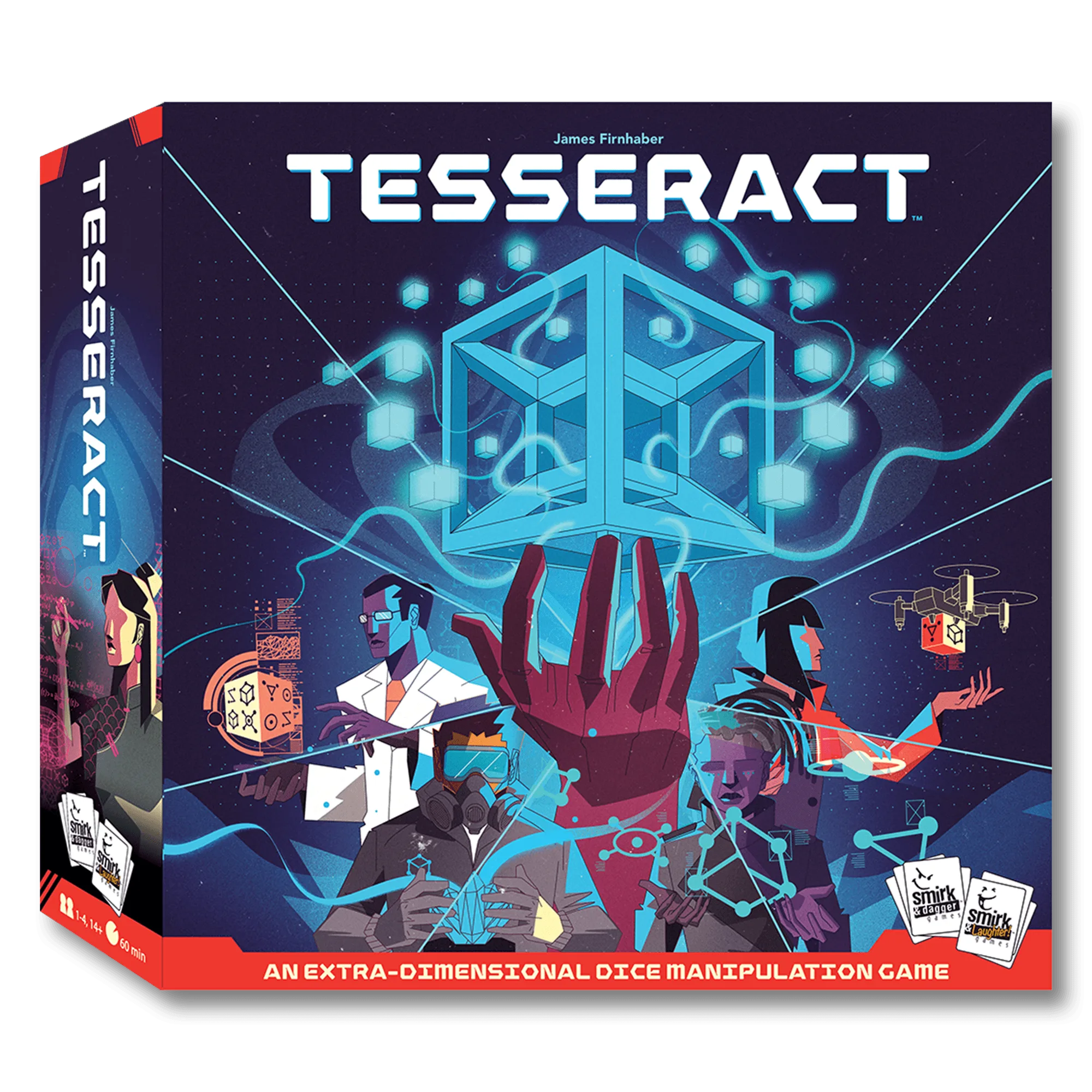
- TESSERACT: a cooperative, puzzle strategy game: The game features a cube of 64 dice sitting on a rotating platform that players examine from all angles. A rotating platform and 64 dice mean a lot of handling and table contact. A stable, flat surface and careful storage protect the platform and keep the dice readable.
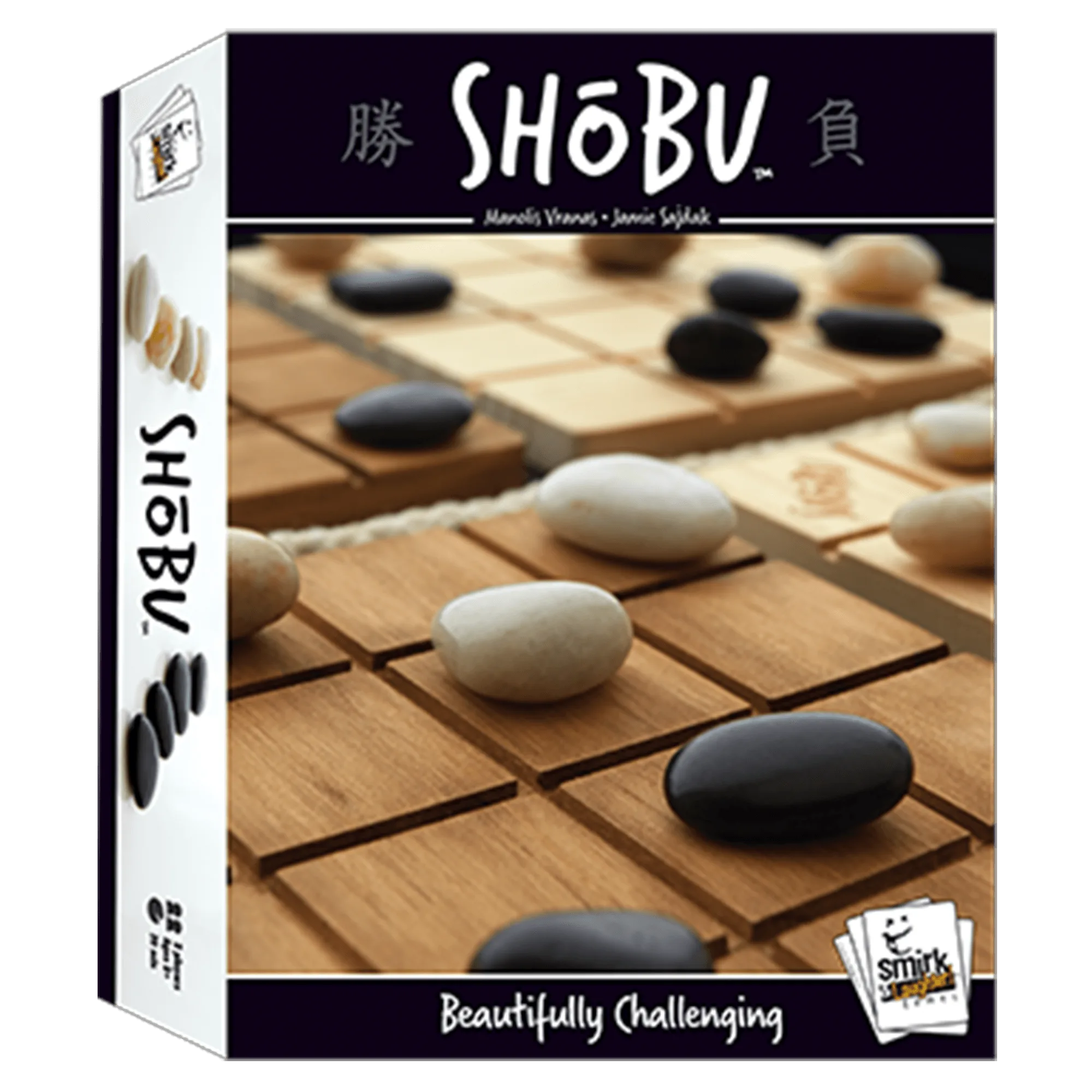
- SHOBU: SHOBU is a two-player strategy game, Standard edition, item code SND 1005, with rules available to download. A two-player abstract lives or dies on component feel. If you play it often, a mat and a clean storage space protect the pieces that make the game pleasant to handle.
Protection works best when it matches the wear you actually have. Sleeve the decks that get shuffled, store tiles so faces never rub, roll your mats, and replace the pieces that are already damaged instead of buying gear that cannot help them.