Quick answer
If you cannot find a specific card when you need it, the fix is dividers, not stands. If a card sits unseen in a box or binder and you want it visible, the fix is a display stand. Most collections need dividers first because searchability breaks down long before display space runs out.
Why this comparison gets confusing
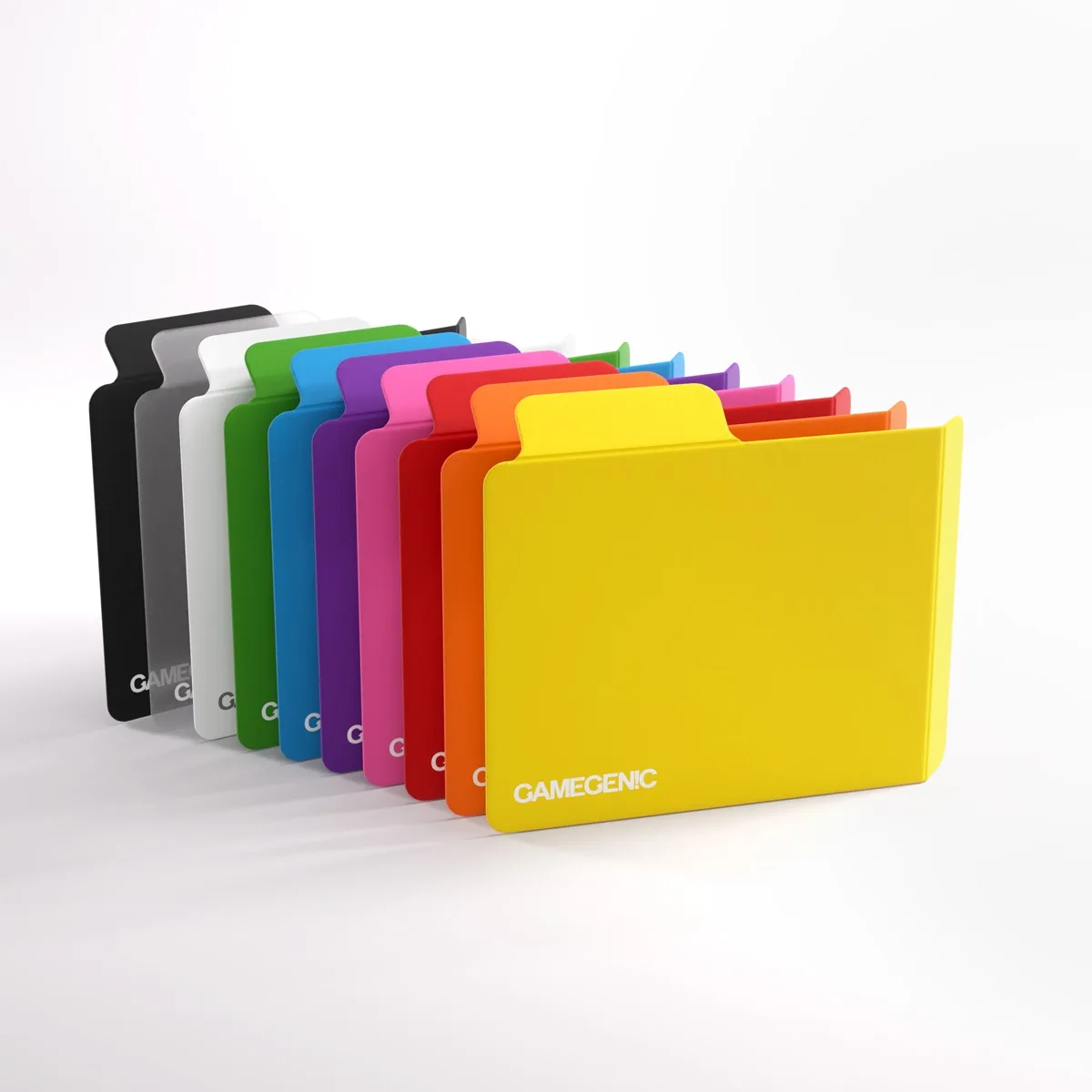
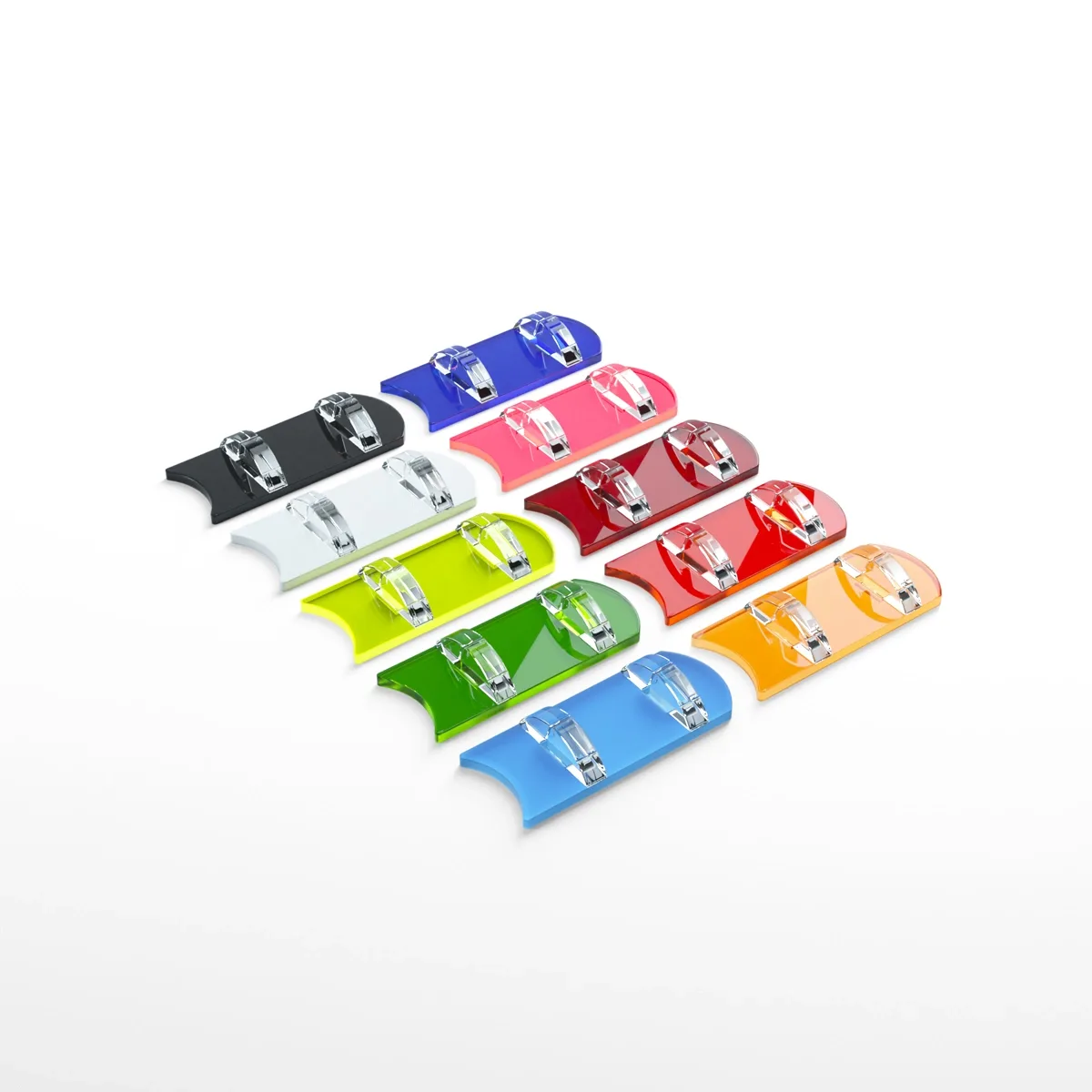
Both accessories are sold as storage helpers, so they get lumped together. In practice they solve opposite problems. A divider is an index tool: it labels where a group of cards begins so your hands can find the right pocket without flipping through every page. A stand is a presentation tool: it holds one card upright so it can be seen rather than stored flat.
That means the useful question is not which product is better, but which failure you are experiencing. Sorting cards with dividers fixes retrieval. Display card stands fix visibility. Buying the wrong one leaves the original problem untouched.
Symptom: you own the card but cannot locate it
You know a card is in the collection, yet finding it takes several minutes of page-turning or box-digging. This is an indexing failure, and it gets worse as the collection grows because every new card adds search time.
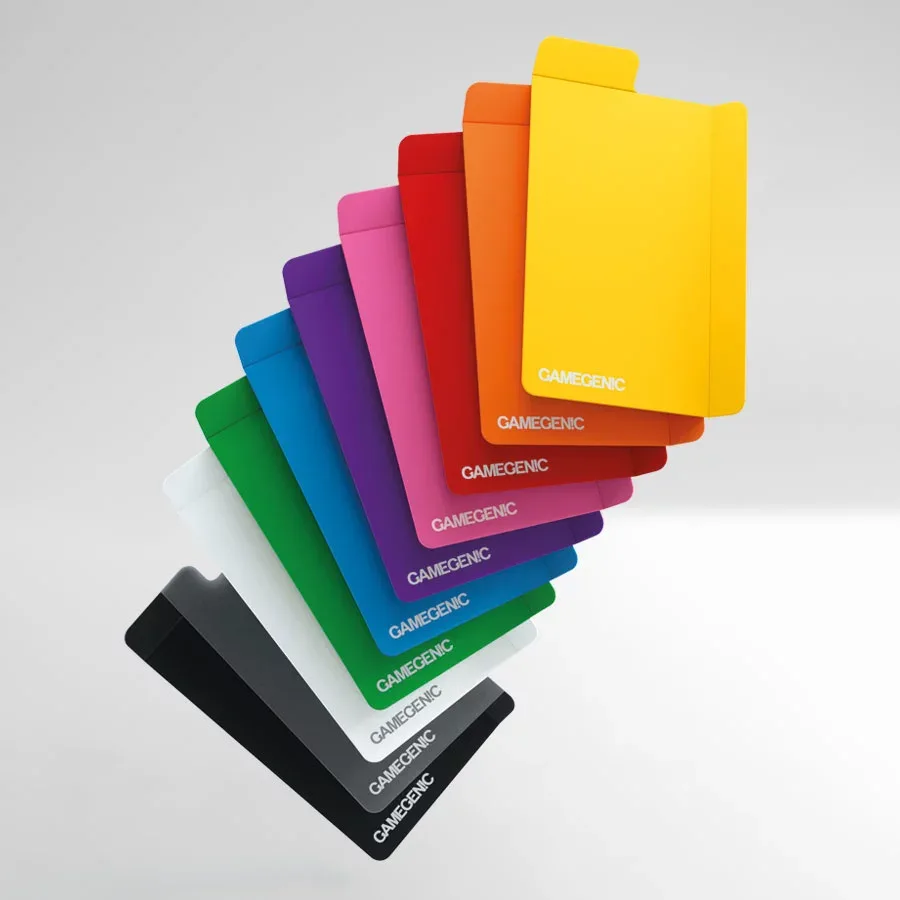
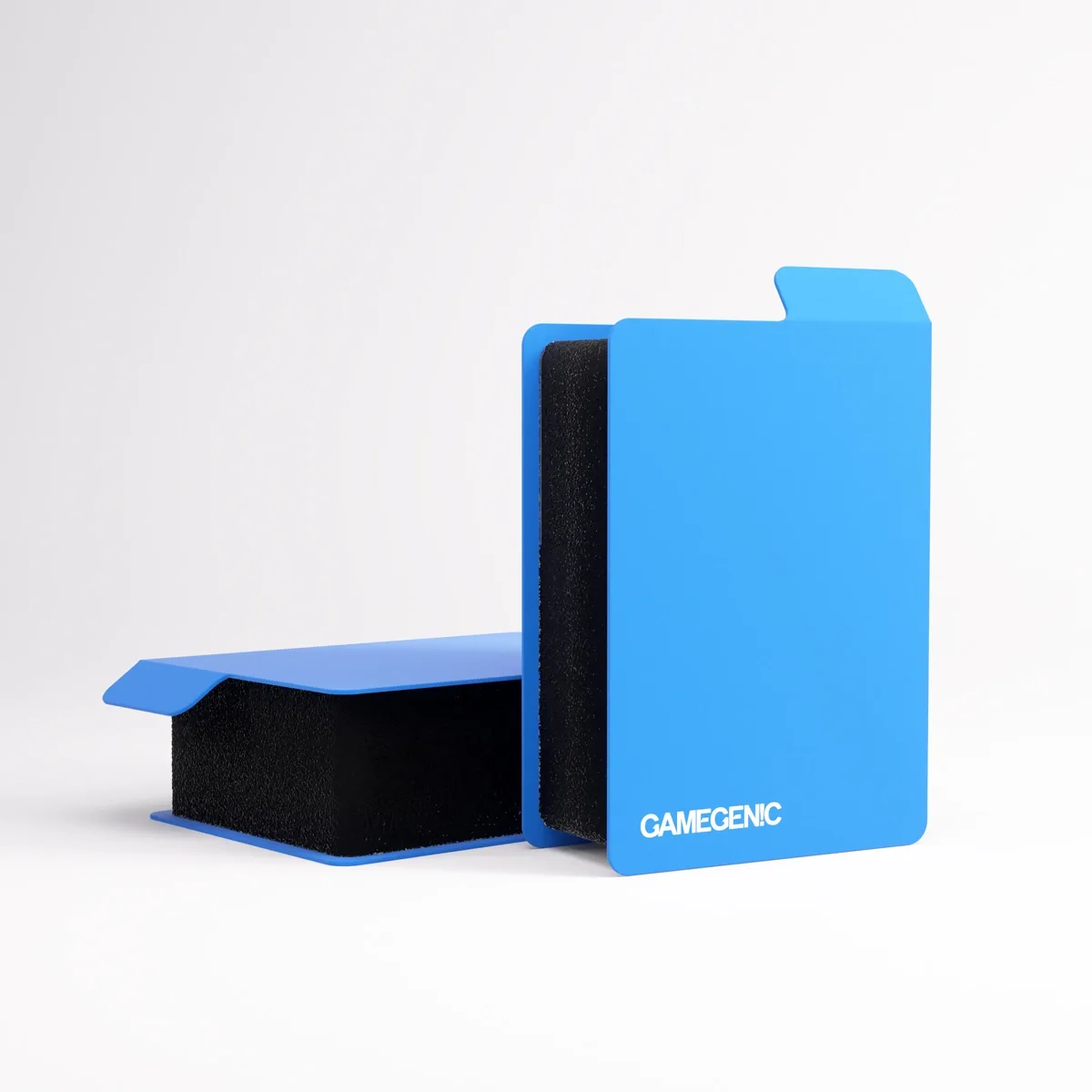
Dividers address it directly by creating labeled boundaries. A divider does not need to mark every card; it needs to mark every group you would realistically search by, such as set, color, deck, or format. Once the boundaries exist, you can skip whole sections instead of scanning them.
- Start with broad dividers, then subdivide only the sections you search often.
- Label by the way you actually ask for cards, not by how they were acquired.
- Keep one divider per deck or per trade box so a deck never dissolves back into the bulk.
Symptom: the card is findable but never seen
The collection is organized, yet a favorite card, commander, or showcase piece stays buried. That is a visibility problem, and no amount of extra dividers will solve it because dividers are designed to file cards away, not to present them.
A display stand changes the card's role from stored to shown. Use it for the one card you want visible on a desk or shelf, and keep the rest of the collection in its normal storage. If you find yourself wanting ten stands, you likely want a binder page or a display case instead.
- Choose a stand for a single focal card, not for bulk storage.
- Keep displayed cards out of direct sunlight if fading matters to you.
- Do not move an entire deck onto stands; that is what deck boxes are for.
Where each accessory stops helping
Dividers stop helping when the labeled group is still too large to search quickly. If a single divider section holds hundreds of cards, split it or move that section into a box with its own labeling. A divider is a signpost, not a container.
Stands stop helping when you need protection and transport rather than display. A card on a stand is exposed to dust, knocks, and handling. If the card travels to game night, it belongs in a deck box or sleeve, not on a stand. At that point, switch to a storage solution and keep the stand at home.
Building a system instead of buying single items
The durable fix is to decide the job of each layer. Sleeves protect individual cards, dividers index groups, boxes hold the indexed groups, and stands present the few cards you want visible. When each layer has one job, you stop rebuying accessories that duplicate work another layer already does.
That layering also tells you what to buy next. If retrieval is slow, add dividers. If a card is hidden, add a stand. If cards are unprotected, start with sleeves before either.
Diagnose your collection problem
- You cannot find cards you know you own: This is an indexing problem. Add dividers at the group level and label them by how you search. If a labeled section is still too big to scan, split it or move it into its own box.
- Cards are findable but never visible: This is a presentation problem. Use a display stand for one focal card, or a box with a visible top-card window if the card should stay protected. If you want many cards visible at once, use binder pages rather than buying stands in bulk.
- Cards are unprotected while you sort: Protection comes before indexing or display. Sleeve first, then divide, then decide what to display. If the card leaves the house, it belongs in a sleeve and a box, not on a stand.
Products that support this setup
- PRIME RETRO SLEEVES: Prime Retro Sleeves are standard-size sleeves made in the same size, thickness, and hue as the original FFG gray sleeves, so long-term collectors can keep sleeving consistent across a whole collection. Consistent sleeves keep card thickness predictable, which makes divider sections and box fit easier to plan.
- THE ACADEMIC133+ XL STEALTH EDITION: The Academic 133+ XL holds 133+ double-sleeved cards in extra thick inner sleeves plus accessories. A box with known capacity lets you assign one divider-labeled group per box instead of guessing how much fits.
- Magic: The GatheringSQUIRE PLUS100+ XL CONVERTIBLE: The Squire PLUS 100+ XL includes a detachable Slide Card Case that keeps a top card or commander visible and UV-protected without opening the box. If your real goal is seeing one key card, this solves visibility inside storage, so you may not need a separate display stand.