Quick answer
Buy the cardigan that matches your most common layer, not your most aspirational one. Decide the job first, then the fabric, then the fit. If you only buy one, choose a mid-weight knit that closes cleanly over your usual base layer and leaves room at the shoulder and upper arm. If you want a statement piece rather than a basic, an embellished or crochet cardigan can work, but treat it as the outfit's focal point and keep everything under it simple.
Most cardigans fail for one of three reasons: the fabric fights the season, the fit fights the layer underneath, or the style fights the rest of your wardrobe. This guide walks through those three decisions in order, with concrete trade-offs and rules you can apply before you add anything to your cart.
You will get the most value from a cardigan when you name the job first. Is it a light cover-up for warm evenings, a warm mid-layer for cool offices, or a finishing piece that carries the outfit? Each answer points to a different fabric, fit and level of detail.
Start with the job, not the style
Cardigans sit in three practical roles. The first is a light layer worn indoors or on warm evenings, where breathability matters more than warmth. The second is a mid-layer under a coat, where the cardigan needs to be thin enough to disappear under outerwear without adding bulk at the shoulder. The third is a statement layer worn as the main event, where texture, embellishment or an unusual silhouette does the work.
Write down which role you actually need most often. If you commute between air conditioning and warm streets, a light layer wins. If you wear blazers or coats for most of the year, a thin mid-layer earns its keep. If your wardrobe is mostly simple dresses and plain tops, a statement cardigan gives you more outfits per wear.
- Count how many days per week you would wear each role before you buy.
- If two roles tie, buy the lighter one; it layers under more of your existing wardrobe.
Fabric: what each choice actually costs you
The best cardigan fabric is the one that matches your climate and care habits, not the one with the longest description. Natural fibers tend to breathe better and feel softer against skin, but they usually need more careful washing. Synthetic blends hold shape and resist wrinkling, but they can feel warmer and less breathable. Crochet constructions are typically more open and textured, which makes them excellent for warm weather but less useful as a warm layer.
Weight matters as much as fiber. A fine gauge knit slides under a coat; a chunky gauge adds visible bulk and is better as an outer layer. If you run warm, prioritize breathability and an open construction. If you run cold, prioritize a denser knit and a closer fit that traps air. There is no single best fabric, only the best match for how you will wear it.
- Hold the fabric up to light: more light through the knit means more breathability and less warmth.
- Check the care label before buying; a fabric you will not maintain properly is a fabric you will not wear.
Fit rules that prevent the usual mistakes
Fit is where most cardigan purchases go wrong. The cardigan should close without pulling across the bust and should not gap between buttons. If it gaps when closed, size up rather than hoping it stretches. Sleeves should reach the wrist bone without bunching, and the shoulder seam should sit at or just past your natural shoulder line, not halfway down your arm.
Length changes the whole proportion. A cropped cardigan works best with high-waisted bottoms and dresses because it defines the waist. A hip-length cardigan is the most versatile and layers easily over trousers and skirts. A longer cardigan elongates but can overwhelm a petite frame if it is also bulky. Decide where you want the hem to land relative to your waist and hips before you choose.
- Test the close: button it fully and raise your arms; if it pulls hard, it is too small.
- Test the layer: wear the thickest top you would realistically wear under it when you try it on.
Layering logic: what goes under and over
A cardigan only layers well when the pieces beneath it are thin and smooth. Ribbed knits, lace trims and heavy seams create bulk that shows through. If you plan to wear the cardigan under a coat, choose a fine knit and avoid embellishment at the shoulder and upper arm, because that is where outerwear fits most tightly.
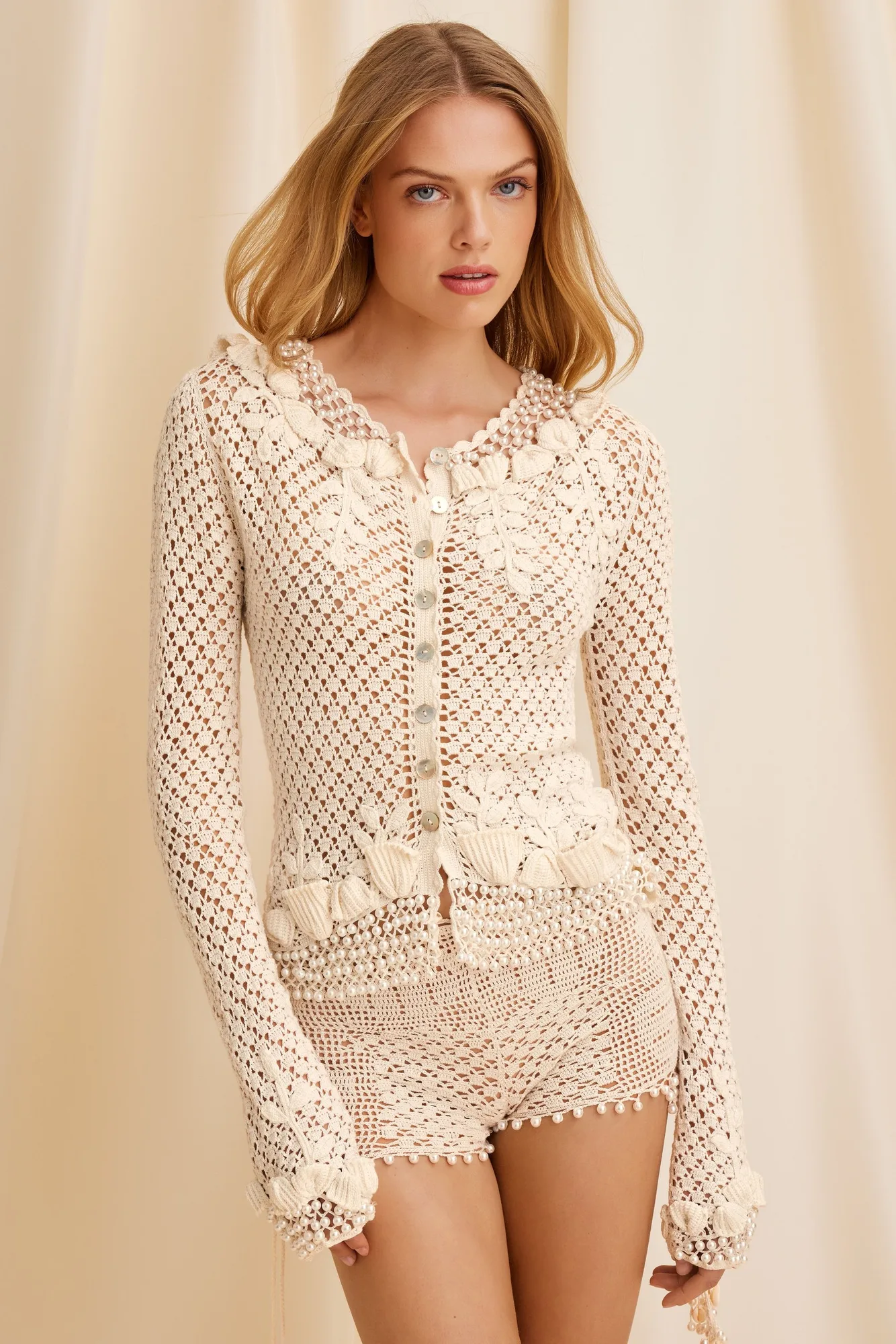
For statement cardigans, reverse the logic: keep the base layer plain so the texture and detail stay the focus. A crochet or pearl-embellished cardigan already carries visual weight, so simple underlayers and uncluttered bottoms let it read as intentional rather than busy.
- Layering order for warmth: thin base layer, cardigan, then outerwear.
- If the cardigan has embellishment, keep jewelry minimal to avoid competing details.
Cardigan size guide: how to choose between two sizes
When you are between sizes, decide based on the layer you will wear underneath. Choose the smaller size if you will wear the cardigan over camisoles, bralettes or thin tops and you want a closer line. Choose the larger size if you will wear it over shirts, dresses or anything with volume, or if you want an intentionally relaxed drape.
Pay attention to the option types available on the product page. Many cardigans are offered in multiple colors, sizes and styles, and the style option can change the cut even when the size stays the same. Read the product description for the intended fit rather than assuming the size chart tells the whole story.
- Between sizes and wearing it closed? Size up.
- Between sizes and wearing it open over thin layers? Size down for a cleaner line.
Decision rules for buying a cardigan
- If you need warmth under a coat: Choose a fine-gauge knit with a close fit and no embellishment at the shoulder or upper arm. It should disappear under outerwear without adding bulk. Checkpoint: put your coat on over it before deciding.
- If you need a warm-weather layer: Choose an open or crochet construction with breathability. Prioritize texture and light weight over density. Checkpoint: hold it to the light; if little passes through, it will run warm.
- If you want the cardigan to be the outfit: Choose embellishment, pearls or a distinctive silhouette, and keep everything underneath plain. Let one detail lead. Checkpoint: if two pieces compete for attention, remove one.
- If you are between sizes: Size up if you will wear it closed or over anything with volume. Size down if you will wear it open over thin layers and want a closer line. Checkpoint: button it fully and raise your arms; no hard pulling means the size is right.
- If you are petite or long-waisted: Match hem length to your natural waist or hip rather than following a trend length. Proportion matters more than the label on the size. Checkpoint: decide where you want the hem to land before you shop.
Catalog examples and what they show
- MAIA CARDIGAN: A refined interpretation of artisanal crochet inspired by the textures and treasures of the coastline, with pearls woven throughout the crochet construction, hand-stitched shell embellishments and mother-of-pearl buttons. This is a statement layer rather than a basic. The embellishment adds visual weight and texture, so keep the base layer plain and check that the shoulder area still fits comfortably under any coat you plan to wear over it.
- KATE CROCHET BRALETTE: Inspired by coastal textures and cut in a cropped style, with pearls tracing the lower edge and hand-stitched shell embellishments, designed as a summer statement piece. A cropped, open construction like this works as the layer under a cardigan in warm weather. It keeps bulk low at the waist, which helps a cardigan close cleanly and sit smoothly.
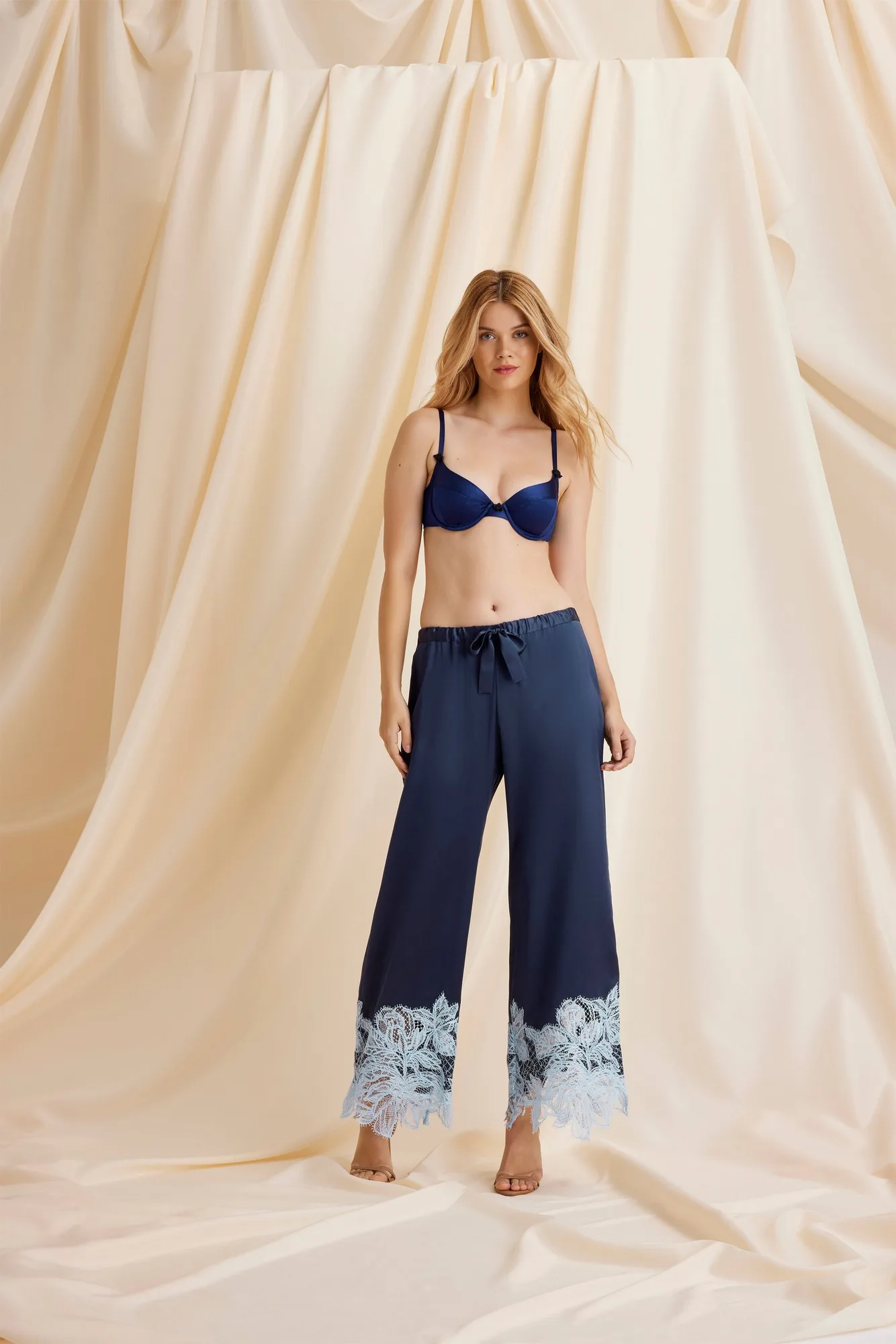
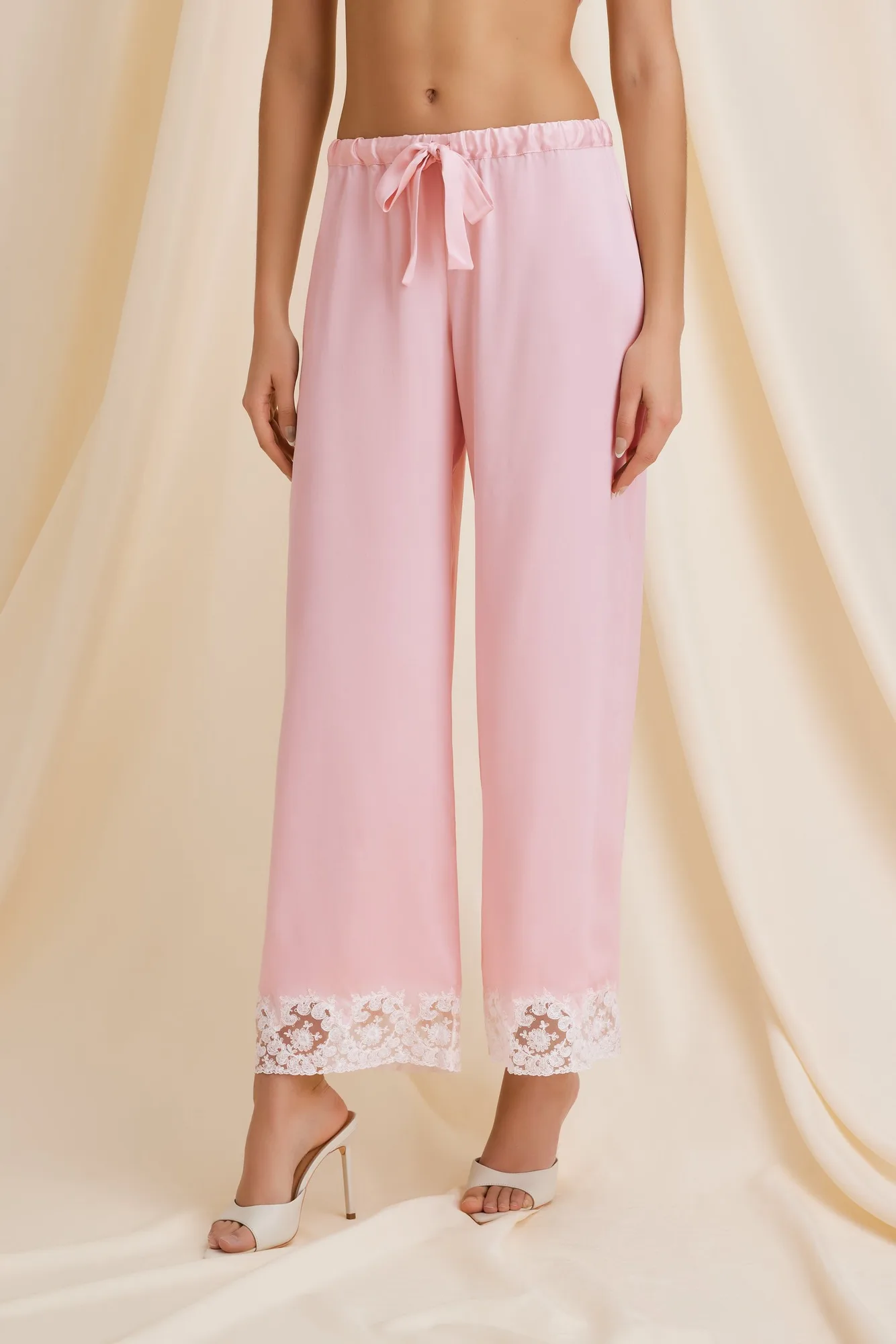
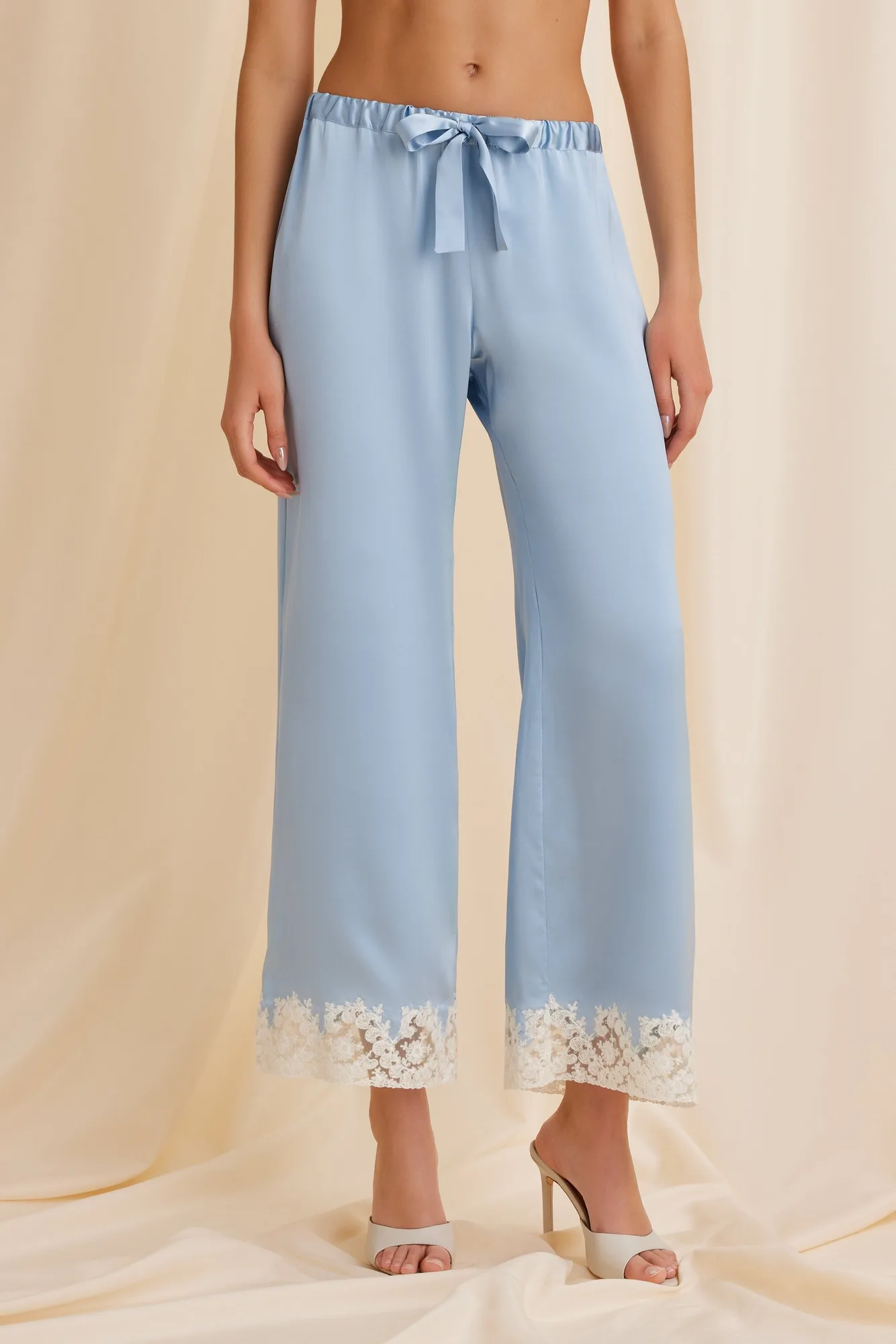
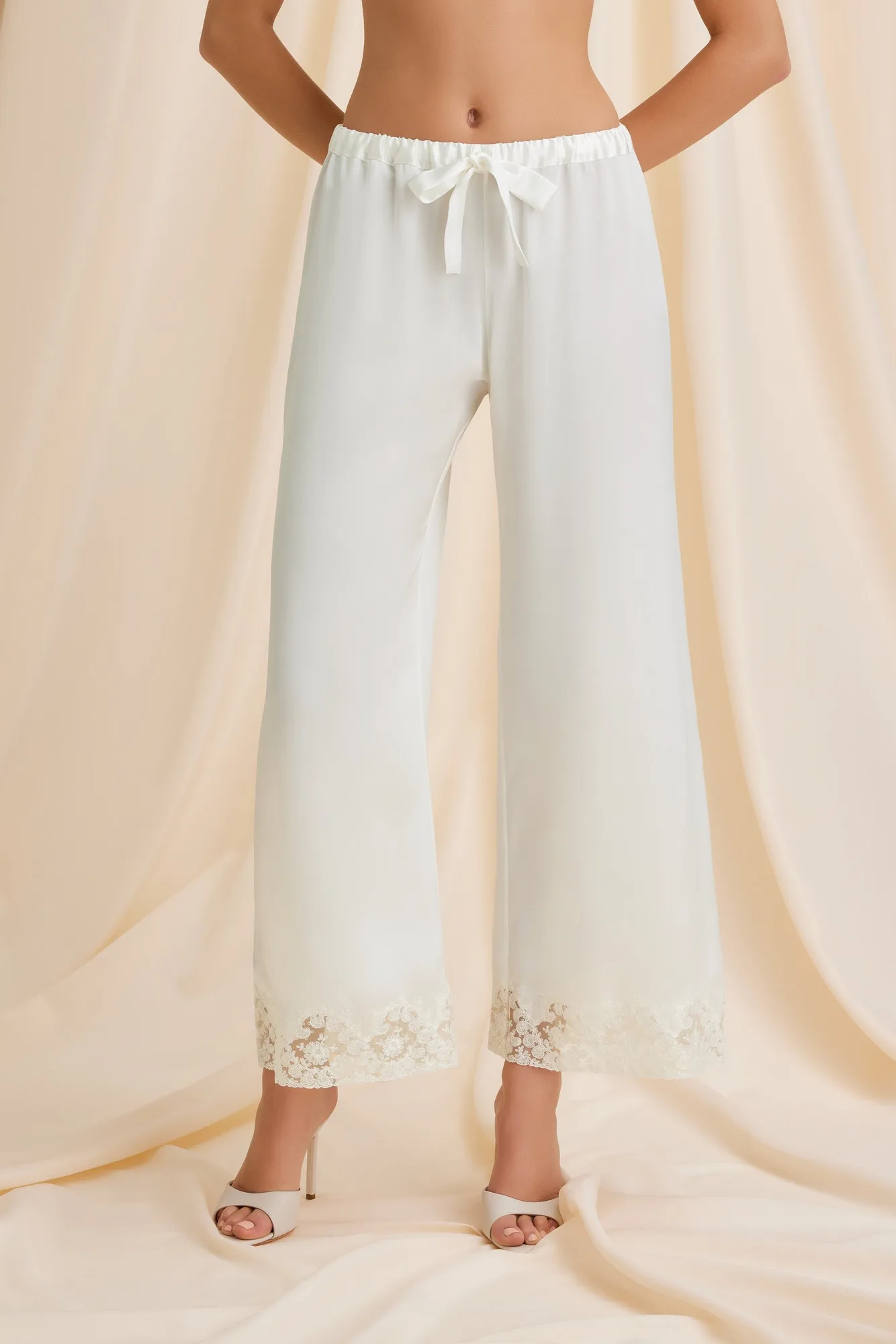
- https://scarlettgasquegz.com/products/jayne-pant-886e533fd136bbb6ccfdb468-1354887https://scarlettgasquegz.com/products/the-jayne-pant-8cf6a61b557e0d9e4fc5ce0a-1354889JAYNE PANT: Crafted from 100% silk with a relaxed, wide-leg silhouette and hand-sewn French lace appliqué. A fluid, wide-leg bottom changes your cardigan length decision. A cropped or hip-length cardigan keeps the proportion balanced; a long, bulky cardigan over a wide leg can look heavy.
- JAYNE SLIP: Crafted from 100% silk with a figure-skimming slip silhouette and hand-sewn French lace appliqué. Smooth silk layers under a cardigan without adding bulk, making it a strong base for a fitted or mid-weight knit. It also shows why fabric choice matters: a textured cardigan over a fluid slip creates deliberate contrast.
Who this approach works for
Best for
- Shoppers who want one cardigan that works across several outfits rather than a single-occasion piece
- Anyone layering over thin bases such as bralettes, camisoles or silk slips
- People who prefer to decide by fabric weight and fit rather than by trend
Not for
- Shoppers looking for a heavy winter coat substitute; a cardigan is a layer, not outerwear
- Anyone who wants a no-maintenance piece and will not follow fabric care instructions
- Buyers who want a cardigan to fit the same way over both thin and bulky layers
Choose the job first, then the fabric, then the fit, and most cardigan mistakes disappear before checkout. If you are still unsure, buy the version that layers under the most pieces you already own, and save the statement cardigan for when you genuinely want it to lead the outfit.