Quick Answer
To start cardistry, focus on mastering three foundational moves: the Charlier Cut, the Swivel Cut, and the Spring. These build dexterity and muscle memory. Practice with a quality deck that handles well, like the Flexible Mocha Mousse Playing Cards by TCC, and dedicate short daily sessions to see steady progress.
Cardistry is the art of manipulating playing cards to create visually stunning displays of motion and skill. Unlike magic, cardistry focuses on the aesthetic of the moves themselves, not on deception or tricks. For beginners, the journey starts with a few essential moves that form the foundation for more complex flourishes.
This guide walks you through the first steps of learning cardistry. You'll discover the basic moves every beginner should practice, common mistakes to avoid, and how to choose the right deck for your practice sessions. By the end, you'll have a clear roadmap to start your card flourishing journey with confidence.
Why Cardistry Is Worth Learning
Cardistry is more than just showing off; it improves hand-eye coordination, dexterity, and focus. It's a creative outlet that you can practice almost anywhere with just a deck of cards. Unlike many hobbies, the barrier to entry is low—you don't need expensive equipment, just a decent deck and willingness to repeat moves until they feel natural.
For beginners, the appeal often lies in the visual payoff: a well-executed cut or spring looks impressive and feels satisfying. As you progress, you'll find a community of cardists who share tutorials and encouragement. Starting with the basics ensures you build good habits that will serve you as you tackle more advanced moves.
- Start with simple cuts to build finger strength and coordination.
- Practice in front of a mirror to see your moves from different angles.
Choosing Your First Practice Deck
The deck you practice with matters more than you might think. A worn, sticky deck can frustrate beginners and slow progress. Look for cards that are crisp, flexible, and have a smooth finish. Standard bicycle decks are a common starting point, but many cardists prefer specialized decks designed for handling.
When you're ready to upgrade, consider the Flexible Mocha Mousse Playing Cards by TCC. Inspired by Pantone's 2025 trending color, this deck is not only visually soothing but also designed for flexibility, making it easier to perform cuts and springs. Its soft, calming aesthetic adds a touch of style to your practice sessions.
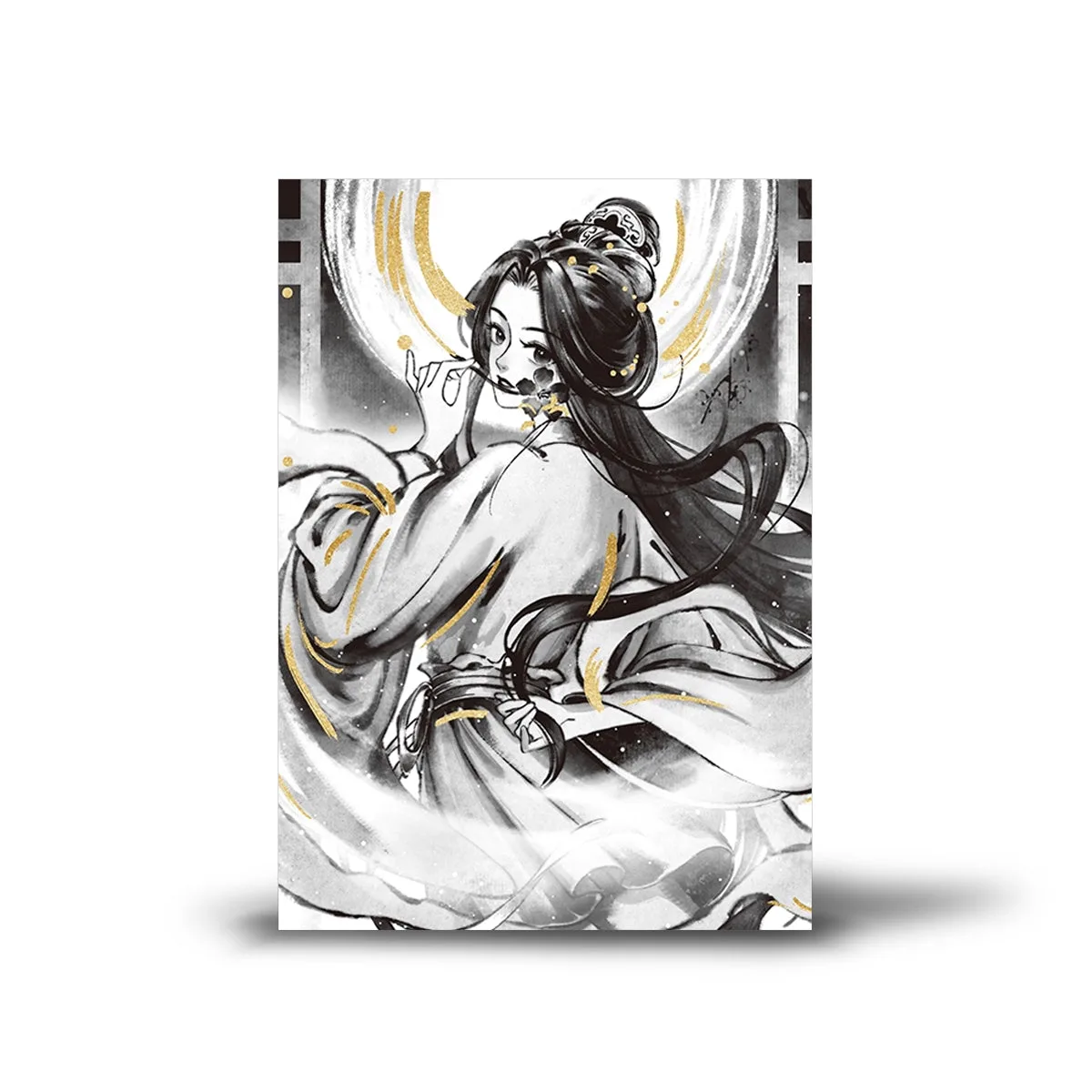
Another option is the Flower Moon V1 Playing Cards, which celebrates the elegance of ancient Chinese attire. While its primary appeal is artistic, the deck's quality construction ensures smooth handling, making it a beautiful and functional choice for beginners who appreciate cultural themes.

Flower Moon V1 Playing Cards
- Avoid decks with thick, stiff cards for cardistry; they hinder movement.
- Rotate decks regularly to keep them fresh and snappy.
Setting Up Your Practice Routine
Consistency beats marathon sessions. Even 10 minutes a day will yield better results than an hour once a week. Your hands need time to build muscle memory, and short, focused practice helps prevent fatigue and frustration. Create a routine that includes warm-ups, new move practice, and review of previously learned moves.
Start each session by warming up your fingers with simple spreads and cuts. Then, focus on one new move, breaking it down into phases. Repeat slowly, paying attention to hand positions and pressure. Finally, end with a few minutes of free practice, combining moves you already know to build flow and confidence.
Tracking your progress can be motivating. Keep a small notebook or video log of your practice to see improvement over time. Celebrate small wins, like completing a clean Charlier Cut without fumbling, as these milestones signal real progress.
- Use a metronome or music to practice in rhythm, enhancing fluidity.
- Film yourself weekly to spot errors you might miss in the moment.
Step-by-Step: Your First Cardistry Moves
- The Charlier Cut: Hold the deck in your dominant hand with your thumb on top and fingers on the sides. Use your pinky to push the bottom half up and out, then let it fall into your palm. The top half should rotate around your thumb to meet it. Common mistake: gripping too tightly. Keep a relaxed hold to allow smooth rotation. Checkpoint: the cut should be silent and fluid.
- The Swivel Cut: Start with the deck in your dominant hand. Use your thumb to pivot the top half outward like a door, then bring it back to rest on the bottom half. This move is all about wrist action and thumb control. Common mistake: moving your whole arm instead of just the wrist. Isolate the motion to your hand. Checkpoint: the top packet should swivel 180 degrees without losing alignment.
- The Spring: Grip the deck with your fingers on the ends and thumb on the back. Apply even pressure to bend the cards, then release them gradually so they cascade from one hand to the other. Common mistake: releasing too fast, causing cards to scatter. Start slow and increase speed as you gain control. Checkpoint: the cards should form a smooth, continuous waterfall.
Decks That Support Your Practice
- Flexible Mocha Mousse Playing Cards by TCC: Inspired by Pantone’s 2025 trending color — Mocha Mousse — a soft hue born from the perfect fusion of milk and coffee. Mocha Mousse is just like a visual 'Comfort Food,' a gentle color that seeks to evoke a sense of calm and resonance. The name highlights flexibility, which is crucial for cardistry moves that require bending and springing. Its calming color also makes long practice sessions more enjoyable.
- Flower Moon V1 Playing Cards: Flower Moon V1 Playing Cards from TCC Playing Cards celebrate the timeless elegance of women's attire from ancient times, drawing inspiration from the refined fashions of various Chinese dynasties. While designed for visual appeal, a well-constructed deck like this provides the smooth handling needed for practicing cuts and flourishes, letting you combine aesthetics with function.
Mastering cardistry takes time and patience, but the journey is incredibly rewarding. By focusing on these essential moves, choosing a deck that supports your practice, and committing to a regular routine, you'll be well on your way to impressing friends and fellow cardists alike. Remember, every expert was once a beginner—so pick up your deck and start flourishing today.