Quick Answer
To keep your Sew Kind of Wonderful paper patterns in great shape, store them flat in a protective sleeve or folder, away from humidity and direct sunlight. Handle them with clean, dry hands, and press them with a dry iron if they get creased.
Sew Kind of Wonderful paper patterns are your blueprint for creating beautiful curved quilts like the Mini Citrus or Rings Revival. Unlike digital files, paper patterns need a little extra attention to stay usable over time. Folds, creases, or spills can distort the templates and make cutting inaccurate.
In this guide, you'll learn simple habits to care for your paper patterns, from storage to handling. Whether you're a beginner or a seasoned quilter, these steps will help ensure your patterns remain crisp and ready for your next project.
Why Paper Pattern Care Matters
Paper patterns are the backbone of many quilting projects. They contain exact measurements, cutting diagrams, and often include templates that you'll trace onto fabric. If the paper gets damaged—torn, creased, or stained—those inaccuracies can transfer to your fabric, leading to miscut pieces and wasted time.
Sew Kind of Wonderful patterns, like the Chic Sisters Revival Quilt Pattern, feature curved piecing that relies on precise template shapes. A wrinkled or distorted pattern can compromise the curve alignment, making your blocks less tidy. Proper care keeps your investment intact and your quilting stress-free.
- Always store patterns flat to prevent permanent creases.
- Keep patterns away from heat sources and moisture.
- Use a dedicated folder or sleeve to protect them from spills and tears.
Storing Your Paper Patterns
The most important step in caring for paper patterns is how you store them. The best method is to keep them flat in a large envelope or a clear plastic sleeve. If you have limited space, you can fold them, but be aware that folds can become weak points over time. To minimize creasing, fold along the original lines and place them in a folder that won't crush them.
Store patterns in a cool, dry place, away from direct sunlight. Sunlight can cause the paper to yellow and become brittle. Humidity is another enemy—it can make paper wavy and prone to tearing. A closet or a drawer in a climate-controlled room is ideal.
- Consider using a pattern holder with a rigid backing to prevent bending.
- Label your storage containers by pattern name or collection for easy retrieval.
Handling and Using Your Patterns
When you're ready to use your pattern, handle it with clean, dry hands. Oils from your skin can transfer to the paper, attracting dirt and causing deterioration over time. If you're tracing templates, use a fine-tip pen or pencil and a light touch to avoid tearing the paper.
If your pattern has become creased from folding, you can press it with a dry iron on a low setting. Place the pattern between two pieces of plain paper to protect it, and press gently. Avoid using steam, as moisture can warp the paper.
- Make a copy of the pattern pages you plan to use, so the original stays pristine.
- If you're cutting out templates, use a rotary cutter on a cutting mat for clean edges.
Repairing Minor Damage
Even with careful handling, accidents happen. If a pattern gets a small tear, you can repair it with clear tape on both sides. For larger tears, consider making a copy and taping the pieces together. This keeps the original intact for future use.
Spills are trickier. If a pattern gets wet, blot the excess moisture with a paper towel, then let it air dry flat. Once dry, you can press it with a dry iron as described earlier. If the ink smudges, you may need to refer to the digital version if you have one, or contact the manufacturer for a replacement.
- Keep a roll of clear tape in your quilting supplies for quick fixes.
- If a pattern is beyond repair, consider purchasing a new copy to ensure accuracy.
Step-by-Step Pattern Care Routine
- Inspect your pattern: Before storing or using, check for existing creases, tears, or stains. This helps you decide if you need to make a copy or repair damage first. Catching damage early prevents it from worsening.
- Flatten and store: Lay the pattern flat in a large clear sleeve or between cardboards. If you must fold, fold along original lines and place in a sturdy folder. Flat storage is the single best way to preserve paper patterns.
- Keep in a stable environment: Store in a cool, dry place away from direct sunlight and humidity. Avoid attics or basements that may have temperature fluctuations. Consistent climate keeps paper from warping or yellowing.
- Handle with care: Always use clean, dry hands. When tracing, use a light touch and consider making a copy for heavy use. Minimizing direct contact extends the life of your pattern.
- Press out creases: If creases appear, press with a dry iron on low, placing a plain paper over the pattern. Never use steam. This restores flatness without damaging the paper.
Patterns That Benefit from Good Care
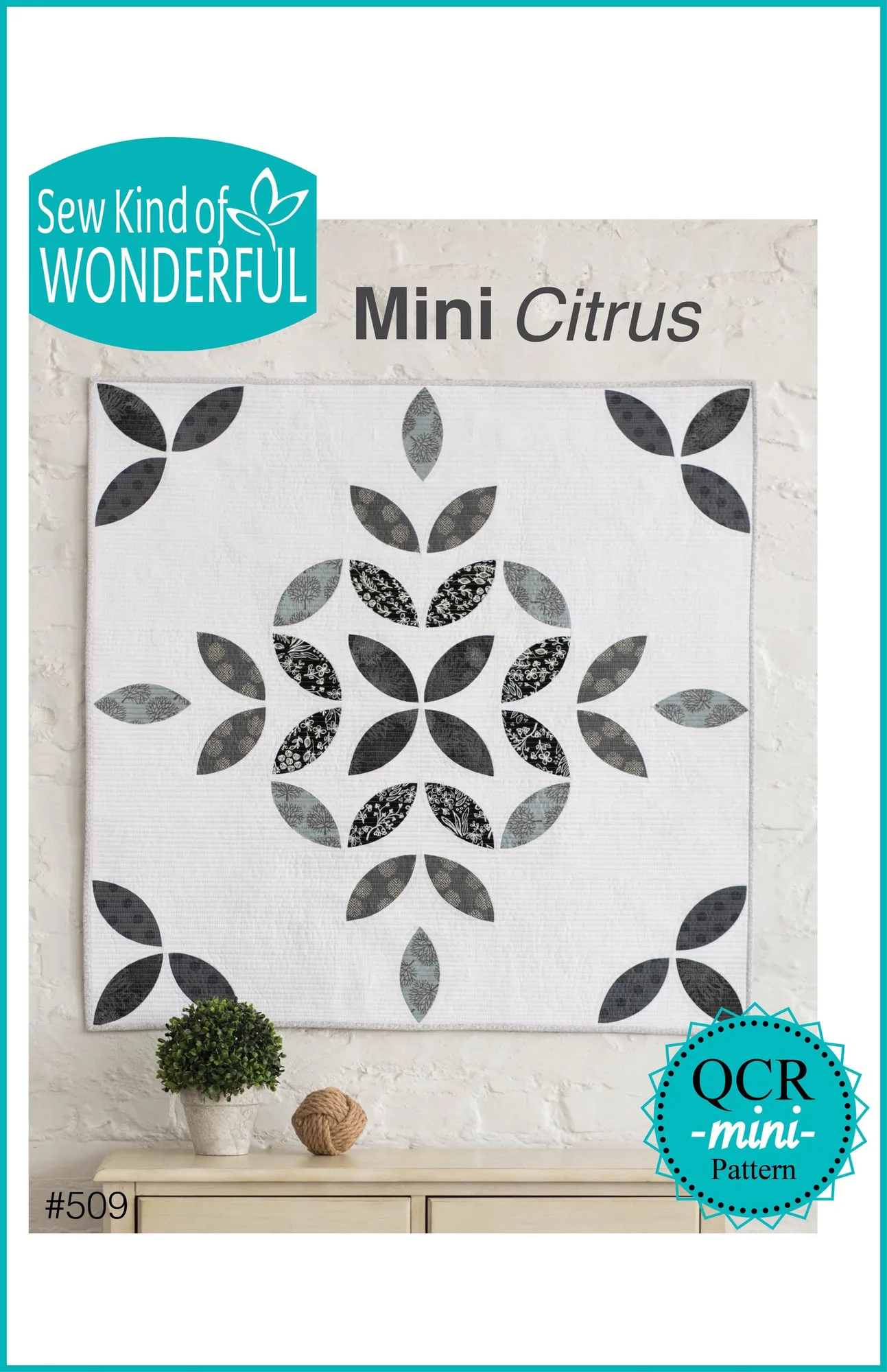
- Mini Citrus (Paper): 39" x 39" (40) 5" x 5" assorted focus prints or (3/4 yard focus fabric) 2-1/4 yards background fabric 1 yard backing 1/3 yard binding QCR Mini Ruler This pattern includes precise cutting dimensions; a well-preserved pattern ensures your fabric pieces match the intended layout, saving you from miscuts.
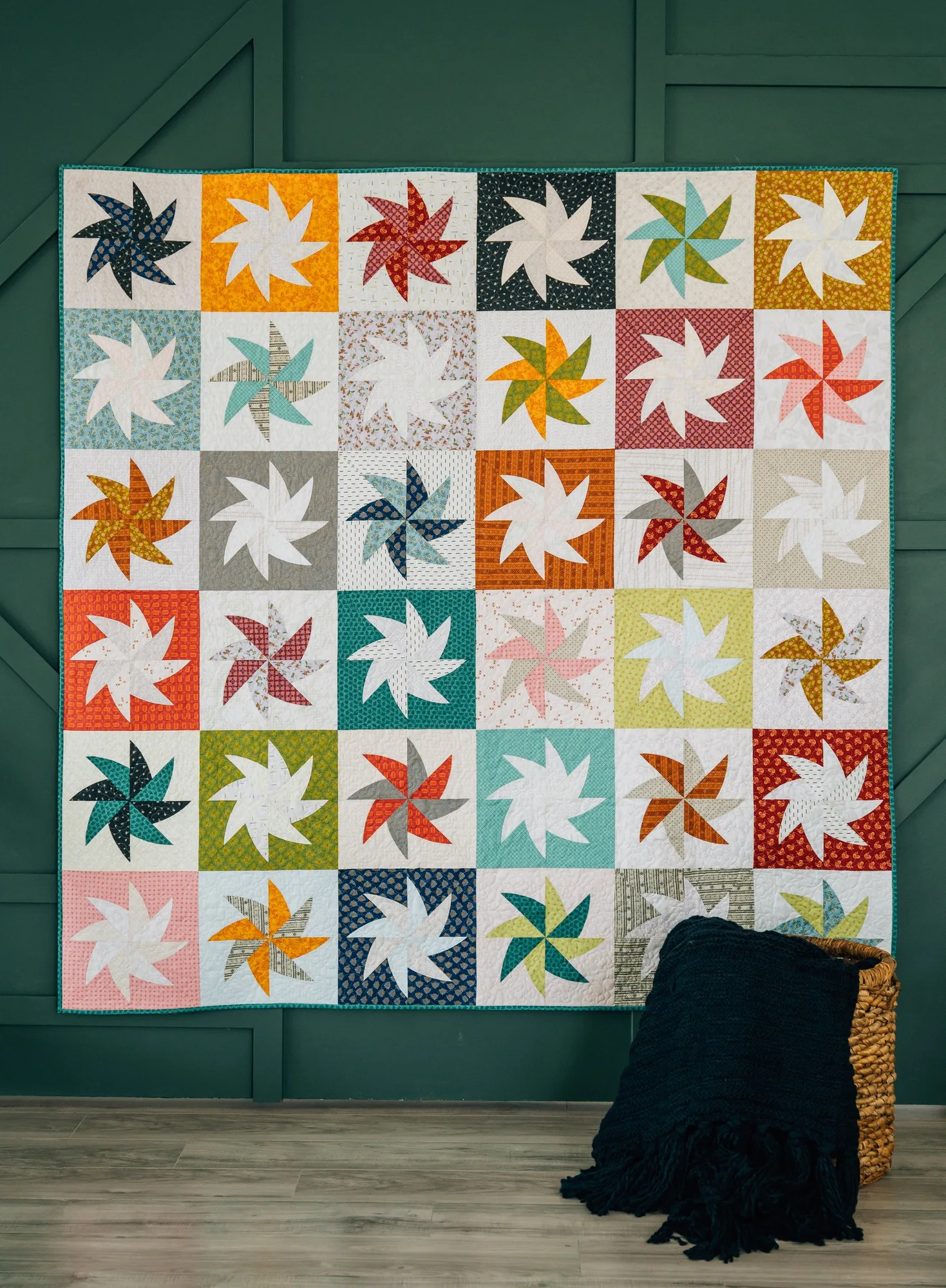
- Chic Sisters Revival Quilt Pattern (Paper): Chic Sisters Revival blocks are super easy to make! The curves from the dark fabrics get sewn to the light fabrics and vice versa! Pieced curves are quick and easy! No pinning. No centering. No snipping. Just cut, sew, and square up! Chic Sisters Revival 72" x 72" Since this pattern relies on accurate curved templates, storing it flat prevents distortions that could affect your seam allowances and block alignment.
Caring for your Sew Kind of Wonderful paper patterns is simple and worthwhile. With flat storage, gentle handling, and a few preventive habits, your patterns will stay accurate and ready for many quilting sessions to come. Treat them well, and they'll help you create beautiful quilts for years.