Ceramic armor plates are a critical investment for anyone who relies on tactical gear for personal protection. Whether you're a law enforcement officer, military personnel, or a civilian preparing for emergencies, your plates are your last line of defense. Proper care and maintenance not only extend the lifespan of your plates but also ensure they perform optimally when you need them most.
In this guide, we'll walk you through the essential steps to care for your ceramic armor plates, from cleaning and storage to inspection and handling. By following these tips, you can maintain the integrity of your plates and keep them in top condition for years to come.
Why Ceramic Armor Plate Care Matters
Ceramic armor plates are designed to withstand high-velocity impacts, but they are also delicate in their own way. The ceramic strike face can crack or chip if mishandled, compromising the plate's ability to stop projectiles. Additionally, the backing material and adhesive can degrade over time if exposed to extreme conditions or improper storage.
Regular maintenance not only protects your investment but also ensures your safety. A damaged plate may fail under stress, putting you at risk. By understanding the materials and how they react to different environments, you can make informed decisions about how to care for your armor.
- Always inspect your plates before and after use.
- Handle plates with care to avoid dropping or striking them.
- Follow manufacturer guidelines for cleaning and storage.
Cleaning Your Ceramic Armor Plates
Keeping your plates clean is essential for both hygiene and performance. Sweat, dirt, and debris can accumulate on the surface and in the crevices, potentially causing corrosion or affecting the plate's fit in your carrier. However, you must be careful not to use harsh chemicals or abrasive materials that could damage the ceramic surface.
To clean your plates, use a soft, damp cloth with mild soap and water. Gently wipe down the entire surface, then dry with a clean, soft towel. Avoid submerging the plates in water or using high-pressure washers, as this can force moisture into the layers. For stubborn stains, a non-abrasive cleaner can be used, but always test on a small area first.
- Use a soft cloth and mild soap—never harsh chemicals.
- Dry thoroughly after cleaning to prevent moisture buildup.
- Avoid submerging plates in water or using pressure washers.
Proper Storage and Handling
How you store your ceramic armor plates is just as important as how you clean them. Plates should be stored flat or in a position that doesn't put stress on the ceramic. Avoid stacking heavy items on top of them, as this can cause cracks. If you store your plates in a plate carrier, ensure the carrier is clean and dry, and periodically remove the plates to inspect them.
Temperature and humidity play a significant role in the longevity of your armor. Extreme heat can degrade the adhesive, while high humidity can promote mold or corrosion. Store your plates in a cool, dry place, away from direct sunlight. If you live in a humid environment, consider using a dehumidifier or silica gel packs in your storage area.
- Store plates flat, not on edge, to prevent warping.
- Keep plates away from extreme temperatures and direct sunlight.
- Use desiccants in humid climates to control moisture.
Regular Inspection and Maintenance Schedule
Even with the best care, ceramic armor plates can develop issues over time. That's why regular inspections are crucial. Before each use, visually inspect your plates for cracks, chips, or delamination. Run your fingers over the surface to feel for any irregularities. If you notice any damage, discontinue use immediately and consult the manufacturer or a qualified professional.
In addition to visual checks, you should also inspect the carrier and any accessories you use with your plates. For example, if you use a plate carrier like the K-Zero SF Plate Carrier with Plates, ensure the carrier's stitching and straps are intact and that the plates fit snugly. Similarly, if you have side armor plates like the Level 3ST Ceramic Side Armor Plates - Blindside, check the edges for wear and tear.
- Inspect plates before and after every use.
- Check for cracks, chips, or delamination.
- Look for signs of wear on the carrier and accessories.
Common Mistakes to Avoid
Many users unknowingly compromise their armor plates through common mistakes. One of the biggest is using the plates as a work surface or resting heavy equipment on them. Another is exposing them to solvents or lubricants, which can weaken the ceramic or the adhesive. Additionally, storing plates in a hot car or in direct sunlight can cause warping or degradation.
Another frequent error is ignoring the manufacturer's guidelines. Each plate has specific care instructions, and failing to follow them can void warranties and reduce effectiveness. Always read and retain the user manual that comes with your plates.
- Never use plates as a work surface.
- Keep plates away from solvents, oils, and harsh chemicals.
- Follow manufacturer guidelines for care and use.
Extending the Life of Your Plates
While ceramic armor plates have a finite lifespan, proper care can significantly extend it. One way to protect your plates is to use a high-quality plate carrier that offers good support and cushioning. For instance, the K19 3.0 Front Plate Bag is designed to securely hold plates while providing comfort and protection from impacts. Additionally, consider using a hydration bladder like the Agilite SAPI Hydration Bladder to stay hydrated without needing to remove your plates frequently.
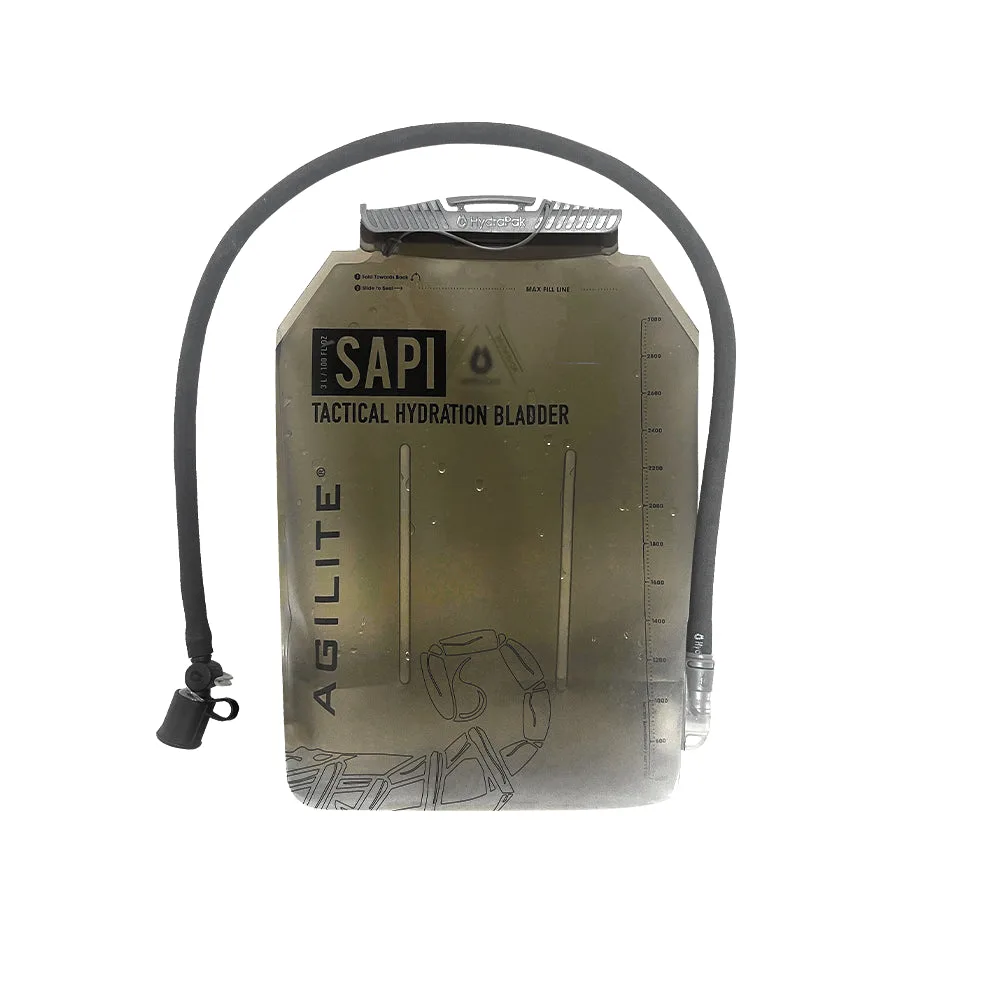
Agilite SAPI Hydration Bladder
Another tip is to rotate your plates if you have multiple sets. This distributes wear and tear, ensuring no single set is overused. Also, avoid exposing your plates to unnecessary impacts, such as dropping them or using them as improvised tools.
- Use quality carriers and accessories to protect your plates.
- Rotate between multiple sets if available.
- Avoid unnecessary impacts and rough handling.
Caring for your ceramic armor plates is a responsibility that should not be taken lightly. By following the tips outlined in this guide, you can ensure your plates remain in optimal condition, ready to protect you when it matters most. Remember, your armor is an investment in your safety—treat it with the respect it deserves.