Quick Answer
To care for your climbing rope, clean it with mild soap and water when dirty, store it loosely in a cool, dry place away from UV light, inspect it regularly for damage, and retire it after a significant fall or based on usage. Following these steps will maximize safety and longevity.
Your climbing rope is your lifeline, and proper care is crucial for both performance and safety. Many climbers underestimate the impact of dirt, moisture, and improper storage on rope integrity. This guide provides practical, actionable steps to maintain your rope, ensuring it remains reliable for many climbs to come.
From cleaning techniques to storage solutions and inspection checkpoints, we cover everything you need to know. Whether you're a gym climber or an alpine enthusiast, these tips will help you get the most out of your gear.
Why Rope Care Matters
Climbing ropes are subjected to intense stress, friction, and environmental factors. Dirt and grit can abrade the sheath, while UV rays and chemicals can weaken the core. Regular maintenance not only extends the life of your rope but also ensures your safety on the wall. A well-cared-for rope has better handling, durability, and peace of mind.
Ignoring rope care can lead to premature wear, reduced strength, and potential failure. By investing a little time in upkeep, you protect both your gear and yourself. Remember, a rope is a critical piece of safety equipment—treat it with respect.
- Dirt acts like sandpaper, accelerating wear on the sheath.
- UV exposure degrades nylon fibers over time.
- Chemical exposure (e.g., battery acid) can cause invisible damage.
Cleaning Your Climbing Rope
Cleaning your rope is essential to remove dirt and oils that accumulate during climbs. The best method is to wash it in a tub or large container with cool water and a mild soap specifically designed for technical gear, such as Nikwax Tech Wash. Avoid using harsh detergents or fabric softeners, as they can damage the fibers.
To wash, coil the rope loosely and submerge it in the soapy water. Gently scrub with a soft brush or cloth, paying extra attention to dirty sections. Rinse thoroughly until the water runs clear. Never use a washing machine or dryer, as the agitation and heat can compromise the rope's integrity.
- Use a rope bag to keep your rope clean on outdoor trips.
- Dry the rope by hanging it in loose coils away from direct sunlight.
Storing Your Rope Properly
Proper storage is key to preventing damage. Store your rope in a cool, dry place away from direct sunlight, chemicals, and extreme temperatures. A rope bag or a loose coil hung on a peg are both good options. Avoid leaving it in a hot car or damp basement, as these conditions can degrade the fibers.
When storing, use a figure-eight coil or a rope bag to prevent kinks and tangles. Never hang a rope by a single point for long periods, as this can stretch and deform the core. Instead, flake it loosely in a bag or on a shelf.
- Keep your rope away from sharp edges and abrasive surfaces.
- If storing for a long time, consider a cool, dark closet.
Inspecting Your Rope Regularly
Regular inspection is critical for identifying damage early. Before each climb, run your hands along the entire length of the rope, feeling for soft spots, flat areas, or lumps. Visually check for cuts, fraying, or discoloration. Pay special attention to the ends and any sections that have rubbed against rock or gear.
During a more thorough inspection, bend the rope to check for core damage. If you notice a significant change in diameter or a 'mushy' feel, it's time to consider retirement. Also, check the sheath for wear patterns that expose the core.
- Inspect your rope after any fall, especially if it involved a sharp edge.
- Use a magnifying glass to spot tiny cuts in the sheath.
When to Retire Your Rope
Retiring a rope is a safety decision that should not be taken lightly. The UIAA recommends retiring a rope after a major fall (fall factor >1) or if it has sustained visible damage. Additionally, ropes have a lifespan based on usage: frequent climbers may retire a rope after 6-12 months, while occasional climbers might get 2-5 years. Always follow the manufacturer's guidelines.
Signs of retirement include: visible core exposure, severe sheath wear, stiffness or hardness, and a history of multiple hard falls. When in doubt, retire the rope. The cost of a new rope is far less than the cost of an accident.
- Keep a log of your rope's usage and falls.
- If you're unsure about the rope's condition, replace it.
Step-by-Step Rope Care Routine
- Step 1: Clean Your Rope: Wash your rope in a tub with cool water and mild soap (like Nikwax Tech Wash). Gently scrub, rinse thoroughly, and air dry in loose coils away from direct sunlight. Avoid washing machines and dryers; they can damage the rope.
- Step 2: Dry Properly: After cleaning, hang the rope in a cool, shaded area to dry completely. Ensure it's not exposed to UV rays or heat sources. Never dry a rope in direct sunlight or near a heater.
- Step 3: Store Correctly: Once dry, coil the rope loosely and store it in a rope bag or on a shelf in a cool, dry place. Avoid hanging by a single point for extended periods. Keep away from chemicals and sharp objects.
- Step 4: Inspect Before and After Use: Run your hands along the rope to feel for soft spots, cuts, or flat areas. Check for core exposure and sheath wear. If you find damage, retire the rope immediately.
- Step 5: Track Usage and Retire When Needed: Keep a log of your climbs and falls. Retire the rope after a major fall or if it shows signs of wear. When in doubt, replace your rope.
Related Gear from La Sportiva
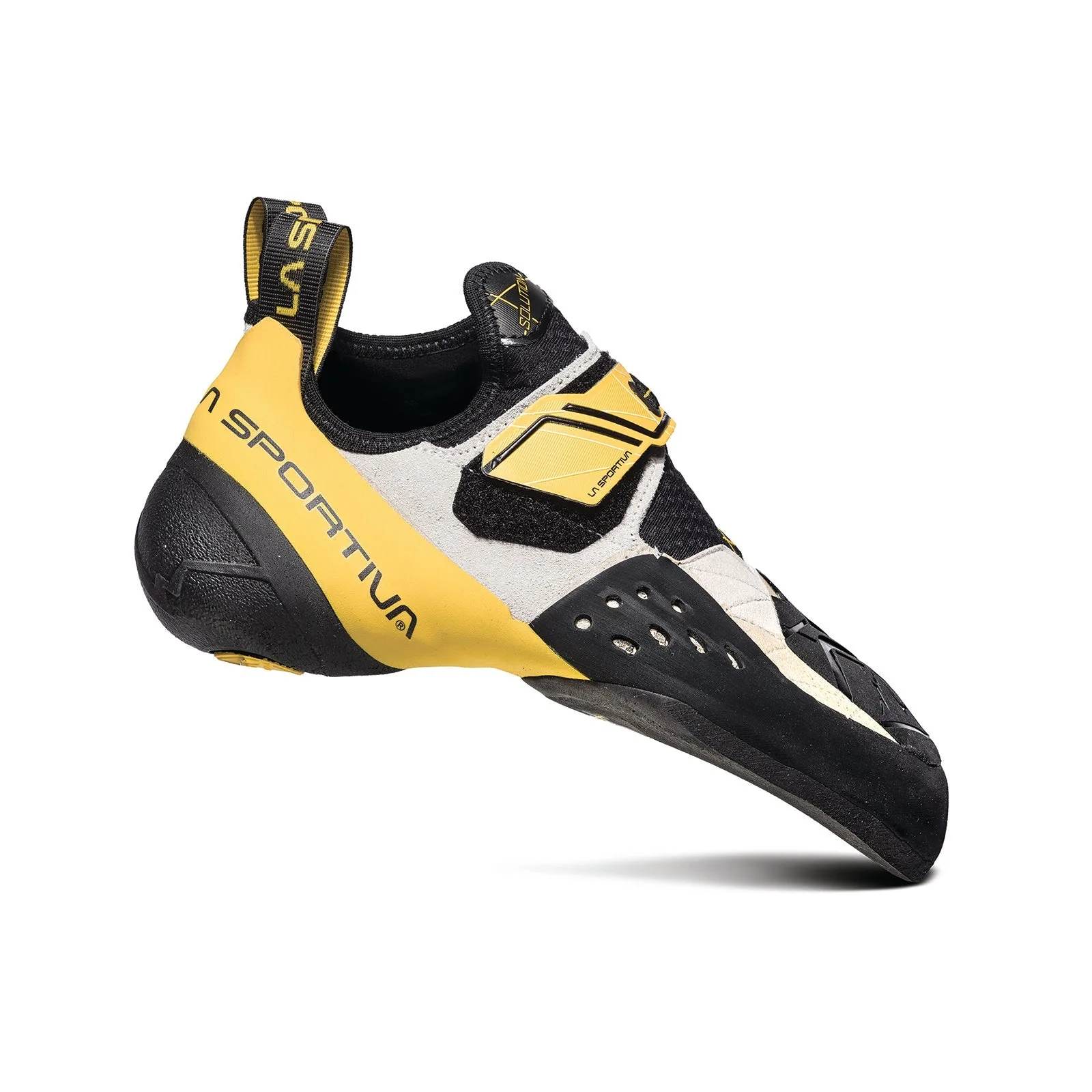
- Solution: Wrapped in sticky Vibram® XS Grip2TM rubber and drastically down-turned, the Solution sports a molded 3D heel cup and the patented P3® Power Platform which retains the downturned shape of the shoe. While caring for your rope, pairing it with reliable climbing shoes like the Solution ensures optimal performance and safety on the rock.
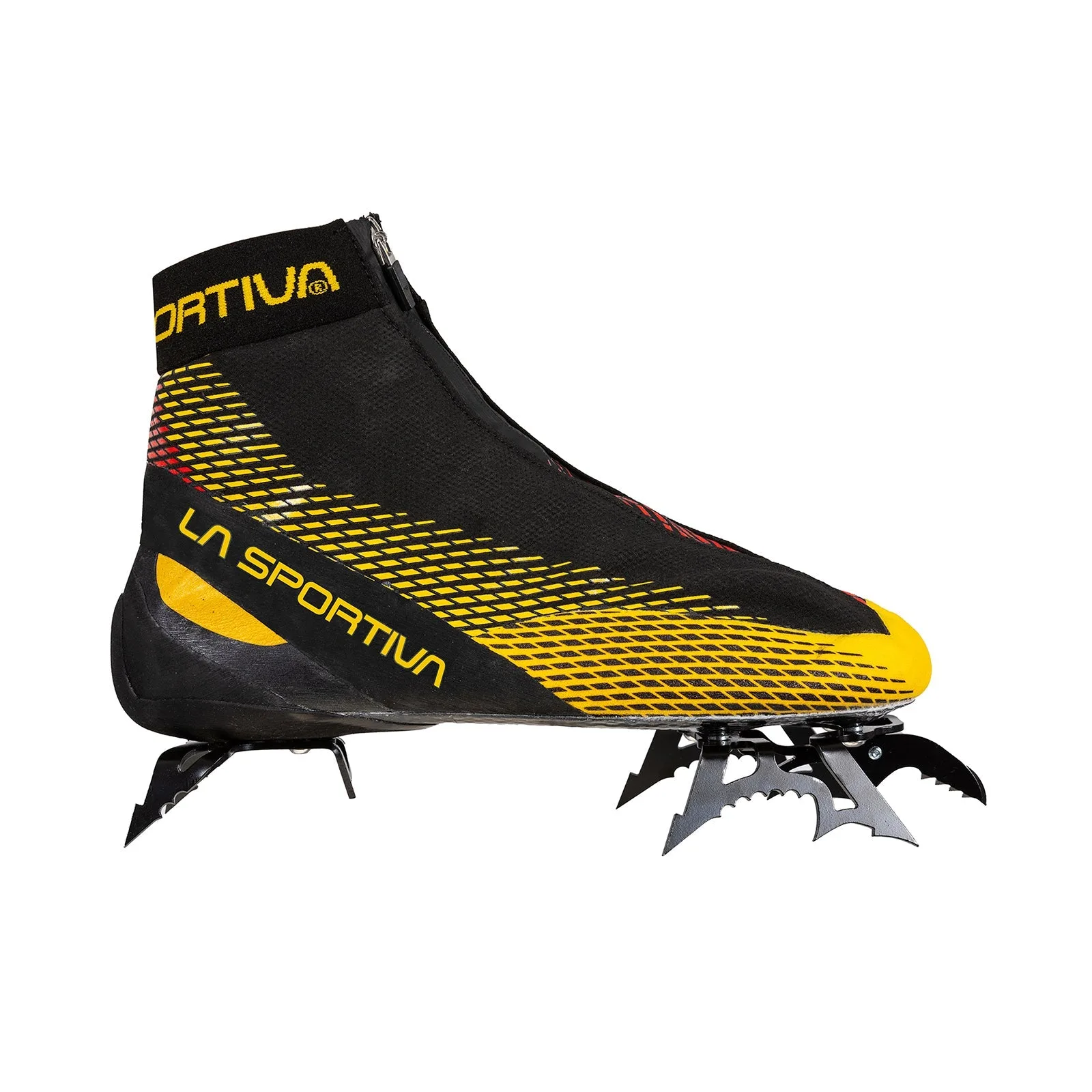
- Mega Ice EVO: Waterproof, insulated and ultra-lightweight, the Mega Ice EVO blends the best of climbing shoes and mountaineering boots for the ultimate technical and competition ice climbing footwear. For ice climbers, using appropriate footwear like the Mega Ice EVO is part of a comprehensive safety approach alongside rope maintenance.
Caring for your climbing rope is a straightforward process that pays off in safety and longevity. By cleaning, storing, inspecting, and retiring your rope appropriately, you ensure it performs when you need it most. Remember, your rope is your lifeline—treat it with the care it deserves.