Quick Answer
To make your leather belt last, clean it regularly with a damp cloth, condition it every few months with a quality leather conditioner, and store it flat or rolled in a cool, dry place. Avoid excessive moisture and direct sunlight, which can dry out and crack the leather.
A leather belt is more than a functional accessory; it's an investment that can last for decades with proper care. Whether it's a sturdy work belt or a stylish dress belt, regular maintenance is key to preserving its appearance and structural integrity.
This guide walks you through simple, effective steps to clean, condition, and store your leather belt, ensuring it ages gracefully and serves you well for years.
Why Leather Belt Care Matters
Leather is a natural material that can dry out, crack, or become brittle if neglected. Regular cleaning removes dirt and oils that can break down the leather fibers, while conditioning replenishes the natural oils lost through use and exposure.
Proper storage is equally important. Hanging a belt by its buckle can stretch the leather, while folding can cause creases. Storing it flat or rolled prevents distortion and keeps the belt in optimal shape.
- Always test any cleaning or conditioning product on a small, inconspicuous area first.
- Avoid using harsh chemicals or saddle soap too frequently, as they can strip natural oils.
- If your belt gets wet, let it air dry naturally away from heat sources.
How to Clean Your Leather Belt
Start by wiping the belt with a soft, dry cloth to remove surface dust. For deeper cleaning, dampen a cloth with lukewarm water and gently wipe the belt's surface. Avoid soaking the leather, as excessive moisture can damage it.
If the belt is particularly dirty, use a mild leather cleaner or saddle soap. Apply with a soft cloth in circular motions, then wipe away any residue with a clean, damp cloth. Allow the belt to air dry completely before conditioning.
- Never submerge a leather belt in water.
- Do not use alcohol-based wipes, as they can dry out the leather.
- For stubborn stains, consult a professional leather cleaner.
How to Condition and Protect Your Leather Belt
Conditioning restores moisture and flexibility to the leather. Choose a high-quality leather conditioner or oil, and apply a small amount to a soft cloth. Rub it into the belt using gentle, circular motions, covering the entire surface.
Allow the conditioner to absorb for at least 30 minutes, then buff the belt with a clean, dry cloth to remove any excess. Conditioning every 3-6 months is generally sufficient, but adjust based on your climate and usage.
For added protection, consider a leather protectant or water repellent, especially if you wear the belt outdoors. These products create a barrier against moisture and stains without clogging the leather's pores.
- Avoid over-conditioning, which can make the leather soft and prone to stretching.
- Use products specifically designed for leather; household oils can gum up and attract dirt.
- Always follow the manufacturer's instructions on the conditioner.
Proper Storage and Handling Tips
Store your leather belt flat in a drawer or rolled loosely in a cool, dry place. Avoid hanging it by the buckle, as this can stretch the leather over time. If you must hang it, use a clip or hanger that supports the entire belt.
Keep belts away from direct sunlight and heat sources, which can fade and dry out the leather. Also, avoid storing them in plastic bags, which trap moisture and can lead to mildew. Instead, use a breathable fabric bag or wrap them in a cotton cloth.
- Rotate your belts regularly to distribute wear.
- If your belt becomes creased, stuff it with tissue paper and let it rest for a few days.
- Periodically inspect the stitching and buckle for signs of wear.
Step-by-Step Leather Belt Care Routine
- Dust and Wipe Down: Use a soft, dry cloth to remove surface dust and dirt from the belt. This prevents abrasive particles from scratching the leather during later steps. Do this weekly or after each wear to keep the belt looking fresh.
- Clean with a Damp Cloth: Dampen a cloth with lukewarm water and gently wipe the belt's surface. For stubborn dirt, use a mild leather cleaner or saddle soap, applying in circular motions. Avoid soaking the leather; let it air dry completely before the next step.
- Apply Leather Conditioner: Using a soft cloth, apply a small amount of leather conditioner or oil. Rub it in with gentle, circular motions, covering the entire belt surface. Allow the conditioner to absorb for at least 30 minutes, then buff with a clean cloth.
- Store Properly: Lay the belt flat or roll it loosely in a cool, dry place away from direct sunlight and heat. Avoid hanging it by the buckle to prevent stretching. Use a breathable bag or wrap in cotton to protect from dust and moisture.
- Protect from Moisture and Sun: Apply a leather protectant or water repellent if you'll wear the belt outdoors. Keep it away from prolonged sunlight and never dry a wet belt with artificial heat. This step is crucial for belts used in harsh conditions, like hunting or outdoor activities.
- Inspect and Maintain Regularly: Periodically check the stitching, buckle, and leather for signs of wear. Address any issues early to prevent further damage. Regular inspection helps you catch problems before they become costly repairs.
Leather Products That Benefit from Proper Care
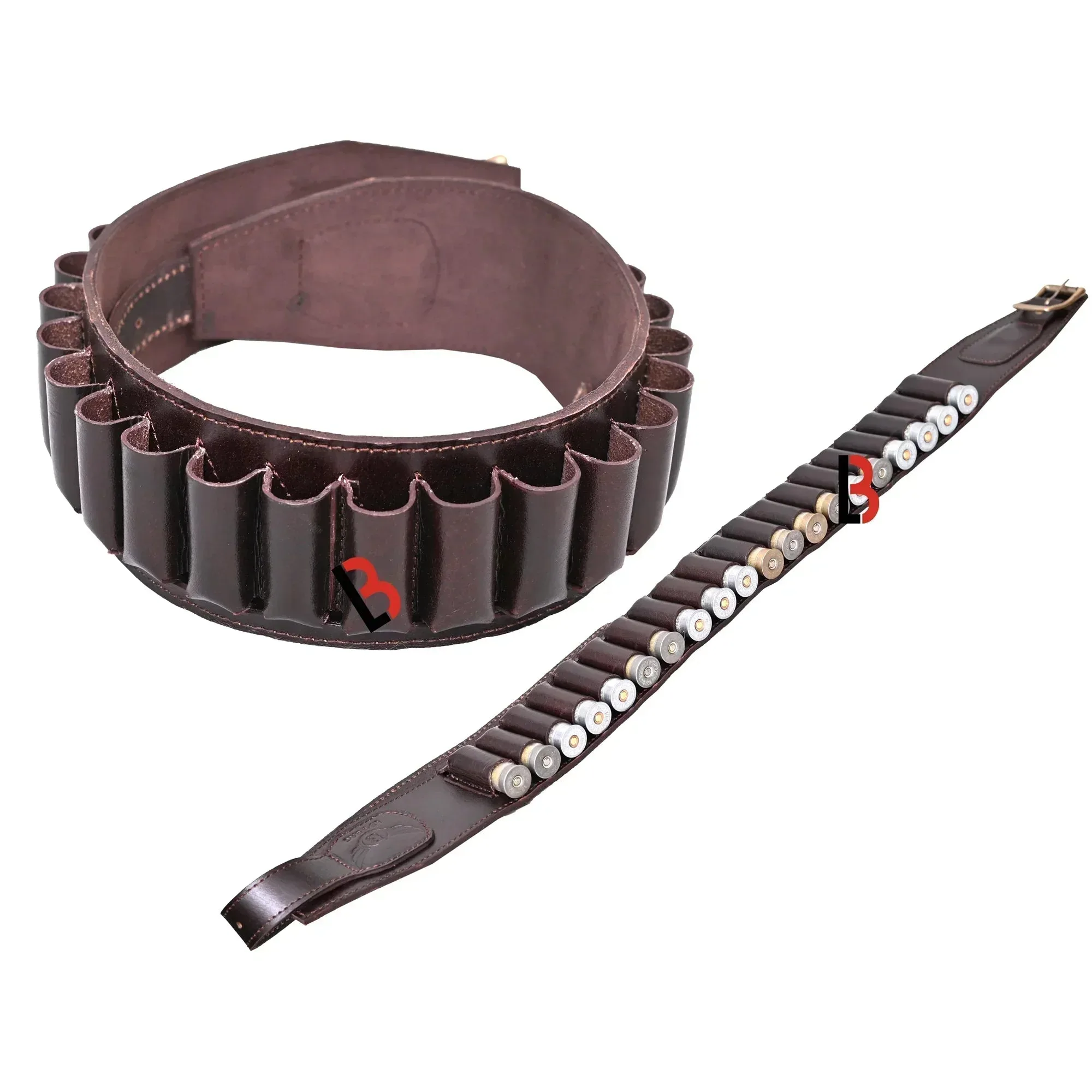
- Cowhide Leather Shotshell Bandolier Belt 20-Shell Ammunition Carrier | Hunting Shell Holder: This premium shotgun cartridge belt holder is handcrafted from thick, full-grain cowhide leather—firm enough to hold its shape under pressure, supple enough to wear comfortably across long days in the field. Regular conditioning keeps the leather supple, preventing cracks that could compromise shell retention during active use.
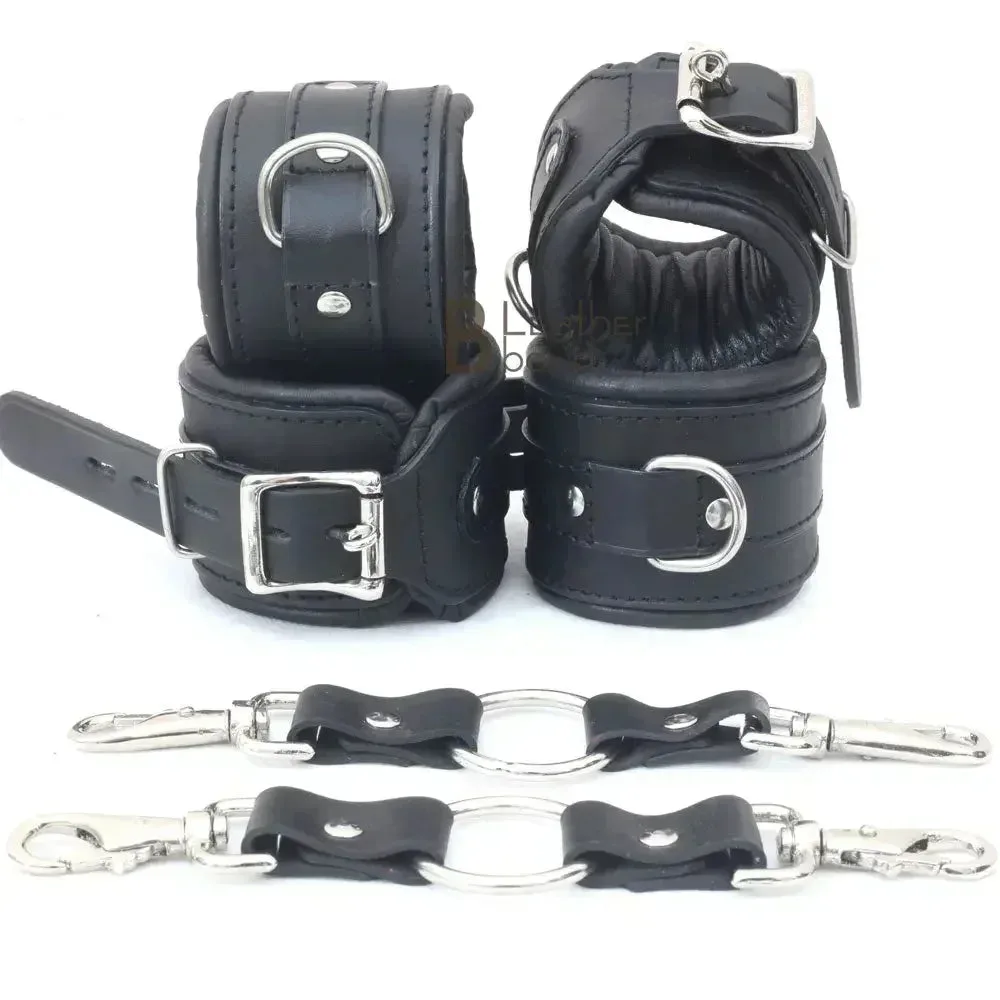
- Wrist and Ankle Cuffs Cowhide Leather Restraint Set Black Heavy Duty Professional BDSM Gear Kinky Sensual Hand Cuffs: Handmade from genuine leather, they offer a great hold while being gentle on the skin. Gentle cleaning and conditioning maintain the leather's softness, ensuring comfort during use and extending the life of the cuffs.
Caring for your leather belt doesn't have to be time-consuming. With a few simple habits—regular dusting, occasional cleaning, conditioning, and proper storage—you can keep your belt looking great and functioning well for years. Remember, a little care goes a long way in preserving the beauty and durability of genuine leather.