Quick Answer
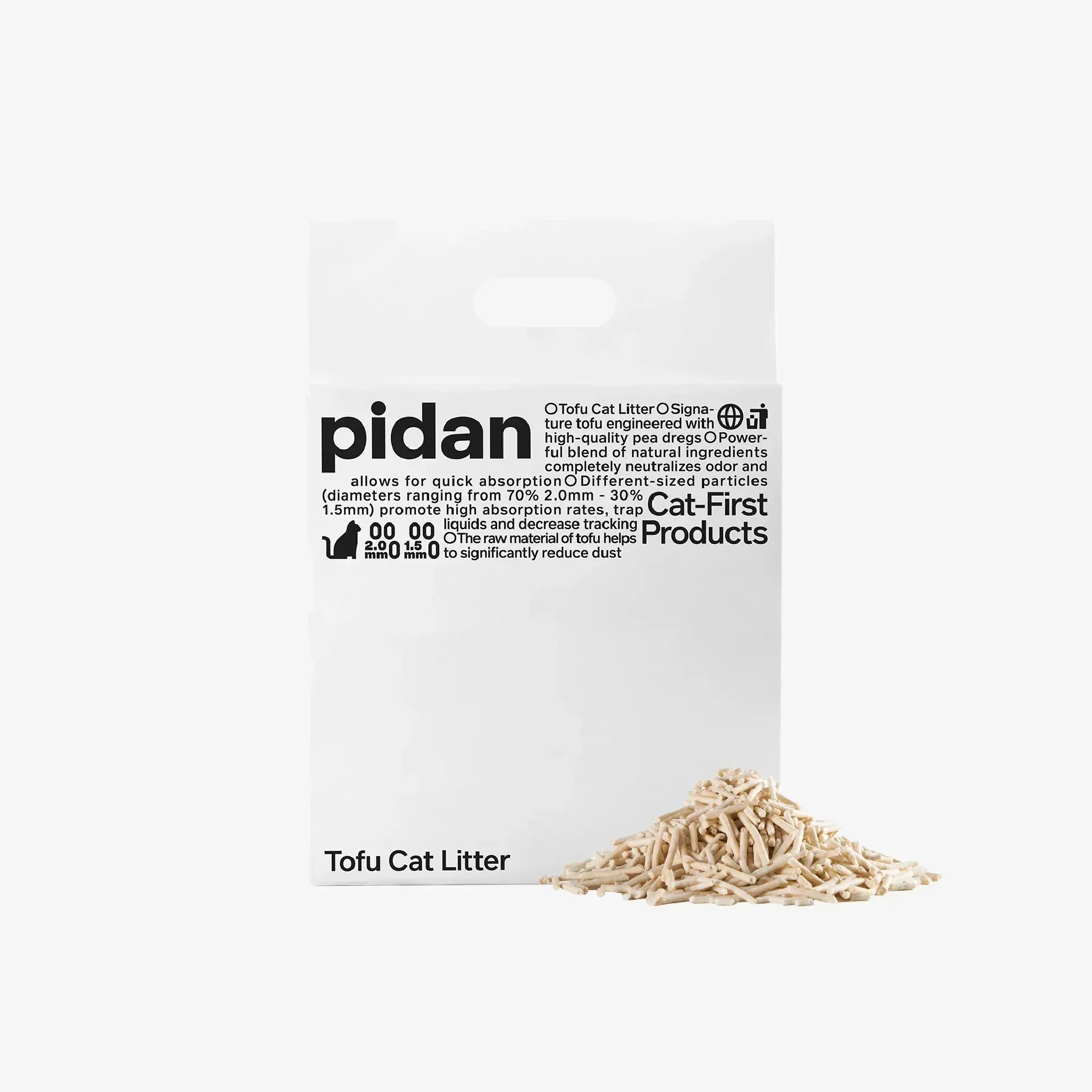
Tofu litter usually lasts longer per bag because its plant-based pellets absorb moisture quickly and form firm clumps you can lift out whole. Cassava litter can clump well too, but performance varies by brand and pellet size, so you may scoop more crumbs and top up sooner. If you want predictable longevity and low tracking, start with a tofu pellet litter such as pidan Signature Organic Tofu Cat Litter.
What Actually Determines How Long Litter Lasts
Lasting power is not one number on a bag. It comes down to how fast the litter absorbs liquid, how tightly it clumps, how much breaks apart during scooping, and how much your cat kicks or tracks out of the tray. A litter that clumps firmly lets you remove waste in fewer, cleaner scoops, so you throw away less clean litter each time. A crumbly clump forces you to scoop more often and top up the tray faster.
Pellet size and shape also matter. Smaller pellets tend to pack more tightly around liquid and create denser clumps, while larger pellets leave more air gaps. Many tofu litters blend two pellet sizes to balance coverage and absorption, which is why they often hold up well over a full week of scooping.
How Tofu Litter Absorbs and Clumps
Tofu litter is made from plant-based material, often pea or soy, pressed into pellets. The pellets are designed to soak up liquid quickly and bind into a solid clump rather than a soft paste. That firm clump is the key to longevity: you can lift it out in one piece, so less clean litter gets contaminated and thrown away.
The pidan Signature Organic Tofu Cat Litter uses a pea-based formula with 70% 2 mm pellets and 30% 1.5 mm pellets. The mix of larger and finer pellets improves coverage, absorbs moisture, and reduces how much litter gets carried out of the tray. In practice, that means fewer crumbs around the box and less waste per scoop, which stretches the bag further.
How Cassava Litter Absorbs and Clumps
Cassava litter is also plant-based and is usually marketed on similar eco-friendly grounds. Clumping quality depends heavily on the specific brand, binder, and pellet size, because cassava starch behaves differently from tofu when it meets liquid. Some cassava litters form dense, easy-to-lift clumps; others soften at the edges and break apart during scooping.
That variability is the main practical difference. Because cassava litter clumping is less standardized across products, you cannot assume two bags will perform the same way. If you try cassava, test one bag first and watch how the clumps hold together after a few days before committing to a larger supply.
Dust, Tracking, and Tray Cleanliness
Both litters are generally lower in dust than fine clay, but pellet litters can still shed small particles as they break down. Tracking is often the bigger daily annoyance. Lighter pellets and smaller fragments cling to paws and scatter outside the box, so a litter mat and a high-sided tray make a real difference.
Tofu pellet blends that combine two sizes tend to settle more densely in the tray, which can reduce the amount of loose litter your cat kicks out. If tracking is your main complaint, look for a litter that specifically states it reduces carry-out, and place a textured mat at the exit.
Cost Per Tray, Not Cost Per Bag
A cheaper bag is not cheaper if you refill the tray twice as often. Compare litters by how many days a bag realistically covers for your cat. A litter that clumps firmly and controls odor well may last a full week per tray, while a crumbly one might need topping up every few days.
For a single cat, a firm-clumping tofu litter often wins on cost per tray because less clean litter is discarded. For multi-cat homes, the gap widens: more traffic means more clumps, so clump strength matters even more. Track your own refill dates for two weeks before deciding which bag is actually the better value.
How to Switch Litters Without a Protest
Cats are sensitive to texture and scent, so a sudden swap can lead to avoidance. Mix the new litter into the old one over seven to ten days, starting with about a quarter of the new litter and increasing the ratio every few days. Keep the tray in the same spot and scoop daily during the transition.
If your cat scratches at the edge or eliminates beside the box, slow down and hold at the current mix for a few more days. Once the tray is fully switched, clean it more thoroughly than usual for the first week to remove lingering scent from the old litter.
Where Scratching and Rewards Fit In
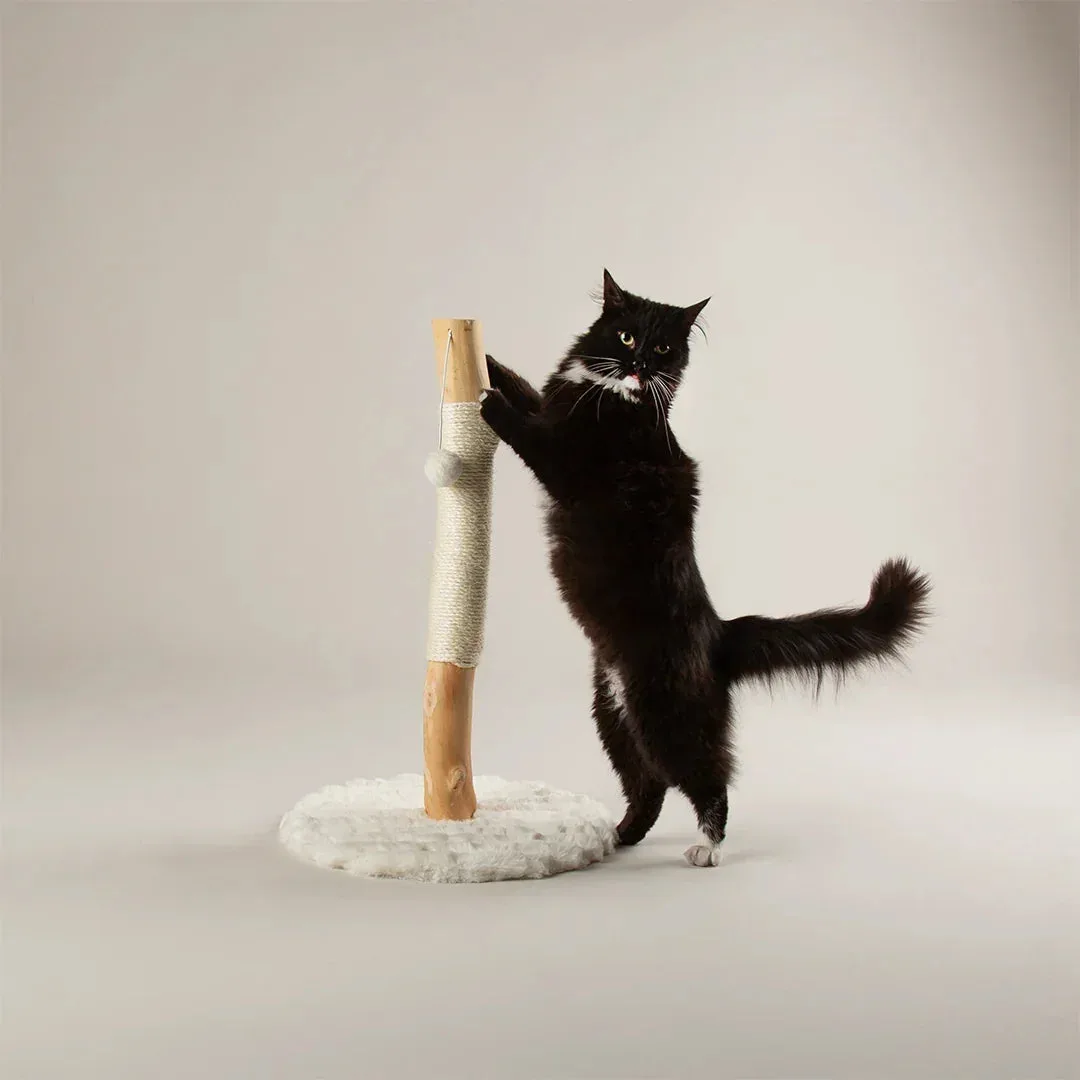
Litter changes can make cats restless, and restless cats scratch more. A dedicated scratching post gives them an appropriate outlet instead of your sofa. The Scruffs Alpine Rockies Cat Scratching Post pairs a natural pear wood post with a sisal-wrapped section and a hanging pom-pom toy, and its 64cm height creates a vertical scratching and play structure without the platforms of a full cat tree.
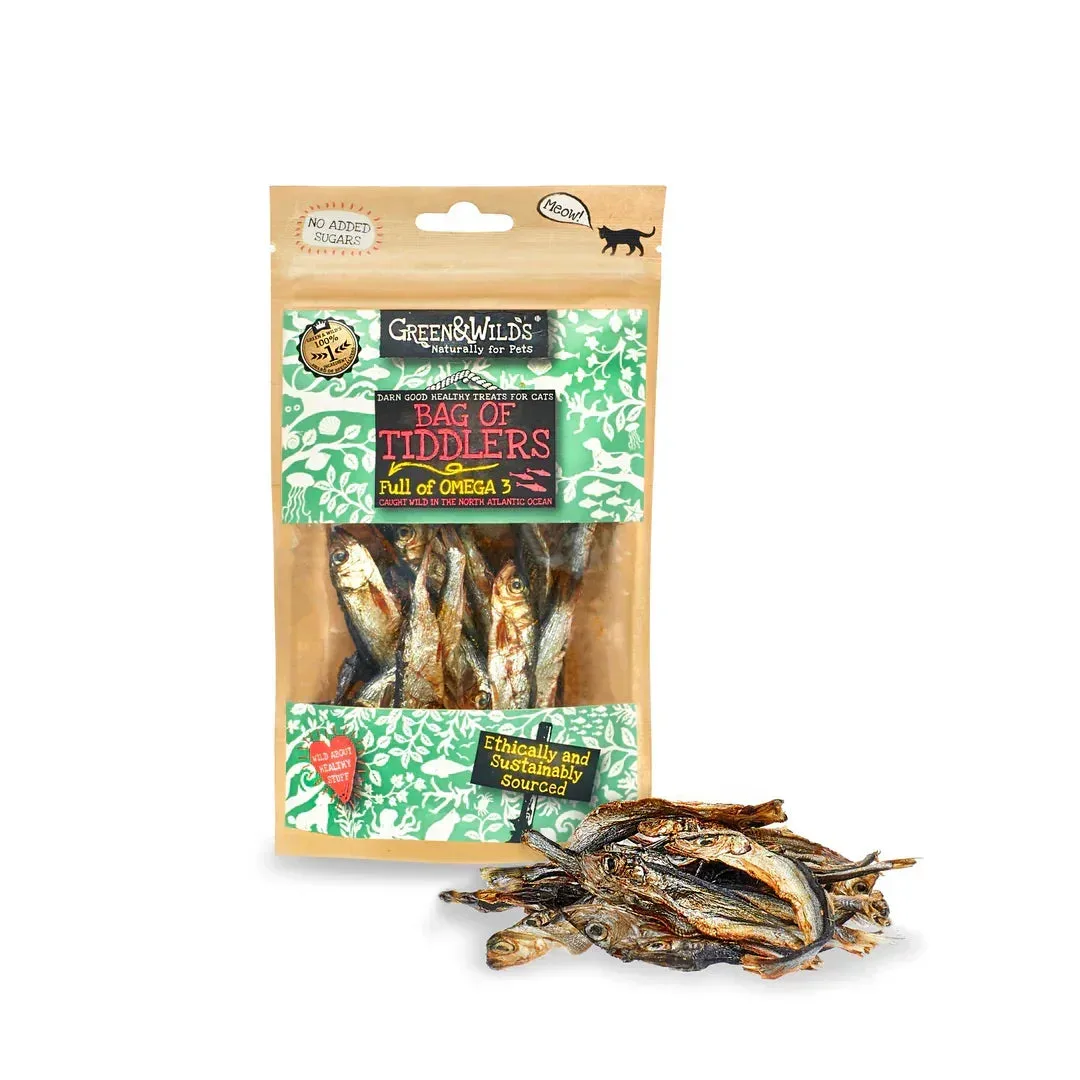
For cats that need encouragement to use a new tray setup, a simple high-value reward helps. Green & Wild's Bag of Tiddlers Fish Cat Treats are natural treats made from whole air-dried fish with a single ingredient, giving you a protein-rich snack to reward calm behavior near the box. Keep rewards small so they do not disrupt your cat's regular diet.
Trade-Offs at a Glance
- Tofu litter longevity: Fast absorption and firm clumps mean you lift waste out cleanly, so less clean litter is discarded and the bag stretches further. Best if predictable refill timing matters to you.
- Cassava litter consistency: Clumping quality varies by brand and binder, so one bag may perform well while another softens and breaks apart during scooping. Test a single bag before buying in bulk.
- Dust and tracking: Both are lower-dust than fine clay, but pellet fragments still cling to paws. Two-size tofu blends settle more densely and can reduce carry-out. Add a litter mat and a high-sided tray to cut tracking either way.
- True cost: Compare cost per tray over a week, not cost per bag. Crumbly litter needs more frequent topping up, which erases a lower sticker price. Track refill dates for two weeks before switching brands.
Product Facts
- pidan Signature Organic Tofu Cat Litter: Pea-based tofu litter with 70% 2 mm pellets and 30% 1.5 mm pellets, designed for fast moisture absorption and less mess around the tray. The two-size pellet blend improves coverage and reduces carry-out, which means fewer crumbs and less wasted litter per scoop, helping the bag last longer.
- Scruffs Alpine Rockies Cat Scratching Post: Natural pear wood post with a sisal-wrapped scratching section, plush-covered square base, and hanging pom-pom toy at 64cm high. Gives cats a dedicated vertical scratching and play outlet, which is useful when a litter change makes them restless and more likely to scratch furniture.
- Green & Wild's Bag of Tiddlers Fish Cat Treats: Natural treats made from whole air-dried fish with just one ingredient and nothing unnecessary added. A simple, protein-rich reward you can use to encourage calm behavior around a new litter tray without adding a long ingredient list to your cat's routine.
Which One Fits Your Cat?
Choose tofu litter if you want
- A firm clump that lifts out in one piece with minimal waste
- Less litter tracked out of the tray and fewer crumbs around the box
- Predictable refill timing for single-cat or multi-cat homes
Choose cassava litter or another option if you
- Want the absolute lowest sticker price and are willing to top up more often
- Have a cat that refuses pellet textures and prefers a fine-grain litter
- Need a specific brand's cassava formula that your cat already accepts