Sticky Seasoning Starts With Too Much Oil, Not Too Little
A tacky, uneven surface on cast iron is a common frustration, and the usual culprit is applying more oil than the pan can absorb. The fix is not to scrub harder or season more often; it is to clean the pan thoroughly and then apply a thinner layer of the right product.
That is where the choice between a dedicated seasoning oil and a two-in-one conditioner matters. Both come from Lovett Sundries, but they are built for different moments in your cast iron routine.
Seasoning Oil vs Conditioner: What Each One Does
- Cast Iron Seasoning Oil: A blend of all-natural oils with no scrubby salt, designed to protect and season cast iron. Use it when your pan is already clean and you want to add a fresh layer of seasoning.
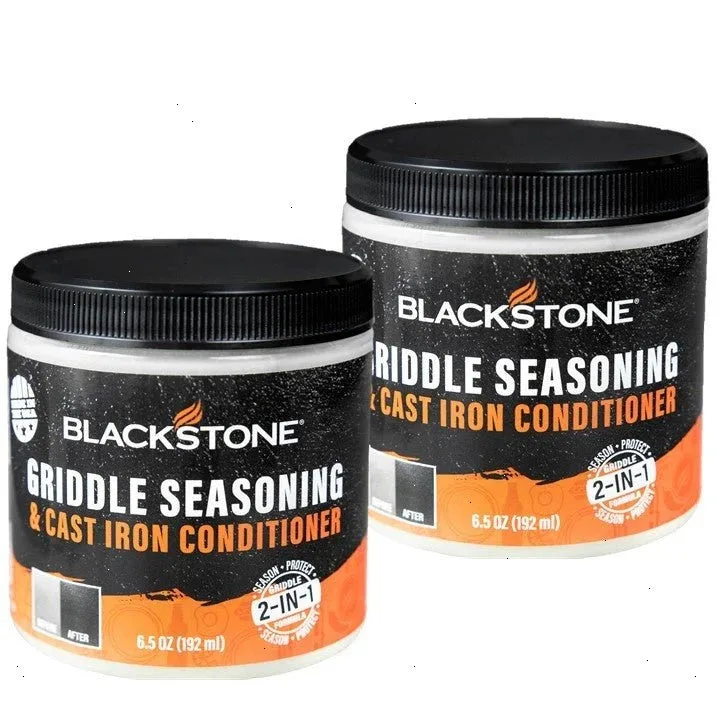
- Cast Iron Conditioner: The same all-natural oil blend plus sea salt, so it cleans and seasons in one step. Use it when there is burnt-on food or light residue to lift before you re-oil.
What the Product Records Confirm
-
Cast Iron Seasoning Oil: This cast iron seasoning oil is exactly the same mix of oils used in Lovett Sundries' best selling cast iron conditioner but without the scrubby salt. If your pan is already clean and you just need to maintain the seasoning, the oil gives you the conditioning blend without extra scrubbing action.
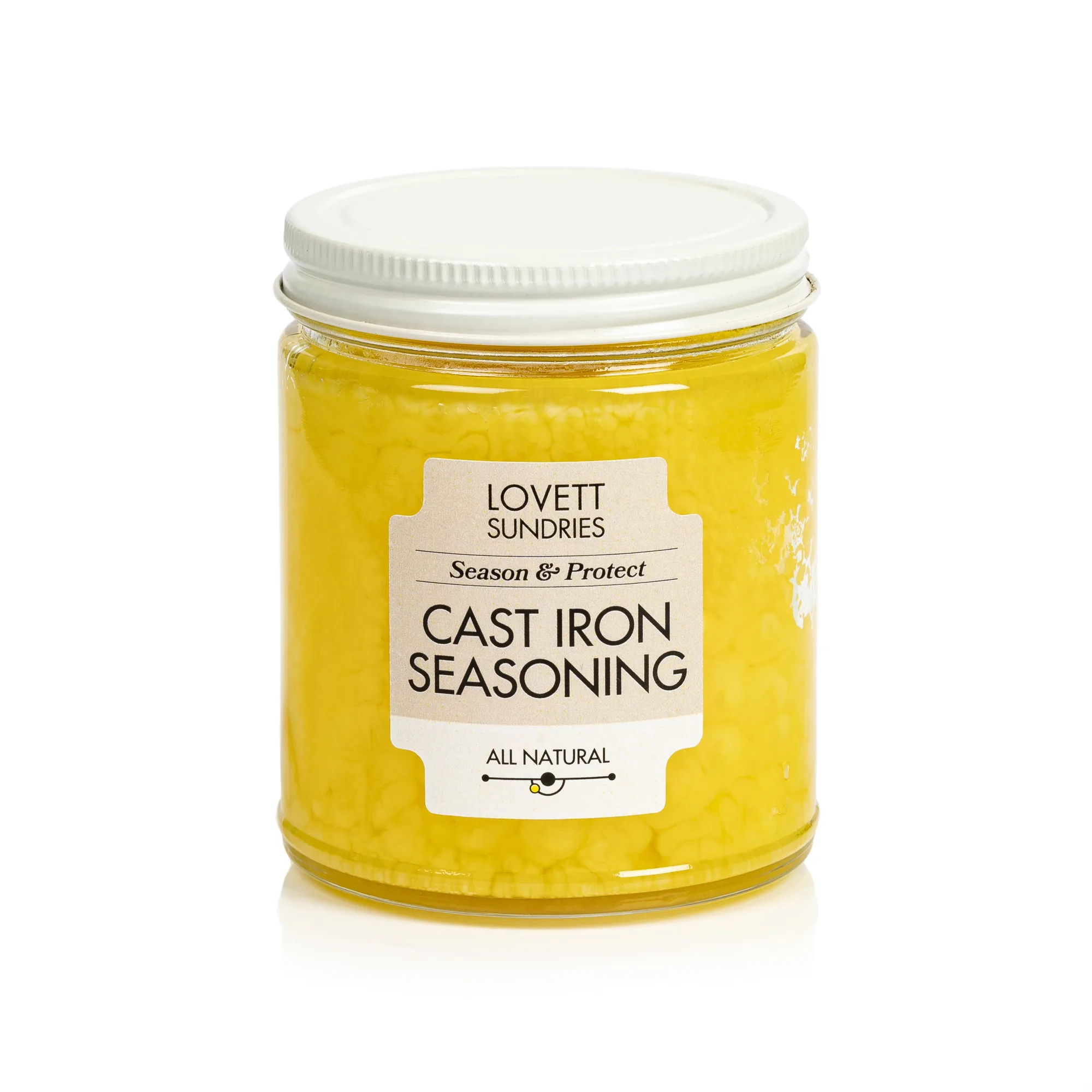
Cast Iron Seasoning Oil
-
Cast Iron Conditioner: Cast iron conditioner is the best way to clean, protect, and season your cast iron cookware. When sticky residue or burnt-on food is part of the problem, a two-in-one product saves a step and helps you start fresh.
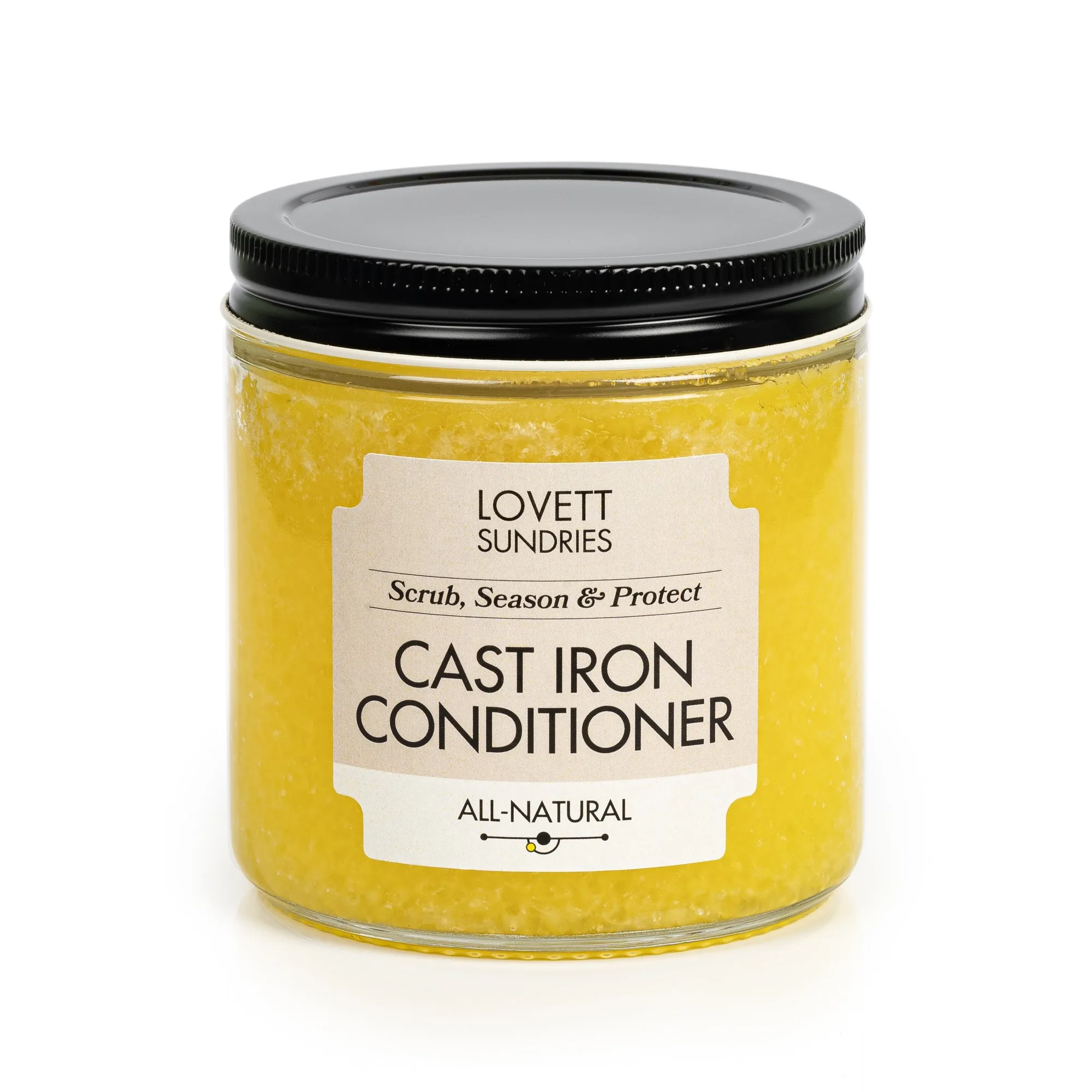
Cast Iron Conditioner
How to Use Cast Iron Conditioner When Seasoning Gets Sticky
The conditioner is formulated to gently scrub away burnt-on food while leaving behind a natural, non-stick surface. Follow this sequence to reset a tacky pan.
- Warm the pan: A little warmth helps the conditioner spread, but avoid extreme heat.
- Apply a small amount: Scoop a little conditioner onto the pan; you can always add more.
- Scrub gently: Use a cloth or scrubber to work the conditioner into the surface and lift sticky residue.
- Wipe clean: Remove excess with a dry cloth. The pan should look dry, not greasy.
- Heat briefly: Set the pan over low heat to help the oils absorb and drive off any moisture.
When to Reach for Seasoning Oil Instead
If your pan is already clean and smooth but the seasoning looks dull or thin, the seasoning oil is the simpler choice. It contains the same all-natural oil blend as the conditioner, minus the salt, so you can apply a very thin layer after washing and drying.
This is also the product to use on a regular basis to maintain the non-stick surface without the extra step of scrubbing. A little goes a long way: apply a drop or two, rub it over the entire cooking surface with a cloth, and then wipe off any excess before storing.
Where the Seasoning Oil Fits
- Cast Iron Seasoning Oil: This blend of all natural oils is the best way to protect and season your cast iron cookware. Regular use of a thin oil layer is the core of cast iron maintenance, and this product is made specifically for that job.
- Cast Iron Seasoning Oil: We recommend using it on your cast iron pans, skillets, crepe pans, Dutch ovens, garlic roasters, griddles, and grill grates. It is versatile enough for every piece of cast iron in your kitchen, so you do not need a separate product for each shape.
A Simple Cast Iron Maintenance Routine
A sticky pan is easier to prevent than to fix. After each use, clean the pan while it is still warm (but cool enough to handle), using the conditioner if there is stuck food or just hot water and a brush if it is lightly soiled. Dry it thoroughly, then apply a very thin layer of seasoning oil with a cloth. Wipe off any excess so the surface looks dry, not shiny. Store the pan in a dry place.
Every few uses, or whenever the surface feels tacky, repeat the conditioner step to deep-clean and re-season. This two-product approach keeps the routine short and avoids the buildup that causes stickiness.
What the Supplied Information Does Not Cover
The product records do not include specific heating temperatures, timing, or safety instructions for seasoning. They also do not confirm suitability for enameled cast iron or other materials. If your pan has a manufacturer's care guide, follow that for temperature and method. The guidance here is based on the supplied product descriptions and general cast iron practice.