Quick answer
A tight scalp after washing hair is almost always a cleansing mismatch: your shampoo removed more oil than your scalp can comfortably replace, or hot water and a rough scrub irritated the surface. Switch to a gentler, hydrating cleanser, lower your water temperature, and give your scalp two to three washes to settle before deciding it needs a different product. If tightness comes with visible redness, flakes, or pain that lasts more than a few days, stop self-treating and see a dermatologist.
Why the tight feeling shows up right after shampoo
Your scalp has a lipid barrier that keeps moisture in and irritants out. Many shampoos, especially clarifying or high-surfactant formulas, are designed to remove oil aggressively. They do their job so well that they strip the barrier, and the result is that dry, shrink-wrapped sensation within minutes of towel-drying. It is a signal about the cleanser and the washing method, not a sign that your scalp is permanently damaged.
The timing matters for diagnosis. Tightness that appears immediately and fades within an hour points to a cleansing issue. Tightness that lingers all day, or turns into itching and flaking by the next morning, points more toward a dry or irritated scalp that needs a different approach rather than a stronger one.
Common causes of a dry, itchy scalp after shampoo
Water temperature is the most underrated factor. Hot water dissolves scalp oils faster than lukewarm water, so a hot rinse can leave you tight even when your shampoo is mild. Turn the temperature down for the final rinse and see whether the sensation changes.
Cleanser strength is the second factor. A shampoo built to mimic micellar water cleans gently while still lifting oils and debris, which suits scalps that react to traditional detergents. If you are using a heavy clarifying formula daily, try alternating it with a gentler option rather than quitting it entirely.
Frequency and technique round out the list. Washing twice a day, scrubbing with fingernails, or leaving shampoo on the scalp for several minutes all increase the chance of irritation. Massage with fingertips, rinse thoroughly, and let the product do the work rather than your hands.
How to build a soothing scalp care routine
Start with one change at a time so you can tell what actually helped. Begin with water temperature and rinse time, then adjust your shampoo, then add a scalp treatment. Changing three things at once makes it impossible to know which one fixed the problem.
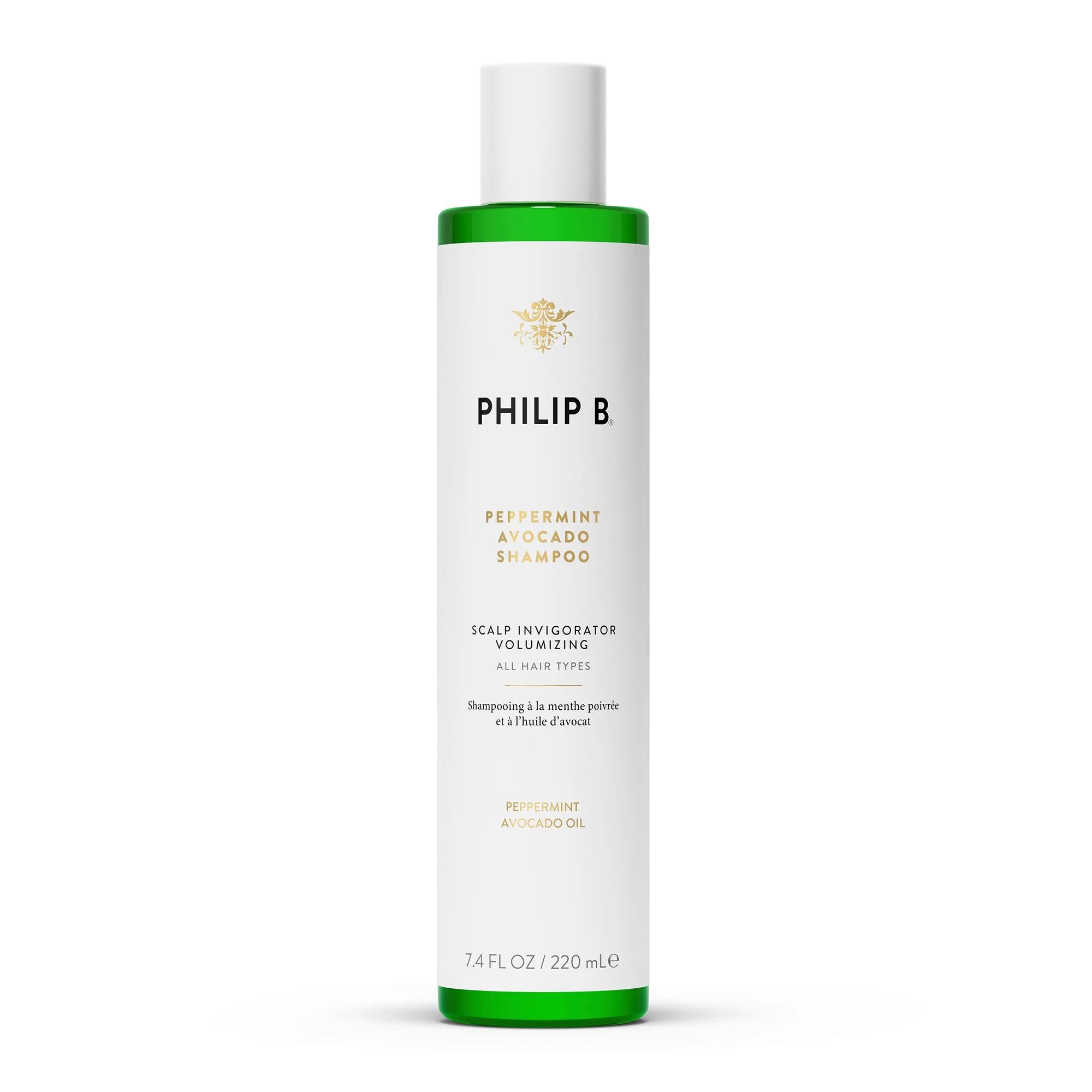
A scalp balancing treatment does not need to be complicated. A gentle cleanse followed by a cool rinse and a light massage can be enough. If you enjoy a cooling, tingly sensation, a peppermint-based wash delivers that without needing a separate serum step. If your scalp is reactive rather than simply dry, skip the tingle and choose the mildest cleanser you can find.
Give any new routine two to three washes before judging it. Scalp oil production adjusts slowly, and a single wash after switching products is not a fair test.
When to stop adjusting and get help
Stop experimenting and see a dermatologist if the tightness comes with persistent redness, swelling, oozing, or pain, or if you notice patchy hair loss. Those are not signs of a cleanser mismatch, and no shampoo swap will fix them. The same applies if an itchy scalp keeps you awake or if over-the-counter dandruff shampoos make the tightness worse rather than better.
For everyone else, the fix is usually patience plus one gentler product. Tightness after washing is a solvable problem, but it is solved by removing irritants, not by adding more steps.
Diagnose your tight scalp in four checks
- Symptom: tightness within minutes of washing: The sensation starts right after towel-drying and eases within an hour. Likely cause: cleanser or water temperature stripped the lipid barrier. Action: switch to a gentler cleanser and lower your rinse temperature.
- Symptom: tightness plus itching and flakes the next day: The scalp feels dry and itchy after shampoo and stays that way between washes. Likely cause: ongoing dryness or irritation rather than a one-off strip. Action: reduce wash frequency and use the mildest cleanser you have for two weeks.
- Symptom: tightness with redness, swelling, or pain: Visible irritation or discomfort that does not fade between washes. Stop adjusting products and see a dermatologist. This is past the point where a routine change is the right tool.
- Symptom: no change after two to three weeks of gentler washing: You have lowered the temperature, switched cleansers, and reduced scrubbing, and nothing has shifted. Choose another option: get a professional scalp assessment rather than cycling through more products.
Products that match a tight-scalp reset
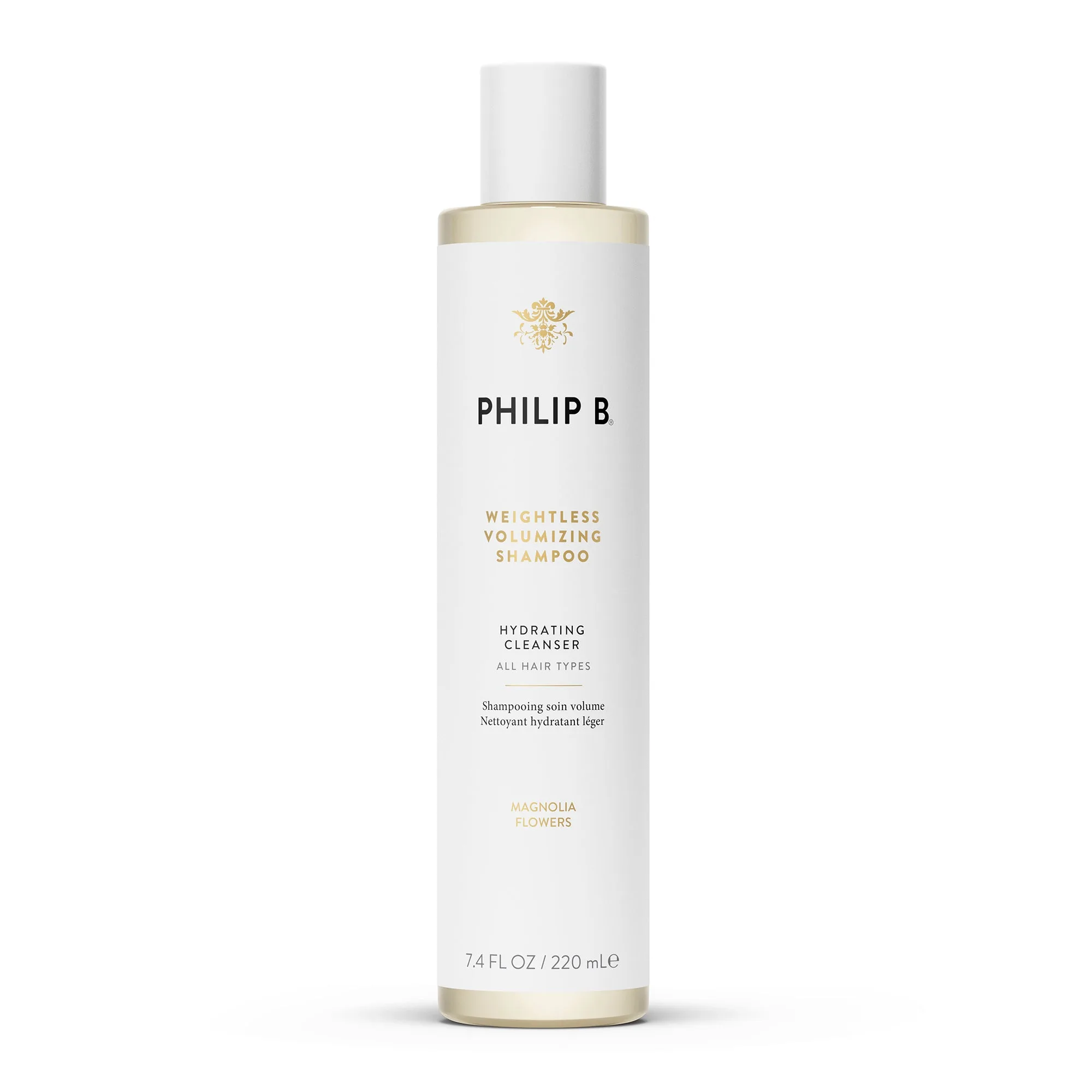
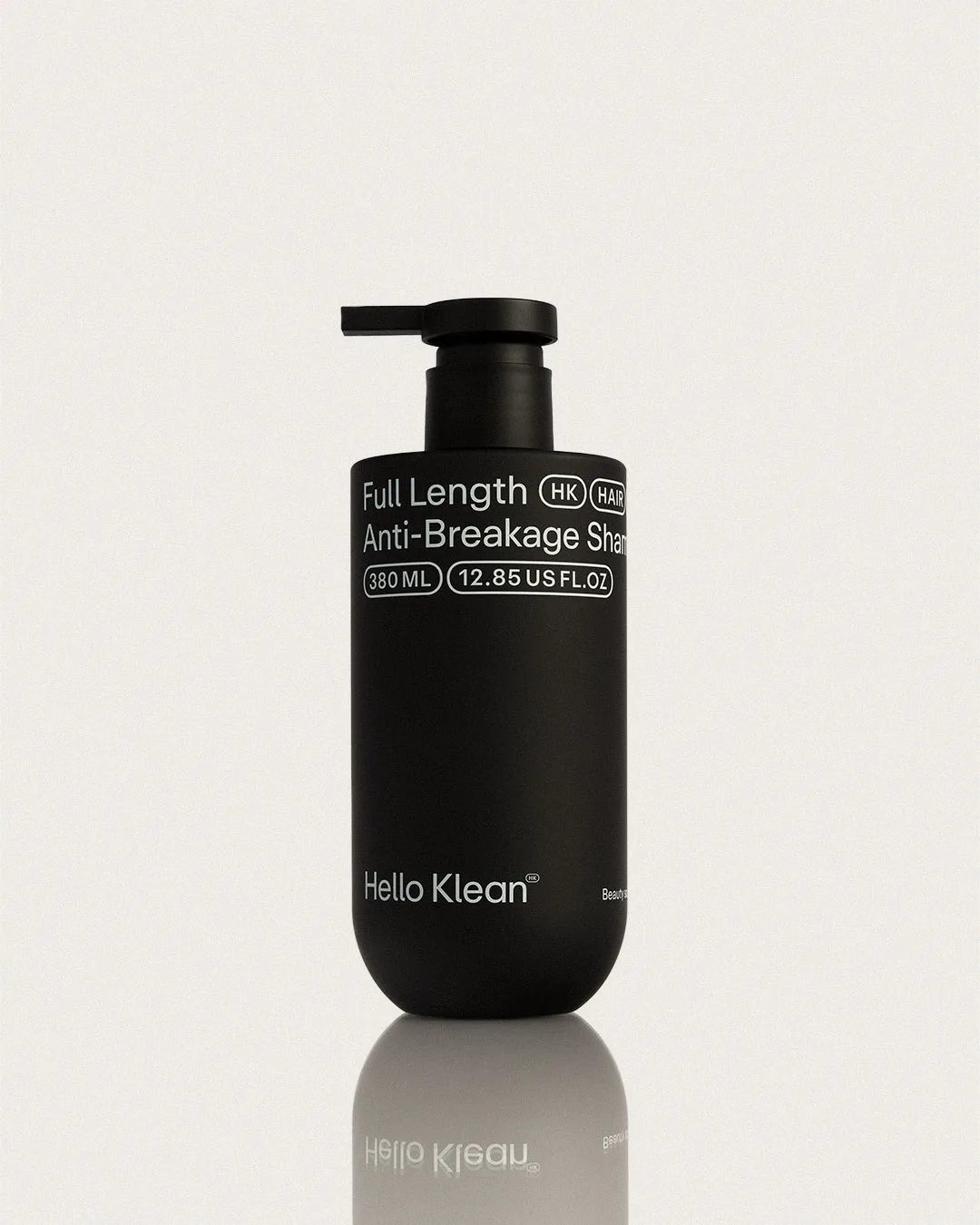
- Weightless Volumizing Shampoo: Designed to mimic the powerful yet mild action of micellar water, this shampoo gently washes away scalp oils and debris. A good first swap when your current shampoo leaves your scalp tight, because it cleans without the aggressive strip that causes the sensation.
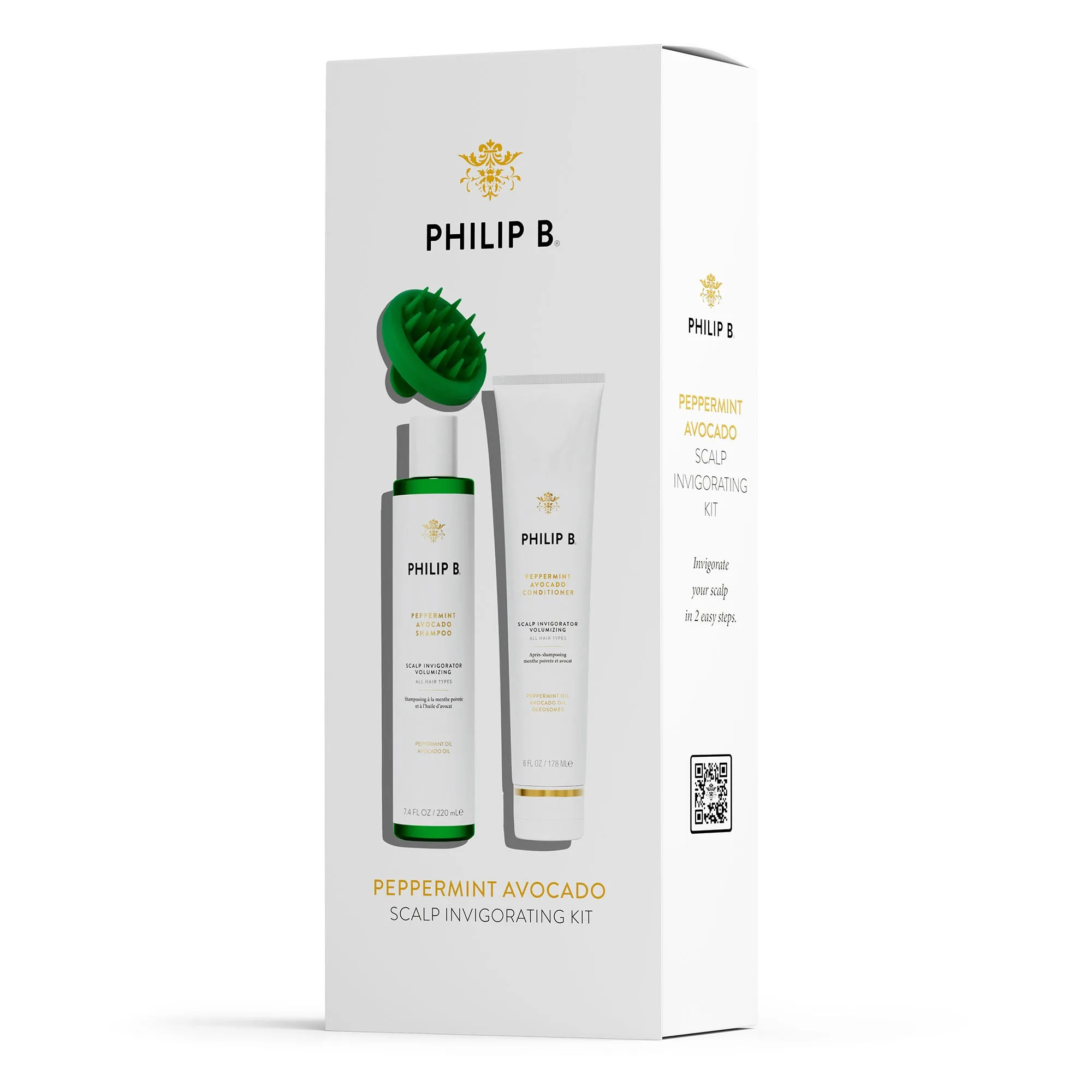
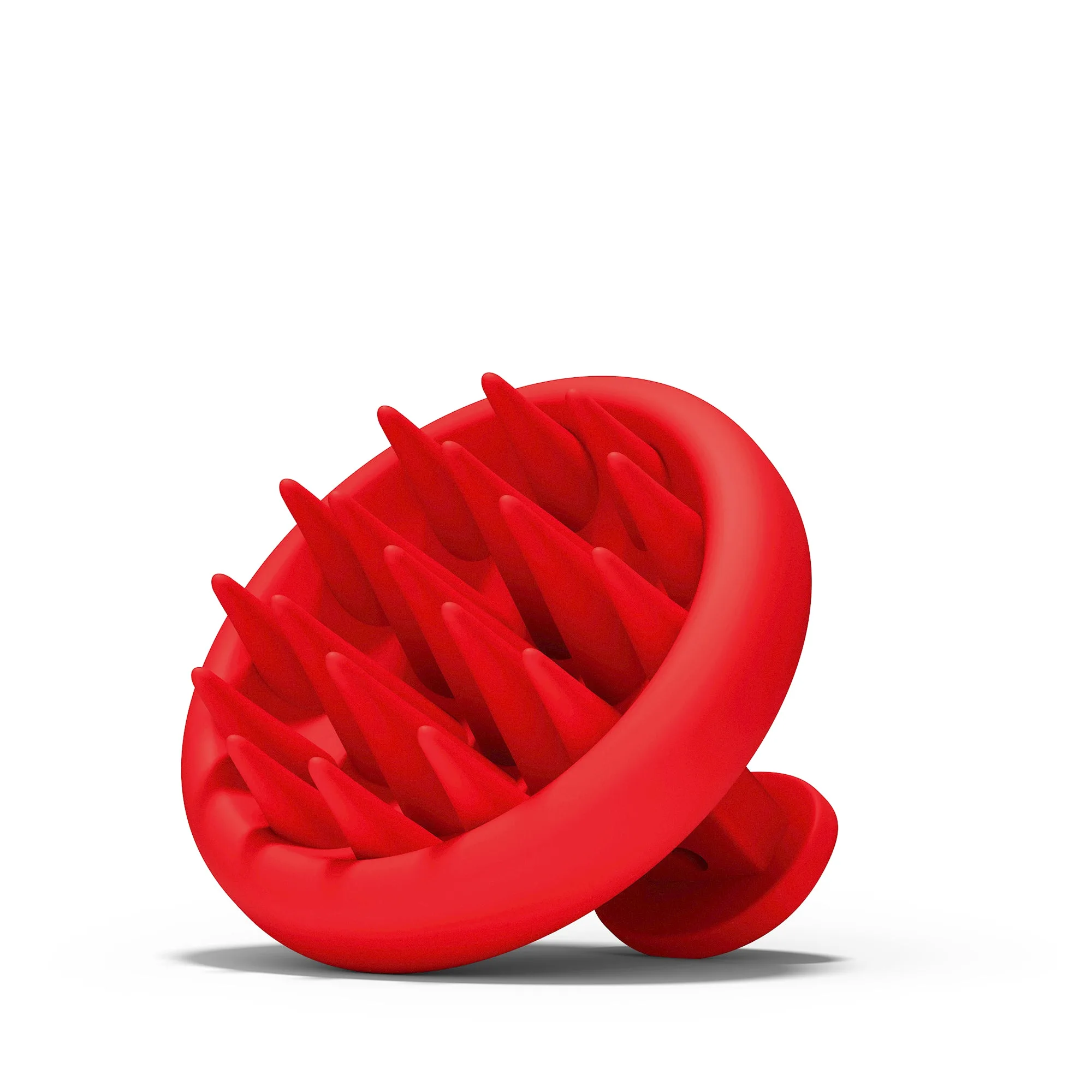
- Peppermint Avocado Scalp Invigorating Kit: This limited edition kit includes full sizes of the global-bestselling Peppermint Avocado Shampoo and Conditioner plus an ergonomic silicone Scalp Massager, with steps and pro-tips inside. Useful if you want the cooling, tingly sensation and a massage tool in one purchase, and it suits all hair types. Skip it if your scalp is reactive rather than simply dry.