Quick answer
A dry, tight, or itchy scalp right after washing is usually caused by one of four things: water that is too hot, a shampoo that strips too much oil, over-washing, or a scalp that needs leave-on hydration rather than another rinse. Fix the wash first, then add a leave-on scalp treatment if the tightness and flaking continue. If you see redness, sores, or hair loss, stop self-treating and see a dermatologist.
Symptom: tightness and itch that start within minutes of rinsing
The telltale sign of a wash-day problem is timing. If your scalp feels tight, prickly, or itchy within a few minutes of stepping out of the shower, the issue is almost always something that happened during the wash, not a chronic skin condition. That is different from a scalp that itches on day three after washing, which usually points to oil and product buildup instead.
Pay attention to where it itches. Itch concentrated along the hairline, part line, and crown usually means shampoo residue or hot water. Itch spread evenly across the whole scalp is more often dryness or a reaction to a strong surfactant.
Cause 1: water temperature and wash frequency
Hot water dissolves the oils on your scalp faster than warm water does, and those oils are what keep your scalp comfortable after you towel dry. If you shower in very hot water, turn it down to lukewarm for the final rinse. It is a free change and often the single biggest improvement.
Washing twice a day, or washing daily with a strong shampoo, removes the natural oils your scalp needs to rebuild its barrier. Most people with a dry scalp after washing do better on every-other-day washing, or by swapping in a gentler cleanse on the in-between days. If you use a dry shampoo to stretch time between washes, choose one that cleans and conditions rather than one that only absorbs oil, because powder-heavy formulas can add to the tight, coated feeling.
Cause 2: your shampoo is doing too much
Clarifying, volumizing, and anti-dandruff shampoos are designed to remove a lot, and they can leave a dry scalp feeling stripped. If your scalp feels tight after shampoo but your hair looks great, the shampoo is probably too strong for your scalp, not your hair.
Try rotating: use the stronger shampoo once a week for buildup, and a gentler one for the rest of your washes. Apply shampoo to the scalp only, let the suds rinse through the ends, and skip the second lather unless your hair is genuinely coated. Rinse for a full 30 seconds longer than feels necessary, since leftover residue mimics dryness and causes itch.
Cause 3: your scalp needs leave-on hydration, not another rinse
If you have already softened your water, reduced wash frequency, and switched to a gentler shampoo, and your scalp still flakes and itches, the problem is no longer the wash. Rinse-off products can only do so much because they leave the scalp within minutes. At that point, a leave-on scalp treatment is the logical next step.
Apply a leave-on treatment to a clean, towel-dried scalp, parting the hair in sections so the product reaches skin rather than sitting on strands. Massage it in with fingertips, not nails. You do not need to rinse it out. Give any new leave-on routine at least a few weeks before judging it, since scalp comfort tends to improve gradually rather than overnight.
When to stop and choose a different option
Stop adjusting your routine and see a dermatologist if you notice redness, swelling, open sores, crusting, or patches of hair loss. Those are not signs of a dry scalp from washing, and no shampoo or serum will fix them.
Stop adding products if your scalp reacts to a new leave-on treatment with burning or a rash. Also stop if your scalp is actually oily and itchy rather than dry and tight, because adding hydration to an oily scalp can make flaking worse. In that case, focus on cleansing and buildup removal instead. Finally, if you have used a leave-on scalp treatment consistently for a full season with no change in comfort, the cause is likely internal or medical rather than product-related.
Wash-day diagnosis: match your symptom to your next step
- Tight and itchy within minutes of rinsing: Water temperature or shampoo strength is the likely cause. Lower the rinse temperature and switch to a gentler shampoo for most washes. Reassess after one week of lukewarm rinses and gentler cleansing.
- Flaking and itch that persist despite gentler washing: Your scalp likely needs leave-on hydration rather than another rinse-off product. Add a leave-on scalp treatment to a clean, towel-dried scalp. Give it several weeks of consistent use before deciding whether it is working.
- Itch on day two or three, not right after washing: This is usually buildup and oil rather than dryness. Do not add more hydration; focus on cleansing and extending time between washes with a conditioning dry shampoo. If flaking continues with regular cleansing, see a dermatologist.
- Redness, sores, crusting, or hair loss: These are outside the scope of a wash-day fix and may need medical treatment. Stop experimenting with products and book a dermatologist appointment.
Product facts that fit this problem
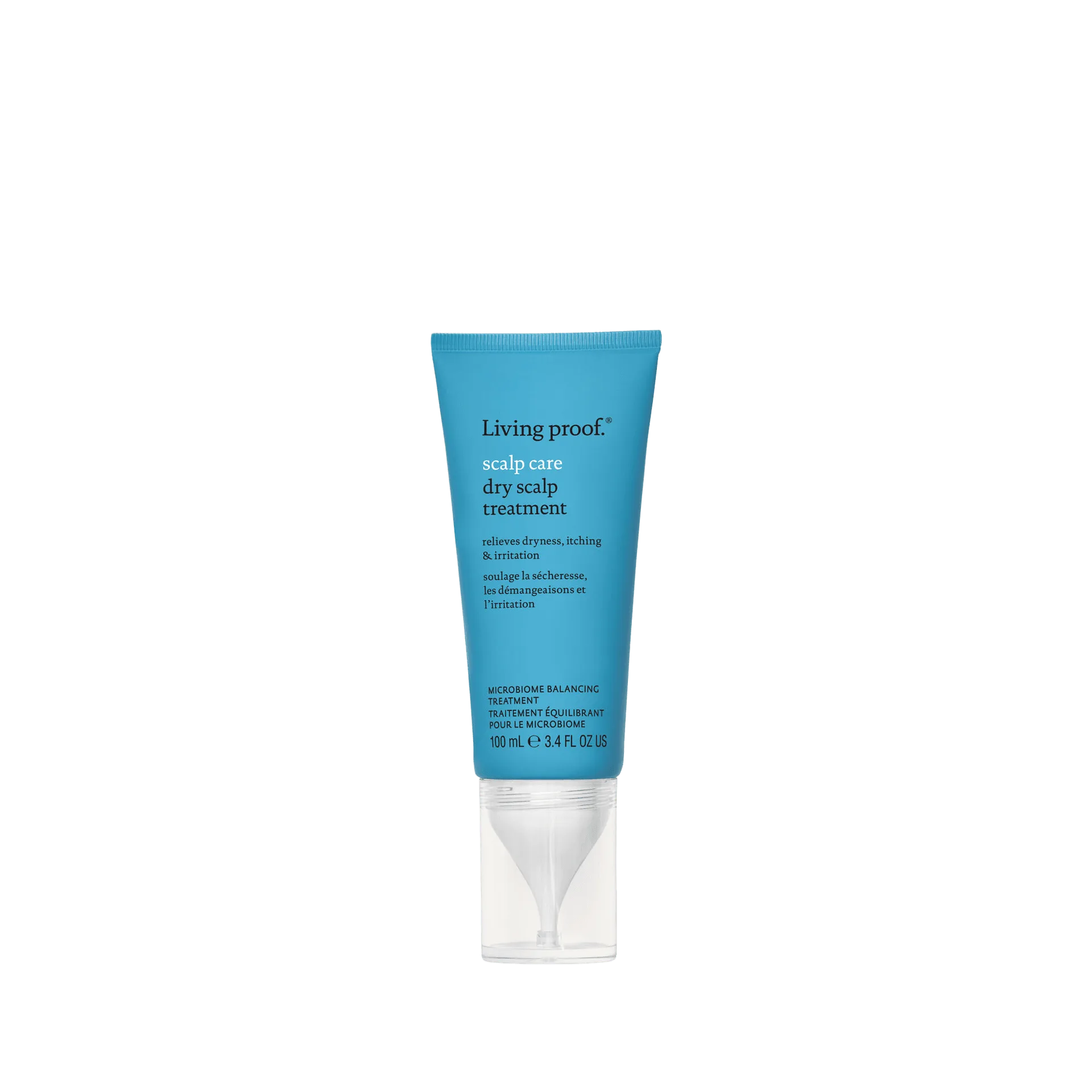
- Scalp Care Dry Scalp Treatment: This skincare-inspired leave-on scalp treatment delivers instant hydration and lasting relief that is clinically proven to soothe flaking, itching and irritation. It is designed for the exact symptom pattern described here: a scalp that flakes and itches after washing and needs hydration that stays on the skin instead of rinsing away.
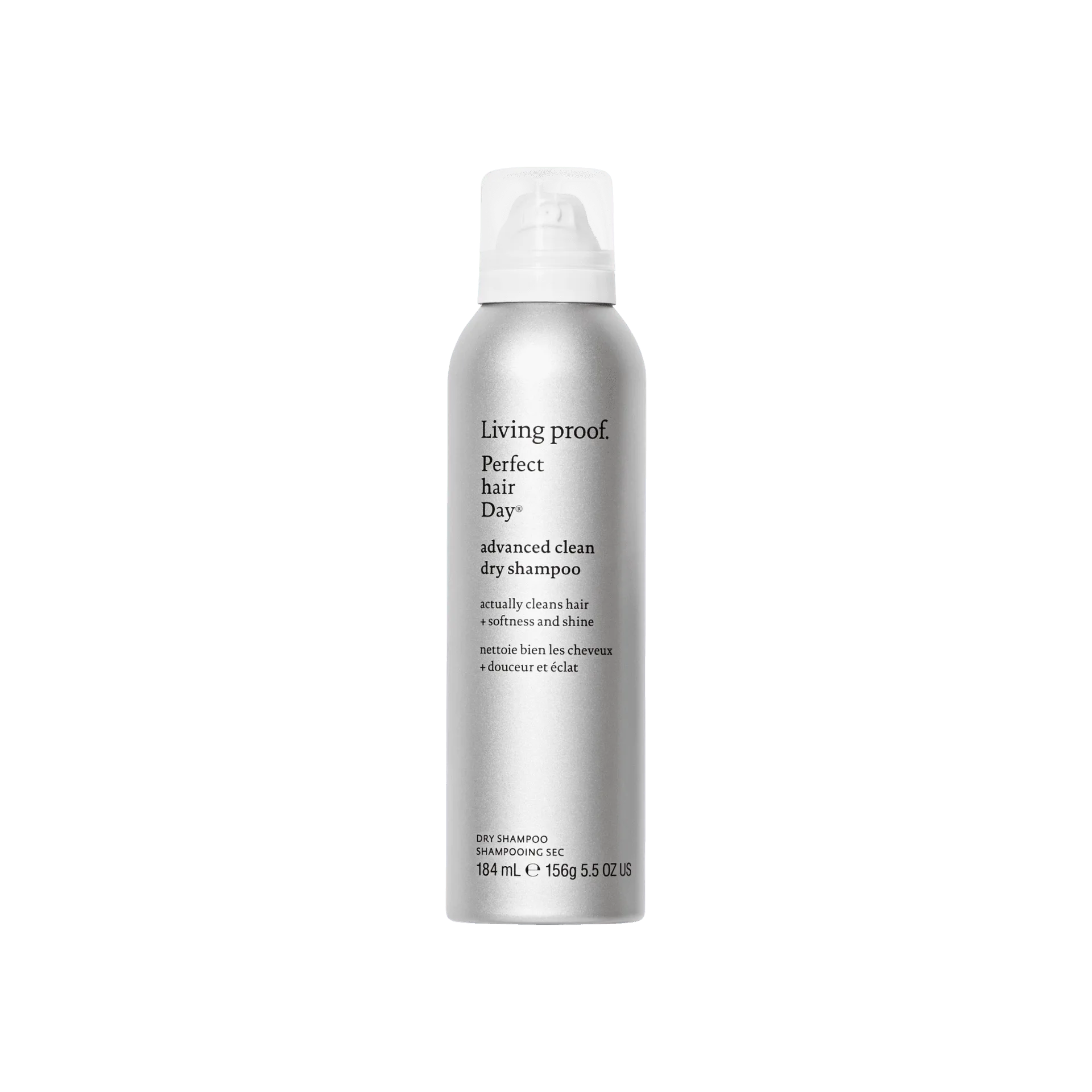
- Perfect hair Day™ Advanced Clean Dry Shampoo: This breakthrough formula cleans and cares like a rinse-out shampoo, eliminating oil and sweat while leaving hair with just-washed softness and shine with conditioned ends and scalp. Extend time between washes and preserve your style for longer. Useful if you are trying to wash less often to protect a dry scalp. It cleans without the stripped, tight feeling that powder-only dry shampoos can leave behind.