Quick Answer
For hair growth, castor oil is generally better if you want thicker, fuller strands, while vitamin E oil excels at nourishing the scalp and improving overall hair health. Choose castor oil for density and vitamin E oil for scalp conditioning and shine.
When you're trying to grow longer, healthier hair, the oil aisle can feel overwhelming. Two natural oils often come up in the conversation: castor oil and vitamin E oil. Both have loyal fans, but they work differently. Understanding the key differences can help you choose the right one for your hair type and goals.
This comparison looks at how each oil fits into a hair care routine, what to expect, and the honest tradeoffs. We'll also reference a couple of GuruNanda essential oils that can complement your routine, even though they aren't castor or vitamin E oils.
What Castor Oil Does for Hair
Castor oil is a thick, heavy oil often used to promote hair growth. It's rich in ricinoleic acid, which may help improve blood circulation to the scalp when massaged in. This can support hair follicles and potentially encourage growth. Many people use it to thicken eyebrows, lashes, and hair, especially in areas where hair is sparse.
The main tradeoff is its heavy texture. Castor oil can be greasy and hard to wash out, so it's often best used as a pre-shampoo treatment or a leave-in on the ends. If you have fine hair, applying too much can weigh it down and make it look flat. Start with a small amount and focus on the scalp and roots.
- Use castor oil as a weekly pre-shampoo mask to avoid greasiness.
- Mix a few drops with a lighter oil, like lemon essential oil, to make it easier to spread.
What Vitamin E Oil Does for Hair
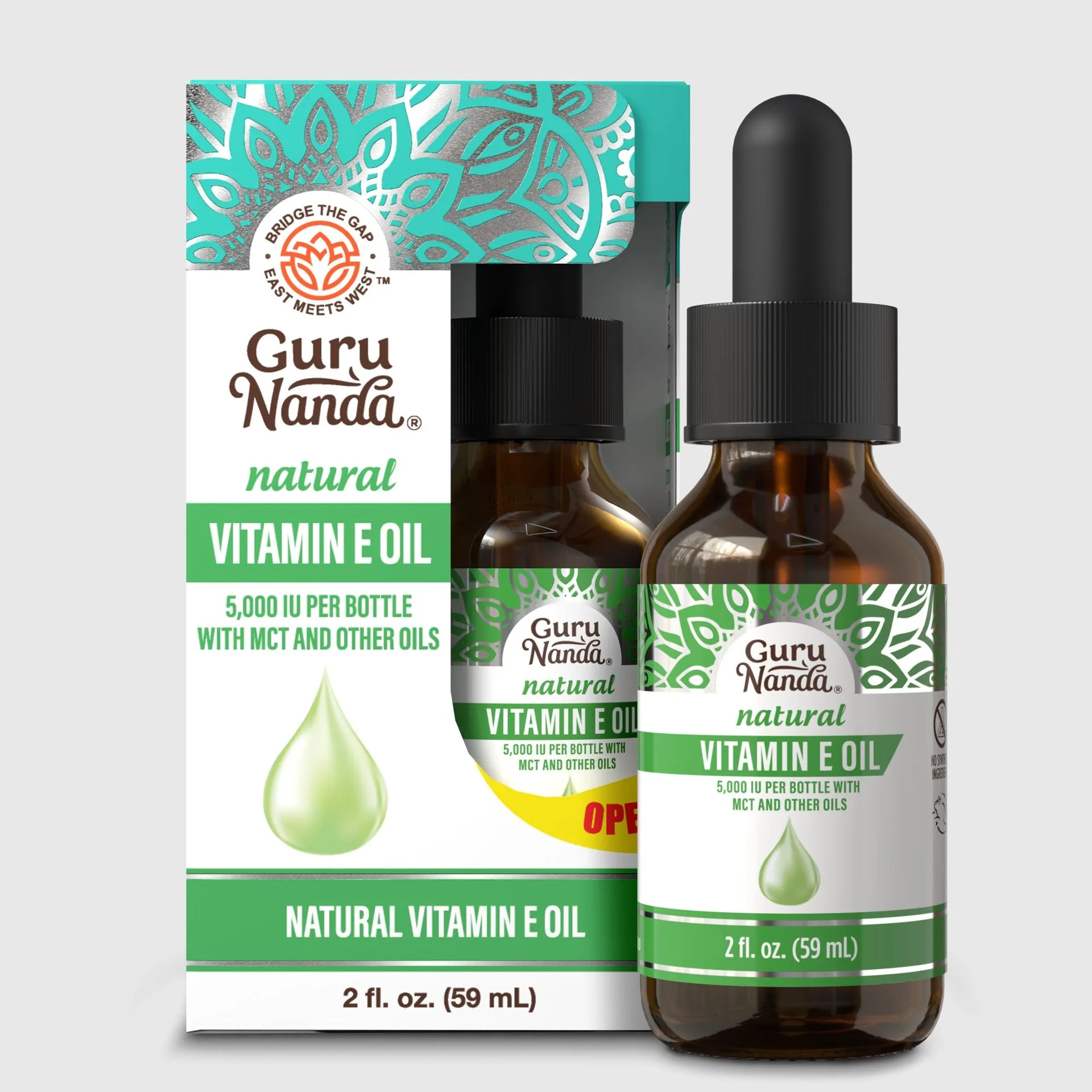
Vitamin E oil is an antioxidant that helps protect hair from oxidative stress and environmental damage. It's often used to moisturize the scalp, reduce dryness, and improve blood flow. A well-nourished scalp creates a better environment for hair to grow, so vitamin E oil is a valuable addition to any hair care routine.
Vitamin E oil is lighter than castor oil, making it easier to apply and less likely to leave a heavy residue. However, it may not provide the same thickening effect as castor oil. If your main concern is scalp dryness or dull hair, vitamin E oil is a great choice. For hair density, castor oil may be more effective.
- Apply vitamin E oil directly to the scalp and massage for a few minutes.
- Combine with a carrier oil if you have very dry hair for extra moisture.
Tradeoffs to Consider
The biggest tradeoff is texture versus effect. Castor oil is thick and can be messy, but it's known for promoting thickness. Vitamin E oil is lighter and easier to use, but it focuses more on scalp health than on making individual strands thicker.
Another tradeoff is how each oil fits into your routine. Castor oil is often used as an intensive treatment, while vitamin E oil can be used more frequently. If you have a busy schedule, vitamin E oil might be more practical. If you're willing to put in the extra effort, castor oil might give you the results you want.
Also consider your hair type. Fine hair may benefit more from vitamin E oil's lightweight feel, while thick or coarse hair can handle castor oil's heavier texture. Both oils can be used together, but it's best to start with one to see how your hair responds.
Castor Oil vs. Vitamin E Oil: Tradeoffs at a Glance
- Texture and Ease of Use: Castor oil is thick and heavy, which can be messy and hard to wash out. Vitamin E oil is lighter and easier to apply, making it more convenient for daily use. Choose vitamin E oil if you want a low-fuss routine.
- Primary Benefit: Castor oil is best for adding thickness and density to hair. Vitamin E oil is best for nourishing the scalp and protecting against damage. Pick castor oil for volume, vitamin E oil for scalp health.
- Hair Type Compatibility: Fine hair may feel weighed down by castor oil, while thick or coarse hair can handle it. Vitamin E oil works well for all hair types. If you have fine hair, start with vitamin E oil.
Related GuruNanda Products That Can Support Your Hair Routine
- https://gurunandatu.shop/products/lemon-essential-oil-15-ml-2-pack-247582Lemon Essential Oil, 15 ML - 2-Pack: GuruNanda Lemon Essential Oil offers a fresh citrus aroma perfect for aromatherapy and blending. This 2-pack provides two 15 ml bottles of pure essential oil for versatile use. Fresh citrus scent ideal for uplifting moods and creating a clean atmosphere. Can be used in diffusers, massage oils, or DIY blends. Lemon essential oil can be added to castor oil to cut its thickness and make it easier to apply, plus it adds a refreshing scent to your hair treatment.
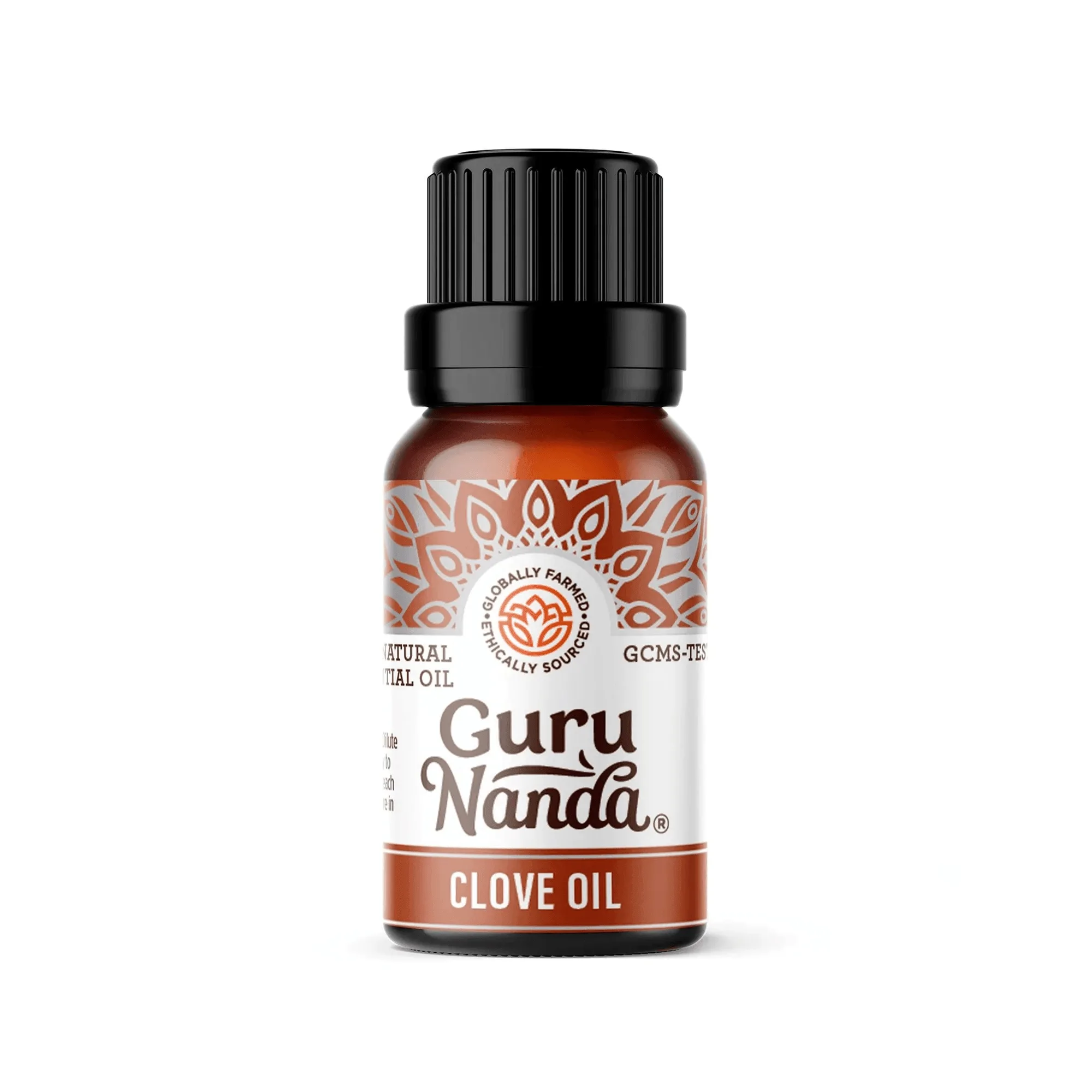
- Clove Essential Oil, 15 mL: An essential oil with a warm wood spice smell that helps you calm yourself, relax, and create your own blend of healing oils. Clove essential oil can be blended with vitamin E oil to create a warming scalp massage oil that promotes relaxation during your hair care routine.
Which Oil Should You Choose?
Best for
- People who want to thicken thinning hair or promote fuller-looking strands.
- Those who are willing to use a heavier oil as a weekly treatment.
Not for
- People with fine hair who prefer a lightweight, non-greasy oil for daily use.
- Those who are looking for a quick, no-rinse scalp treatment.
Both castor oil and vitamin E oil have a place in a natural hair care routine. If you want thicker hair and don't mind a heavier oil, castor oil is the way to go. If you prefer a lighter oil that supports scalp health and shine, vitamin E oil is a solid choice. You can also combine them with a few drops of essential oil, like lemon or clove, to enhance the experience. Start with one, see how your hair responds, and adjust from there.